Birkirkara vs Gzira
Side-by-side comparison of property prices, lifestyle, and practical info to help you choose the right area.
Summary
Living in Birkirkara
Birkirkara is Malta's largest town by population — a sprawling residential centre in the heart of the island that most tourists never visit but most Maltese have a connection to. It's not picturesque in the way Valletta or Mdina are, but it's real, working-class Malta: bakeries that have been open for generations, parish churches that anchor entire neighbourhoods, and streets where everyone knows everyone. The town's geography is varied. The old centre clusters around the imposing St. Helen's Basilica, one of the largest churches on the island. Ta' Paris and Swatar are more modern residential areas with apartment blocks popular with young professionals. The Imrieher industrial zone sits on the edge, a reminder that Birkirkara has always been a working town. The Valley Road area, running through a natural watercourse, is one of the few green corridors in central Malta. Property in Birkirkara offers the best value proposition in central Malta. Rents and purchase prices sit well below Sliema and St. Julian's while keeping you within 15 minutes of both by car or bus. The town has its own commercial strip, good schools, and a market that sells everything from fresh fish to furniture. It's not a lifestyle choice — it's a practical one, and that's why it's the island's most populated town.
Highlights
- Most populated town in Malta
- Significantly more affordable than coastal areas
- St. Helen's Basilica — one of Malta's largest churches
- Central location with 15-min access to most of the island
- Traditional Maltese town life with modern amenities
Living in Gzira
Gzira sits in the sweet spot between Sliema and Valletta — close enough to both to benefit from their amenities, but with its own identity and a more residential pace of life. The seafront looks out at Manoel Island and the fortified walls of Valletta across the creek, giving Gzira some of the best free harbour views on the island. The town has been quietly gentrifying over the past decade. Once considered a budget alternative to Sliema, Gzira now has its own crop of modern apartment developments, a growing restaurant scene, and the Manoel Island project poised to transform the western end into a luxury residential and marina district. The seafront promenade connects seamlessly to Sliema's — residents can walk from Gzira to Sliema's commercial strip in ten minutes. Gzira appeals to a broad demographic: young professionals priced out of Sliema, students at the nearby University of Malta campus, and families who value the area's relative quiet and good schools. Property prices sit below Sliema but above the island average, and the rental market is strong due to the area's walkability and transport links.
Highlights
- Direct views of Valletta's bastions across the creek
- Manoel Island — pending luxury development
- Seamless seafront promenade connection to Sliema
- More affordable than Sliema with similar convenience
- Strong rental market driven by proximity to university and business districts
Lifestyle Comparison
Which Area Is Right For You?
Choose Birkirkara
Birkirkara comes out ahead in family .
Choose Gzira
Gzira comes out ahead in dining, beaches, nightlife .
Frequently Asked Questions
Available Properties
Birkirkara (28 listings)
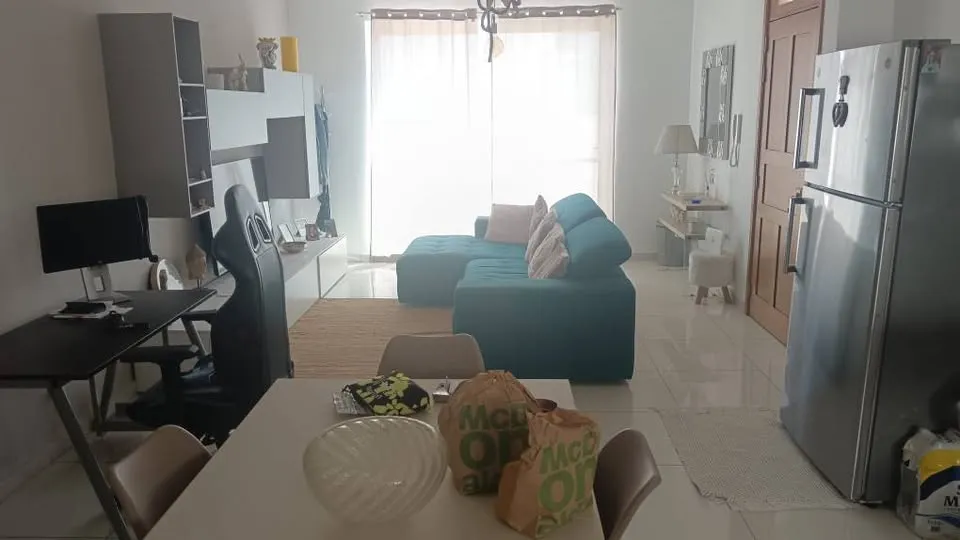
Modern 2-Bedroom Penthouse | Birkirkara
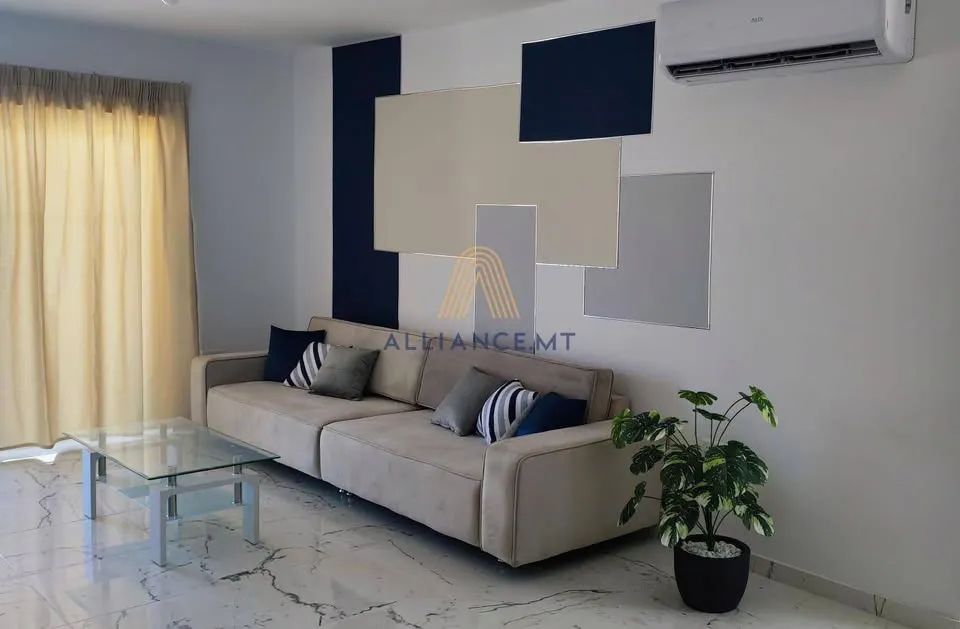
Birkirkara, Prime location
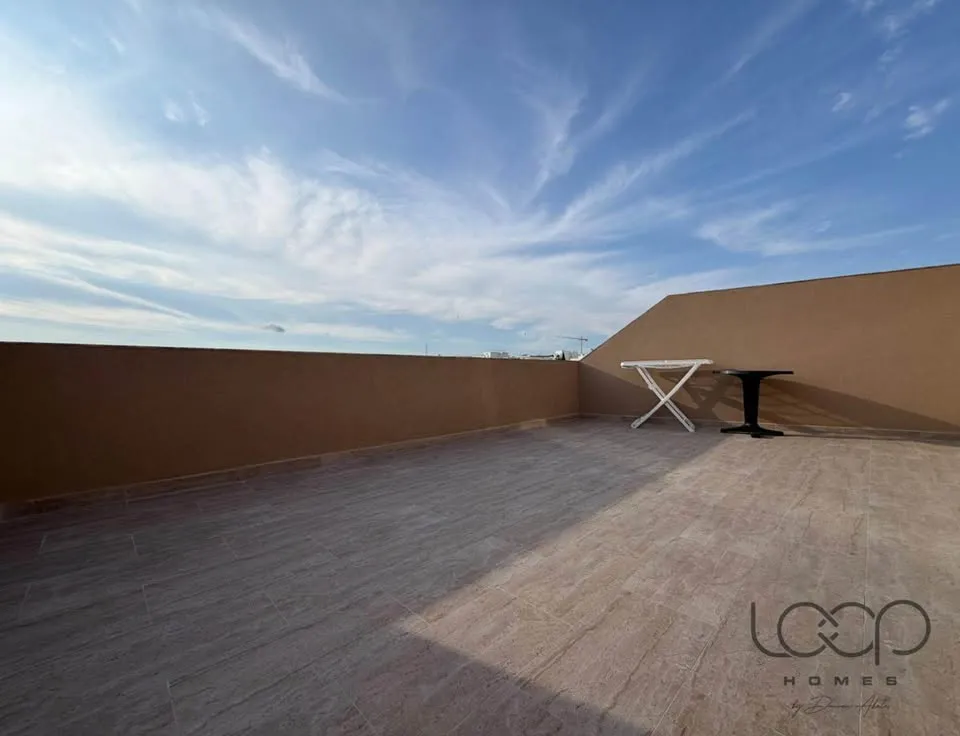
Modern 2 Bedroom Penthouse in Birkirkara
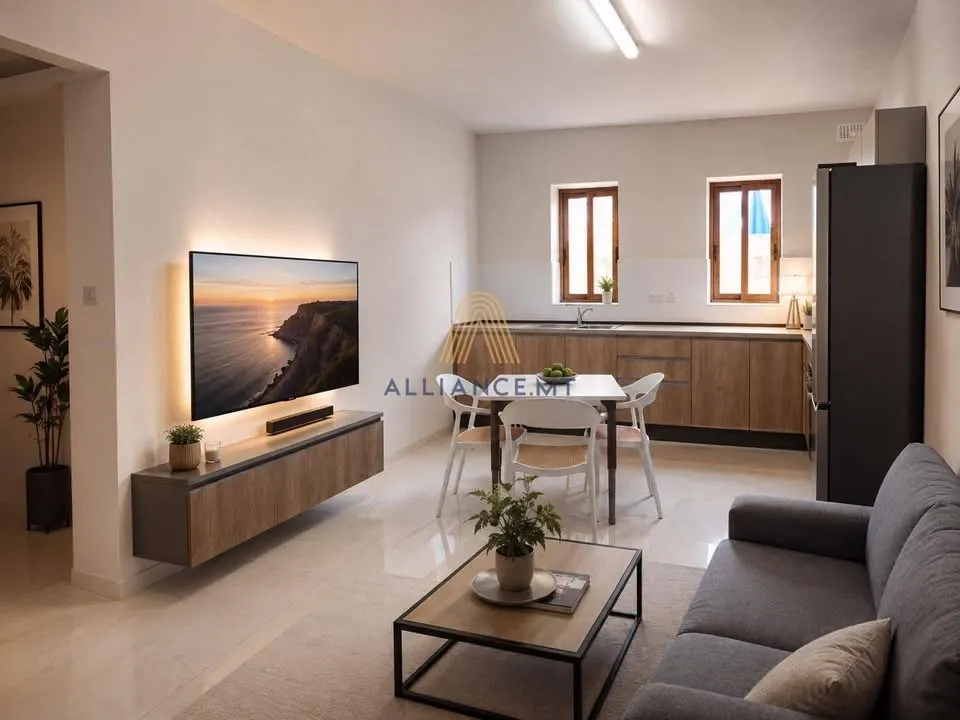
Modern 1-Bedrooms Apartment for Rent in Birkirkara
Gzira (59 listings)
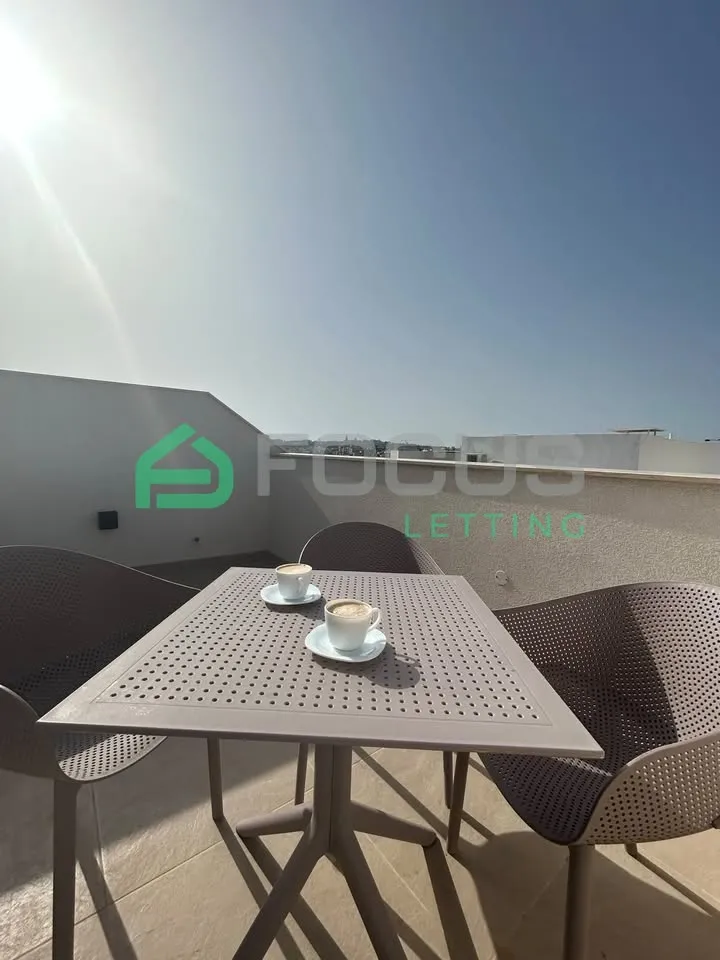
Lovely Penthouse - Available for long let
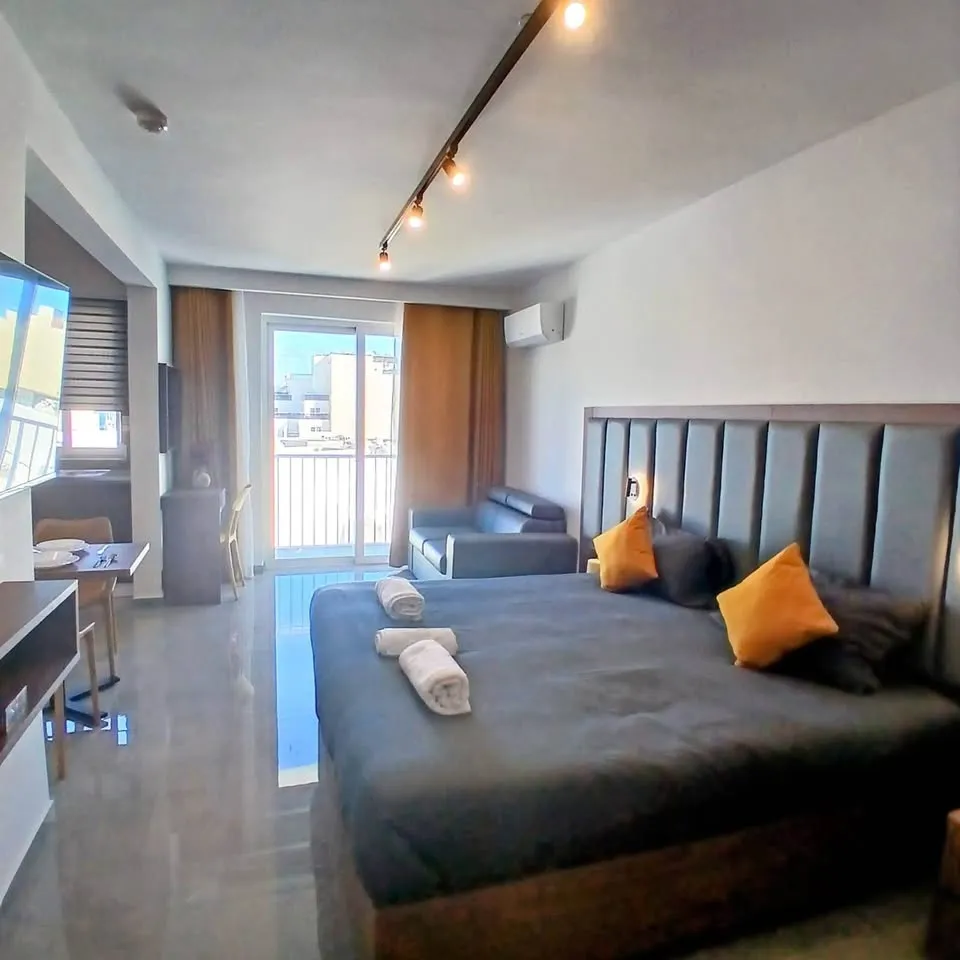
MODERN STUDIOS | GZIRA | €950/MONTH
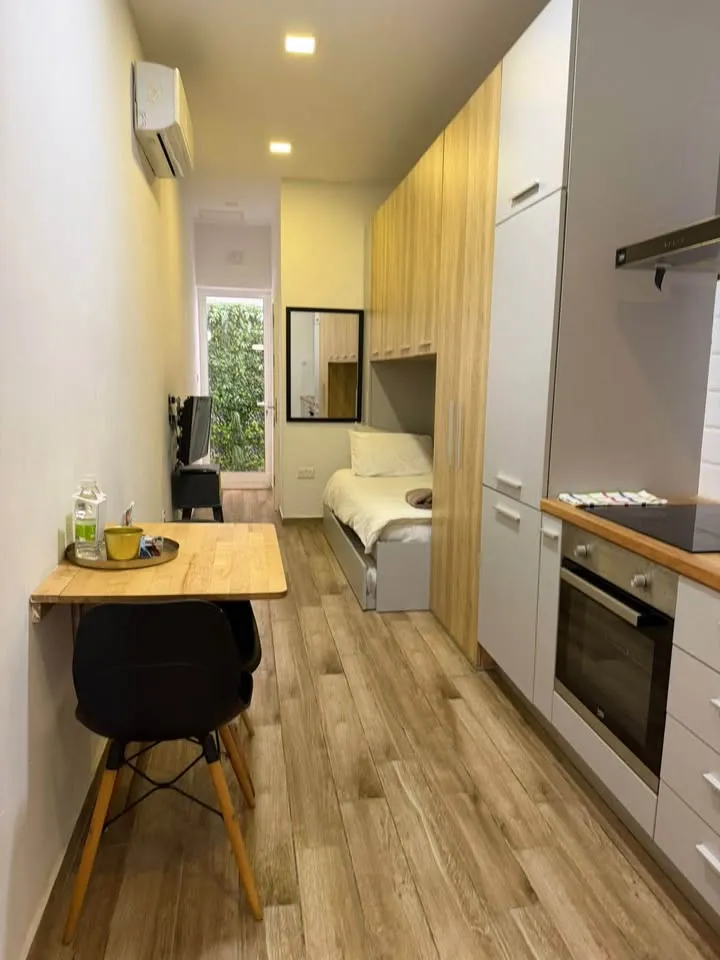
Comfortable and cosy studio apartment