Fgura vs Qawra
Side-by-side comparison of property prices, lifestyle, and practical info to help you choose the right area.
Summary
Fgura is better for families and budget buyers seeking affordable harbour-region living with quick commutes, while Qawra suits tourists, retirees, and investors wanting coastal resort living with steady rental yields. Fgura sits between the Three Cities and Paola, reaching Valletta by bus in under 20 minutes via routes 2, 3, 4, and 6, and Malta International Airport in 15 minutes by car. Qawra occupies the northern coast, requiring a 50–60 minute bus ride to Valletta on routes 48, 49, 58, and 250, with the airport 30 minutes away by car and the Gozo ferry 20 minutes north.
Fgura scores 8/10 for family suitability and 7/10 for transport and safety, offering flat terrain, good walkability, and modern amenities including schools and shopping facilities. Property prices carry no tourist premium, making it among the most affordable in the harbour region. Qawra scores 7/10 for dining and 6/10 for nightlife, featuring Malta's longest seafront promenade, rocky swimming spots, and the Malta National Aquarium within walking distance.
Fgura's population of 11,800 lives in a compact residential setting with limited architectural character and minimal nightlife. Qawra's 8,000 residents experience tourist-heavy summers and quieter winters, with predominantly modern apartment architecture and no natural sandy beach.
Living in Fgura
Fgura is a compact residential town sandwiched between the Three Cities and Zabbar — a primarily residential area that grew rapidly in the post-war period as housing spread outward from the harbour. It's one of Malta's newer towns, with most development dating from the 1960s onward, which gives it a different character from the ancient harbour cities next door. The town's landmark is a striking bronze monument of Christ the King that stands at the main junction, visible from the approach roads and a reference point for anyone navigating the area. Fgura's parish church, dedicated to St. Mary, has a distinctive modernist design that stands out among Malta's predominantly baroque churches. Fgura's appeal is straightforward: affordable housing close to both the harbour area and the southern towns. Property here is modestly priced, and the location is practical — a short drive to the Three Cities, Paola, and the arterial roads heading south and north. It's a commuter town, pure and simple, with no tourist pretensions.
Highlights
- Affordable housing close to the harbour area
- Christ the King monument — local landmark
- Quick access to Three Cities and Paola
- Modernist parish church — unusual for Malta
- No tourist premium on property prices
Living in Qawra
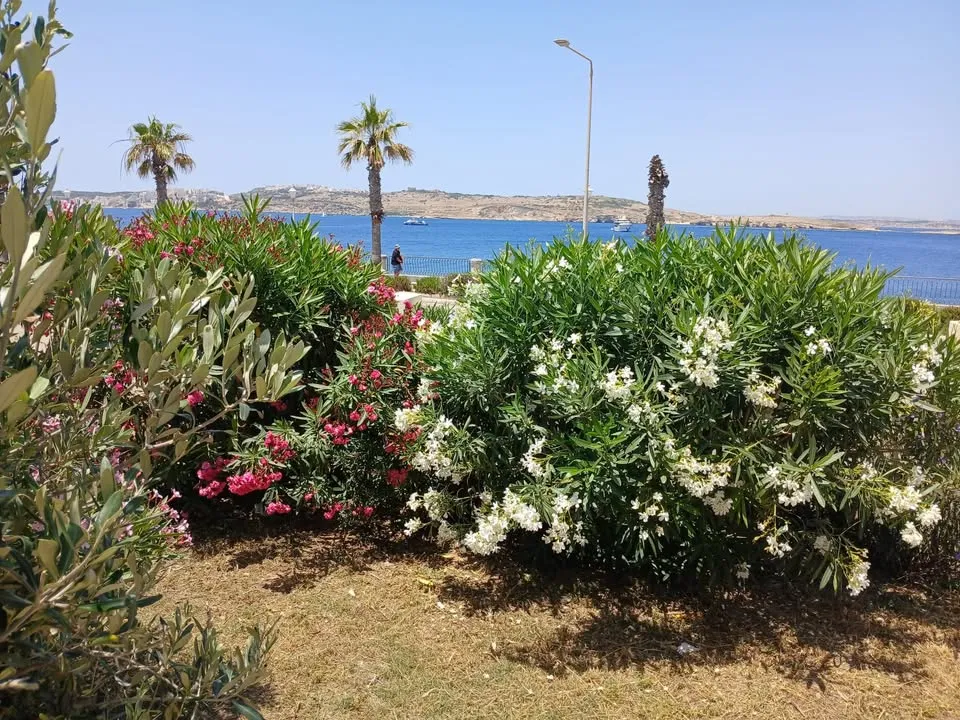
Qawra is the quieter neighbour of Bugibba — a coastal resort area on St. Paul's Bay that shares the same tourist infrastructure but with a more relaxed pace. The name means 'rounded' in Maltese, referring to the shape of the rocky peninsula that juts into the sea. Where Bugibba is loud and commercial, Qawra is slightly more subdued, with a long coastal promenade, rocky swimming platforms, and a cluster of hotels and apartment blocks. The Qawra promenade is one of the longest continuous seafront walks in Malta, stretching from Bugibba's aquarium all the way to Salina Bay. The salt pans at Salina are one of the oldest in Malta, still producing sea salt using traditional methods. The Qawra Point tower, a Knights-era watchtower, sits at the tip of the peninsula. Property in Qawra mirrors Bugibba's market — affordable purchase prices and solid rental yields from tourist demand. The area is popular with British retirees and long-stay visitors who prefer Qawra's slightly calmer atmosphere over Bugibba's bustle. Winter occupancy is better than most Maltese resorts thanks to the retiree community.
Highlights
- Longest seafront promenade in northern Malta
- Salina salt pans — traditional sea salt production
- Knights-era watchtower at Qawra Point
- Steady rental yields from retiree community
- Slightly quieter alternative to neighbouring Bugibba
Lifestyle Comparison
Which Area Is Right For You?
Choose Fgura
Fgura comes out ahead in family, safety, beaches .
Choose Qawra
Qawra comes out ahead in dining, nightlife .
Frequently Asked Questions
Available Properties
Fgura (5 listings)
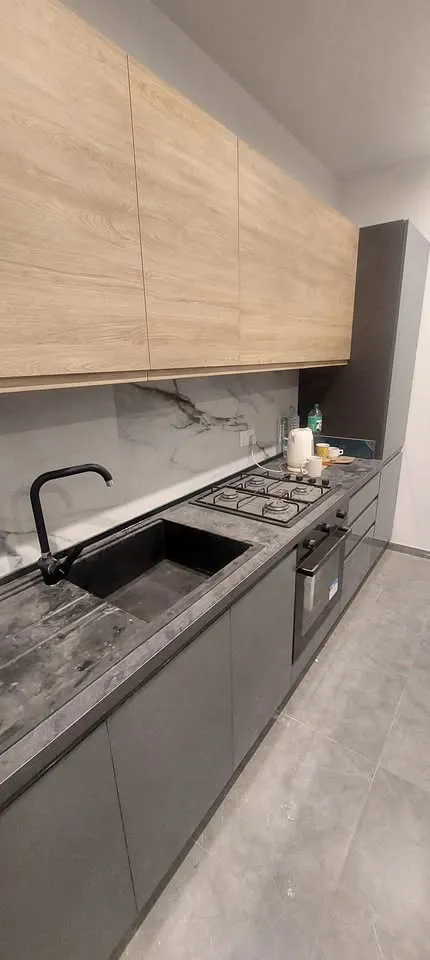
Fgura 1 Bedroom Apartment
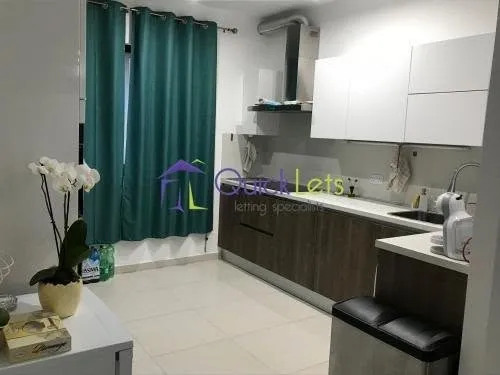
Modern, spacious, fully furnished 3-bedroom apartment in Fgura
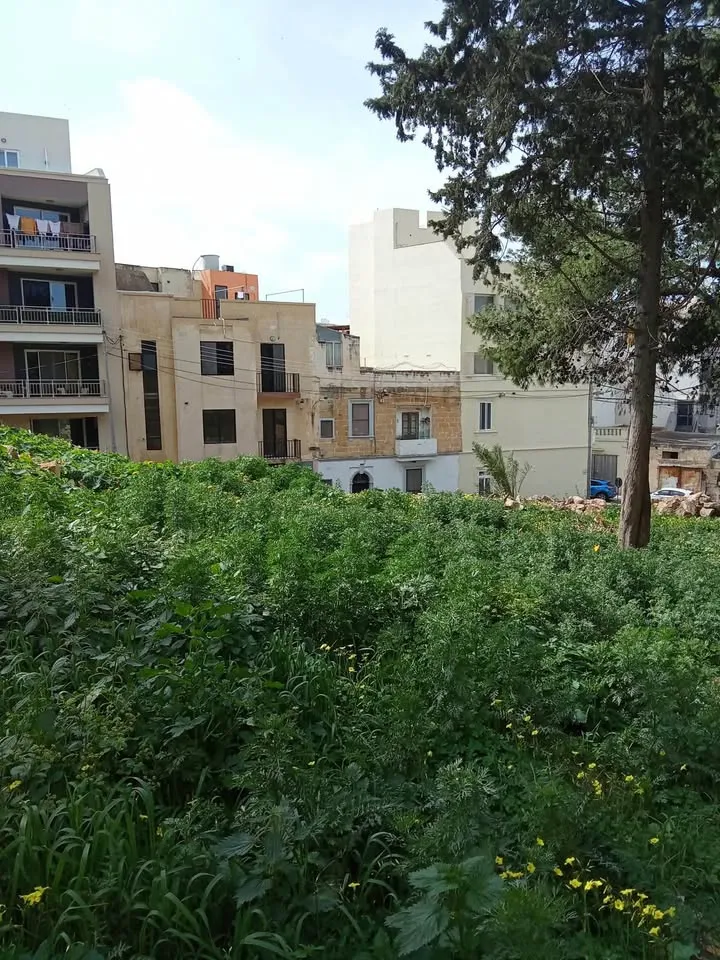
2 Bedroom Apartment in Fgura
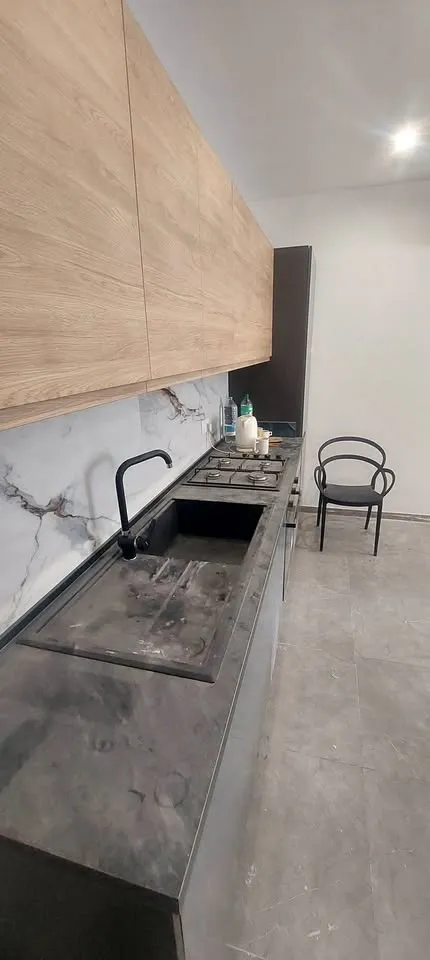
1 Bedroom Apartment in Fgura
Qawra (24 listings)
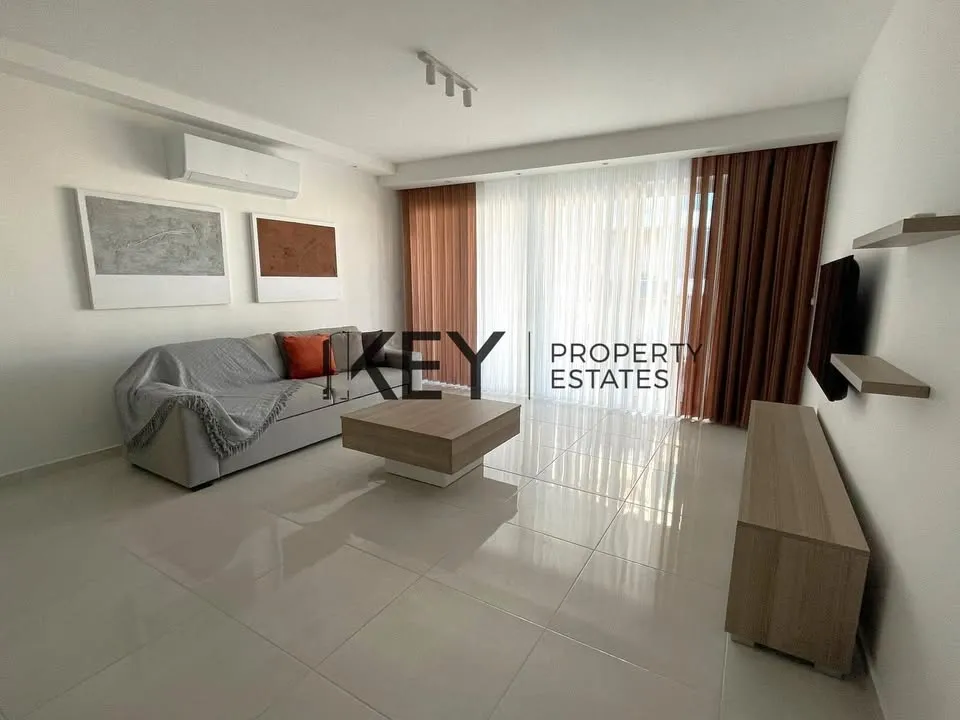
Modern and Spacious Fully Furnished 3 Bedroom Apartment in Qawra
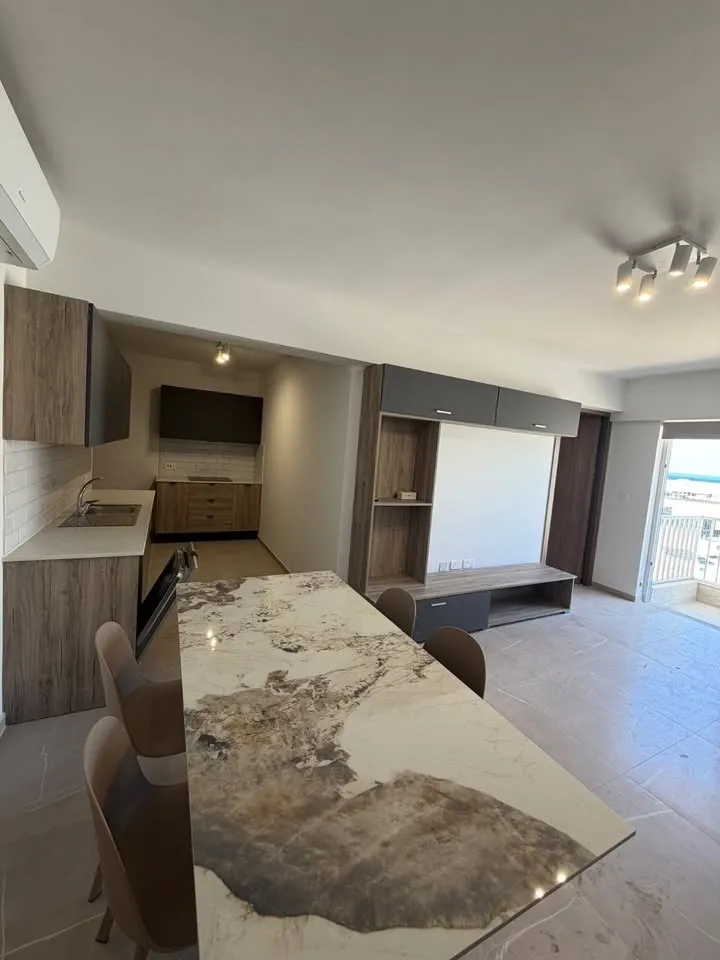
2 bedroom apartment in Qawra
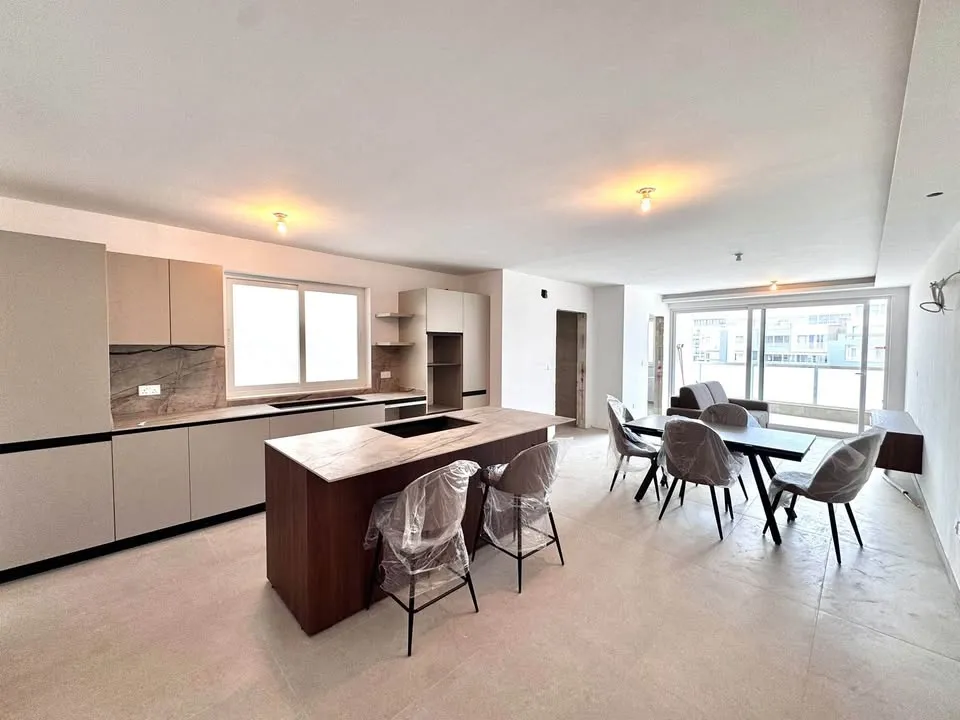
Brand-new 2-bedroom apartment in Qawra