Gharb vs Ghasri
Side-by-side comparison of property prices, lifestyle, and practical info to help you choose the right area.
Summary
Gharb (population 1,500) scores higher for dining (5/10) and family suitability (6/10), with a well-known village square, the Gharb Folklore Museum, and Ta' Dbiegi craft village. Ghasri (population 580) is Gozo's smallest village, with virtually no amenities — no shop, restaurant, or cafe — and a dining rating of 1/10. Ghasri offers Wied il-Ghasri, a secluded swimming inlet, giving it a beaches rating of 8/10 compared to Gharb's 5/10. Both villages rate 9/10 for safety and 1/10 for nightlife.
Public transport is poor in both locations. Gharb is served by Gozo route 311 to Victoria, while Ghasri has limited bus routes and a car is essential. Ghasri is slightly more isolated, requiring a 10+ minute drive to Victoria, versus 5 minutes from Gharb. Both are a 20-minute drive to Mgarr ferry and 90+ minutes to the airport. Gharb appeals to nature lovers, retirees, and tourists, while Ghasri targets nature lovers and retirees seeking authentic rural life at the lowest property prices in the Maltese islands.
Living in Gharb
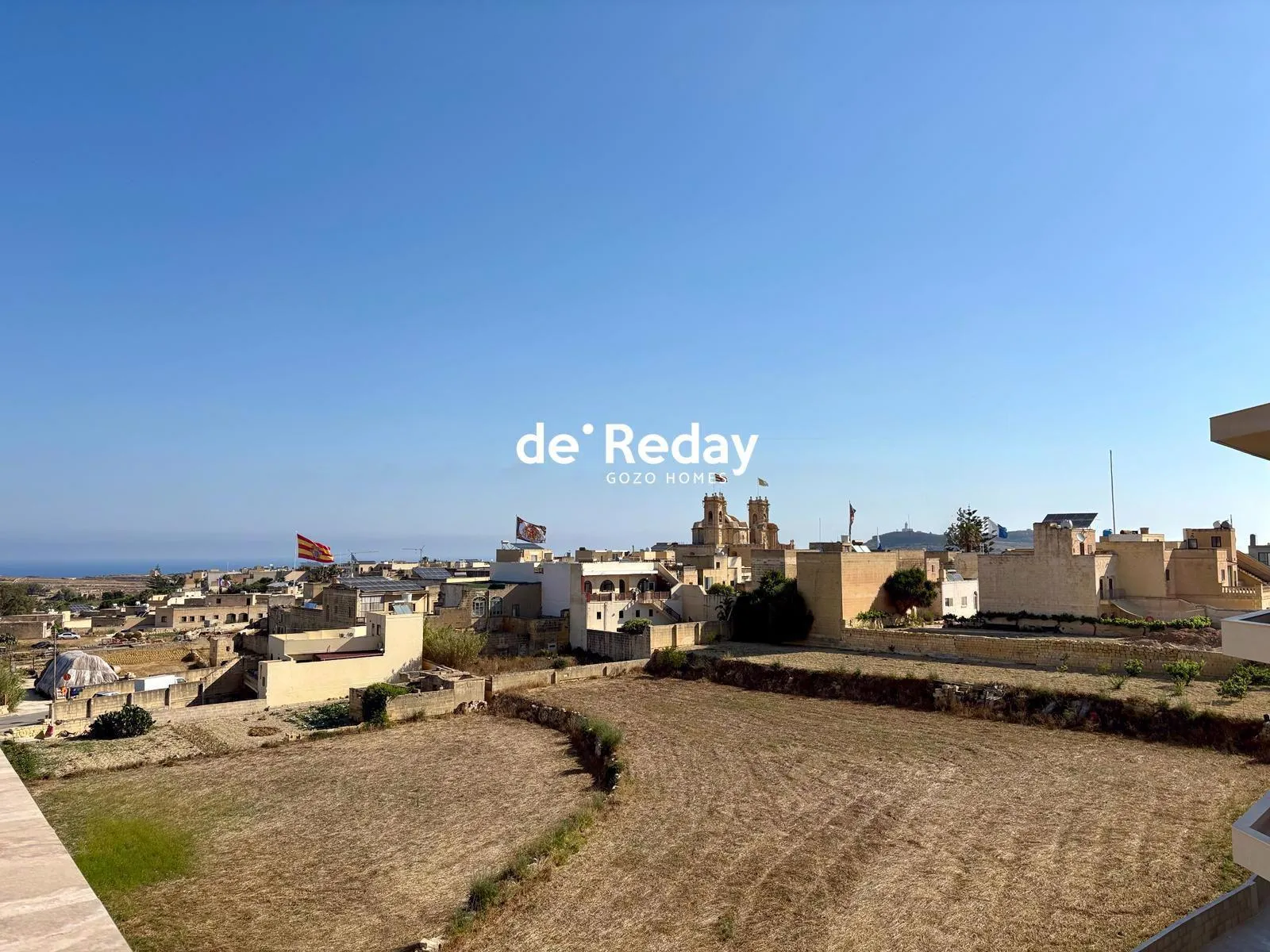
Gharb is one of Gozo's oldest villages, perched on a hilltop in the far west of the island with views stretching to the sea on two sides. The name means 'west' in Arabic — an accurate description of its position at Gozo's western extreme. The village is tiny, conservative, and deeply traditional, with a picturesque square that's one of the most photographed in Gozo. The square is anchored by a charming church and a collection of historic buildings that include what's said to be the oldest freestanding house in Gozo. The Gharb Folklore Museum occupies a 300-year-old building and displays traditional Gozitan crafts, tools, and household items. The Ta' Dbiegi craft village nearby is where local artisans produce handmade glass, lace, and pottery. Property in Gharb includes some of Gozo's most charming traditional farmhouses, many with thick limestone walls, internal courtyards, and roof terraces with sunset views. Prices are low, and restoration projects are common. The village is very quiet — too quiet for some — but for buyers seeking the authentic Gozitan experience, Gharb is the genuine article.
Highlights
- One of Gozo's oldest and most photographed village squares
- Traditional farmhouses with courtyards and sunset views
- Gharb Folklore Museum in a 300-year-old building
- Ta' Dbiegi craft village with local artisans
- One of Gozo's most affordable locations
Living in Ghasri
Ghasri is Gozo's smallest village — a tiny cluster of houses around a church and a square, nestled in a valley between the hills of western Gozo. With fewer than 600 residents, it's the kind of place where everyone knows everyone and the parish priest still visits house to house. The village is surrounded by some of Gozo's most dramatic countryside. Wied il-Ghasri, a narrow valley that cuts through the limestone to the sea, ends at a secluded inlet that's one of Gozo's best-kept swimming secrets. The Ta' Ghammar hilltop offers panoramic views, and the nearby Ta' Pinu Shrine — Malta's most important pilgrimage site — sits just outside the village boundary. Property in Ghasri is the most affordable in Gozo. Traditional farmhouses with gardens and land are available at prices that would be unthinkable on Malta. The trade-off is extreme quiet and car dependency — there's no shop, no restaurant, and buses are infrequent. But for buyers seeking authentic rural Mediterranean life, Ghasri delivers.
Highlights
- Gozo's smallest village — under 600 residents
- Wied il-Ghasri — secluded swimming inlet
- Adjacent to Ta' Pinu Shrine — Malta's holiest pilgrimage site
- Most affordable farmhouses in the Maltese islands
- Authentic rural Gozitan life
Lifestyle Comparison
Which Area Is Right For You?
Choose Gharb
Gharb comes out ahead in dining, family, transport .
Choose Ghasri
Ghasri comes out ahead in beaches .