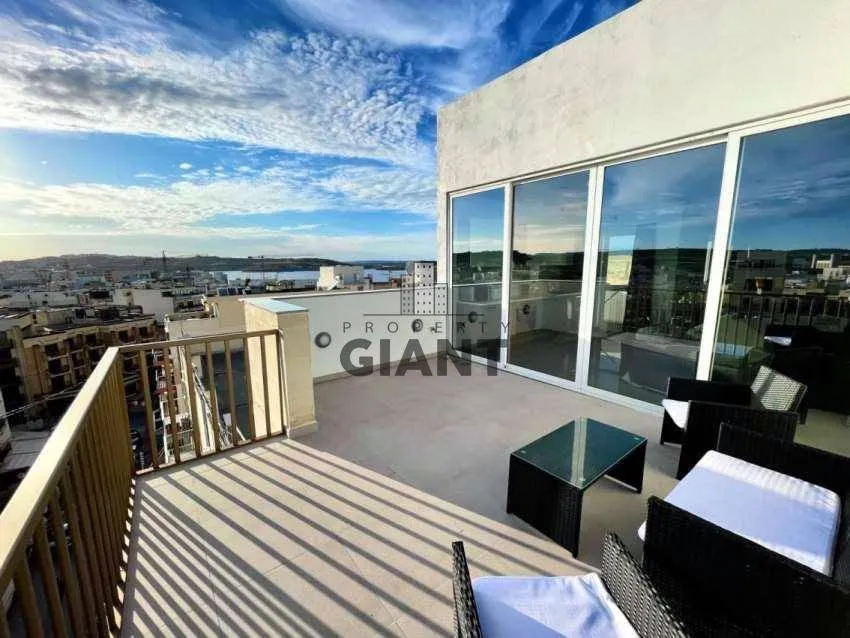
Gudja vs St. Paul's Bay
Side-by-side comparison of property prices, lifestyle, and practical info to help you choose the right area.
Summary
Traditional ridge-top village with Gothic church
Expansive northern coastal community
Living in Gudja
Gudja is a small village on Malta's southern plateau, perched on a ridge between the airport and the coast. It's one of Malta's older villages, with a parish church that has one of Malta's most distinctive rose windows — a circular stained-glass feature more common in Gothic churches than the baroque norm. The church is visible from miles around, its dome acting as a landmark for the southern approach to the airport. The village has a quiet, traditional character with narrow streets, old townhouses, and a pace of life that feels genuinely rural despite being within 15 minutes of the airport. The surrounding plateau is flat and open, with views that stretch to the sea on clear days. Gudja was the birthplace of several notable Maltese notaries and scholars during the Knights' period. Property in Gudja is affordable and offers traditional character at low prices. The airport is close enough to be convenient for travel but far enough that aircraft noise is manageable. The village has basic amenities and relies on Paola and Zejtun for larger shopping needs.
Highlights
- One of Malta's finest rose windows — a Gothic feature rare in a baroque island
- Quiet ridge-top position with sea views
- Close to the airport for easy travel
- Affordable traditional townhouses
- Birthplace of notable Maltese historical figures
Living in St. Paul's Bay
St. Paul's Bay is Malta's largest northern coastal town — a sprawling stretch of shoreline that encompasses the old fishing village of Xemxija, the tourist strips of Bugibba and Qawra, and the residential community of Burmarrad inland. According to the Bible, St. Paul was shipwrecked here in AD 60, an event that brought Christianity to Malta and gave the area its name. The town has grown explosively over the past two decades, transforming from a quiet seasonal resort into a year-round community of over 25,000 residents. Retired British expats, Maltese families priced out of the central coast, and a growing number of foreign workers have all settled here, drawn by coastal living at more manageable prices than Sliema or St. Julian's. The waterfront is the town's main asset — a long promenade connecting the old fisherman's quay to Bugibba's square to Qawra's rocky beaches. The Malta National Aquarium sits at the Bugibba end, and the Xemxija Heritage Walk traces ancient cart ruts and Roman roads into the hills. Properties range from modern seafront apartments to older terraced houses inland, with prices significantly below the central coast.
Highlights
- Malta's largest coastal town by population
- Biblical shipwreck site of St. Paul
- Malta National Aquarium at Bugibba
- Rocky beaches and coastal promenade
- More affordable than the central coast
Lifestyle Comparison
Which Area Is Right For You?
Choose Gudja
Gudja comes out ahead in family, safety .
Choose St. Paul's Bay
St. Paul's Bay comes out ahead in dining, beaches, nightlife, transport .
Frequently Asked Questions
Available Properties
Gudja (1 listings)
View all Gudja properties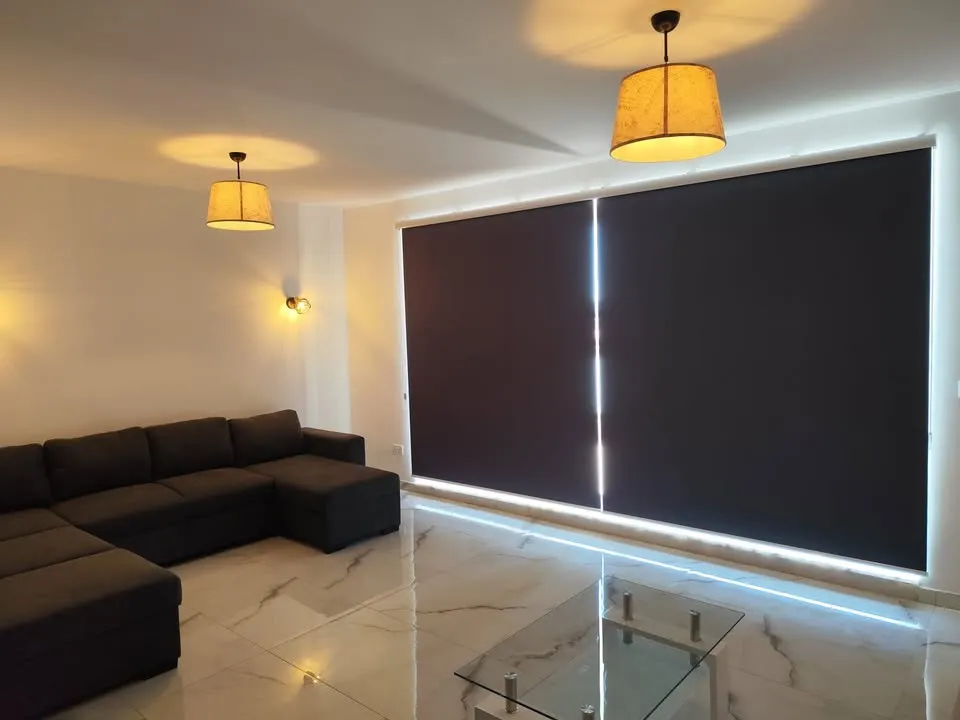
St. Paul's Bay (48 listings)
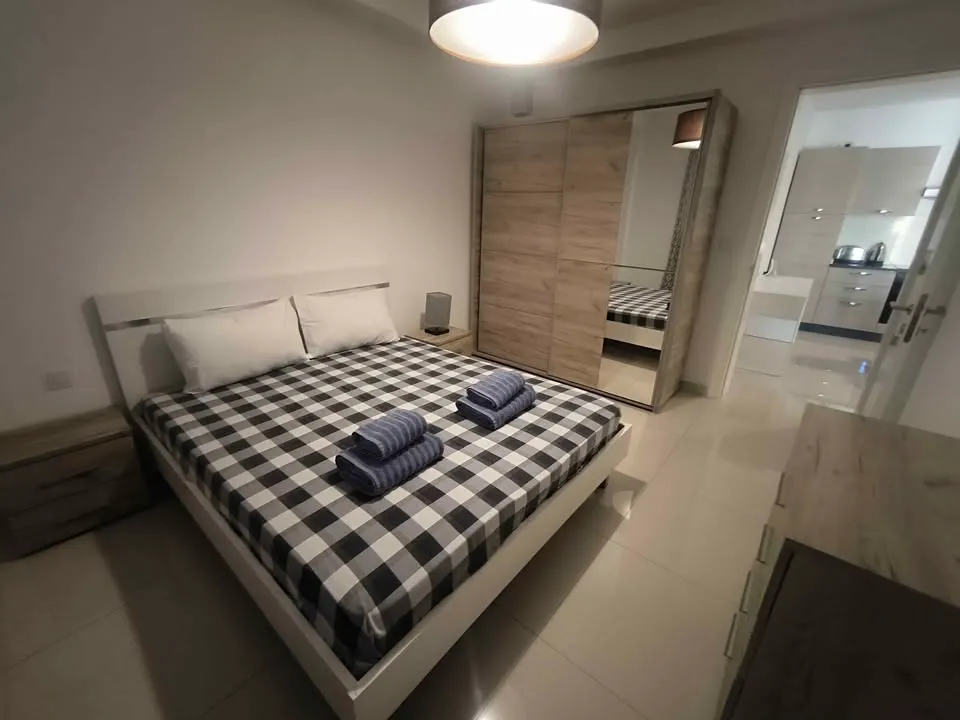
1 bedroom modern apartment in San Paul's Qawra
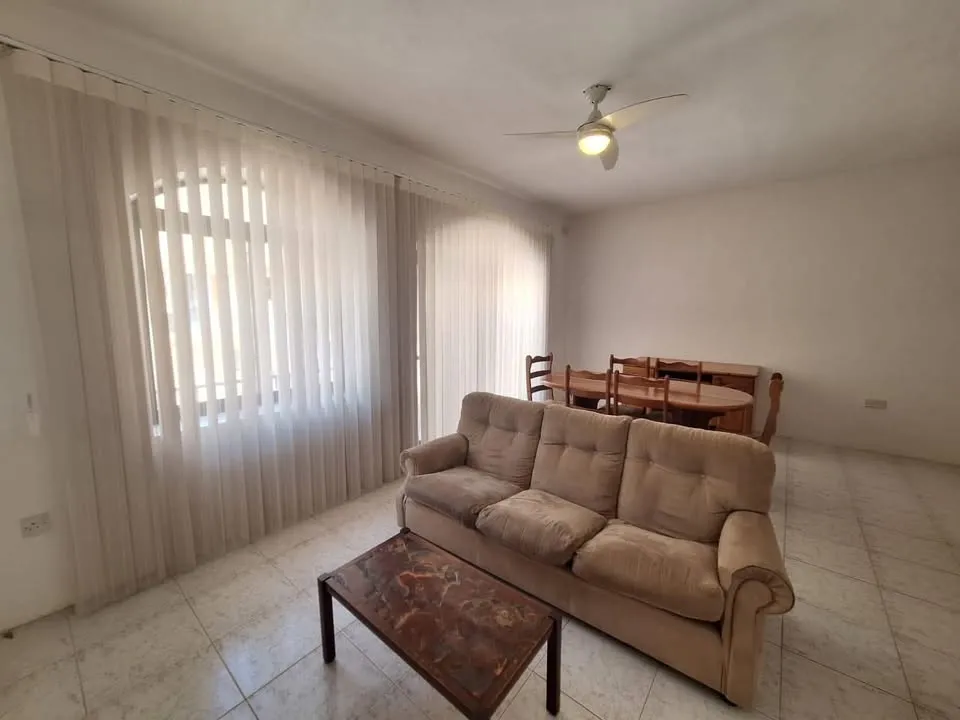
Property in San Pawl il-Baħar
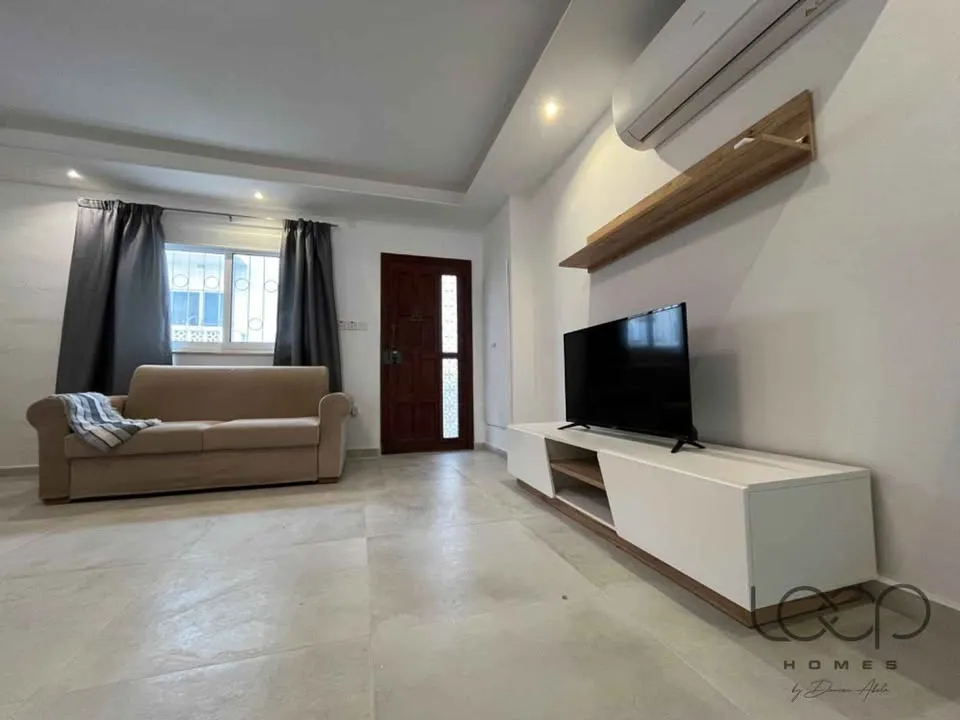
Modern 3 Bedroom Apartment in Saint Paul’s Bay