Gudja vs Xaghra
Side-by-side comparison of property prices, lifestyle, and practical info to help you choose the right area.
Summary
Traditional ridge-top village with Gothic church
Ancient hilltop village above Gozo's finest beach
Living in Gudja
Gudja is a small village on Malta's southern plateau, perched on a ridge between the airport and the coast. It's one of Malta's older villages, with a parish church that has one of Malta's most distinctive rose windows — a circular stained-glass feature more common in Gothic churches than the baroque norm. The church is visible from miles around, its dome acting as a landmark for the southern approach to the airport. The village has a quiet, traditional character with narrow streets, old townhouses, and a pace of life that feels genuinely rural despite being within 15 minutes of the airport. The surrounding plateau is flat and open, with views that stretch to the sea on clear days. Gudja was the birthplace of several notable Maltese notaries and scholars during the Knights' period. Property in Gudja is affordable and offers traditional character at low prices. The airport is close enough to be convenient for travel but far enough that aircraft noise is manageable. The village has basic amenities and relies on Paola and Zejtun for larger shopping needs.
Highlights
- One of Malta's finest rose windows — a Gothic feature rare in a baroque island
- Quiet ridge-top position with sea views
- Close to the airport for easy travel
- Affordable traditional townhouses
- Birthplace of notable Maltese historical figures
Living in Xaghra
Xaghra (pronounced 'shara') is a hilltop village in northern Gozo that sits above two of the island's most remarkable attractions: Ggantija Temples — the oldest freestanding stone structures in the world, built 1,000 years before the Egyptian pyramids — and Ramla l-Hamra, Gozo's sweep of red-gold sand that's widely considered the best beach in the Maltese islands. The village itself is a pleasant, sleepy Gozitan settlement with a large central square, a parish church, and a few cafes. Ggantija — meaning 'giant's tower' — dominates the local identity. Legend holds that the temples were built by a giantess who carried the massive stone blocks on her head while nursing a baby. The reality is arguably more impressive: a society sophisticated enough to carve and position 50-tonne limestone blocks 5,500 years ago. Property in Xaghra offers a rare combination — village living with direct access to Gozo's best beach. Prices are moderate by Gozo standards, and the village has enough year-round residents to maintain basic amenities. It's quiet in winter and busy in summer, with the beach drawing day-trippers from across Malta.
Highlights
- Ggantija Temples — oldest freestanding structures on Earth
- Ramla l-Hamra — Gozo's best sandy beach
- 5,500-year-old history beneath a quiet village
- Calypso's Cave — legendary home of Homer's nymph
- Moderate property prices with beach access
Lifestyle Comparison
Frequently Asked Questions
Available Properties
Gudja (1 listings)
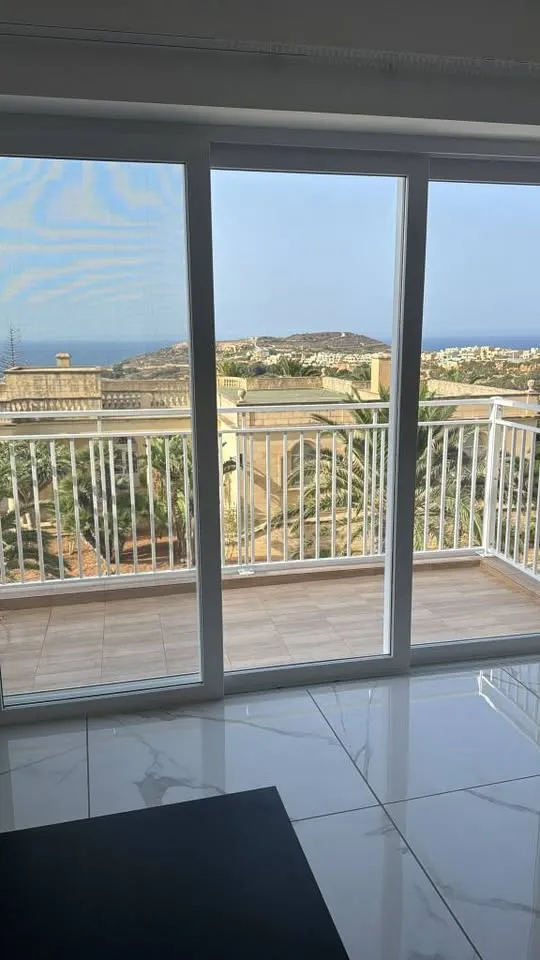
View all Gudja properties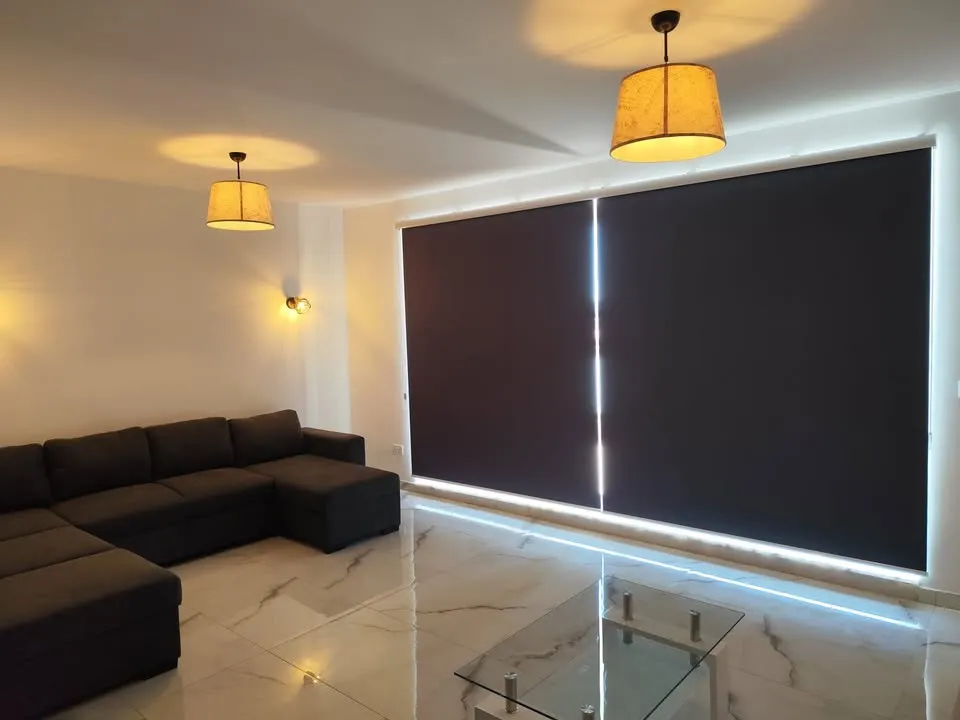
Xaghra (12 listings)
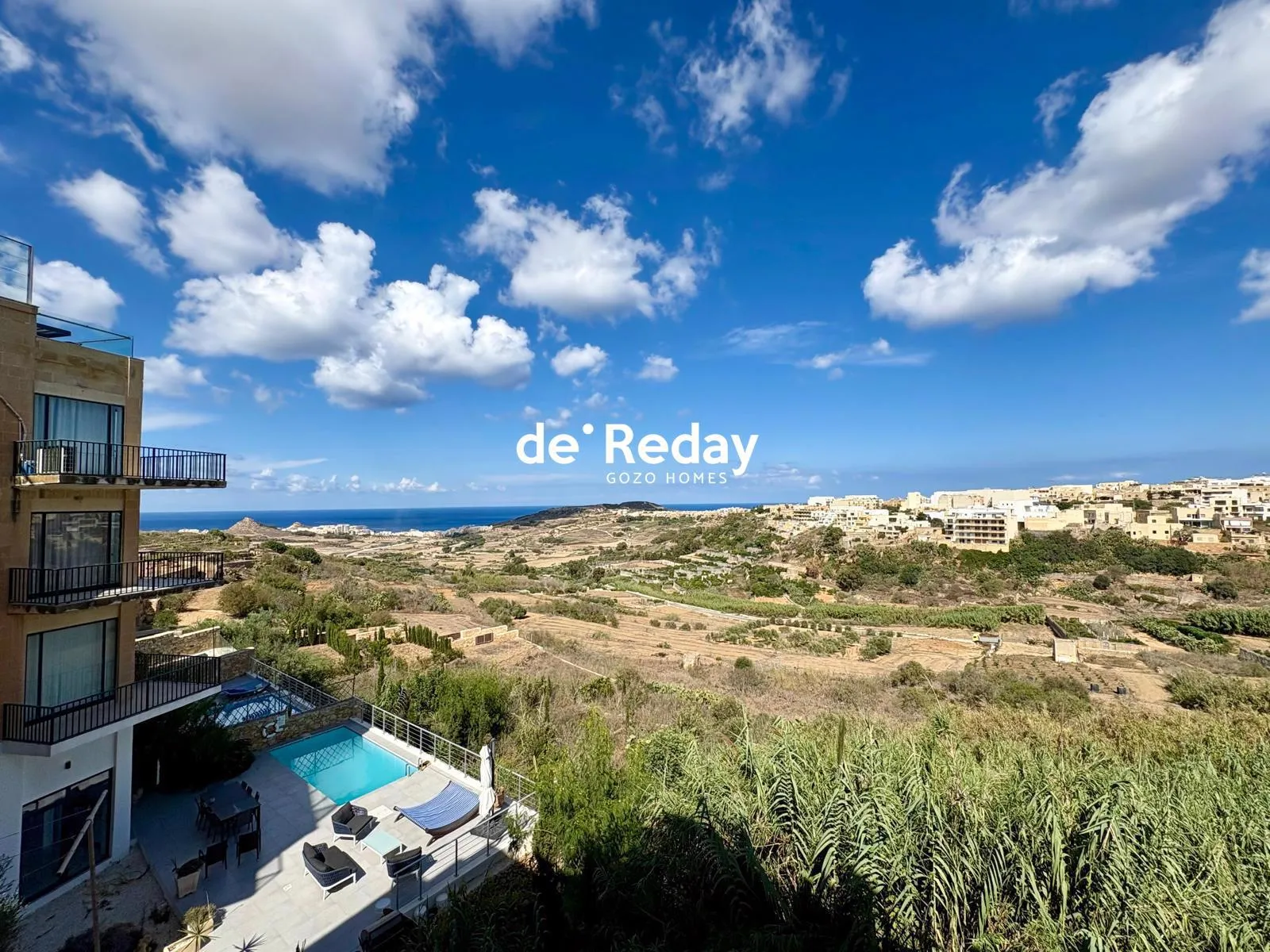
Charming 2 bedroom Apartment with Views
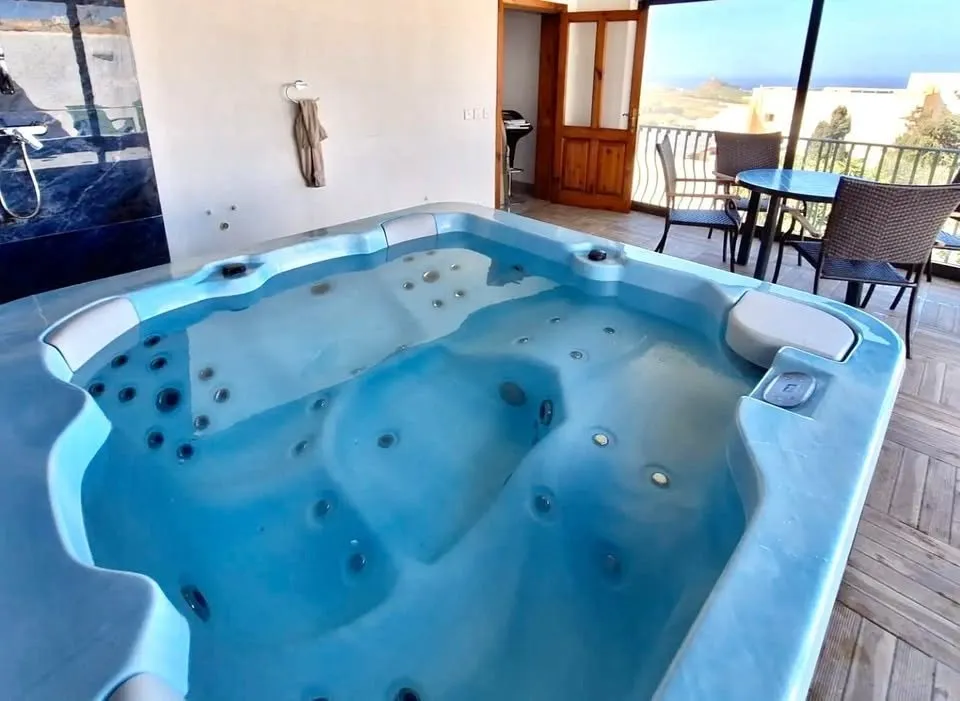
Xghara Gozo Modern Penthouse : Breathtaking Views !
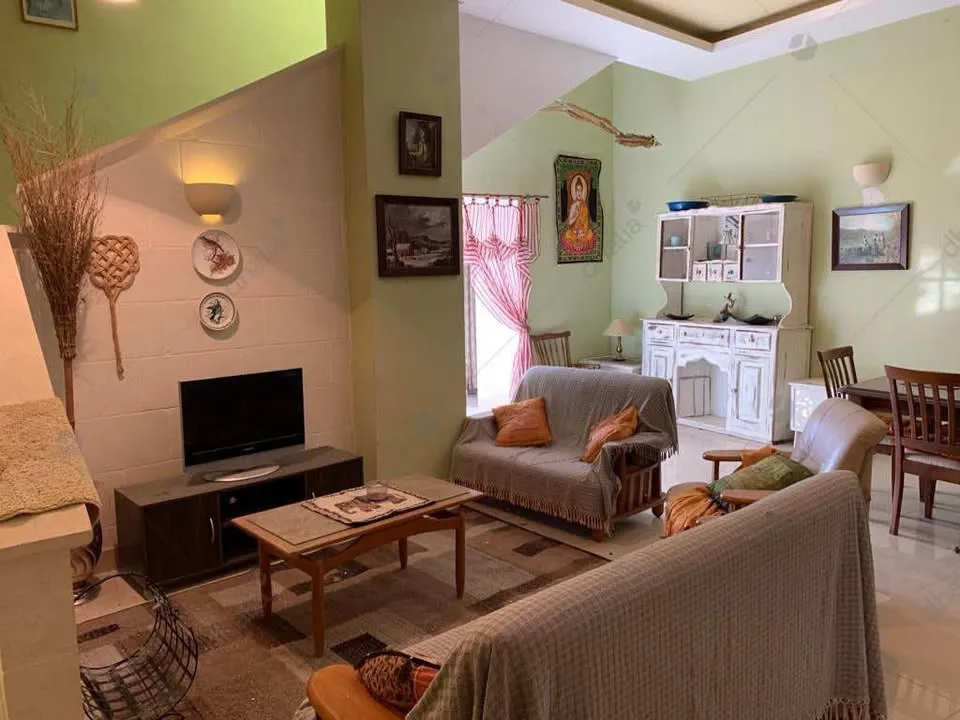
Xaghra Gozo Apartment For Rent