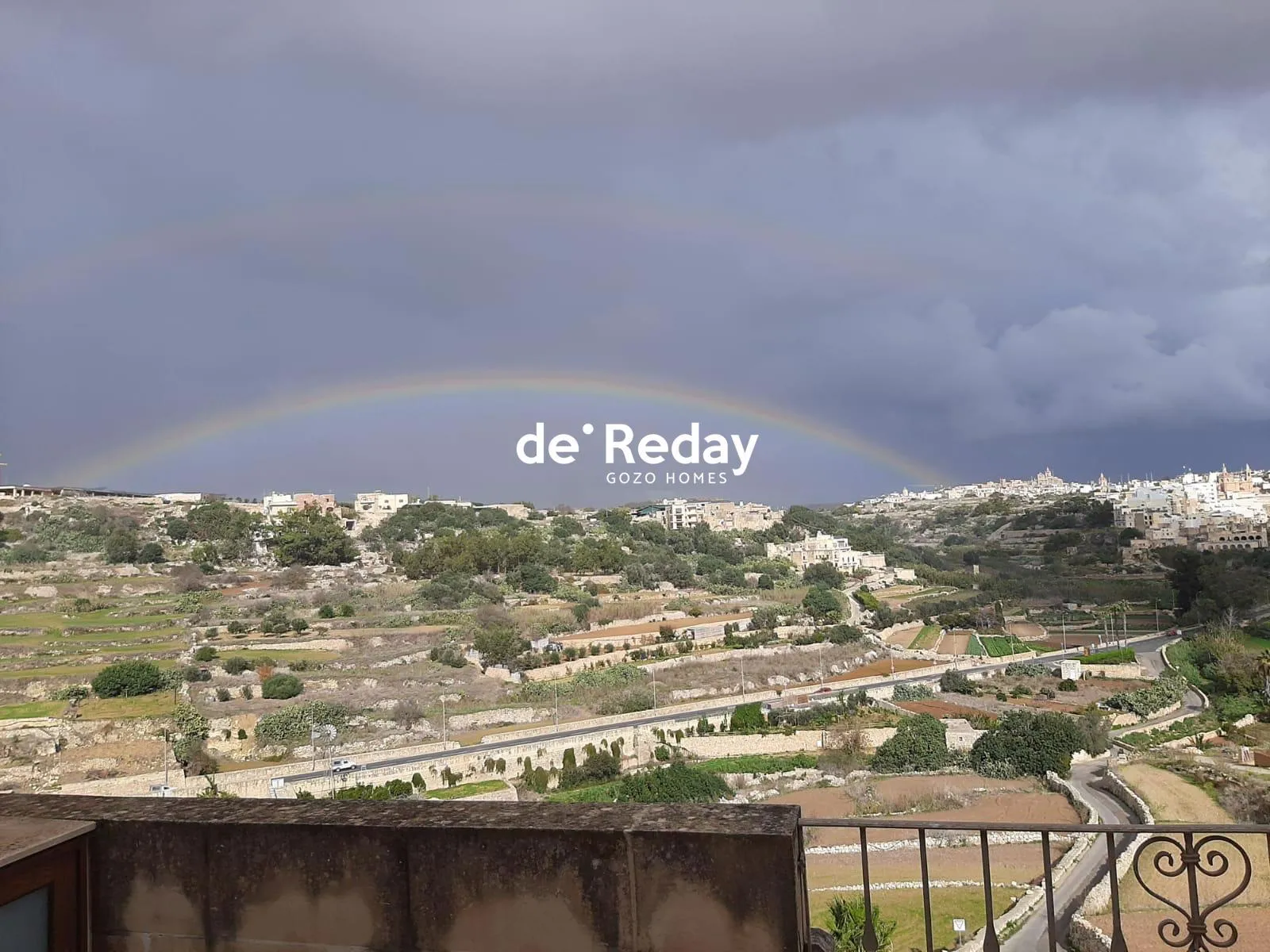
Gudja vs Xewkija
Side-by-side comparison of property prices, lifestyle, and practical info to help you choose the right area.
Summary
Xewkija is better for families wanting Gozitan village life at Gozo's lowest property prices, while Gudja suits Malta-based families who need airport proximity and easier mainland access. Both villages score 9/9 for safety and family appeal, with near-identical populations around 3,100–3,300. Xewkija edges ahead for families with a 9/10 family rating versus Gudja's 8/10, plus better beach access (7/10 vs 5/10) and slightly stronger transport links (5/10 vs 3/10).
Xewkija's strategic central location places it equidistant from Victoria, Mgarr ferry, and Ramla Bay, all reachable within 10 minutes by car. The Rotunda dome — at 74 metres, one of Europe's largest unsupported domes — anchors the village. However, the ferry crossing adds 80+ minutes to any international trip, making Gudja significantly more practical for frequent travellers. Gudja sits just 5 minutes from Malta International Airport with no ferry required, and bus routes 82, 85, and 88 connect directly to Valletta.
Xewkija attracts tourists and families seeking traditional Gozitan character, agricultural surroundings, and property prices among the most affordable in Gozo. Gudja appeals to established families prioritising authentic Maltese village life, open countryside views from its ridge-top plateau, and a distinctive Gothic church featuring one of Malta's rarest rose windows.
Traditional ridge-top village with Gothic church
Historic village dominated by monumental church dome
Living in Gudja
Gudja is a small village on Malta's southern plateau, perched on a ridge between the airport and the coast. It's one of Malta's older villages, with a parish church that has one of Malta's most distinctive rose windows — a circular stained-glass feature more common in Gothic churches than the baroque norm. The church is visible from miles around, its dome acting as a landmark for the southern approach to the airport. The village has a quiet, traditional character with narrow streets, old townhouses, and a pace of life that feels genuinely rural despite being within 15 minutes of the airport. The surrounding plateau is flat and open, with views that stretch to the sea on clear days. Gudja was the birthplace of several notable Maltese notaries and scholars during the Knights' period. Property in Gudja is affordable and offers traditional character at low prices. The airport is close enough to be convenient for travel but far enough that aircraft noise is manageable. The village has basic amenities and relies on Paola and Zejtun for larger shopping needs.
Highlights
- One of Malta's finest rose windows — a Gothic feature rare in a baroque island
- Quiet ridge-top position with sea views
- Close to the airport for easy travel
- Affordable traditional townhouses
- Birthplace of notable Maltese historical figures
Living in Xewkija
Xewkija is one of Gozo's oldest villages, sitting on a plateau between Victoria and the eastern coast. The village is dominated by the Rotunda of St. John the Baptist — a colossal church whose dome is visible from nearly every point on the island. At 74 metres in diameter, it is one of the largest unsupported domes in Europe, exceeding St. Peter's Basilica in diameter, and it serves as a landmark for sailors approaching Gozo from the east. The village has a quiet, traditional character with narrow streets of old stone houses radiating from the church square. Xewkija is believed to be the first settlement established outside Victoria after the arrival of the Knights of St. John, and its name derives from the Maltese word for thorny bushes that once covered the area. The village retains a strong agricultural identity, with surrounding fields producing fruit, vegetables, and grapes for local wine. Property in Xewkija offers some of the best value in Gozo. Traditional townhouses with original stone arches and internal courtyards can be found at prices well below the coast. Newer developments have appeared along the main road toward Mgarr harbour, but the village core remains authentically Gozitan. The location is strategic — equidistant from Victoria, Mgarr ferry terminal, and the beaches of Ramla Bay.
Highlights
- The Rotunda — one of Europe's largest unsupported church domes at 74m diameter
- One of Gozo's oldest settlements, dating to the Knights of St. John era
- Strategic location between Victoria, Mgarr ferry, and Ramla Bay
- Some of the most affordable traditional property in Gozo
- Strong agricultural heritage with surrounding vineyards and fields
Lifestyle Comparison
Frequently Asked Questions
Available Properties
Gudja (1 listings)
View all Gudja properties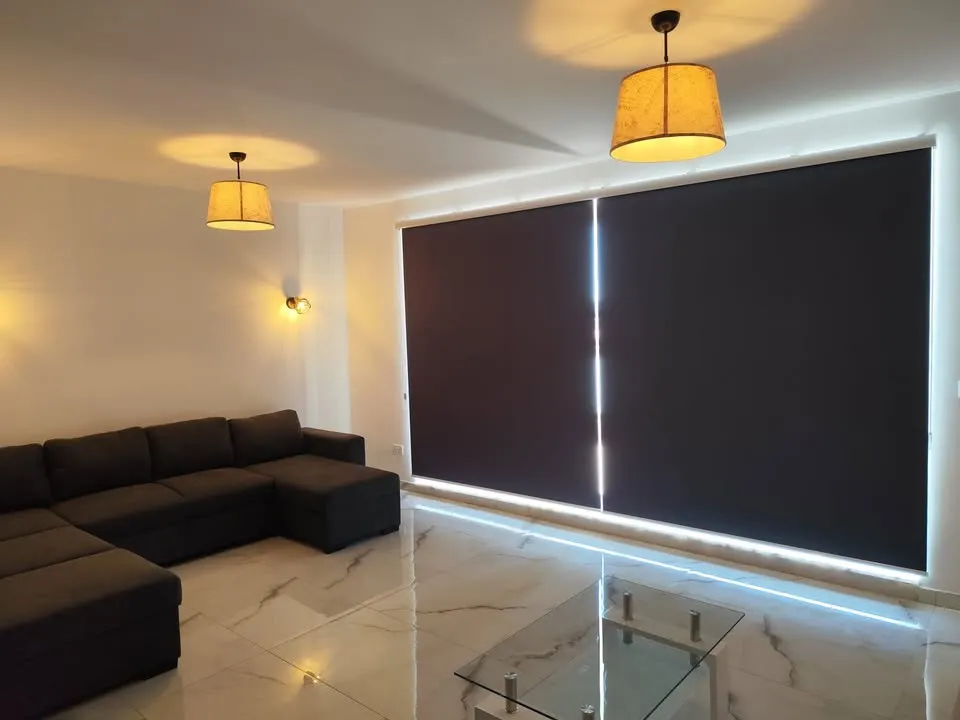
Xewkija (7 listings)
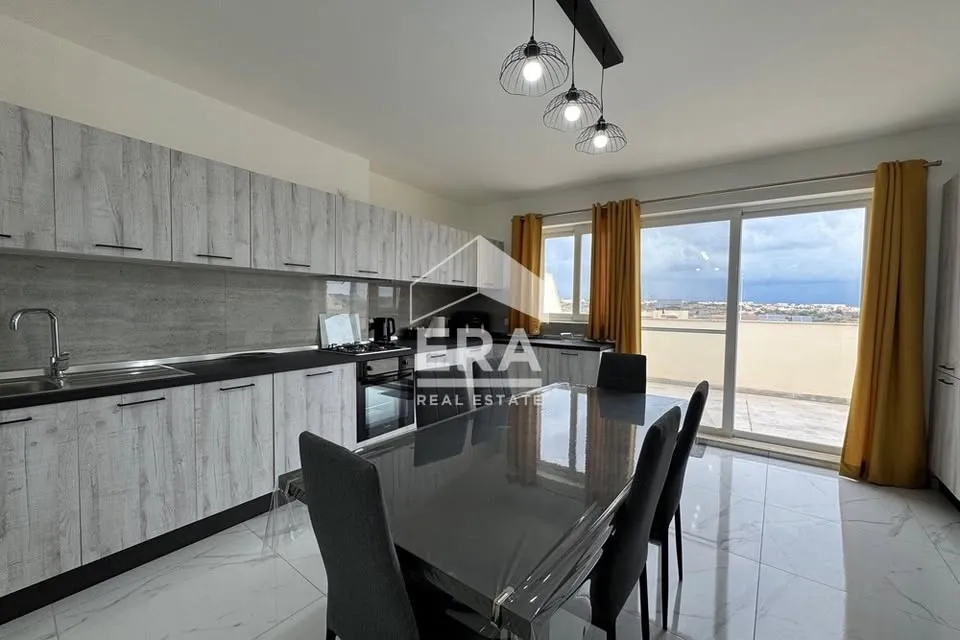
Spacious 3-Bedroom Penthouse with Large Terrace – Xewkija, Gozo
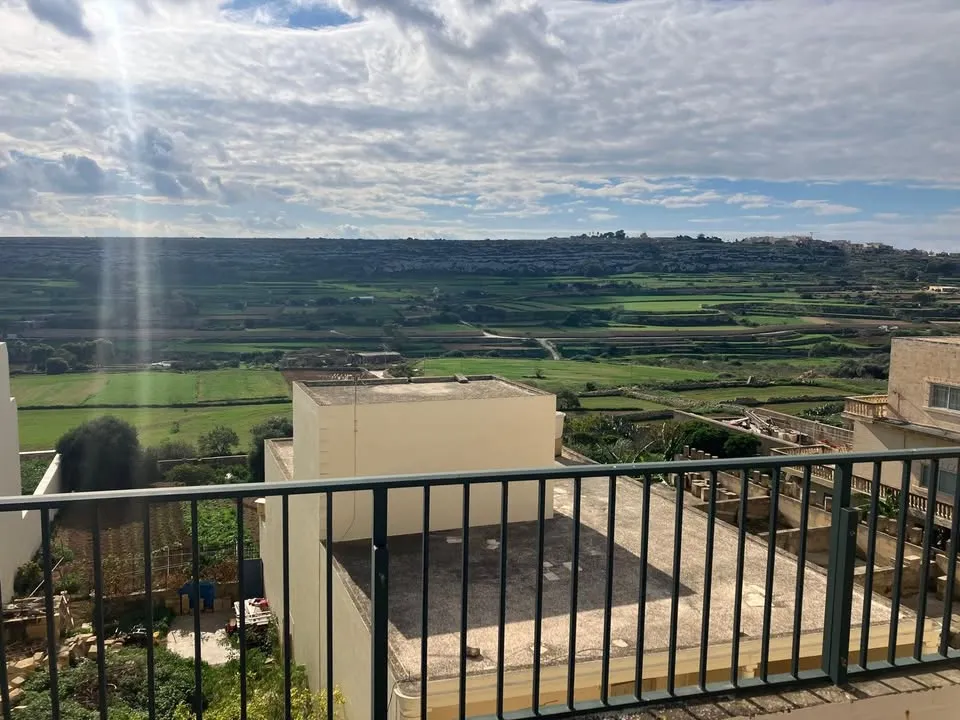
FOR RENT Xewkija, Gozo
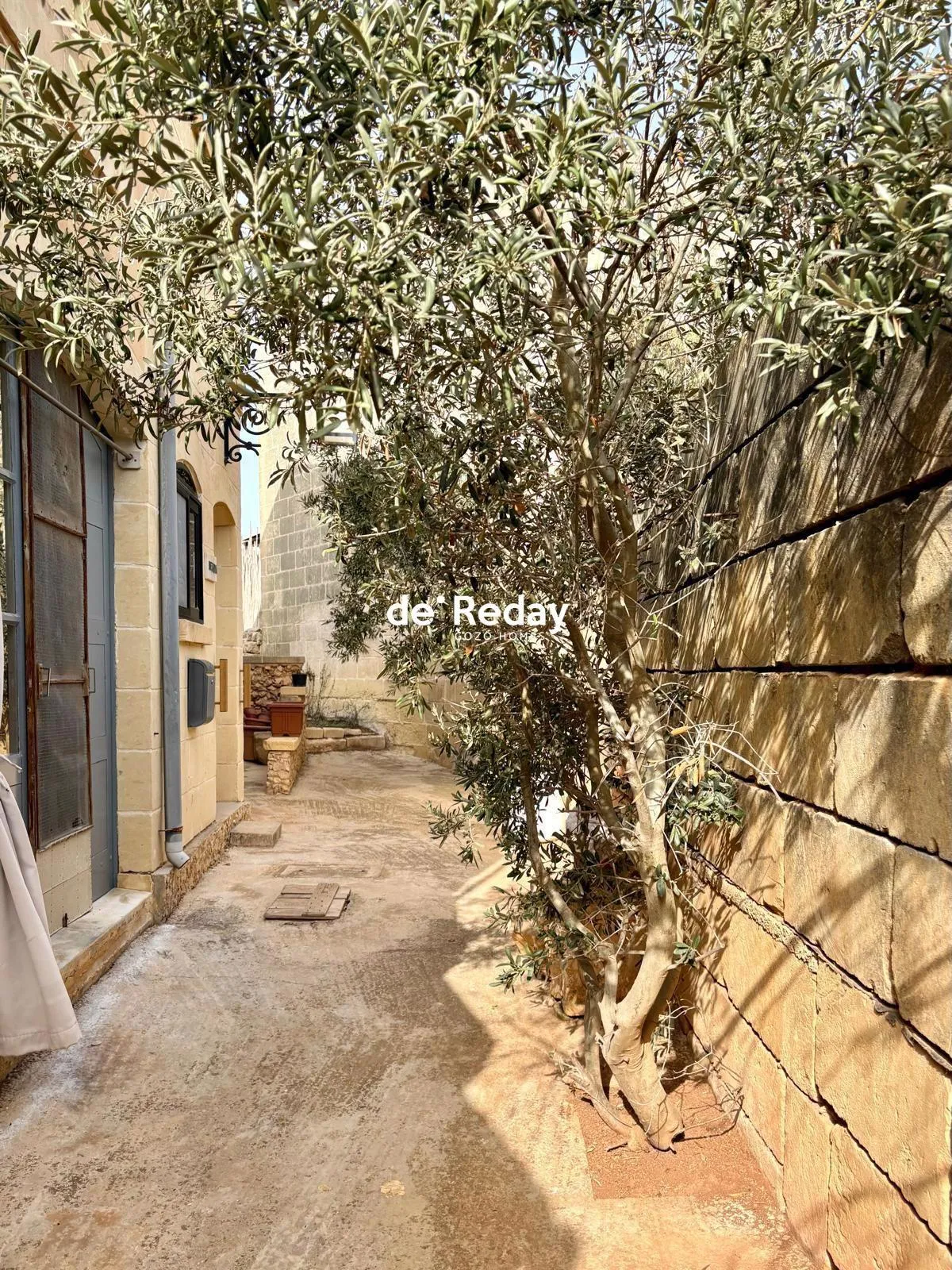
Charming House with Views