Gzira vs Rabat
Side-by-side comparison of property prices, lifestyle, and practical info to help you choose the right area.
Summary
Living in Gzira
Gzira sits in the sweet spot between Sliema and Valletta — close enough to both to benefit from their amenities, but with its own identity and a more residential pace of life. The seafront looks out at Manoel Island and the fortified walls of Valletta across the creek, giving Gzira some of the best free harbour views on the island. The town has been quietly gentrifying over the past decade. Once considered a budget alternative to Sliema, Gzira now has its own crop of modern apartment developments, a growing restaurant scene, and the Manoel Island project poised to transform the western end into a luxury residential and marina district. The seafront promenade connects seamlessly to Sliema's — residents can walk from Gzira to Sliema's commercial strip in ten minutes. Gzira appeals to a broad demographic: young professionals priced out of Sliema, students at the nearby University of Malta campus, and families who value the area's relative quiet and good schools. Property prices sit below Sliema but above the island average, and the rental market is strong due to the area's walkability and transport links.
Highlights
- Direct views of Valletta's bastions across the creek
- Manoel Island — pending luxury development
- Seamless seafront promenade connection to Sliema
- More affordable than Sliema with similar convenience
- Strong rental market driven by proximity to university and business districts
Living in Rabat
Rabat is Mdina's neighbour — where the Silent City's walls end, Rabat begins. But where Mdina is a museum piece, Rabat is a living town. The name means 'suburb' in Arabic, a reference to its origins as the residential quarter outside the old capital's walls. Today it's one of Malta's most characterful towns, with a mix of historic architecture, traditional village life, and a growing food scene that draws Maltese from across the island. The town is built on top of a network of catacombs — underground burial chambers dating back to Roman times. St. Paul's Catacombs, where the apostle is said to have sheltered after his shipwreck on Malta, are the most famous, but there are several sites open to visitors. Above ground, Rabat's narrow streets hide grand palazzos, wayside chapels, and the Domus Romana, a reconstructed Roman townhouse with some of the finest mosaics in the Mediterranean. Rabat offers a different pace of life from the coastal towns. Property is more affordable, streets are quieter, and there's a genuine village atmosphere that's disappearing from much of Malta. The trade-off is distance — Rabat sits inland, and reaching Sliema or Valletta takes 25–30 minutes by car. For some, that distance is exactly the point.
Highlights
- St. Paul's Catacombs — underground Roman burial chambers
- Adjacent to Mdina's city walls
- Growing restaurant and cafe scene
- More affordable property than coastal Malta
- Authentic Maltese village atmosphere
Lifestyle Comparison
Which Area Is Right For You?
Choose Gzira
Gzira comes out ahead in beaches, nightlife, transport .
Choose Rabat
Rabat comes out ahead in family, safety .
Frequently Asked Questions
Available Properties
Gzira (56 listings)
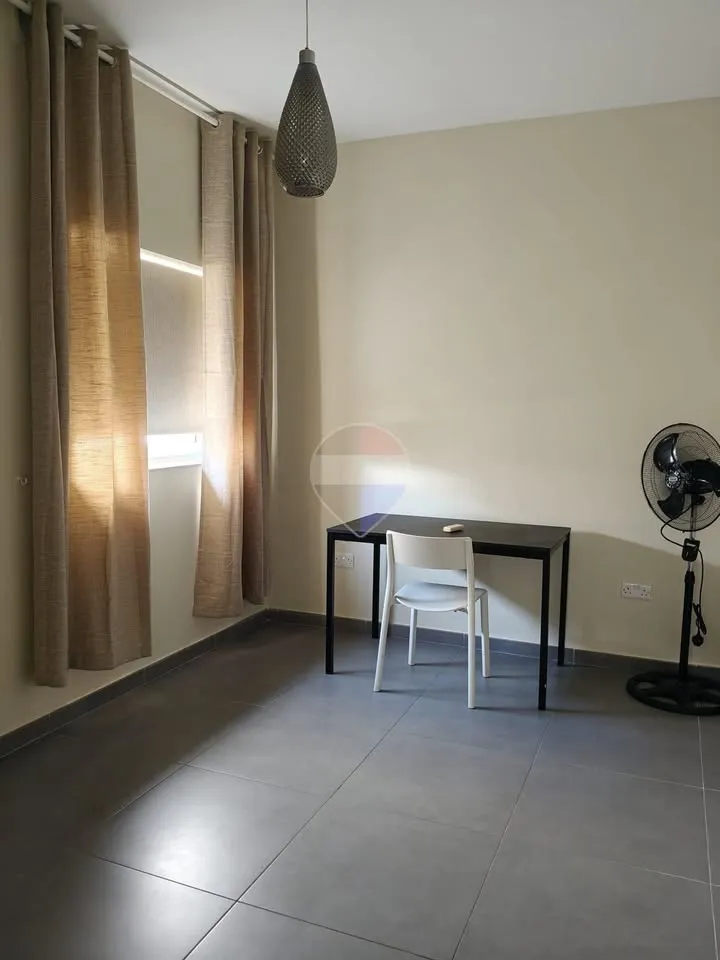
Bright and contemporary apartment in Gżira
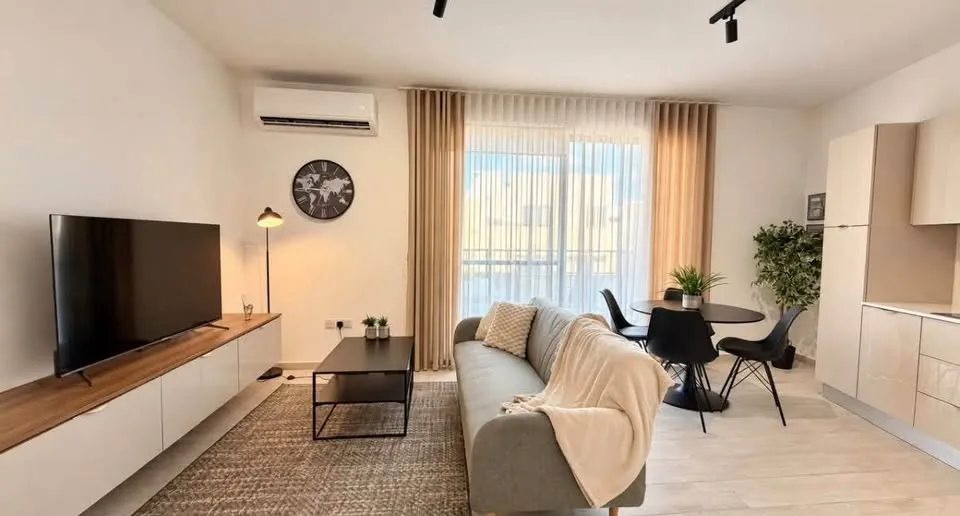
Apartment in Gżira
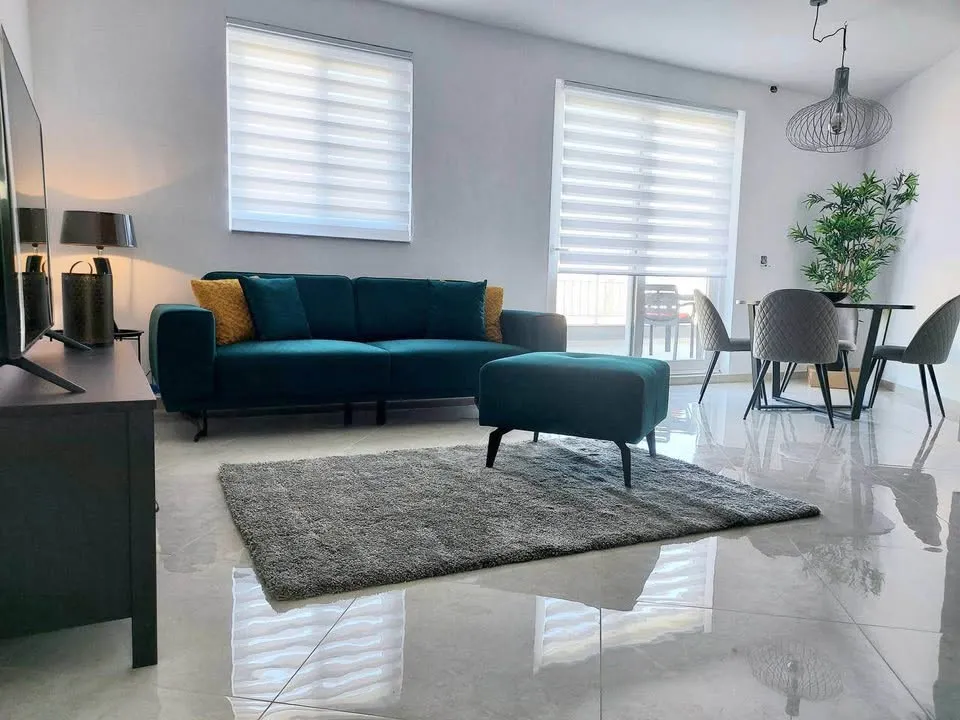
Gzira Ultra Modern Apartment
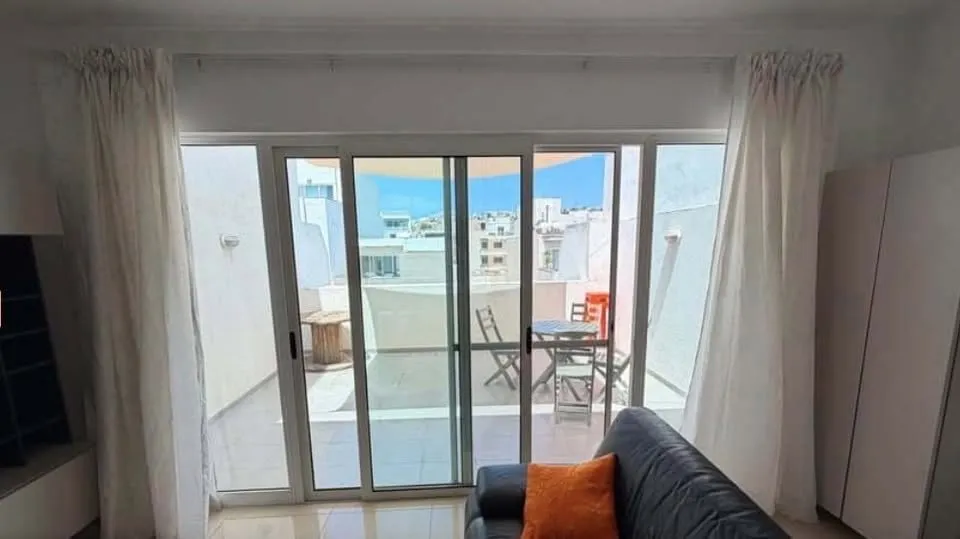
Gzira Modern Penthouse : * Pet Friendly
Rabat (9 listings)
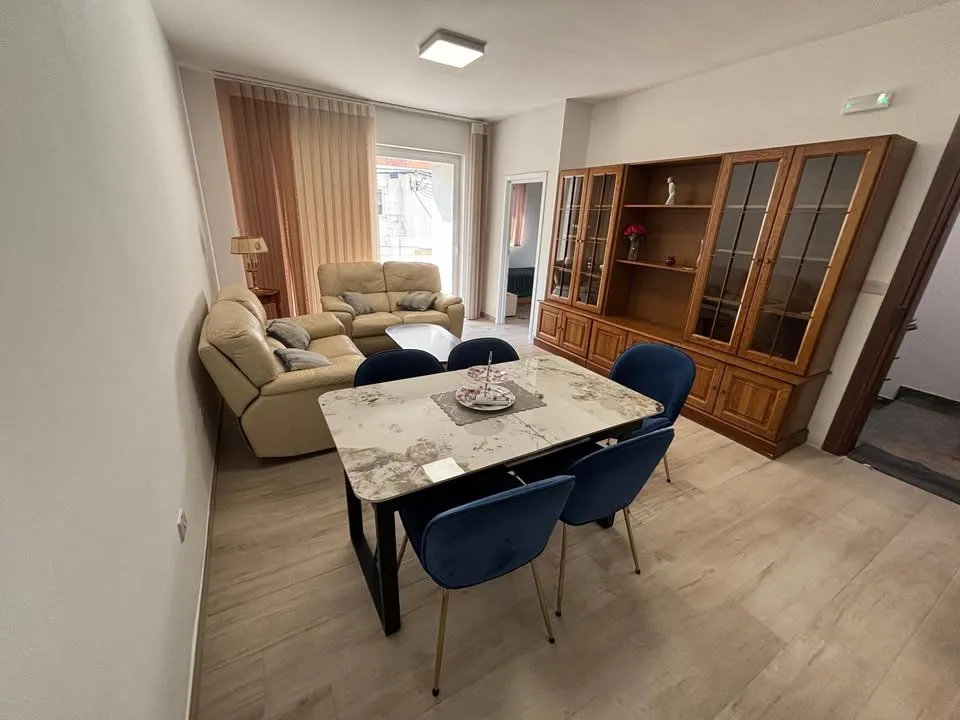
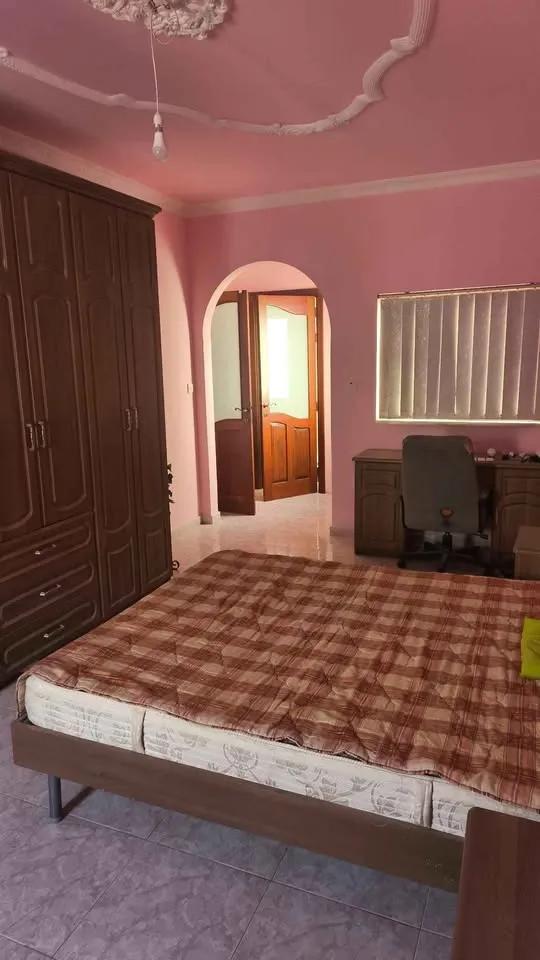
Brand new Property in RABAT
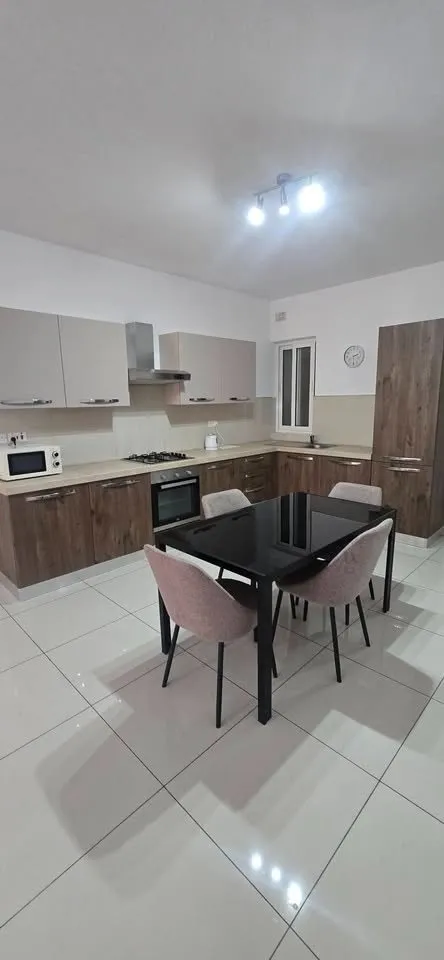
Bahrija Modern Apartment : Bargain!
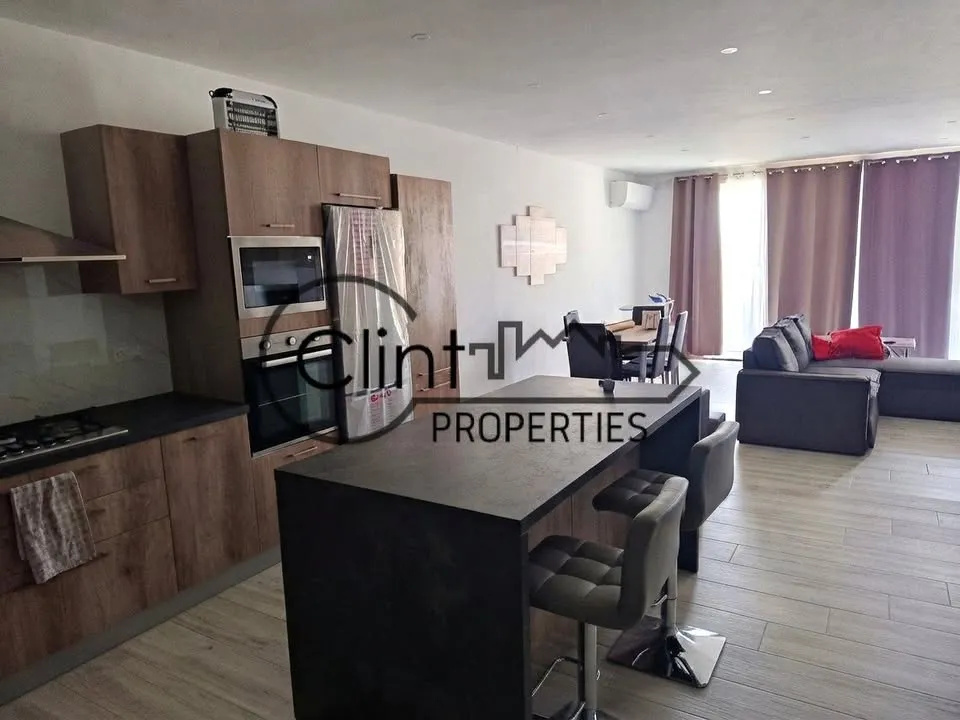
Three Bedroom Apartment in Rabat (Bahrija Area) for Rent