Lija vs St. Paul's Bay
Side-by-side comparison of property prices, lifestyle, and practical info to help you choose the right area.
Summary
Lija is better for families and luxury buyers seeking a prestigious, peaceful village lifestyle, while St. Paul's Bay suits budget buyers, retirees, and tourists wanting affordable coastal living.
Lija scores 9/10 for family-friendliness and safety against St. Paul's Bay's 8/10 in both categories, but St. Paul's Bay provides superior transport connectivity at 8/10 versus Lija's 6/10. Located 35 minutes apart by car, Lija sits inland near Malta's central corridor with bus routes 41, 42, 44, and 45 nearby, requiring a car for most daily needs. St. Paul's Bay offers direct buses to Valletta and sits 20 minutes from the Cirkewwa ferry terminal to Gozo. Both areas score 7/10 for beach access.
St. Paul's Bay accommodates 25,700 residents with extensive amenities including supermarkets, healthcare, schools, and waterfront dining at significantly lower property prices than the central region. Lija houses just 3,300 residents with perfectly preserved baroque architecture, citrus groves, and traditional limestone townhouses commanding premium prices. Property supply in Lija remains limited, while St. Paul's Bay offers variety from budget apartments to Wardija Heights villas.
Picture-perfect village with citrus heritage
Expansive northern coastal community
Living in Lija
Lija is the middle child of Malta's Three Villages — smaller than Attard, larger than Balzan, and arguably the most visually cohesive of the three. The village centre is a perfectly preserved ensemble of golden limestone buildings, a baroque church with an unusual oval dome, and a tree-lined square that hosts Malta's annual citrus festival each winter. The village has an agricultural soul that's still visible despite suburban encroachment. Orange and lemon groves survive in private gardens, and the Belvedere Orchard on the edge of town is one of the last working citrus farms in urban Malta. Lija's townhouses are among the most photographed in Malta — ornate facades with carved stone balconies, painted shutters, and flower-filled window boxes. Property in Lija commands a premium for its size and inland location. The village atmosphere, architectural quality, and prestige of the Three Villages address drive prices above Birkirkara and most of central Malta. It's a niche market — few properties come up for sale, and when they do, they sell to buyers who've been waiting for them.
Highlights
- Malta's most photogenic village square
- Annual citrus festival celebrating local heritage
- Beautifully preserved limestone townhouses
- Oval-domed baroque parish church
- Prestigious Three Villages address
Living in St. Paul's Bay
St. Paul's Bay is Malta's largest northern coastal town — a sprawling stretch of shoreline that encompasses the old fishing village of Xemxija, the tourist strips of Bugibba and Qawra, and the residential community of Burmarrad inland. According to the Bible, St. Paul was shipwrecked here in AD 60, an event that brought Christianity to Malta and gave the area its name. The town has grown explosively over the past two decades, transforming from a quiet seasonal resort into a year-round community of over 25,000 residents. Retired British expats, Maltese families priced out of the central coast, and a growing number of foreign workers have all settled here, drawn by coastal living at more manageable prices than Sliema or St. Julian's. The waterfront is the town's main asset — a long promenade connecting the old fisherman's quay to Bugibba's square to Qawra's rocky beaches. The Malta National Aquarium sits at the Bugibba end, and the Xemxija Heritage Walk traces ancient cart ruts and Roman roads into the hills. Properties range from modern seafront apartments to older terraced houses inland, with prices significantly below the central coast.
Highlights
- Malta's largest coastal town by population
- Biblical shipwreck site of St. Paul
- Malta National Aquarium at Bugibba
- Rocky beaches and coastal promenade
- More affordable than the central coast
Lifestyle Comparison
Which Area Is Right For You?
Choose Lija
Lija comes out ahead in dining, family, safety .
Choose St. Paul's Bay
St. Paul's Bay comes out ahead in nightlife, transport .
Frequently Asked Questions
Available Properties
Lija (1 listings)
View all Lija properties
St. Paul's Bay (50 listings)
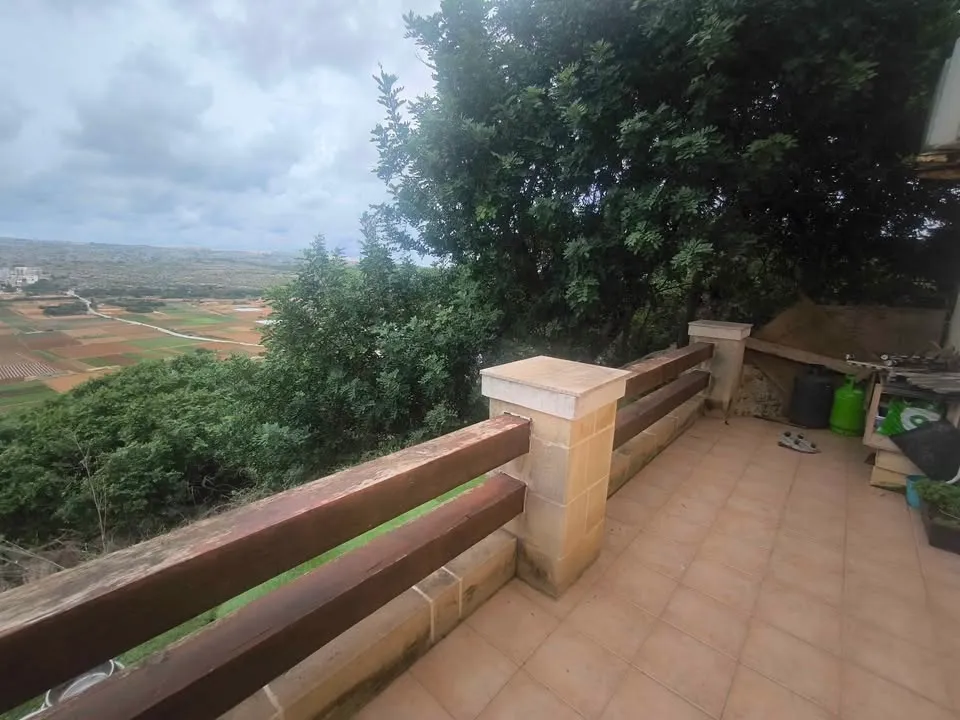
Tuffieha Farm House in San Pawl il-Baħar
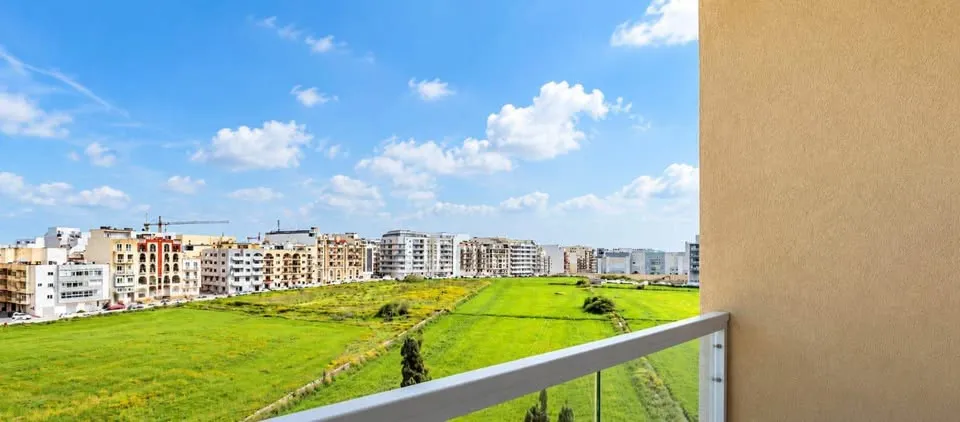
Brand-new 2-bedroom apartment in Qawra
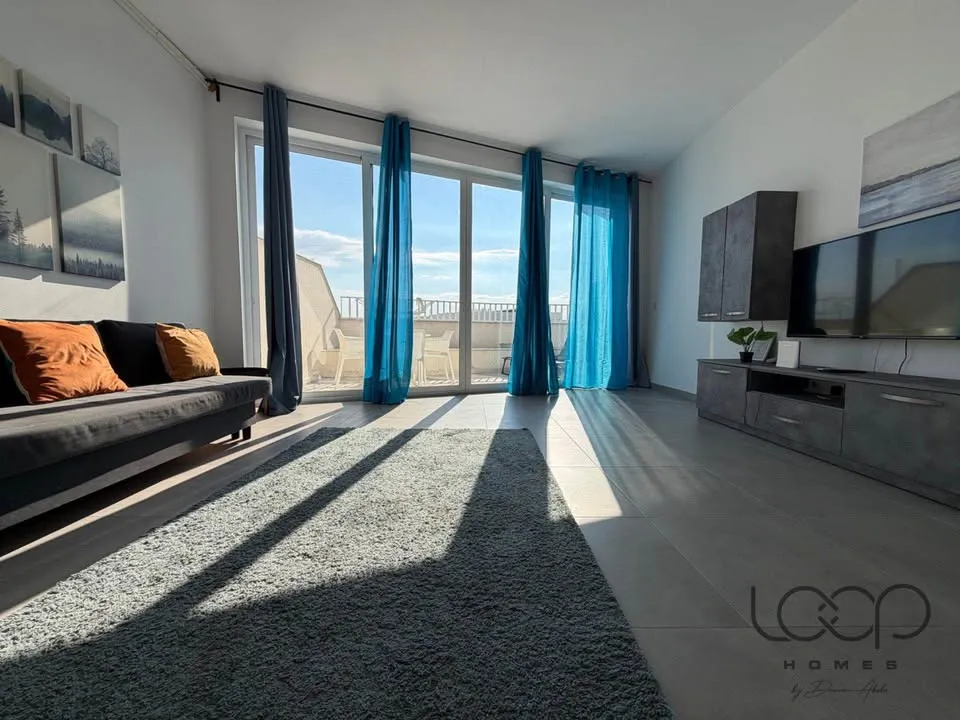
Modern 2 Bedroom Penthouse in Qawra/San Pawl il-Baħar