Marsaskala vs Msida
Side-by-side comparison of property prices, lifestyle, and practical info to help you choose the right area.
Summary
Marsaskala scores 8/10 for family suitability and 7/10 for beaches, featuring a sheltered bay with calm waters and cliff-top walking trails. Property prices are significantly more affordable than Sliema and central Malta. Bus routes 81, 82, and 85 connect to Valletta in 25–35 minutes, and Malta International Airport is a 15-minute drive. The town suits families and beach lovers seeking a relaxed, community-oriented lifestyle with less tourist density than northern resorts. Seasonal business closures and limited nightlife (5/10) are trade-offs.
Msida rates 10/10 for transport, operating as a major bus interchange with routes 41, 42, 44, 45 and many others providing direct links across Malta. The University of Malta's 12,000 students drive a strong rental market, making it ideal for students and young professionals. Property is more affordable than neighbouring Sliema and Gzira. The Sliema ferry is 10 minutes away by bus, and the airport is 15 minutes by car with direct bus routes. Parking is extremely difficult, and the area scores just 2/10 for beaches. With a population of 9,500, Msida prioritises connectivity and convenience over coastal charm.
Living in Marsaskala
Marsaskala is Malta's southeastern seaside town — a former fishing village that grew into a residential community with a seafront promenade, a string of restaurants, and a loyal local following. The name means 'Siqalli's harbour' in Arabic, a reference to a Sicilian merchant who once operated from the bay, and fishing boats still bob in the harbour alongside pleasure craft. The town wraps around a sheltered bay, with a promenade that runs the length of the waterfront connecting restaurants, cafes, and swimming spots. St. Thomas Bay, on the eastern edge, is one of Malta's quieter swimming areas — a stretch of sand and rocks with shallow water that's popular with families. The surrounding coastline is rugged and undeveloped compared to the northern resorts, with walking trails along the cliff tops toward Zonqor Point. Marsaskala has become increasingly popular with young families and first-time buyers priced out of the central and northern coast. Property here is significantly more affordable than Sliema or St. Julian's, and you get the seafront lifestyle without the premium. The town has all essential amenities — supermarkets, pharmacies, schools — but lacks the commercial density of larger towns. A car is recommended for commuting, though buses connect to Valletta in about 30 minutes.
Highlights
- Sheltered bay with fishing boats and waterfront restaurants
- St. Thomas Bay — quieter swimming beach
- Significantly more affordable than northern coastal areas
- Growing family-oriented community
- Cliff-top walking trails along undeveloped coastline
Living in Msida
Msida is a compact harbour-side town that serves as one of Malta's key transport nodes — the junction where routes from the north, south, and centre converge on their way to Valletta. The University of Malta campus sits at the top of the hill, making Msida the natural base for Malta's 12,000-strong student population. The town clusters around a small marina and a busy junction that's both Msida's lifeblood and its curse — it connects everything but traffic backs up at peak hours to legendary proportions. A flood relief project recently converted the main road from a chronic flooding zone (Msida sits at the bottom of a natural valley) into a more manageable thoroughfare, though the town still feels more functional than charming. Property in Msida is driven by student demand. Rental apartments near the university command consistent yields, and the area is popular with young professionals who work in the nearby hospital or in Valletta. Prices sit below Sliema and Gzira but above the southern towns. It's a practical choice — not a lifestyle one.
Highlights
- University of Malta campus
- Strong student rental market
- Key transport junction for the whole island
- Marina and waterfront
- More affordable than Sliema and Gzira
Lifestyle Comparison
Which Area Is Right For You?
Choose Marsaskala
Marsaskala comes out ahead in family, safety, beaches .
Choose Msida
Msida comes out ahead in nightlife, transport .
Frequently Asked Questions
Available Properties
Marsaskala (13 listings)
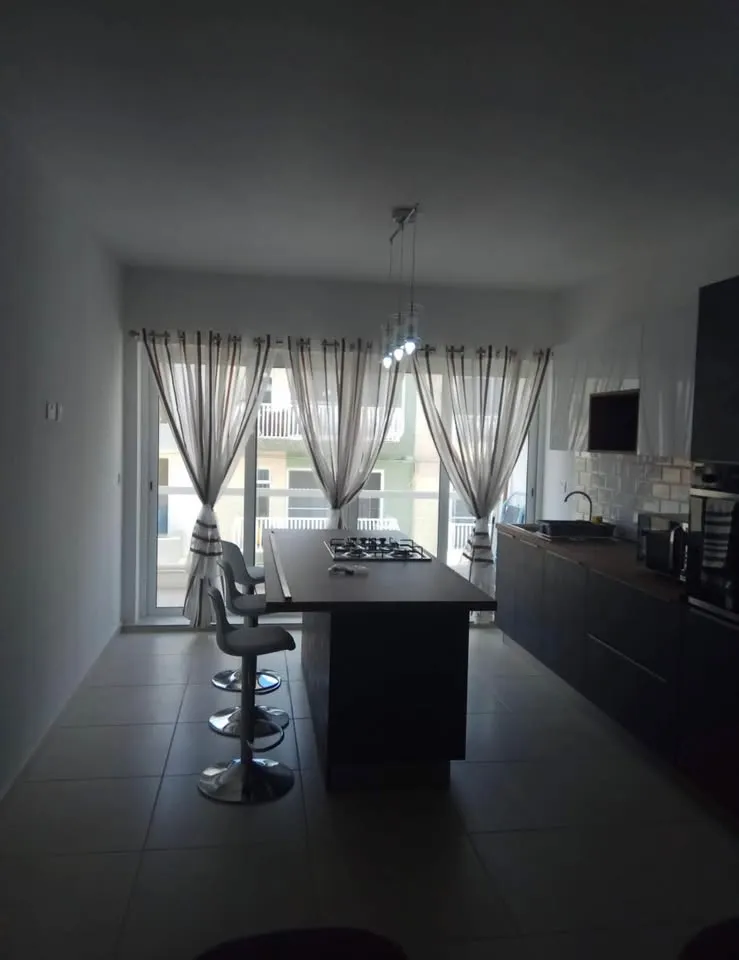
2-Bedroom Apartment for Rent in Marsaskala
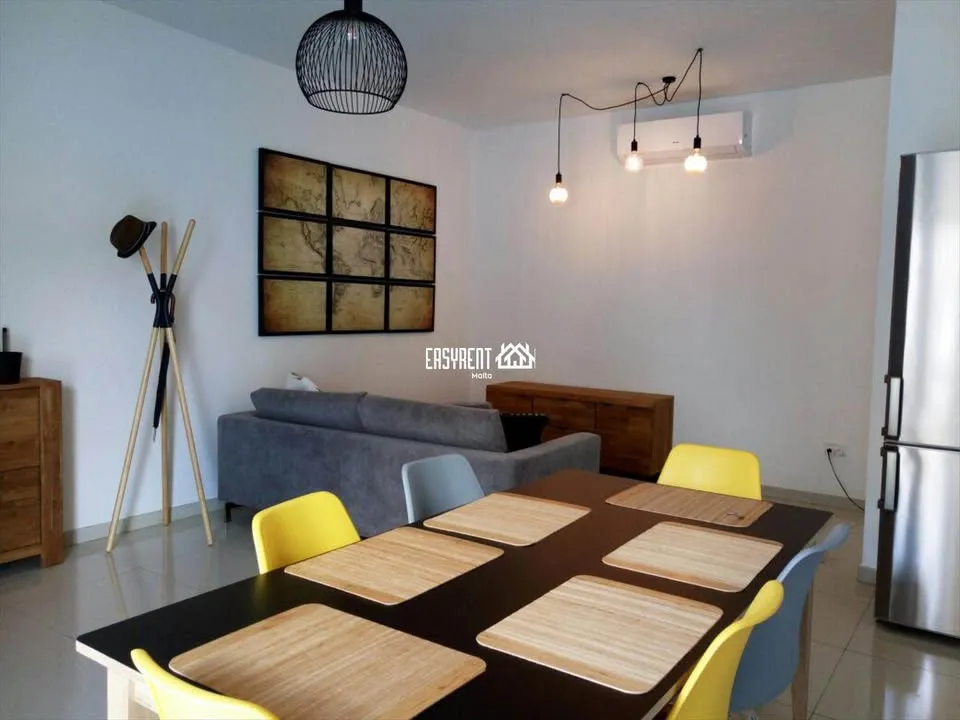
Marsaskala | 3-Bedroom Maisonette for Rent
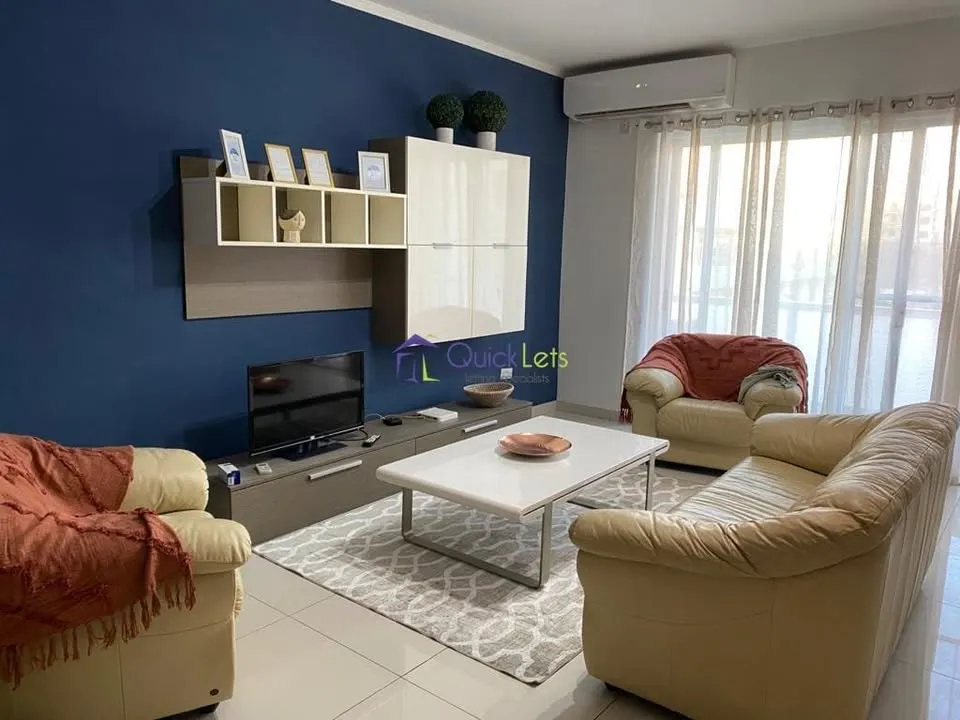
3 Bedroom House in Marsaskala
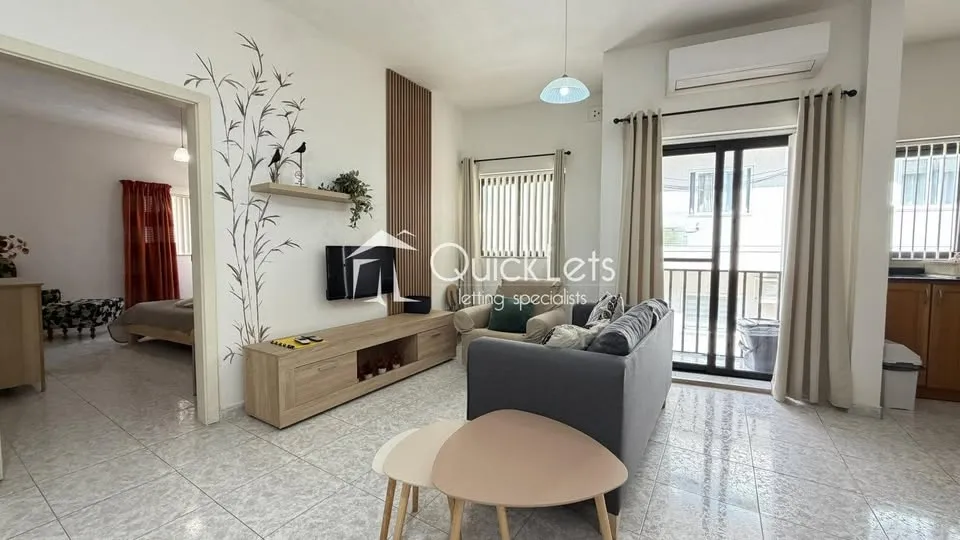
2 bedroom apartment in Marsaskala
Msida (45 listings)
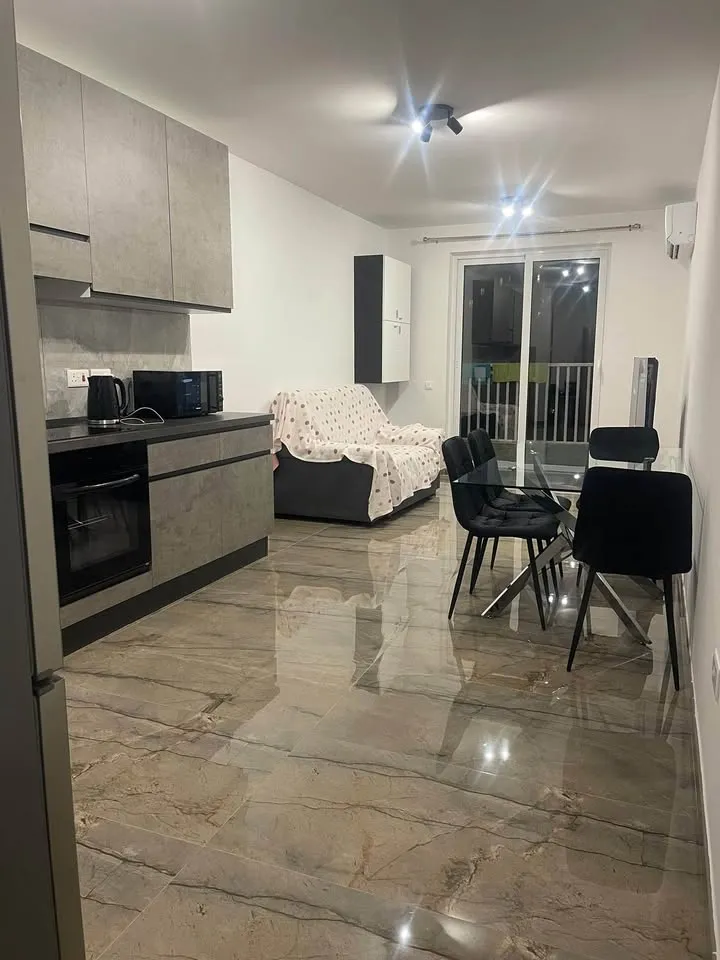
Apartment in Msida
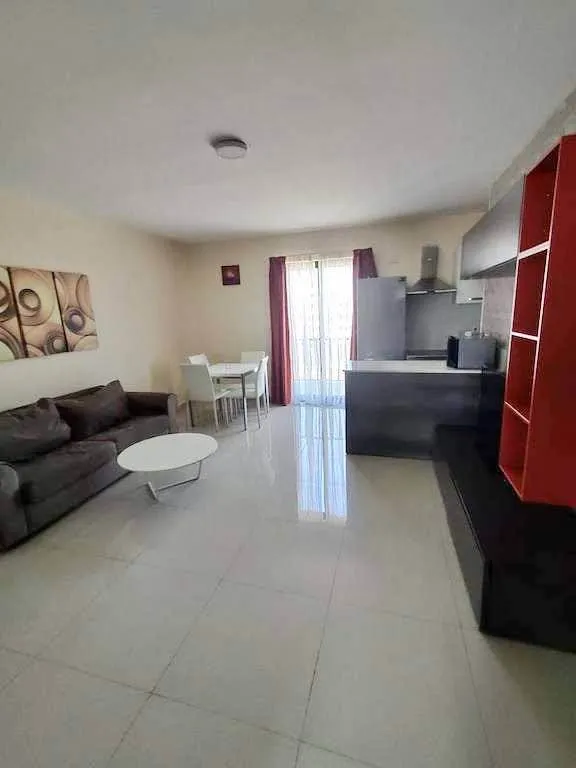
Msida Modern Apartment in a Great Location
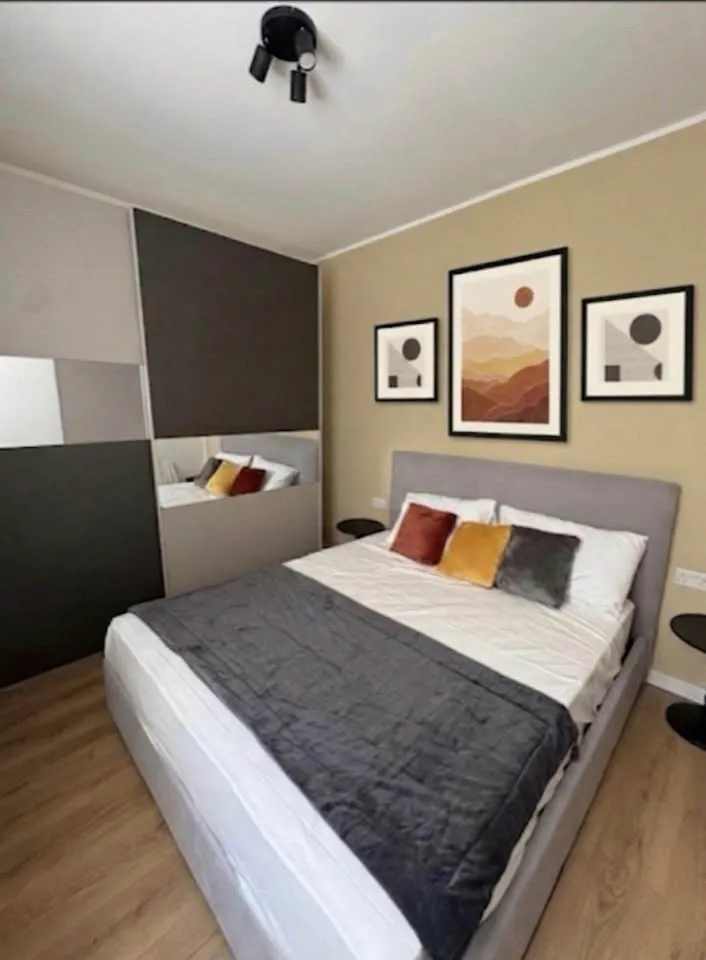
Msida brand new 2 Bed apartment