Marsaskala vs Santa Venera
Side-by-side comparison of property prices, lifestyle, and practical info to help you choose the right area.
Summary
Marsaskala is better for families wanting coastal living and beach access, while Santa Venera suits budget buyers who prioritise transport links and proximity to central Malta. Marsaskala scores higher for beaches (7/10) and dining (6/10), with a sheltered bay and seafront restaurants. Santa Venera rates 10/10 for transport — the highest in Malta — with bus routes reaching Valletta in 10 minutes and the airport in 15 minutes by car. Both towns are affordable, but Santa Venera offers quicker commuting to business hubs like Msida and Gzira without transfers.
Marsaskala's bus connections to Valletta take 25–35 minutes, and reaching Sliema or St. Julian's requires a car. Santa Venera has no sea access and limited nightlife (3/10), scoring just 3/10 for beaches. Marsaskala rates 8/10 for family life compared to Santa Venera's 7/10, though Santa Venera is walking distance to the University of Malta and Mater Dei Hospital. Marsaskala's population of 14,700 supports more year-round amenities, while Santa Venera's 7,000 residents have quieter streets but fewer dining and shopping options.
Living in Marsaskala
Marsaskala is Malta's southeastern seaside town — a former fishing village that grew into a residential community with a seafront promenade, a string of restaurants, and a loyal local following. The name means 'Siqalli's harbour' in Arabic, a reference to a Sicilian merchant who once operated from the bay, and fishing boats still bob in the harbour alongside pleasure craft. The town wraps around a sheltered bay, with a promenade that runs the length of the waterfront connecting restaurants, cafes, and swimming spots. St. Thomas Bay, on the eastern edge, is one of Malta's quieter swimming areas — a stretch of sand and rocks with shallow water that's popular with families. The surrounding coastline is rugged and undeveloped compared to the northern resorts, with walking trails along the cliff tops toward Zonqor Point. Marsaskala has become increasingly popular with young families and first-time buyers priced out of the central and northern coast. Property here is significantly more affordable than Sliema or St. Julian's, and you get the seafront lifestyle without the premium. The town has all essential amenities — supermarkets, pharmacies, schools — but lacks the commercial density of larger towns. A car is recommended for commuting, though buses connect to Valletta in about 30 minutes.
Highlights
- Sheltered bay with fishing boats and waterfront restaurants
- St. Thomas Bay — quieter swimming beach
- Significantly more affordable than northern coastal areas
- Growing family-oriented community
- Cliff-top walking trails along undeveloped coastline
Living in Santa Venera
Santa Venera is a small residential town wedged between Hamrun, Birkirkara, and Msida — a transitional locality that sits at the junction of several major roads. It's named after a wayside chapel dedicated to St. Venera, a early Christian martyr whose cult spread to Malta from Sicily. The town's most distinctive landmark is the Wignacourt Aqueduct — a 17th-century stone water channel that runs through the centre of Santa Venera, carrying water from the Rabat springs to Valletta. Sections of the aqueduct are remarkably well-preserved and form an imposing stone archway over the main road. The aqueduct is one of the most photographed non-church structures in Malta. Property in Santa Venera is affordable and practical. The central location puts Birkirkara, Hamrun, and Msida all within walking distance, and the transport connections are excellent. It's a functional choice for commuters who want centrality without the price tag.
Highlights
- Wignacourt Aqueduct — 17th-century stone archway through the town
- Junction location connecting major roads
- Walking distance to Birkirkara, Hamrun, and Msida
- Affordable property with excellent transport links
- One of Malta's most photographed non-church landmarks
Lifestyle Comparison
Which Area Is Right For You?
Choose Marsaskala
Marsaskala comes out ahead in dining, family, safety, beaches, nightlife .
Choose Santa Venera
Santa Venera comes out ahead in transport .
Frequently Asked Questions
Available Properties
Marsaskala (13 listings)
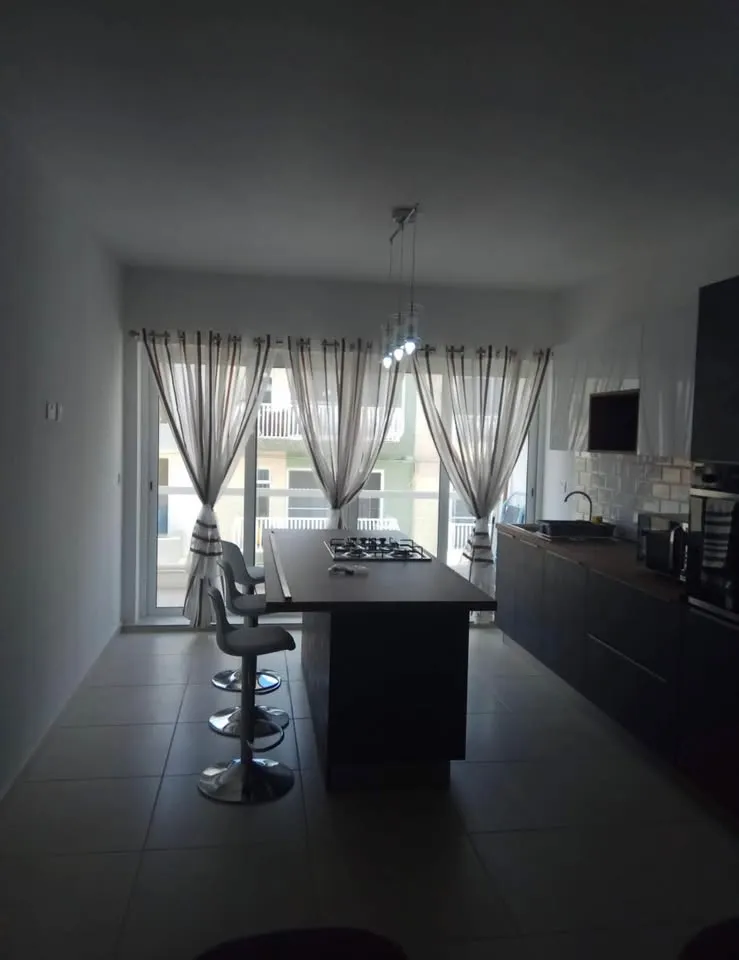
2-Bedroom Apartment for Rent in Marsaskala
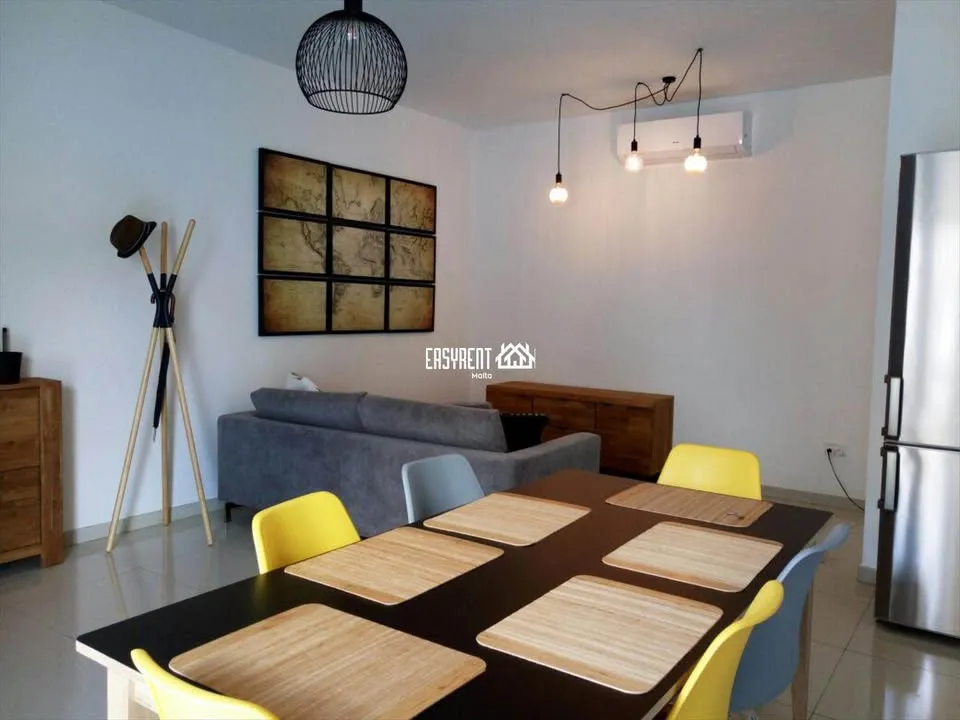
Marsaskala | 3-Bedroom Maisonette for Rent
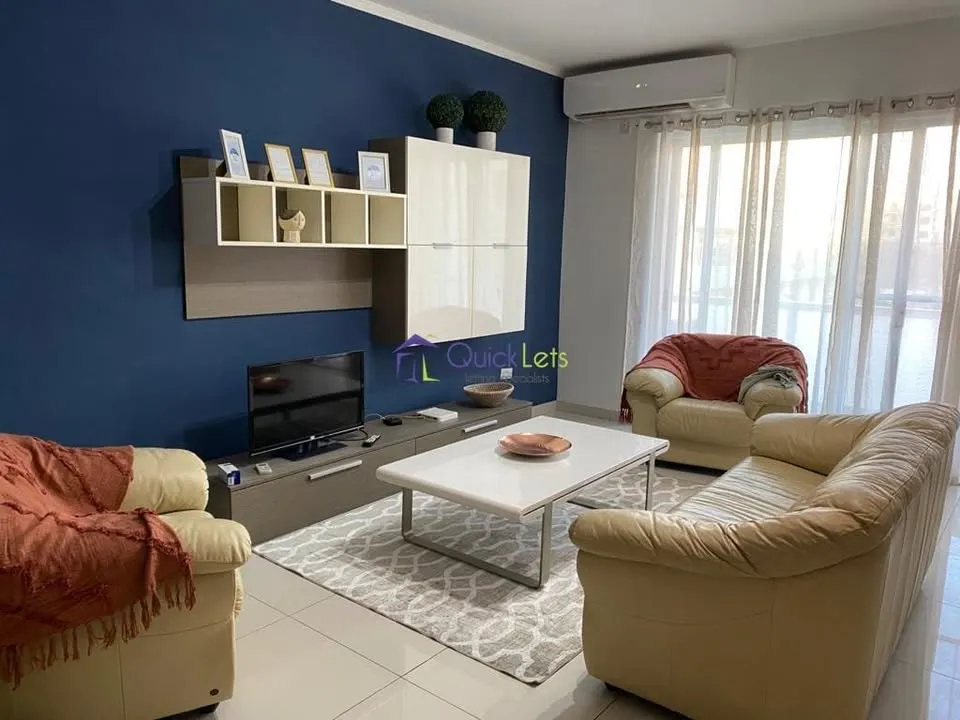
3 Bedroom House in Marsaskala
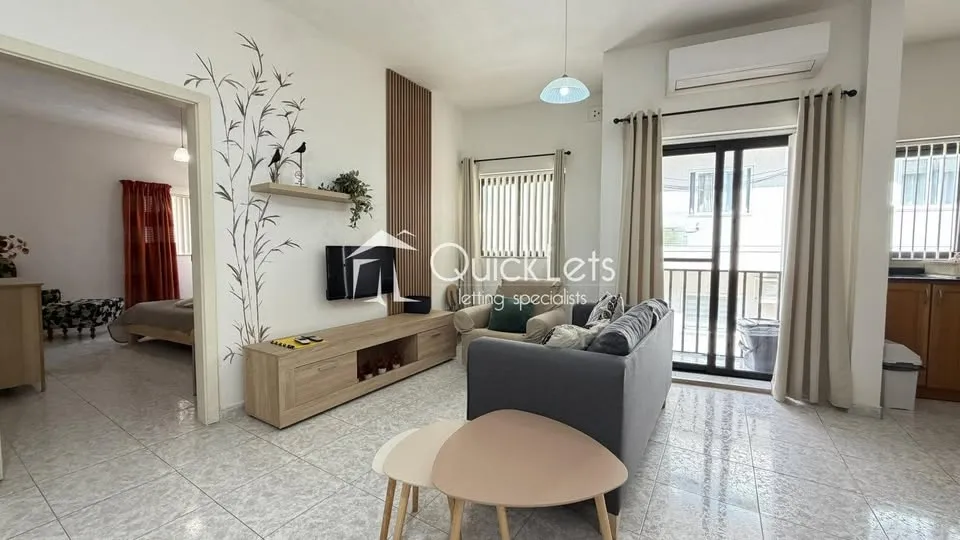
2 bedroom apartment in Marsaskala
Santa Venera (8 listings)
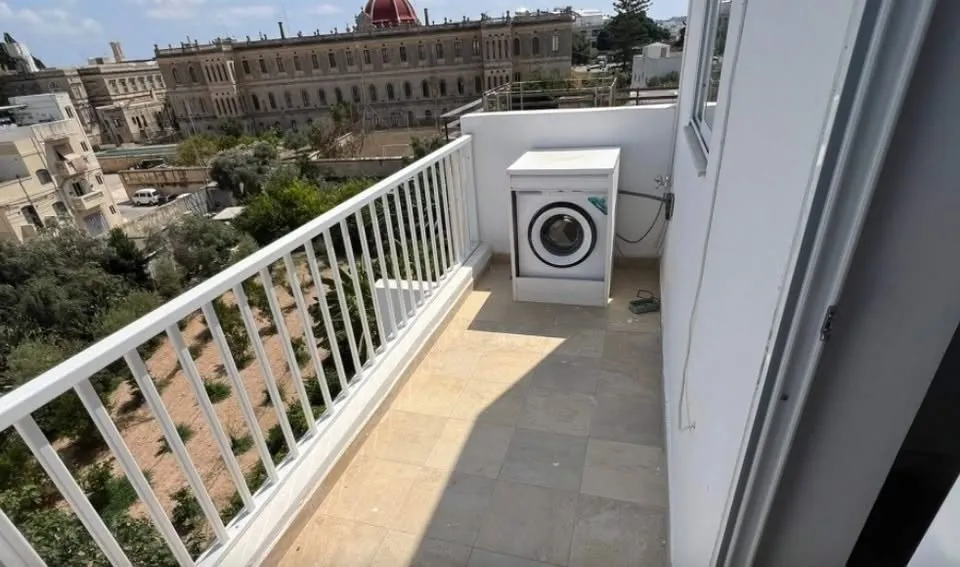
St Venera Modern Penthouse
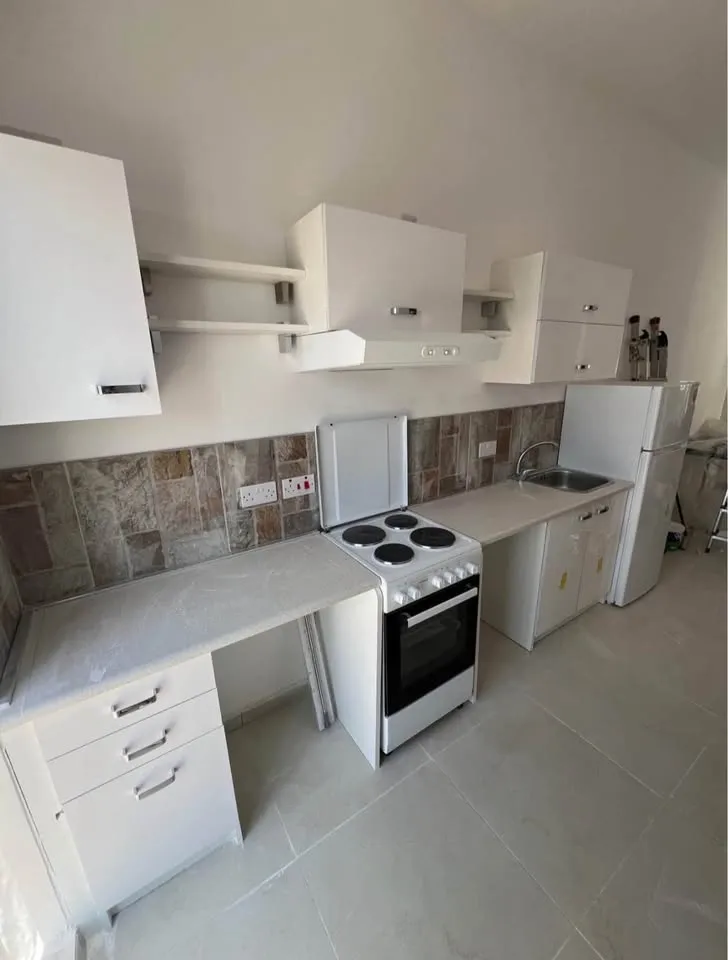
Brand new Apartment Sleeps 3/4 In St Venera
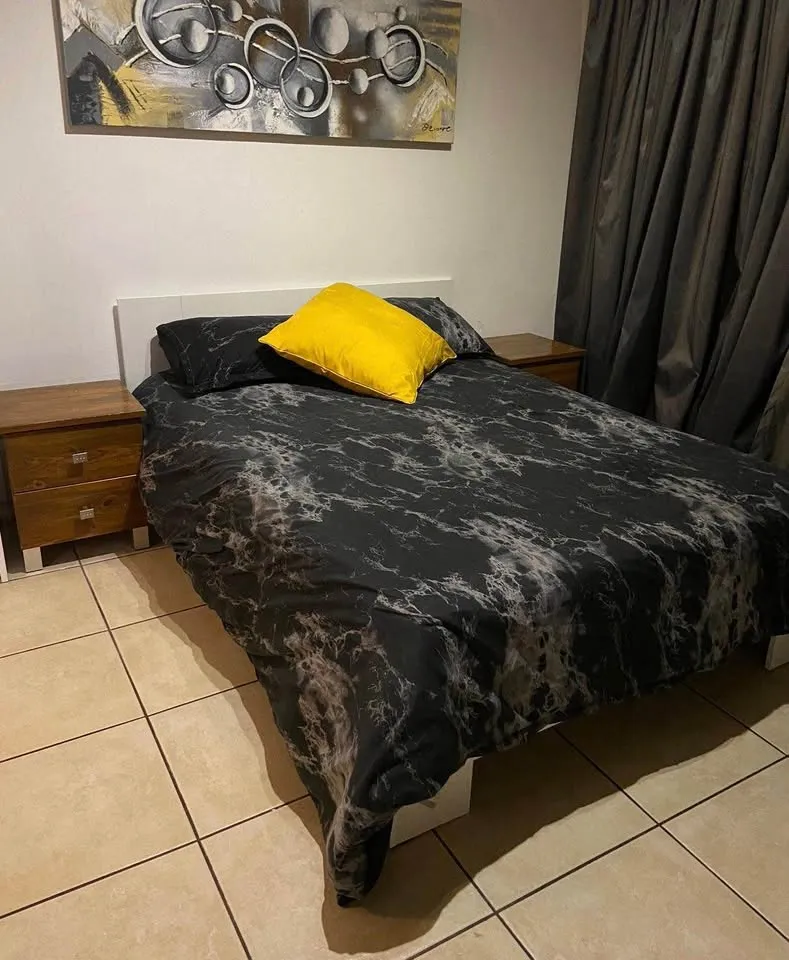
To Rent | Santa Venera