Marsaxlokk vs Rabat
Side-by-side comparison of property prices, lifestyle, and practical info to help you choose the right area.
Summary
Marsaxlokk, a traditional fishing village of 4,100 residents, sits on Malta's southern coast just 15 minutes from Malta International Airport by car. It scores 9/10 for dining and 8/10 for beaches, with direct harbour access and the island's famous Sunday fish market. However, reaching Valletta takes 30-40 minutes by bus on routes 81, 82, or 85, and infrequent service makes a car essential. The village rates only 2/10 for nightlife and experiences the hot xlokk wind during summer months.
Rabat, an inland town of 11,800 residents neighbouring Mdina, offers property prices 20-30% lower than coastal areas. It scores 8/10 for family suitability and 8/10 for safety, with rich historical surroundings including Roman catacombs and medieval architecture. Beach access requires a 15-20 minute drive, and the commute to Valletta takes 25-30 minutes by car or bus on routes 51 and 52. Rabat has limited nightlife (3/10) and no sea views, but provides excellent parking, quiet residential streets, and a growing restaurant scene.
Living in Marsaxlokk
Marsaxlokk is Malta's most photographed fishing village — a crescent harbour filled with traditional luzzu boats painted in bright blues, reds, and yellows, each bearing the Eye of Osiris on the bow to ward off evil. The Sunday fish market draws visitors from across the island, and waterfront restaurants serve the freshest seafood in Malta directly off the boats. Despite its tourist appeal, Marsaxlokk remains a working fishing port. It's the largest fishing harbour in Malta, and the community of full-time fishermen who operate from here are among the last traditional seafarers on the island. The village clusters around the harbour in a single sweep of pastel-coloured houses, backed by low hills that shelter the bay from prevailing winds. Living in Marsaxlokk is a lifestyle choice rather than a practical one. Properties are predominantly traditional village houses, and the pace of life is slow. Tourists flood the waterfront on Sundays but the village is quiet the rest of the week. The south-facing position means Marsaxlokk gets the full Mediterranean sun but is exposed to the hot, humid xlokk wind that gives the village its name.
Highlights
- Colourful luzzu fishing boats with Eyes of Osiris
- Famous Sunday fish market
- Best seafood restaurants in Malta
- Working fishing harbour — not just tourist scenery
- Classic Mediterranean village atmosphere
Living in Rabat
Rabat is Mdina's neighbour — where the Silent City's walls end, Rabat begins. But where Mdina is a museum piece, Rabat is a living town. The name means 'suburb' in Arabic, a reference to its origins as the residential quarter outside the old capital's walls. Today it's one of Malta's most characterful towns, with a mix of historic architecture, traditional village life, and a growing food scene that draws Maltese from across the island. The town is built on top of a network of catacombs — underground burial chambers dating back to Roman times. St. Paul's Catacombs, where the apostle is said to have sheltered after his shipwreck on Malta, are the most famous, but there are several sites open to visitors. Above ground, Rabat's narrow streets hide grand palazzos, wayside chapels, and the Domus Romana, a reconstructed Roman townhouse with some of the finest mosaics in the Mediterranean. Rabat offers a different pace of life from the coastal towns. Property is more affordable, streets are quieter, and there's a genuine village atmosphere that's disappearing from much of Malta. The trade-off is distance — Rabat sits inland, and reaching Sliema or Valletta takes 25–30 minutes by car. For some, that distance is exactly the point.
Highlights
- St. Paul's Catacombs — underground Roman burial chambers
- Adjacent to Mdina's city walls
- Growing restaurant and cafe scene
- More affordable property than coastal Malta
- Authentic Maltese village atmosphere
Lifestyle Comparison
Which Area Is Right For You?
Choose Marsaxlokk
Marsaxlokk comes out ahead in dining, beaches .
Choose Rabat
Rabat comes out ahead in family, nightlife, transport .
Frequently Asked Questions
Available Properties
Marsaxlokk (5 listings)
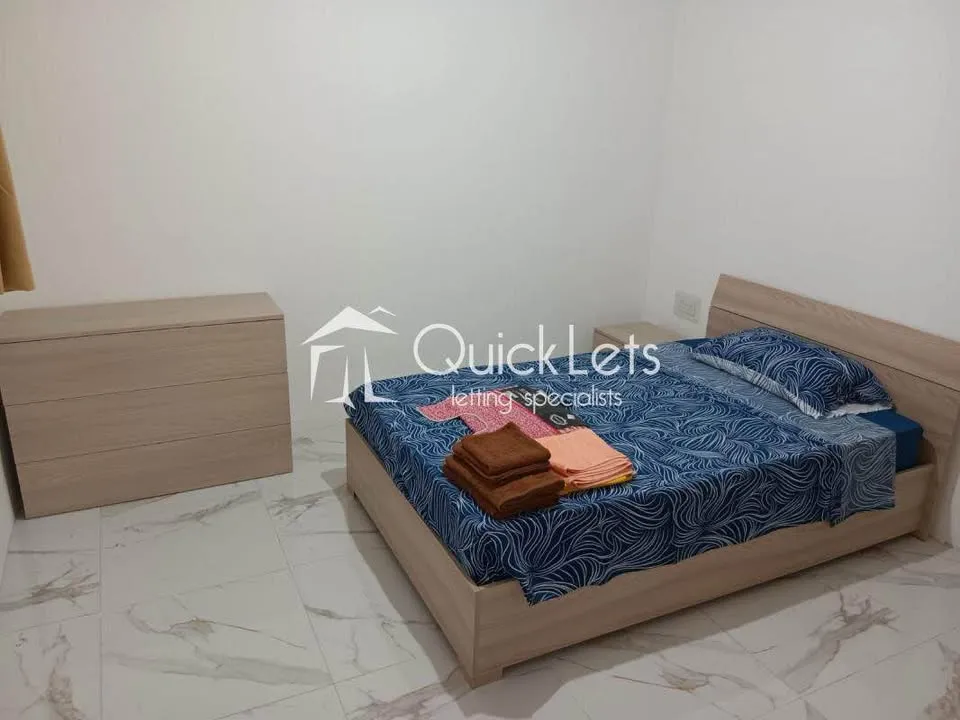
Apartment in Marsaxlokk
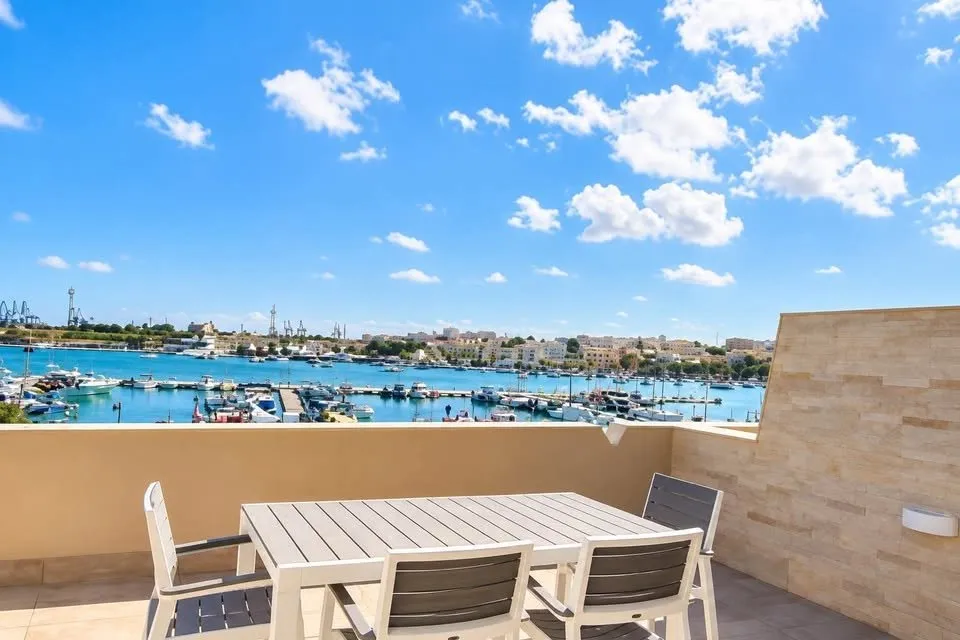
MARSAXLOKK | SEAFRONT PENTHOUSE
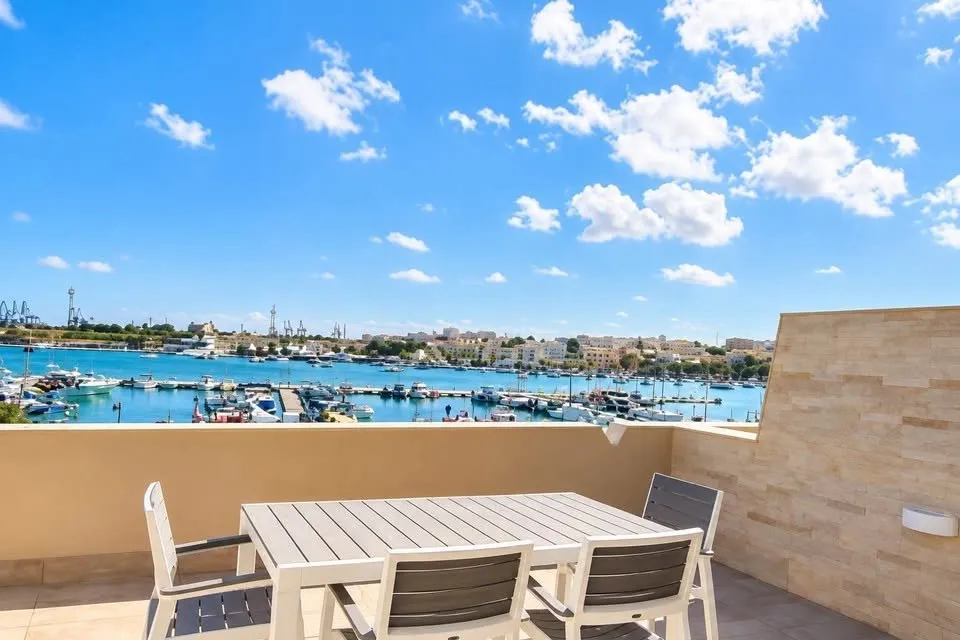
MARSAXLOKK SEAFRONT PENTHOUSE
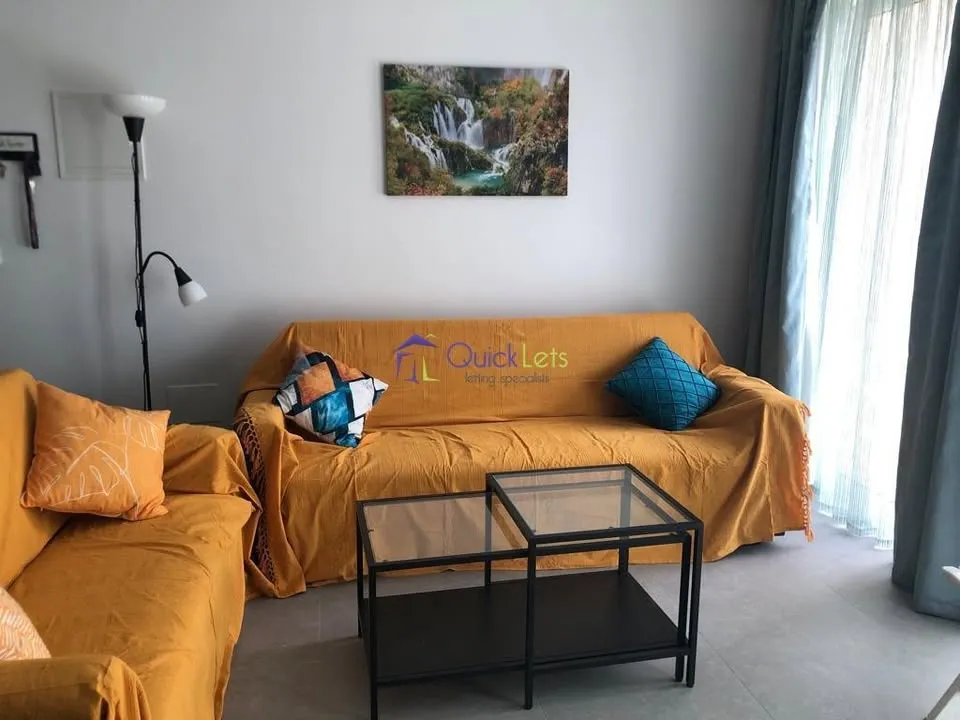
2-Bedroom, 2-Bathroom Apartment in Marsaxlokk
Rabat (9 listings)
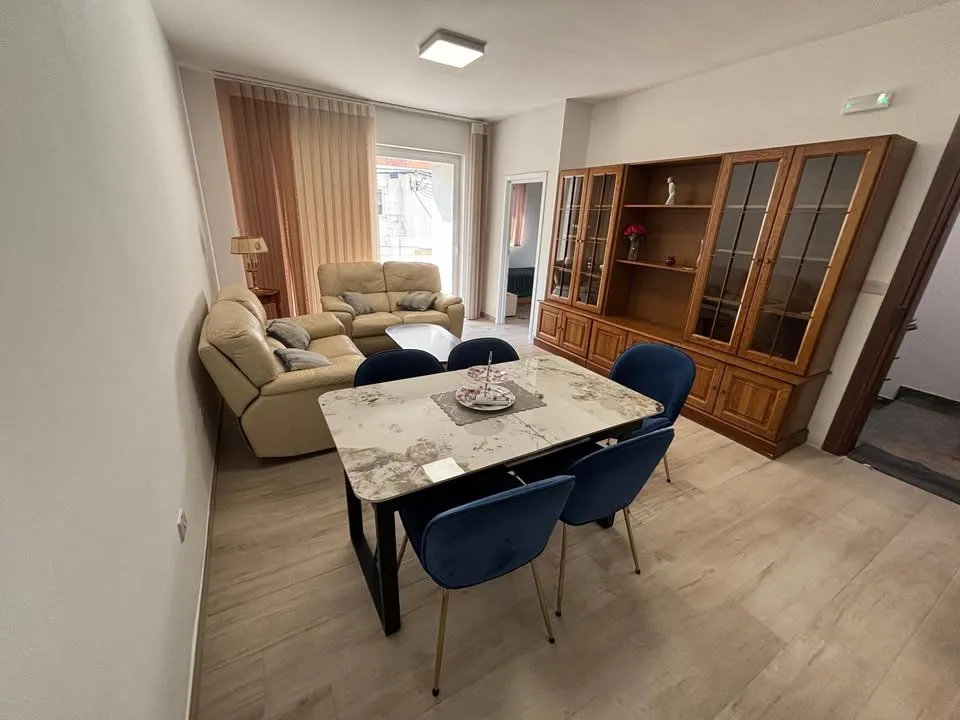
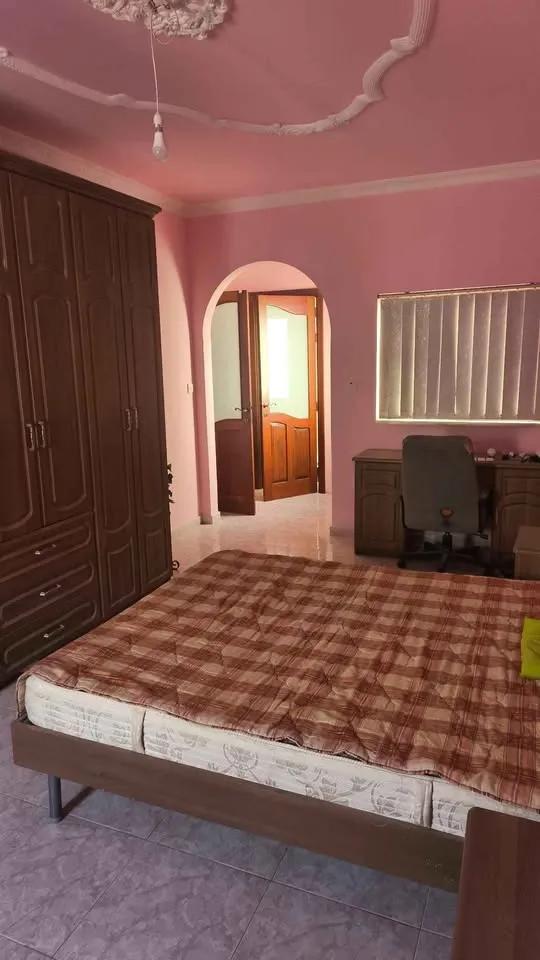
Brand new Property in RABAT
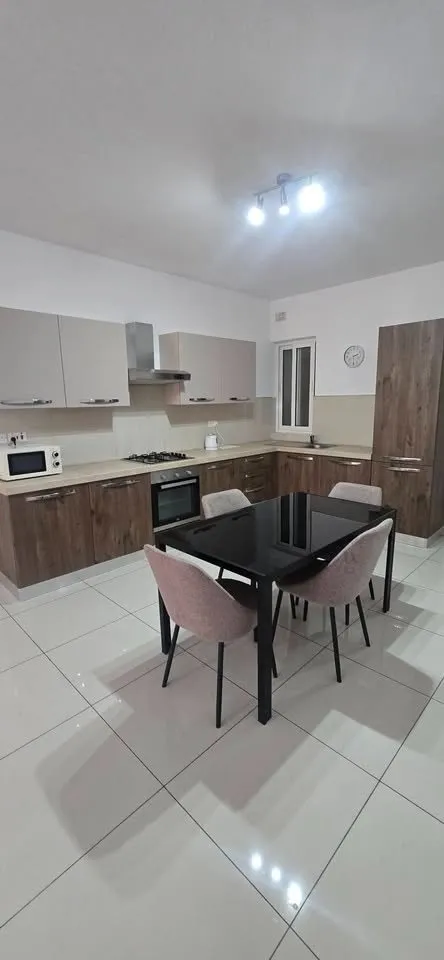
Bahrija Modern Apartment : Bargain!
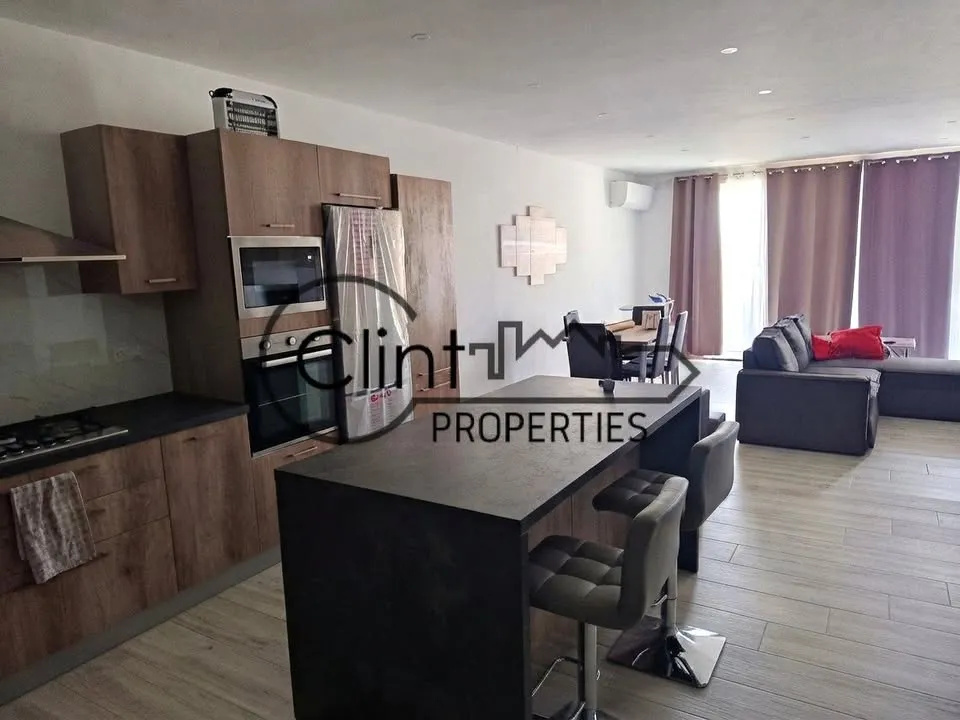
Three Bedroom Apartment in Rabat (Bahrija Area) for Rent