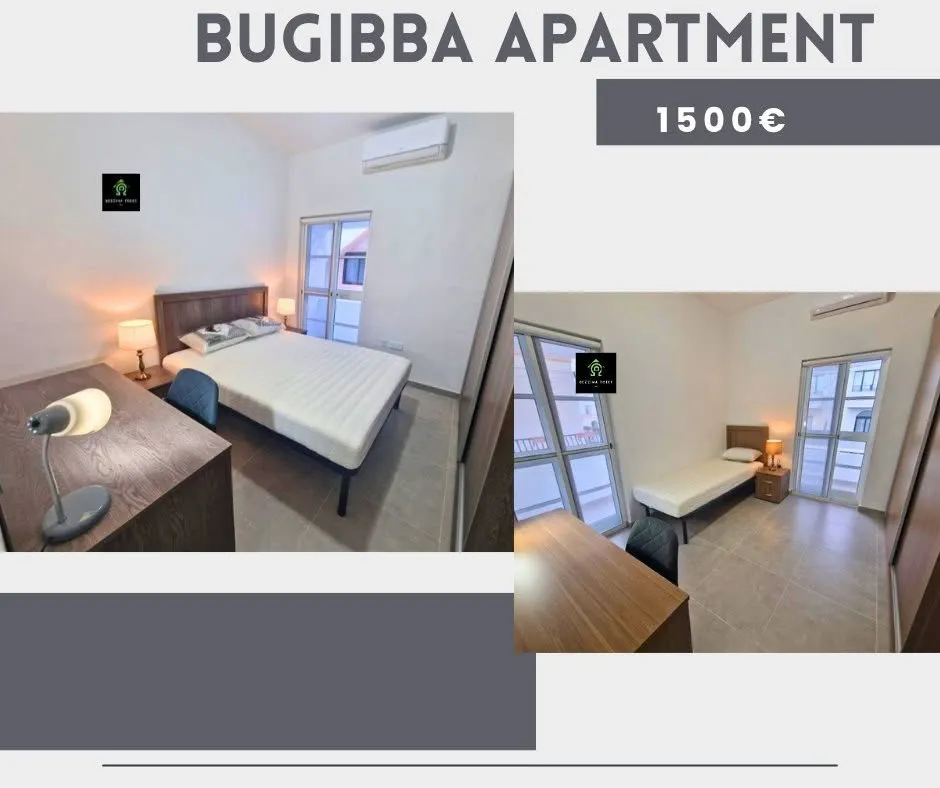
Marsaxlokk vs St. Paul's Bay
Side-by-side comparison of property prices, lifestyle, and practical info to help you choose the right area.
Summary
Living in Marsaxlokk
Marsaxlokk is Malta's most photographed fishing village — a crescent harbour filled with traditional luzzu boats painted in bright blues, reds, and yellows, each bearing the Eye of Osiris on the bow to ward off evil. The Sunday fish market draws visitors from across the island, and waterfront restaurants serve the freshest seafood in Malta directly off the boats. Despite its tourist appeal, Marsaxlokk remains a working fishing port. It's the largest fishing harbour in Malta, and the community of full-time fishermen who operate from here are among the last traditional seafarers on the island. The village clusters around the harbour in a single sweep of pastel-coloured houses, backed by low hills that shelter the bay from prevailing winds. Living in Marsaxlokk is a lifestyle choice rather than a practical one. Properties are predominantly traditional village houses, and the pace of life is slow. Tourists flood the waterfront on Sundays but the village is quiet the rest of the week. The south-facing position means Marsaxlokk gets the full Mediterranean sun but is exposed to the hot, humid xlokk wind that gives the village its name.
Highlights
- Colourful luzzu fishing boats with Eyes of Osiris
- Famous Sunday fish market
- Best seafood restaurants in Malta
- Working fishing harbour — not just tourist scenery
- Classic Mediterranean village atmosphere
Living in St. Paul's Bay
St. Paul's Bay is Malta's largest northern coastal town — a sprawling stretch of shoreline that encompasses the old fishing village of Xemxija, the tourist strips of Bugibba and Qawra, and the residential community of Burmarrad inland. According to the Bible, St. Paul was shipwrecked here in AD 60, an event that brought Christianity to Malta and gave the area its name. The town has grown explosively over the past two decades, transforming from a quiet seasonal resort into a year-round community of over 25,000 residents. Retired British expats, Maltese families priced out of the central coast, and a growing number of foreign workers have all settled here, drawn by coastal living at more manageable prices than Sliema or St. Julian's. The waterfront is the town's main asset — a long promenade connecting the old fisherman's quay to Bugibba's square to Qawra's rocky beaches. The Malta National Aquarium sits at the Bugibba end, and the Xemxija Heritage Walk traces ancient cart ruts and Roman roads into the hills. Properties range from modern seafront apartments to older terraced houses inland, with prices significantly below the central coast.
Highlights
- Malta's largest coastal town by population
- Biblical shipwreck site of St. Paul
- Malta National Aquarium at Bugibba
- Rocky beaches and coastal promenade
- More affordable than the central coast
Lifestyle Comparison
Which Area Is Right For You?
Choose Marsaxlokk
Marsaxlokk comes out ahead in dining, beaches .
Choose St. Paul's Bay
St. Paul's Bay comes out ahead in nightlife, transport .
Frequently Asked Questions
Available Properties
Marsaxlokk (5 listings)
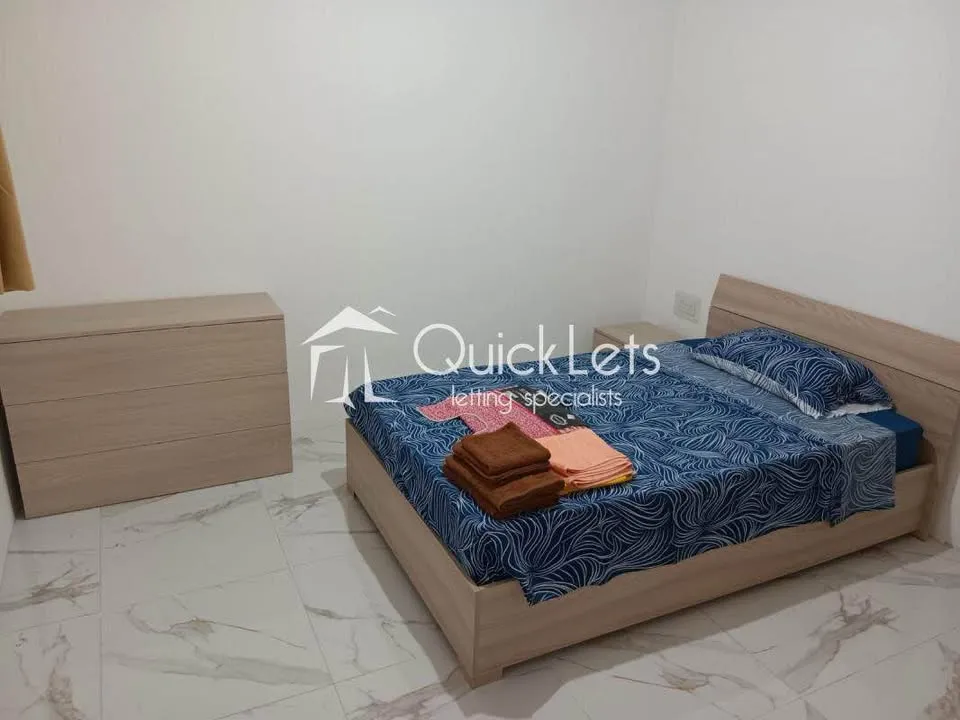
Apartment in Marsaxlokk
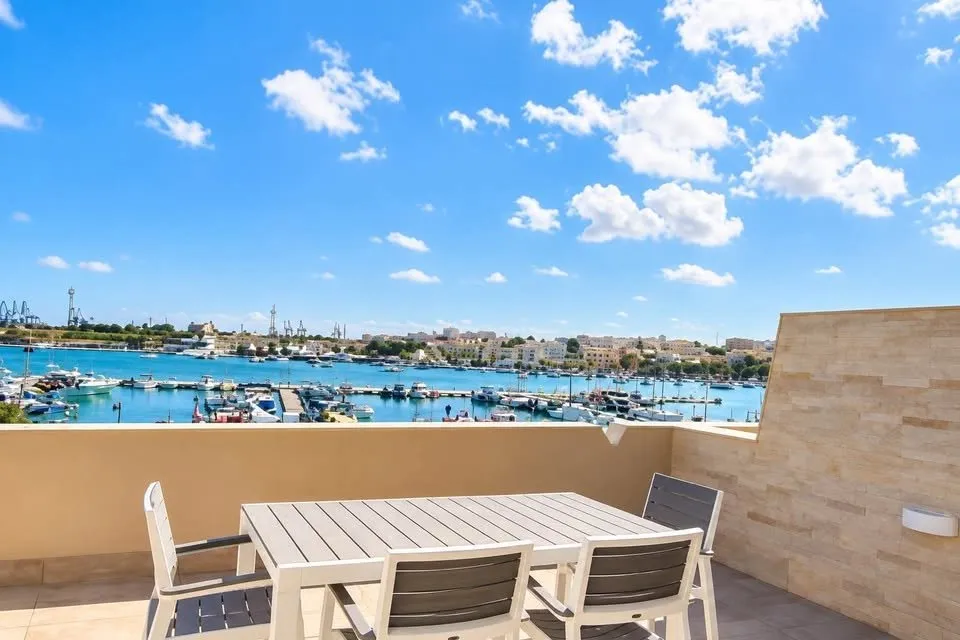
MARSAXLOKK | SEAFRONT PENTHOUSE
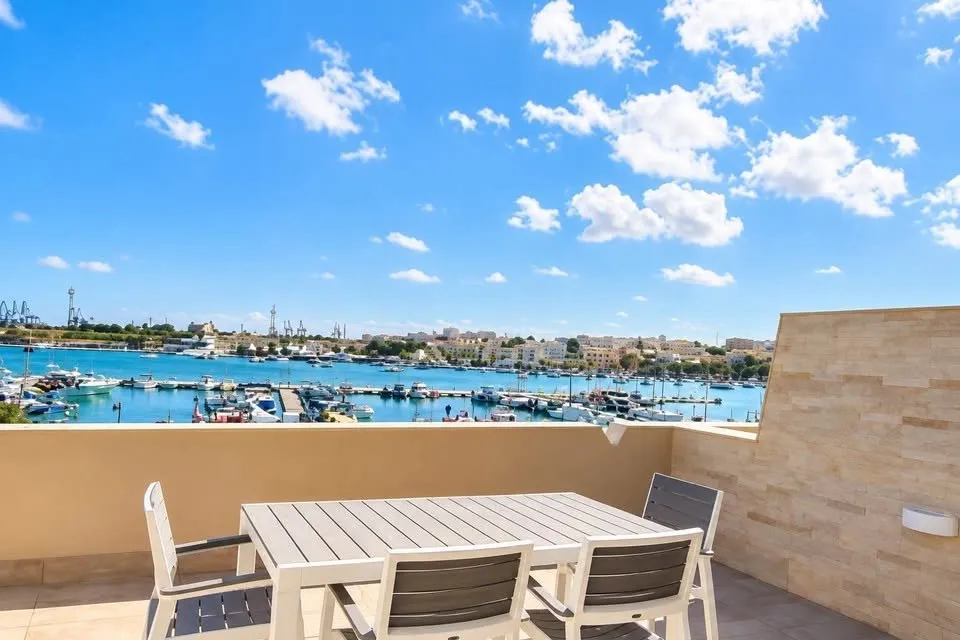
MARSAXLOKK SEAFRONT PENTHOUSE
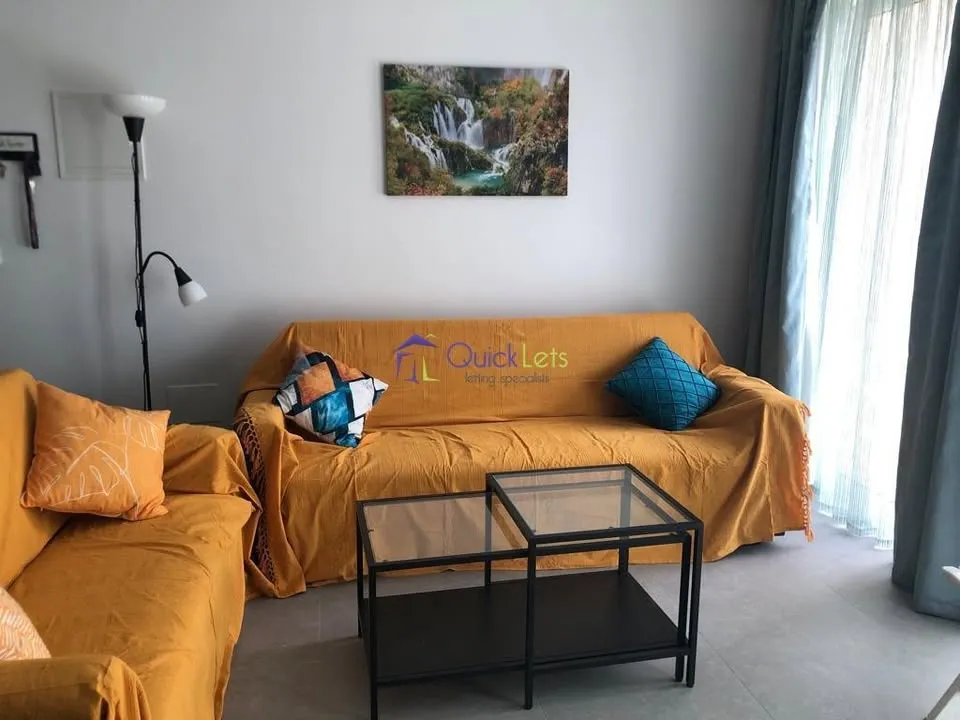
2-Bedroom, 2-Bathroom Apartment in Marsaxlokk
St. Paul's Bay (39 listings)
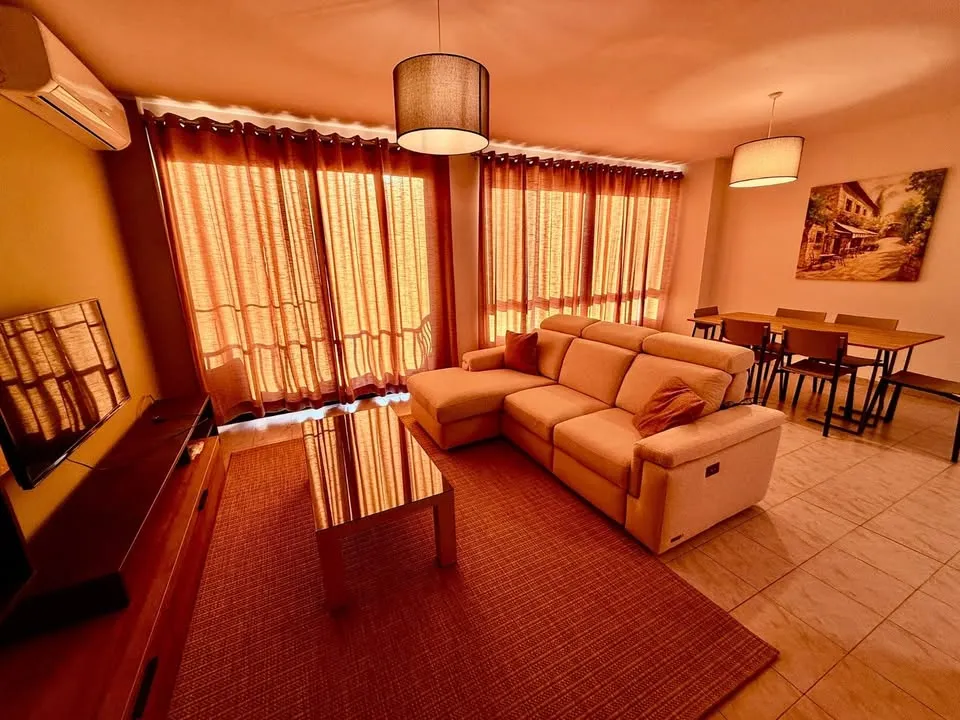
3 bedroom & 2 bathroom Apartment in St Pauls Bay
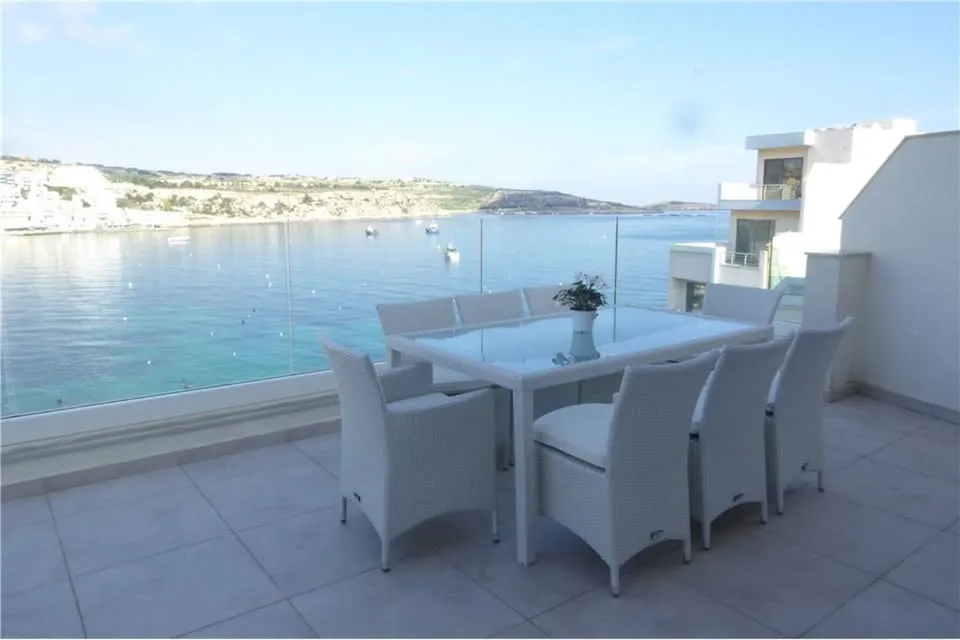
St. Paul's Bay 3 Bedroom Corner Apartment with Sea Views
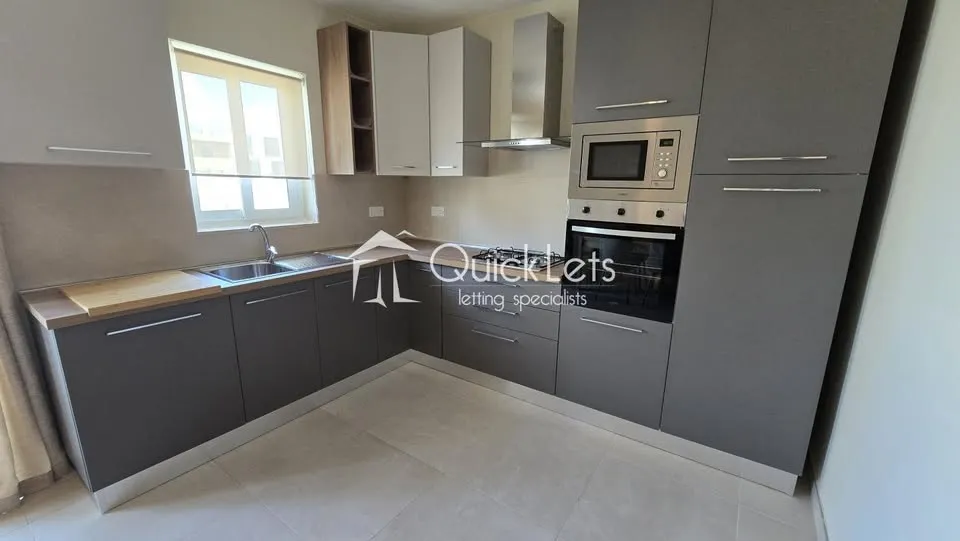
St. Paul’s Bay – Brand New 2-Bedroom Apartment