Mellieha vs Rabat
Side-by-side comparison of property prices, lifestyle, and practical info to help you choose the right area.
Summary
Living in Mellieha
Mellieha is where Malta goes to the beach. Perched on a hilltop in the far north of the island, the town overlooks Mellieha Bay — the largest sandy beach in Malta and the reason this area became a tourism hotspot. The bay stretches for nearly a kilometre of golden sand with shallow, warm water that makes it the top choice for families with children. The town itself has a slower, more rural character than the congested central coast. Mellieha's old core is a network of steep streets anchored by the Sanctuary of Our Lady of Mellieha, a pilgrimage site said to contain a fresco painted by St. Luke. The newer developments spread down the hillside toward the beach, a mix of apartment blocks, holiday lets, and villa communities — particularly the Santa Maria Estate, one of Malta's most sought-after residential addresses. Life in Mellieha revolves around the seasons. Summers bring an influx of tourists and a vibrant beach-town atmosphere. Winters are quiet — almost too quiet for some, with many businesses closing and the population settling back to its resident core. The trade-off is space: Mellieha offers larger properties, gardens, and sea views that would cost multiples more in Sliema or St. Julian's.
Highlights
- Mellieha Bay — Malta's longest sandy beach
- Santa Maria Estate — exclusive villa community
- Cirkewwa ferry terminal for Gozo trips
- Diving and water sports hub
- More space and larger properties than central Malta
Living in Rabat
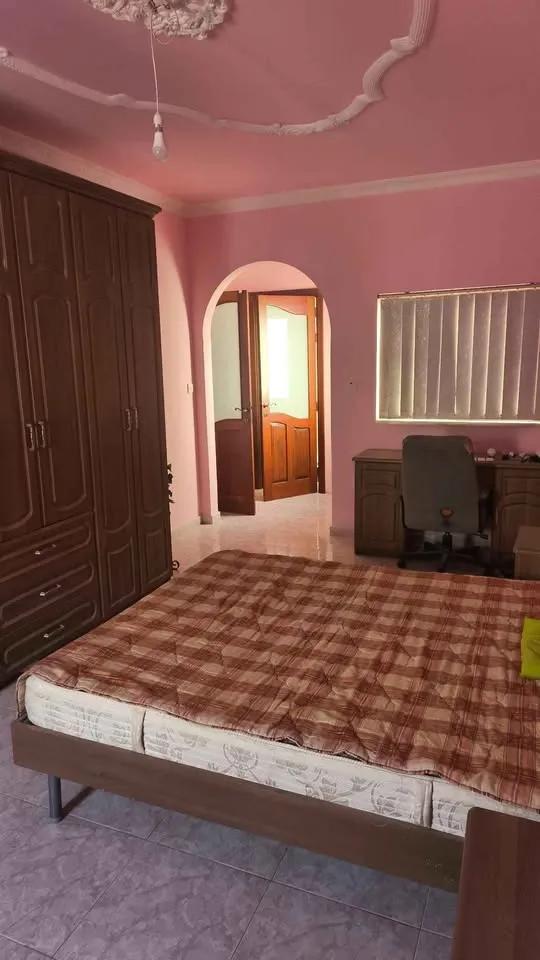
Rabat is Mdina's neighbour — where the Silent City's walls end, Rabat begins. But where Mdina is a museum piece, Rabat is a living town. The name means 'suburb' in Arabic, a reference to its origins as the residential quarter outside the old capital's walls. Today it's one of Malta's most characterful towns, with a mix of historic architecture, traditional village life, and a growing food scene that draws Maltese from across the island. The town is built on top of a network of catacombs — underground burial chambers dating back to Roman times. St. Paul's Catacombs, where the apostle is said to have sheltered after his shipwreck on Malta, are the most famous, but there are several sites open to visitors. Above ground, Rabat's narrow streets hide grand palazzos, wayside chapels, and the Domus Romana, a reconstructed Roman townhouse with some of the finest mosaics in the Mediterranean. Rabat offers a different pace of life from the coastal towns. Property is more affordable, streets are quieter, and there's a genuine village atmosphere that's disappearing from much of Malta. The trade-off is distance — Rabat sits inland, and reaching Sliema or Valletta takes 25–30 minutes by car. For some, that distance is exactly the point.
Highlights
- St. Paul's Catacombs — underground Roman burial chambers
- Adjacent to Mdina's city walls
- Growing restaurant and cafe scene
- More affordable property than coastal Malta
- Authentic Maltese village atmosphere
Lifestyle Comparison
Which Area Is Right For You?
Choose Mellieha
Mellieha comes out ahead in family, safety, beaches .
Choose Rabat
Rabat comes out ahead in dining .
Frequently Asked Questions
Available Properties
Mellieha (19 listings)
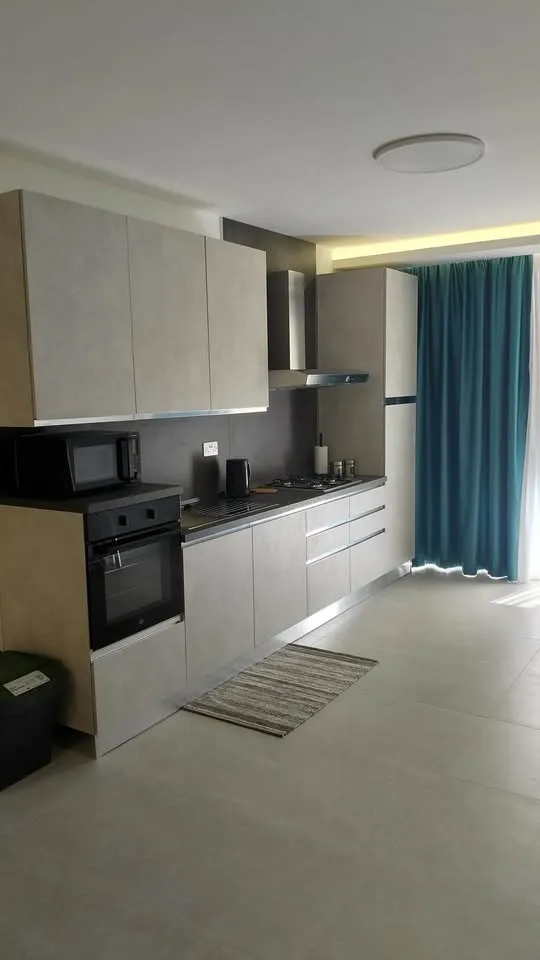
Apartment in Mellieħa
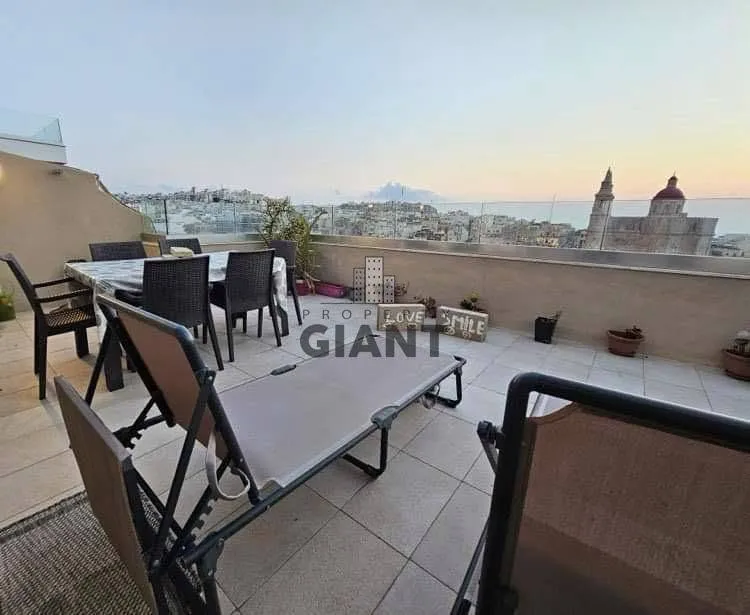
Modern Penthouse in Mellieħa
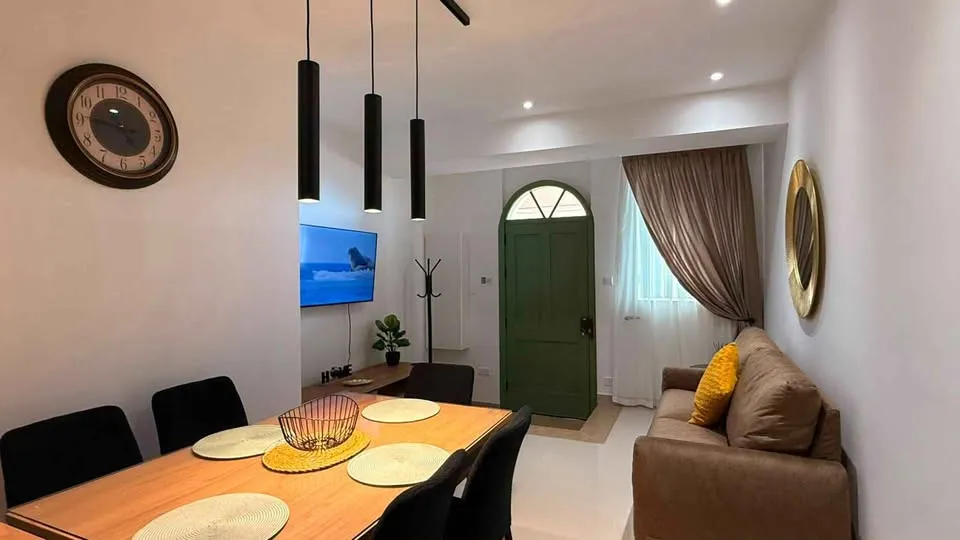
Brand New 3 Bedroom Maisonette in Mellieha
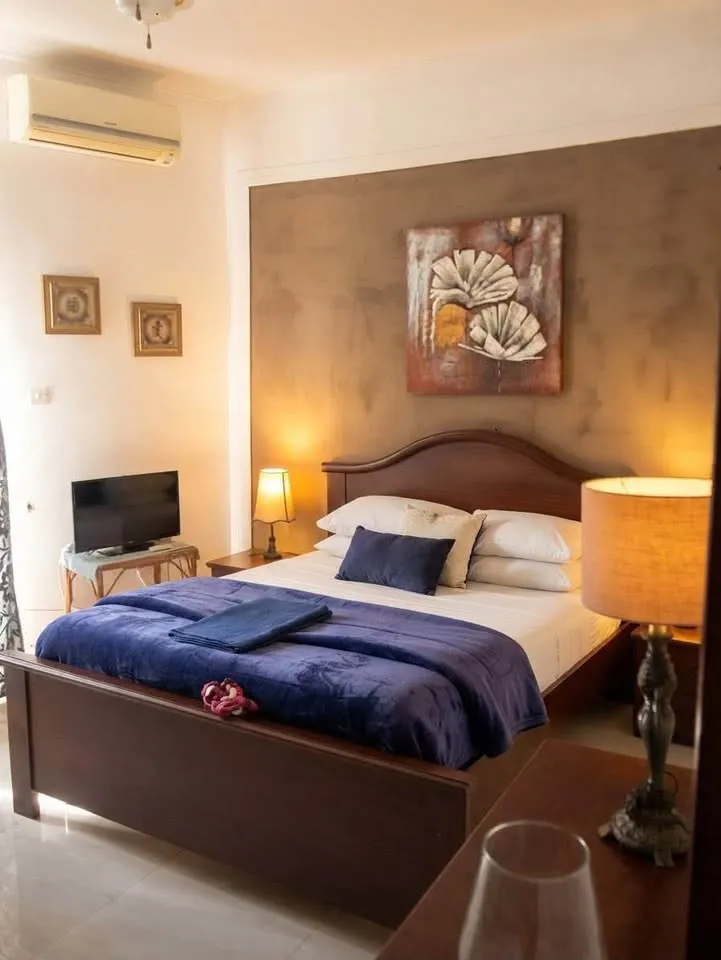
To Rent | Mellieha
Rabat (9 listings)
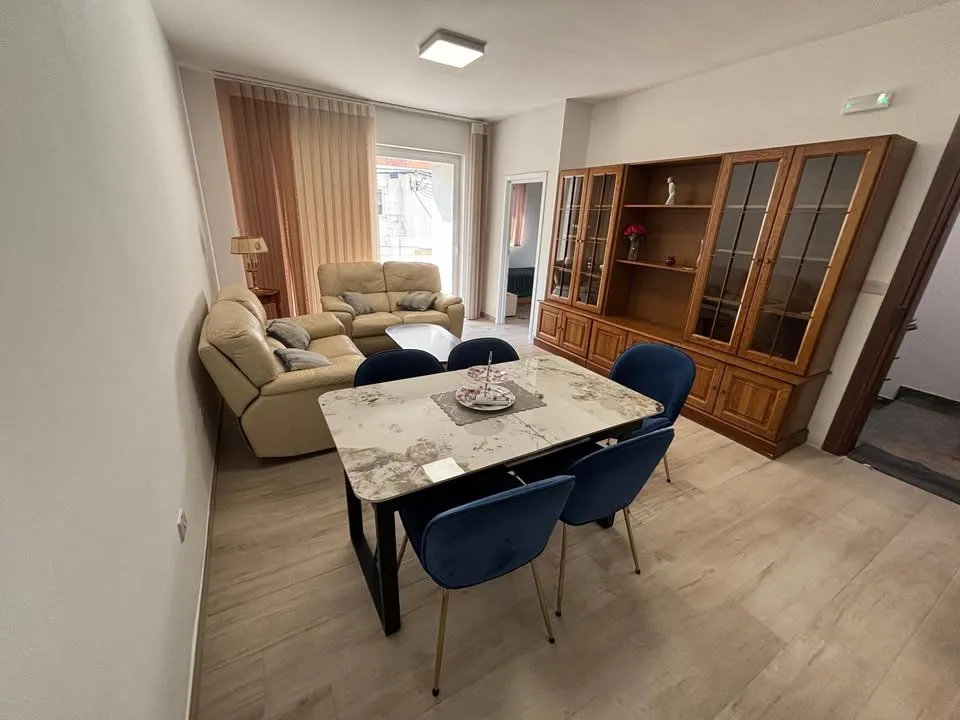
Brand new Property in RABAT
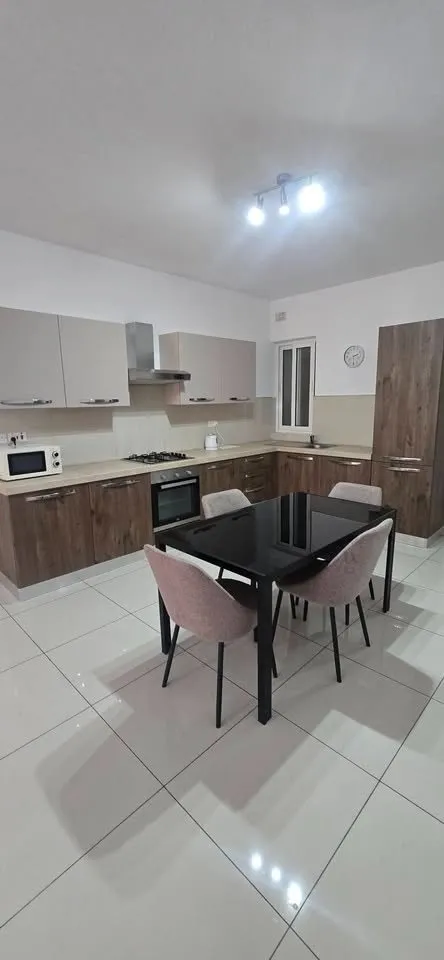
Bahrija Modern Apartment : Bargain!
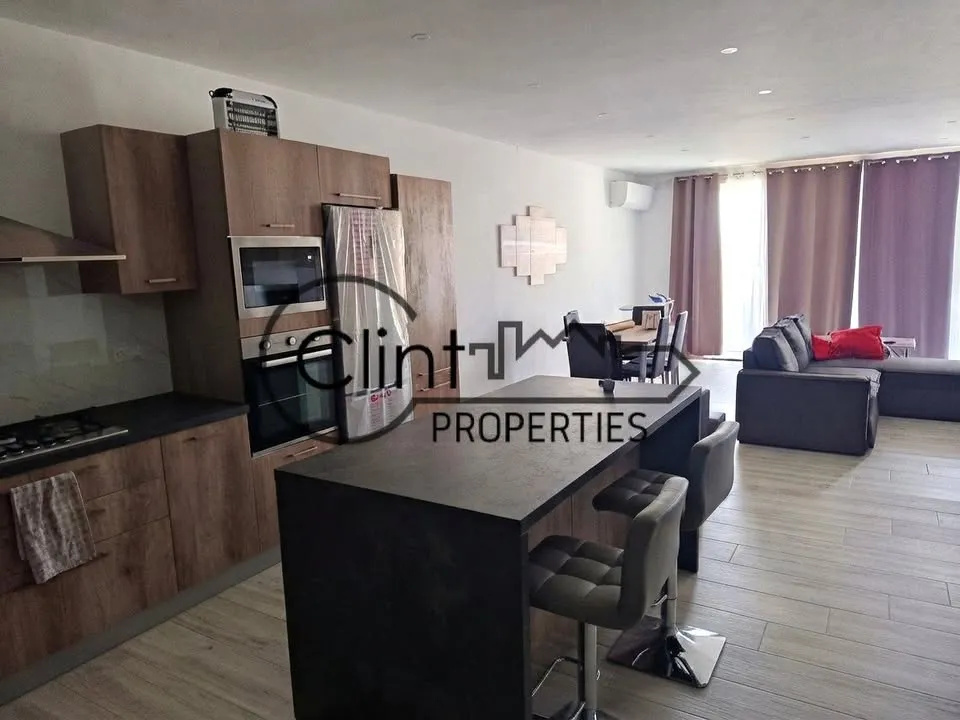
Three Bedroom Apartment in Rabat (Bahrija Area) for Rent