Mgarr vs Rabat
Side-by-side comparison of property prices, lifestyle, and practical info to help you choose the right area.
Summary
Mgarr is better for nature lovers and beachgoers seeking rural farmhouse properties, while Rabat suits culture lovers and families wanting historic town living with stronger transport links. Mgarr rates 9/10 for beaches but just 3/10 for transport, making a car essential. Rabat scores 6/10 for transport with regular Valletta bus routes (51, 52) and rates 7/10 for dining versus Mgarr's 5/10. Both sit roughly 25 minutes from the airport by car and share 8/10 safety ratings.
Mgarr's working countryside, strawberry farms, and proximity to Golden Bay and Ghajn Tuffieha appeal to buyers wanting land at Malta's most affordable farmhouse prices. Rabat offers Roman catacombs, Mdina's walls, and a growing restaurant scene at property prices 20-30% below coastal areas. Both require driving to reach Sliema or St. Julian's.
Mgarr suits buyers prioritising space, sea access, and rural seclusion. Rabat suits those who want walkable amenities, historical character, and better public transport without paying coastal premiums. Families rate similarly in both — Mgarr 7/10, Rabat 8/10.
Living in Mgarr
Mgarr is a rural village in northwest Malta that serves as the island's agricultural heartland. Surrounded by farmland, vineyards, and olive groves, Mgarr produces more of Malta's home-grown food than anywhere else — strawberries, tomatoes, potatoes, and the grapes that go into Malta's growing wine industry. The annual Strawberry Festival draws thousands of visitors each spring. The village centre is a traditional Maltese square dominated by an enormous parish church that's dramatically oversized for the population — locals reportedly wanted to build the largest church in Malta but ran out of funds before completing the dome. The unfinished dome is a source of village pride rather than embarrassment. The surrounding countryside is scattered with cart ruts, megalithic sites, and the Bingemma valley. Property in Mgarr offers rural Malta at its most affordable. Farmhouses with land are still available, and the village has a genuine agricultural character that's disappeared from most of the island. The trade-off is distance — Mgarr is a 25-minute drive from Valletta with limited public transport.
Highlights
- Annual Strawberry Festival — Malta's biggest food event
- Working farms, vineyards, and olive groves
- Farmhouse properties with land at affordable prices
- Cart ruts and megalithic sites in the countryside
- Genuinely rural Malta
Living in Rabat
Rabat is Mdina's neighbour — where the Silent City's walls end, Rabat begins. But where Mdina is a museum piece, Rabat is a living town. The name means 'suburb' in Arabic, a reference to its origins as the residential quarter outside the old capital's walls. Today it's one of Malta's most characterful towns, with a mix of historic architecture, traditional village life, and a growing food scene that draws Maltese from across the island. The town is built on top of a network of catacombs — underground burial chambers dating back to Roman times. St. Paul's Catacombs, where the apostle is said to have sheltered after his shipwreck on Malta, are the most famous, but there are several sites open to visitors. Above ground, Rabat's narrow streets hide grand palazzos, wayside chapels, and the Domus Romana, a reconstructed Roman townhouse with some of the finest mosaics in the Mediterranean. Rabat offers a different pace of life from the coastal towns. Property is more affordable, streets are quieter, and there's a genuine village atmosphere that's disappearing from much of Malta. The trade-off is distance — Rabat sits inland, and reaching Sliema or Valletta takes 25–30 minutes by car. For some, that distance is exactly the point.
Highlights
- St. Paul's Catacombs — underground Roman burial chambers
- Adjacent to Mdina's city walls
- Growing restaurant and cafe scene
- More affordable property than coastal Malta
- Authentic Maltese village atmosphere
Lifestyle Comparison
Which Area Is Right For You?
Choose Mgarr
Mgarr comes out ahead in beaches .
Choose Rabat
Rabat comes out ahead in dining, family, nightlife, transport .
Frequently Asked Questions
Available Properties
Mgarr (7 listings)
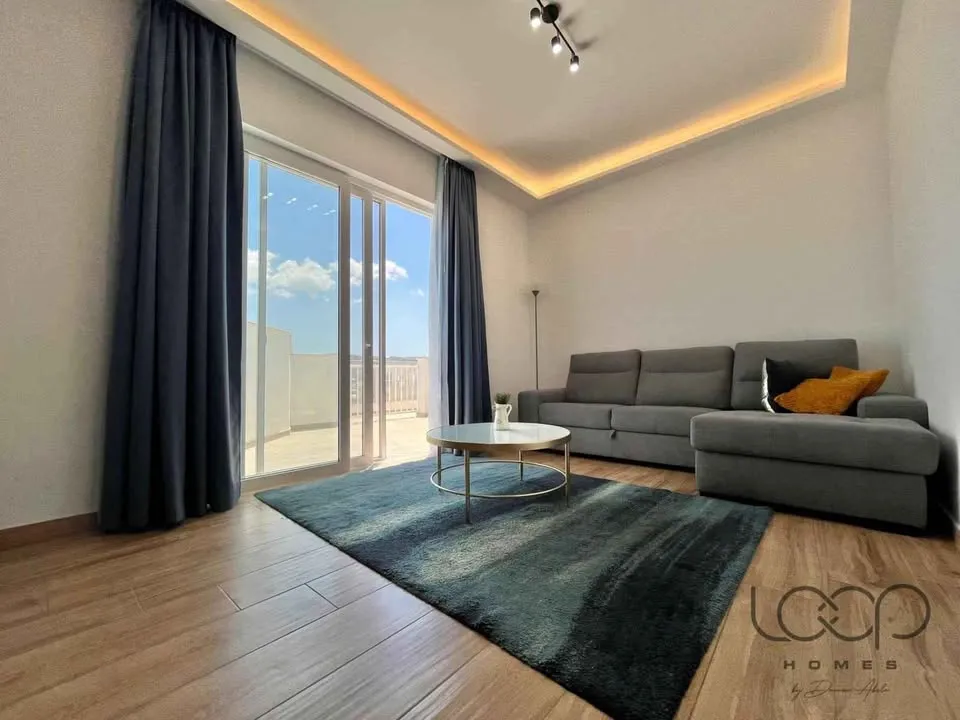
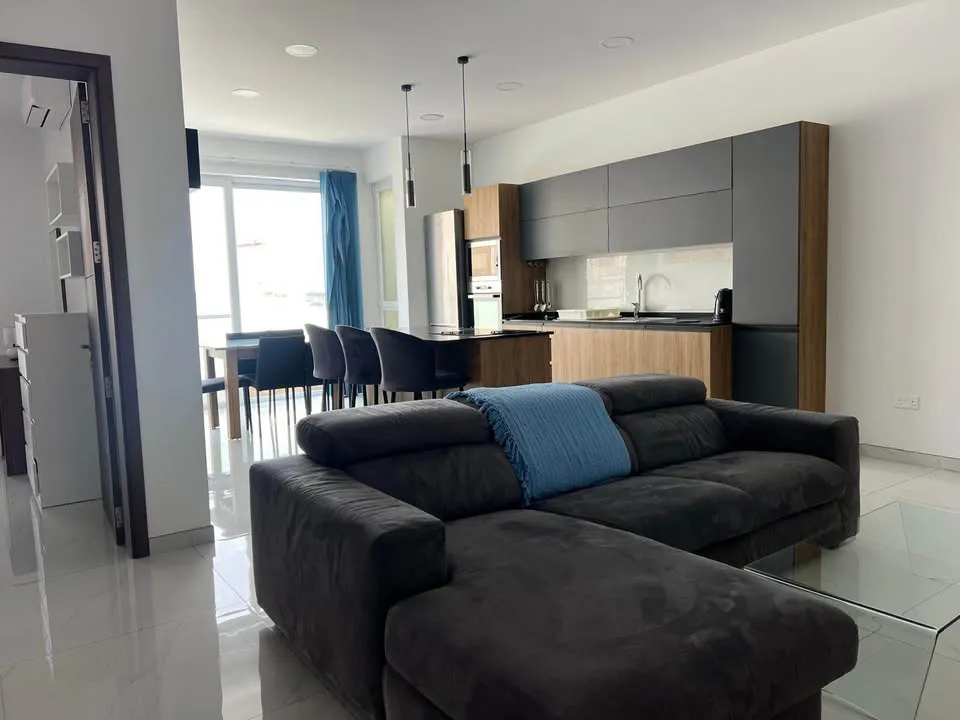
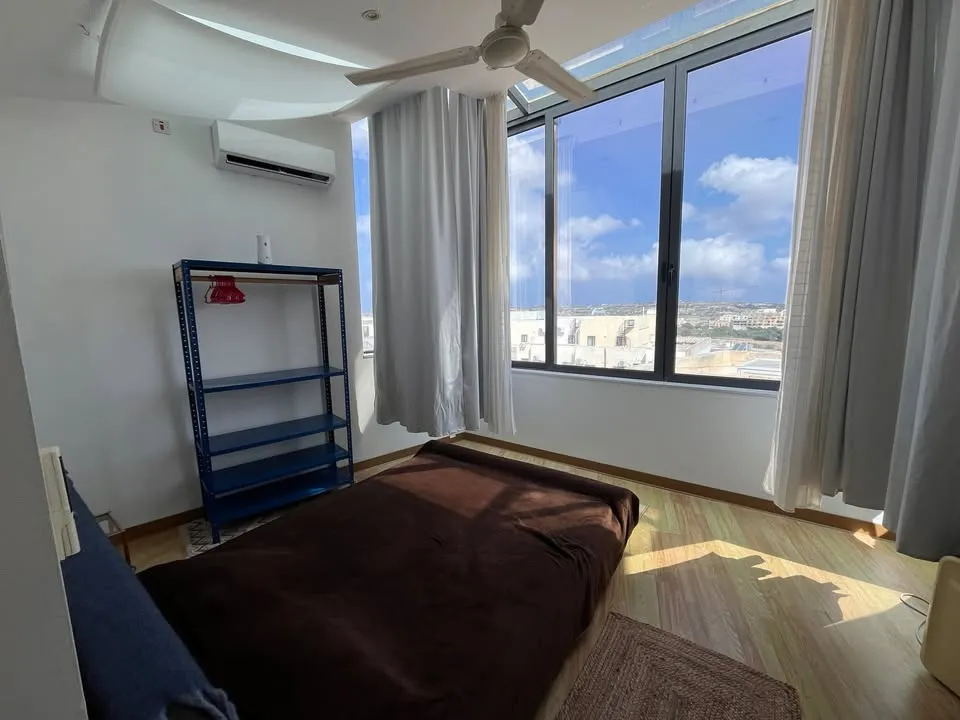
Highly Finished 3 Bedroom Penthouse in Mġarr
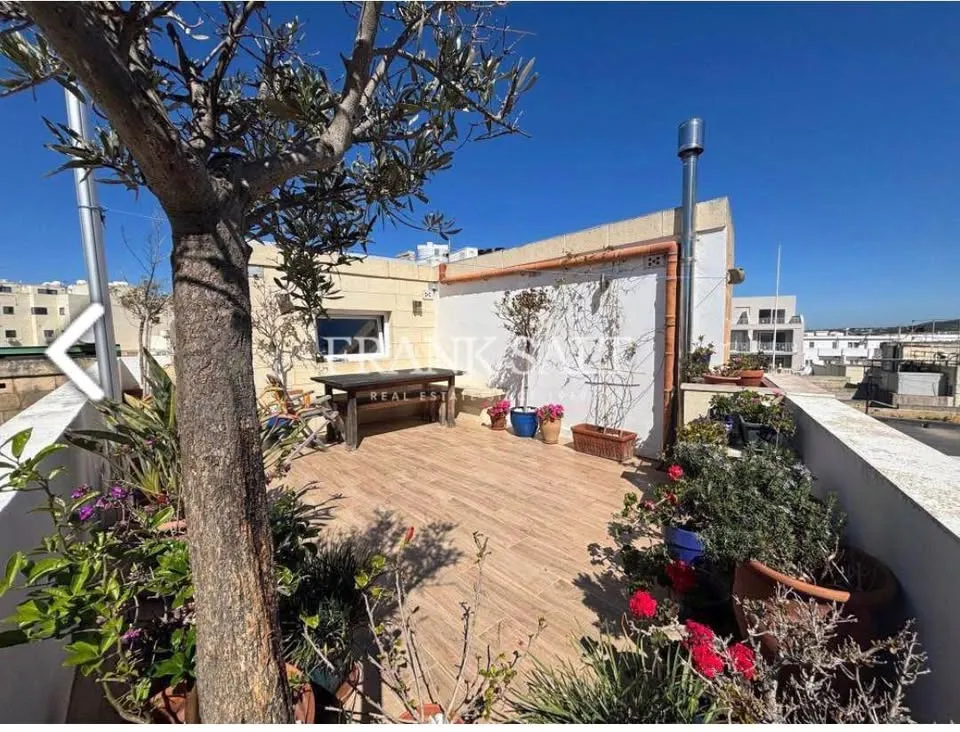
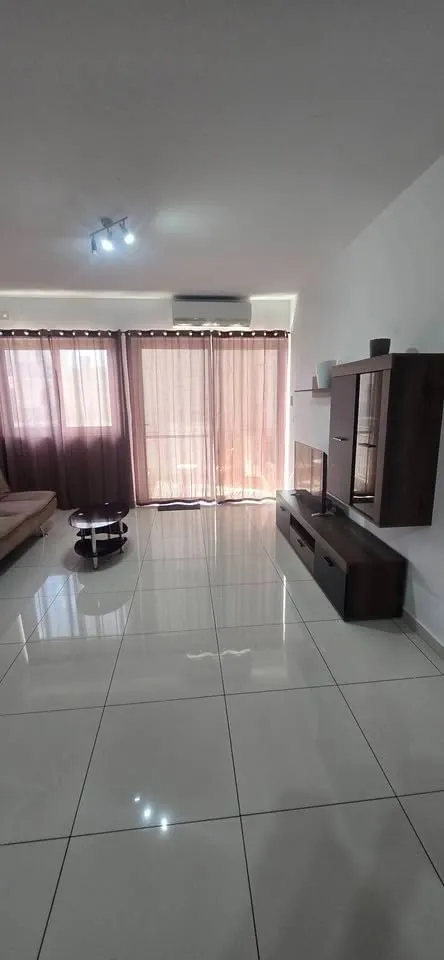
House of Character for Rent in Mġarr
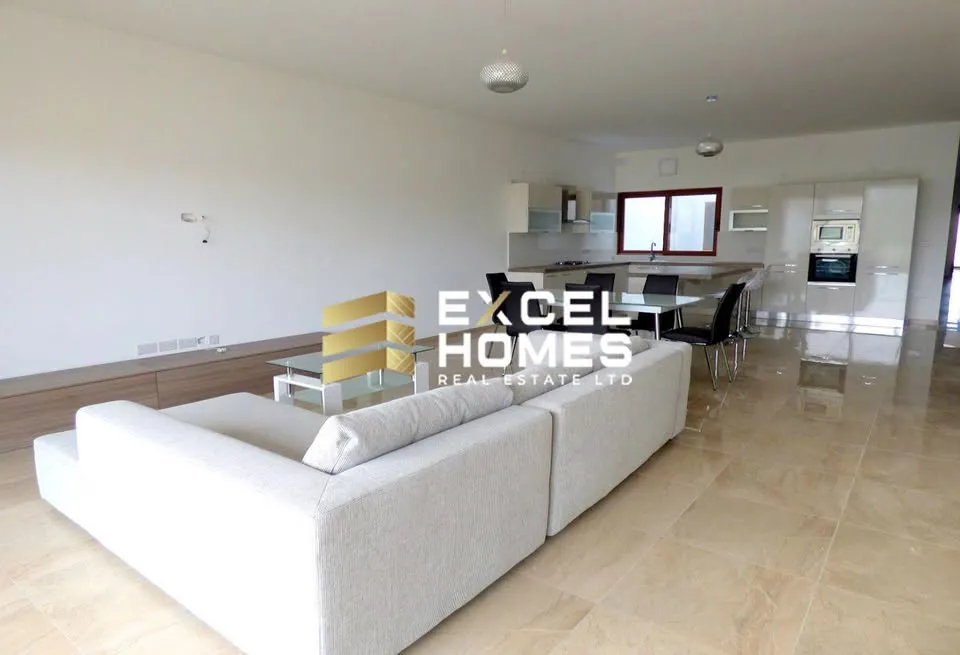
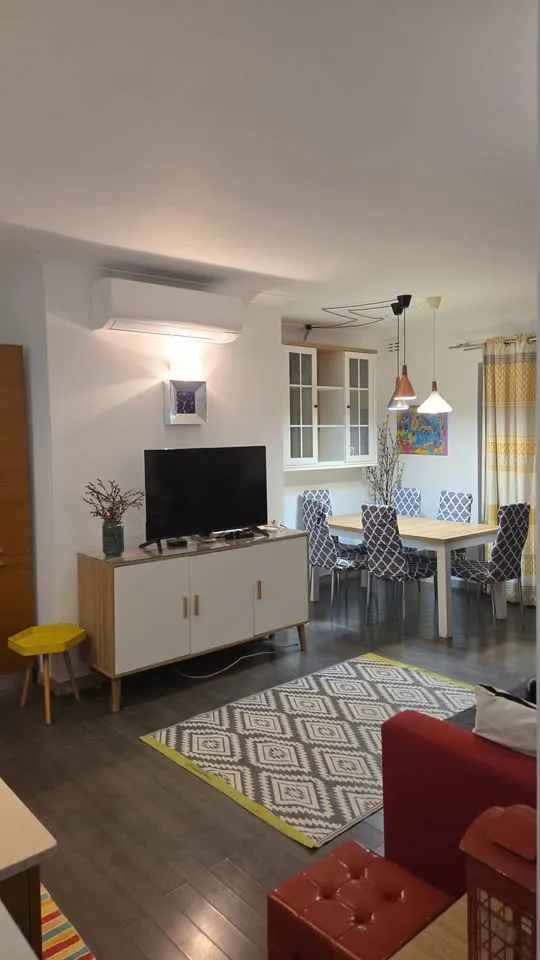
Designer finished Apartment in Mġarr