Msida vs Rabat
Side-by-side comparison of property prices, lifestyle, and practical info to help you choose the right area.
Summary
Msida scores 10/10 for transport thanks to its major bus interchange, reaching Malta International Airport in 15 minutes. Rabat scores just 6/10 for transport, with airport journeys taking 25 minutes by car and commutes to Sliema or Valletta reaching 30 minutes. Property prices in Rabat are 20-30% lower than coastal areas, and parking is plentiful. Msida has severe parking competition from university students and higher noise levels, particularly during term time.
Choose Msida for its vibrant, youthful atmosphere driven by 12,000 University of Malta students, a flat waterfront promenade with marina views, and nightlife rated 7/10. Choose Rabat for safety and family ratings of 8/10, quiet residential streets, excellent dining including traditional bakeries, and rich history including Roman catacombs and proximity to Mdina. Rabat has minimal nightlife at 3/10 and no sea access — the nearest beaches require a 15-20 minute drive.
Living in Msida
Msida is a compact harbour-side town that serves as one of Malta's key transport nodes — the junction where routes from the north, south, and centre converge on their way to Valletta. The University of Malta campus sits at the top of the hill, making Msida the natural base for Malta's 12,000-strong student population. The town clusters around a small marina and a busy junction that's both Msida's lifeblood and its curse — it connects everything but traffic backs up at peak hours to legendary proportions. A flood relief project recently converted the main road from a chronic flooding zone (Msida sits at the bottom of a natural valley) into a more manageable thoroughfare, though the town still feels more functional than charming. Property in Msida is driven by student demand. Rental apartments near the university command consistent yields, and the area is popular with young professionals who work in the nearby hospital or in Valletta. Prices sit below Sliema and Gzira but above the southern towns. It's a practical choice — not a lifestyle one.
Highlights
- University of Malta campus
- Strong student rental market
- Key transport junction for the whole island
- Marina and waterfront
- More affordable than Sliema and Gzira
Living in Rabat
Rabat is Mdina's neighbour — where the Silent City's walls end, Rabat begins. But where Mdina is a museum piece, Rabat is a living town. The name means 'suburb' in Arabic, a reference to its origins as the residential quarter outside the old capital's walls. Today it's one of Malta's most characterful towns, with a mix of historic architecture, traditional village life, and a growing food scene that draws Maltese from across the island. The town is built on top of a network of catacombs — underground burial chambers dating back to Roman times. St. Paul's Catacombs, where the apostle is said to have sheltered after his shipwreck on Malta, are the most famous, but there are several sites open to visitors. Above ground, Rabat's narrow streets hide grand palazzos, wayside chapels, and the Domus Romana, a reconstructed Roman townhouse with some of the finest mosaics in the Mediterranean. Rabat offers a different pace of life from the coastal towns. Property is more affordable, streets are quieter, and there's a genuine village atmosphere that's disappearing from much of Malta. The trade-off is distance — Rabat sits inland, and reaching Sliema or Valletta takes 25–30 minutes by car. For some, that distance is exactly the point.
Highlights
- St. Paul's Catacombs — underground Roman burial chambers
- Adjacent to Mdina's city walls
- Growing restaurant and cafe scene
- More affordable property than coastal Malta
- Authentic Maltese village atmosphere
Lifestyle Comparison
Which Area Is Right For You?
Choose Msida
Msida comes out ahead in nightlife, transport .
Choose Rabat
Rabat comes out ahead in dining, family, safety, beaches .
Frequently Asked Questions
Available Properties
Msida (46 listings)
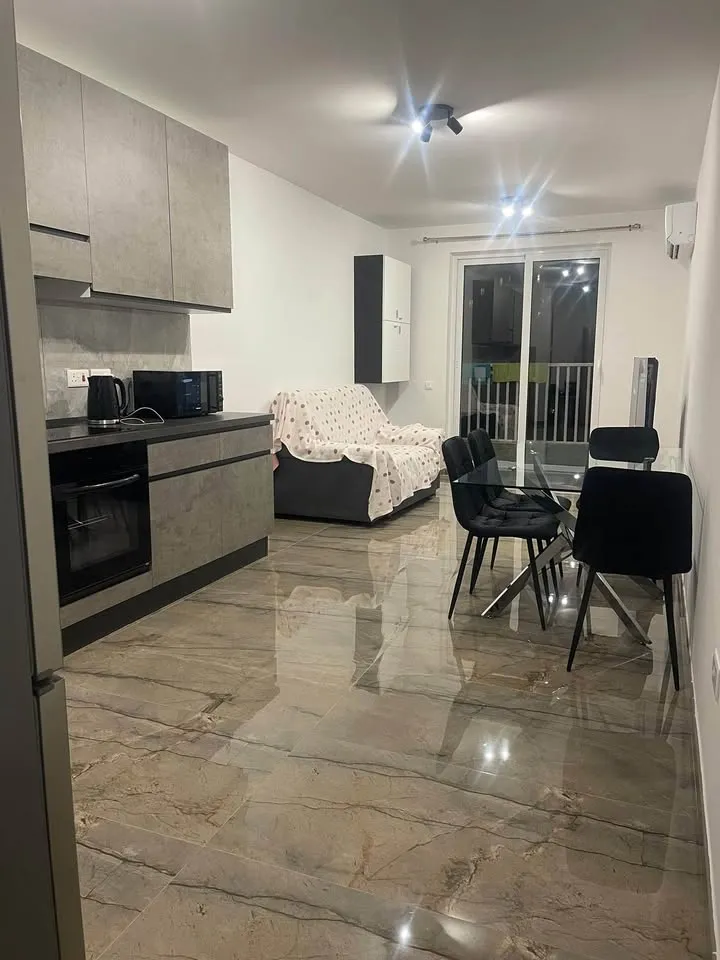
Apartment in Msida
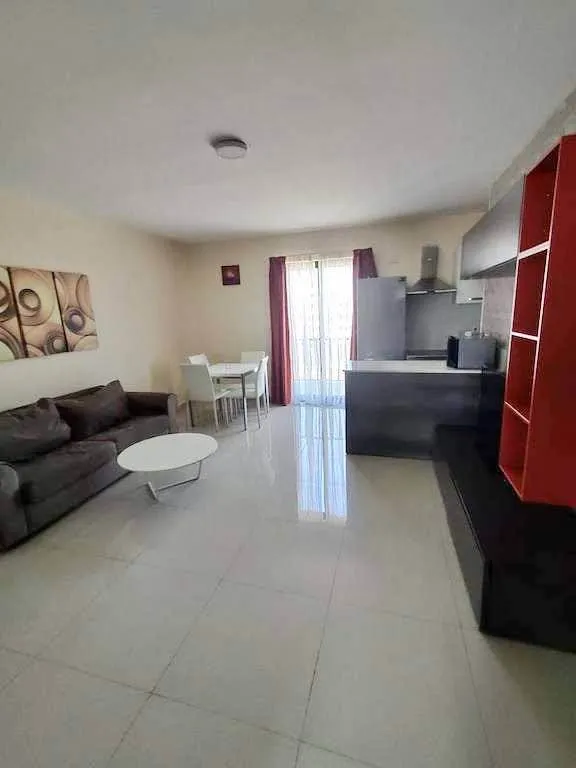
Msida Modern Apartment in a Great Location
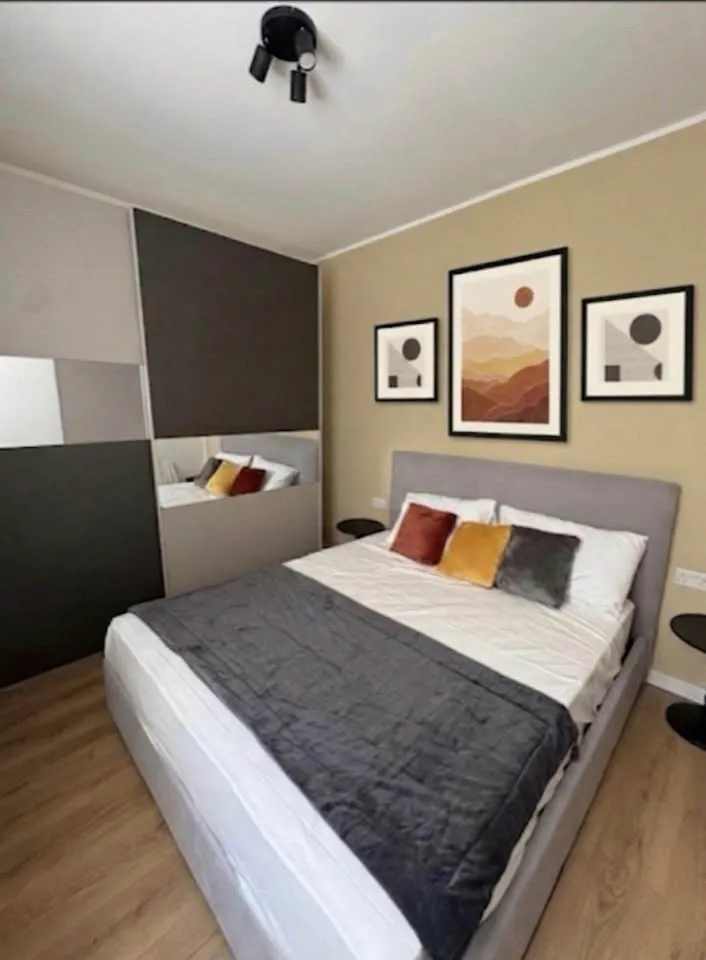
Msida brand new 2 Bed apartment
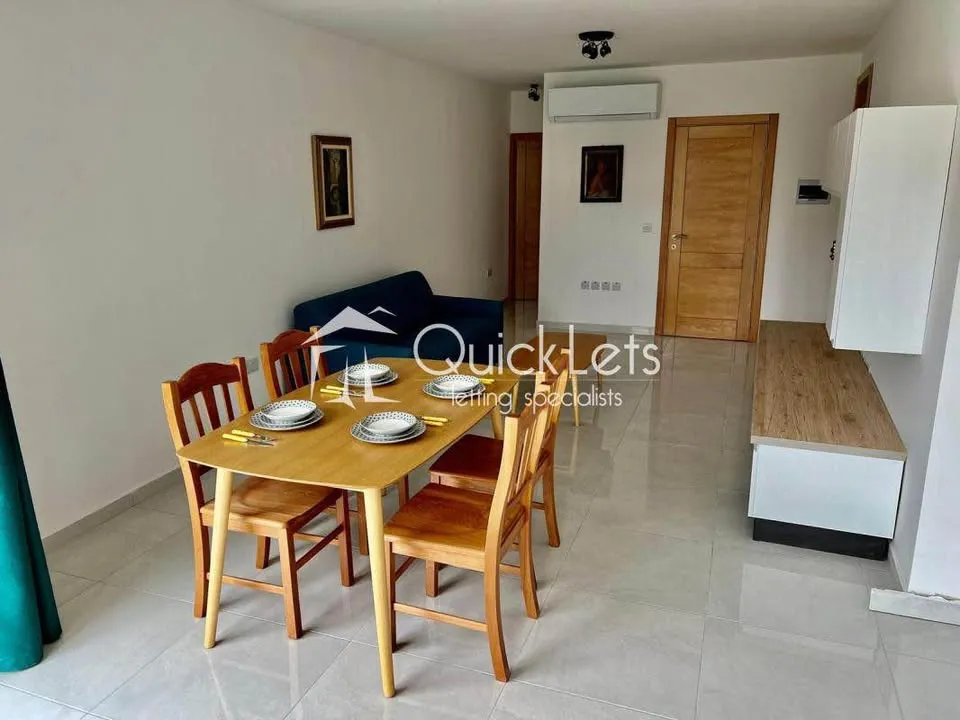
Modern 1-Bedroom Apartment in Msida
Rabat (9 listings)
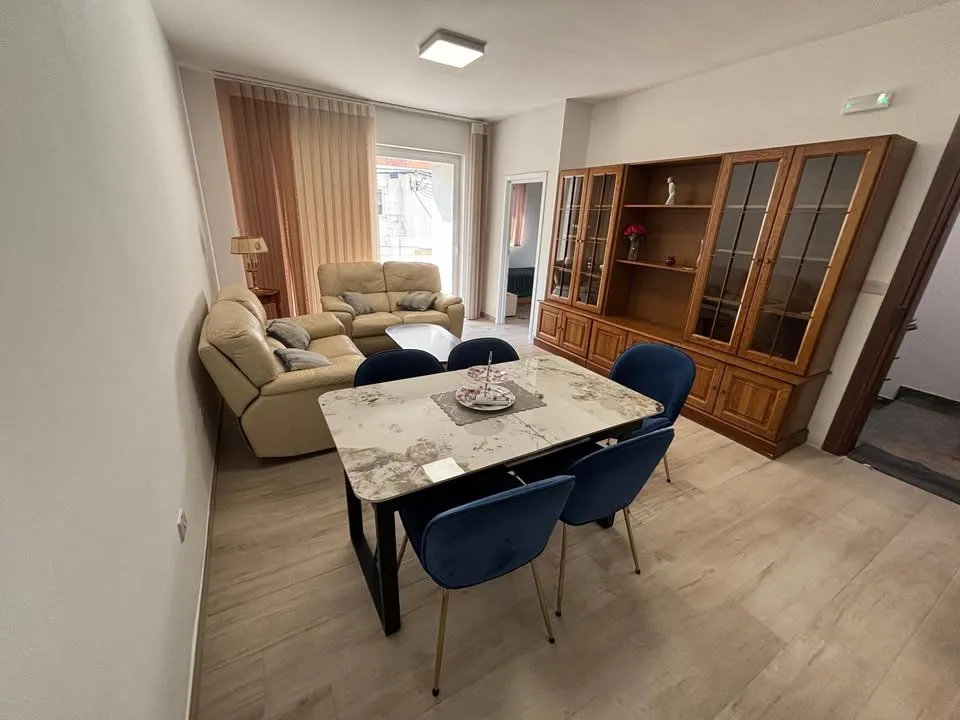
Brand new Property in RABAT
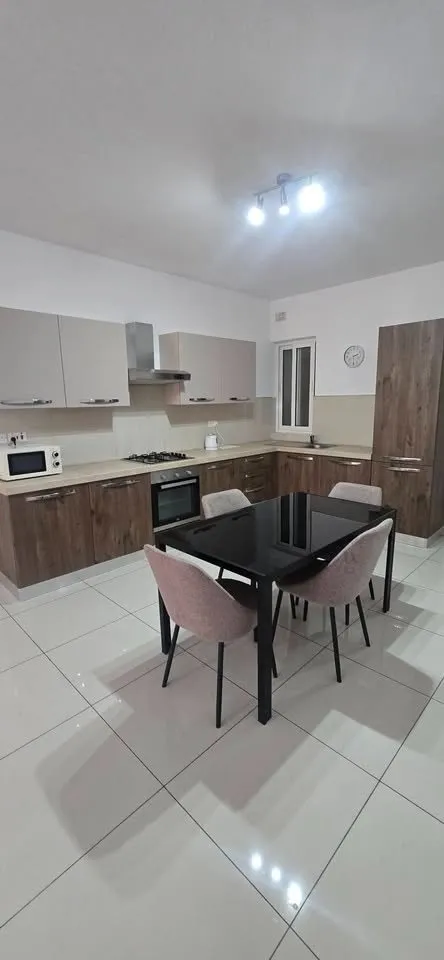
Bahrija Modern Apartment : Bargain!
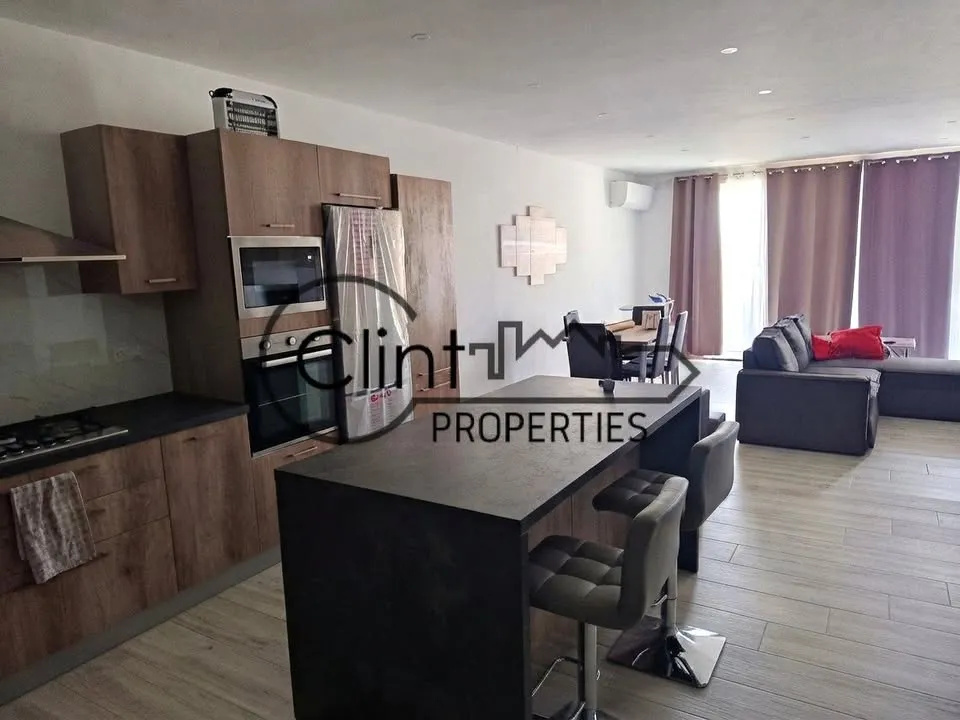
Three Bedroom Apartment in Rabat (Bahrija Area) for Rent