Msida vs Xewkija
Side-by-side comparison of property prices, lifestyle, and practical info to help you choose the right area.
Summary
Msida is better for students and young professionals who need island-wide transport links and a vibrant atmosphere, while Xewkija suits families and tourists seeking affordable traditional village life in Gozo. Msida scores 10/10 for transport thanks to its major bus interchange, with direct routes to Malta International Airport in just 15 minutes. Xewkija, by contrast, scores 5/10 for transport and requires a car for most journeys, plus an 80-minute ferry crossing to reach the airport.
Property prices in Xewkija rank among Gozo's most affordable, with a family lifestyle rating of 9/10 and a safety score of 9/10. The village has a population of 3,300, minimal nightlife (2/10), and a strategic central location equidistant from Victoria, Mgarr ferry, and Ramla Bay. Msida, with 9,500 residents, delivers a nightlife rating of 7/10 and sits at the heart of Malta's university district, home to 12,000 students driving strong rental demand.
Msida offers a flat waterfront promenade with marina views but scores just 2/10 for beaches and suffers from severe parking competition. Xewkija provides easy parking, flat village walkability, and proximity to Gozo's best sandy beaches (7/10), though dining options remain limited at 4/10. The Mgarr ferry terminal sits just 10 minutes away by car from Xewkija.
Busy university town and transport hub
Historic village dominated by monumental church dome
Living in Msida
Msida is a compact harbour-side town that serves as one of Malta's key transport nodes — the junction where routes from the north, south, and centre converge on their way to Valletta. The University of Malta campus sits at the top of the hill, making Msida the natural base for Malta's 12,000-strong student population. The town clusters around a small marina and a busy junction that's both Msida's lifeblood and its curse — it connects everything but traffic backs up at peak hours to legendary proportions. A flood relief project recently converted the main road from a chronic flooding zone (Msida sits at the bottom of a natural valley) into a more manageable thoroughfare, though the town still feels more functional than charming. Property in Msida is driven by student demand. Rental apartments near the university command consistent yields, and the area is popular with young professionals who work in the nearby hospital or in Valletta. Prices sit below Sliema and Gzira but above the southern towns. It's a practical choice — not a lifestyle one.
Highlights
- University of Malta campus
- Strong student rental market
- Key transport junction for the whole island
- Marina and waterfront
- More affordable than Sliema and Gzira
Living in Xewkija
Xewkija is one of Gozo's oldest villages, sitting on a plateau between Victoria and the eastern coast. The village is dominated by the Rotunda of St. John the Baptist — a colossal church whose dome is visible from nearly every point on the island. At 74 metres in diameter, it is one of the largest unsupported domes in Europe, exceeding St. Peter's Basilica in diameter, and it serves as a landmark for sailors approaching Gozo from the east. The village has a quiet, traditional character with narrow streets of old stone houses radiating from the church square. Xewkija is believed to be the first settlement established outside Victoria after the arrival of the Knights of St. John, and its name derives from the Maltese word for thorny bushes that once covered the area. The village retains a strong agricultural identity, with surrounding fields producing fruit, vegetables, and grapes for local wine. Property in Xewkija offers some of the best value in Gozo. Traditional townhouses with original stone arches and internal courtyards can be found at prices well below the coast. Newer developments have appeared along the main road toward Mgarr harbour, but the village core remains authentically Gozitan. The location is strategic — equidistant from Victoria, Mgarr ferry terminal, and the beaches of Ramla Bay.
Highlights
- The Rotunda — one of Europe's largest unsupported church domes at 74m diameter
- One of Gozo's oldest settlements, dating to the Knights of St. John era
- Strategic location between Victoria, Mgarr ferry, and Ramla Bay
- Some of the most affordable traditional property in Gozo
- Strong agricultural heritage with surrounding vineyards and fields
Lifestyle Comparison
Which Area Is Right For You?
Choose Msida
Msida comes out ahead in dining, nightlife, transport .
Choose Xewkija
Xewkija comes out ahead in family, safety, beaches .
Frequently Asked Questions
Available Properties
Msida (45 listings)
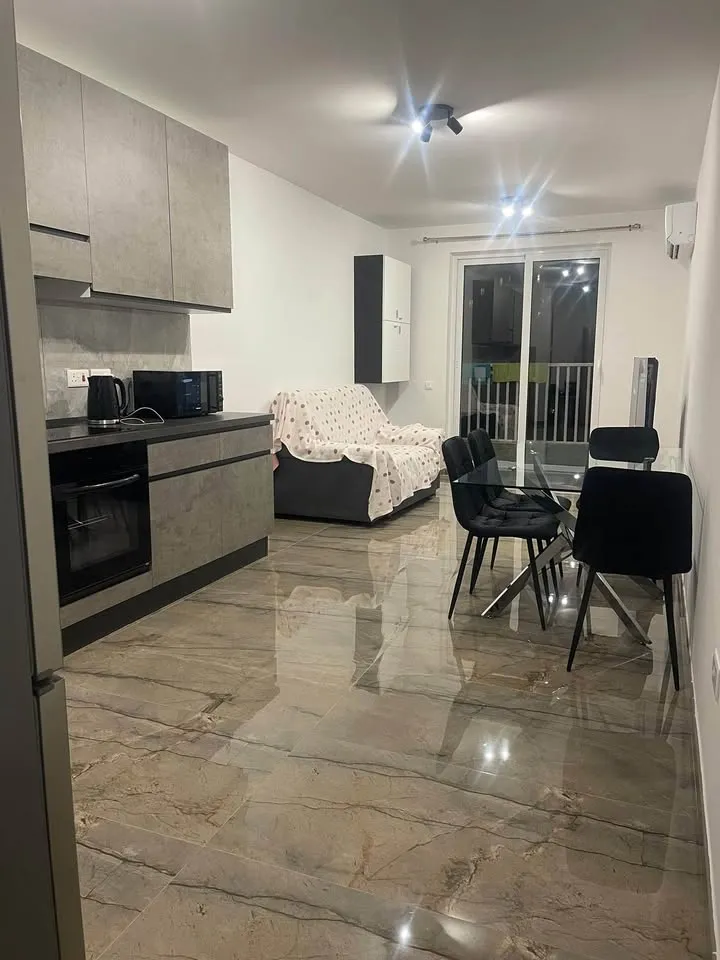
Apartment in Msida
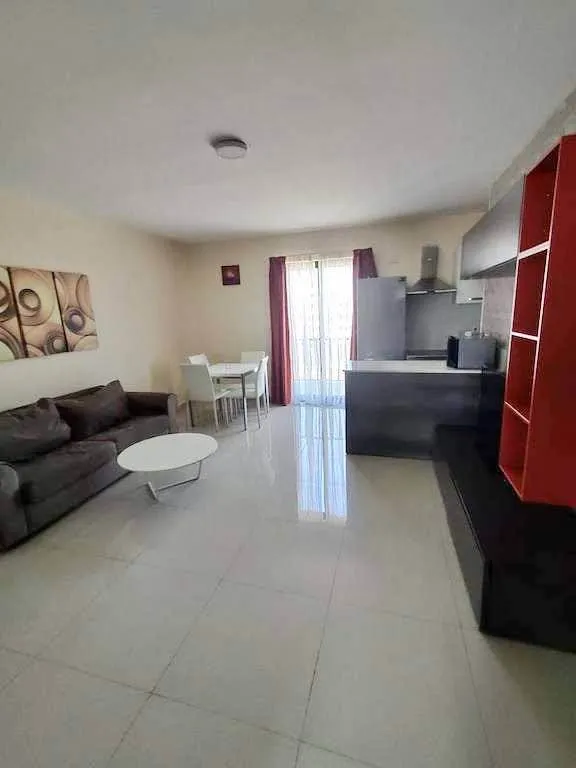
Msida Modern Apartment in a Great Location
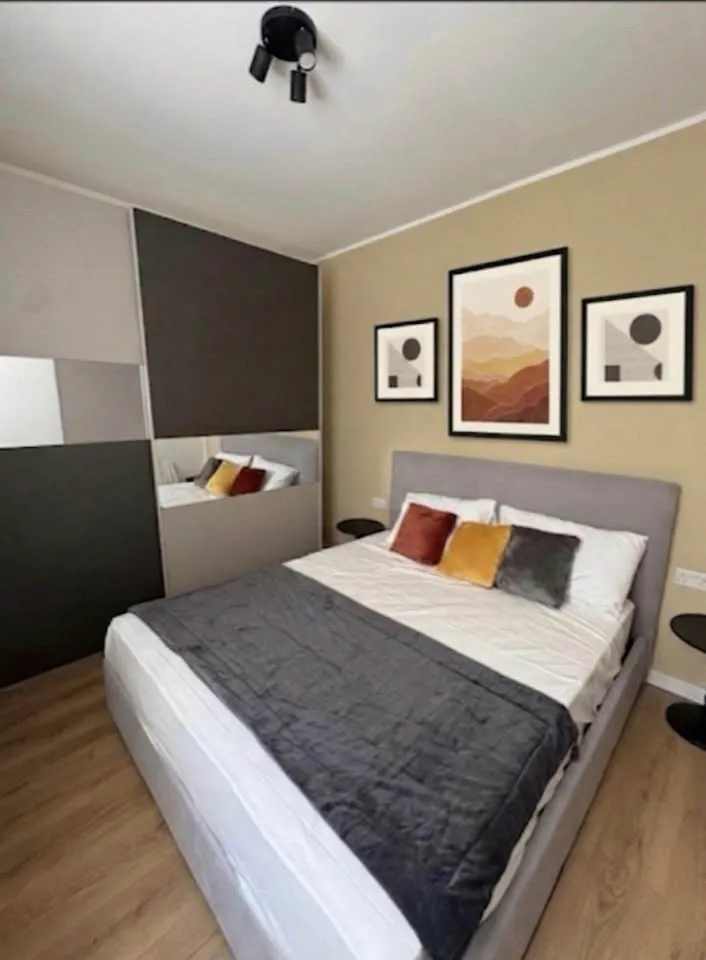
Msida brand new 2 Bed apartment
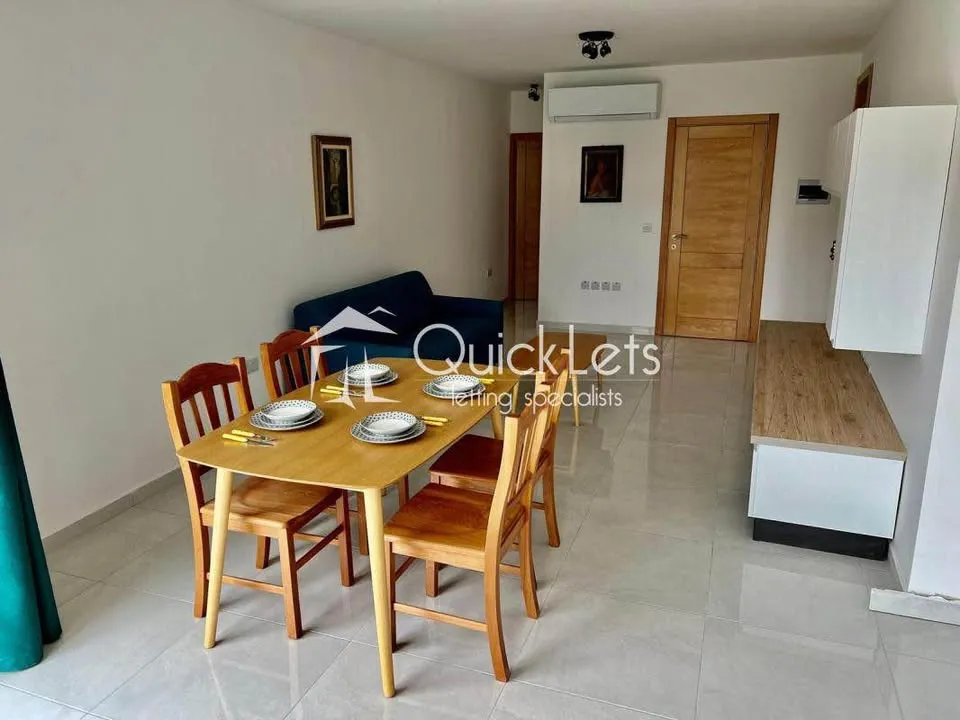
Modern 1-Bedroom Apartment in Msida
Xewkija (4 listings)
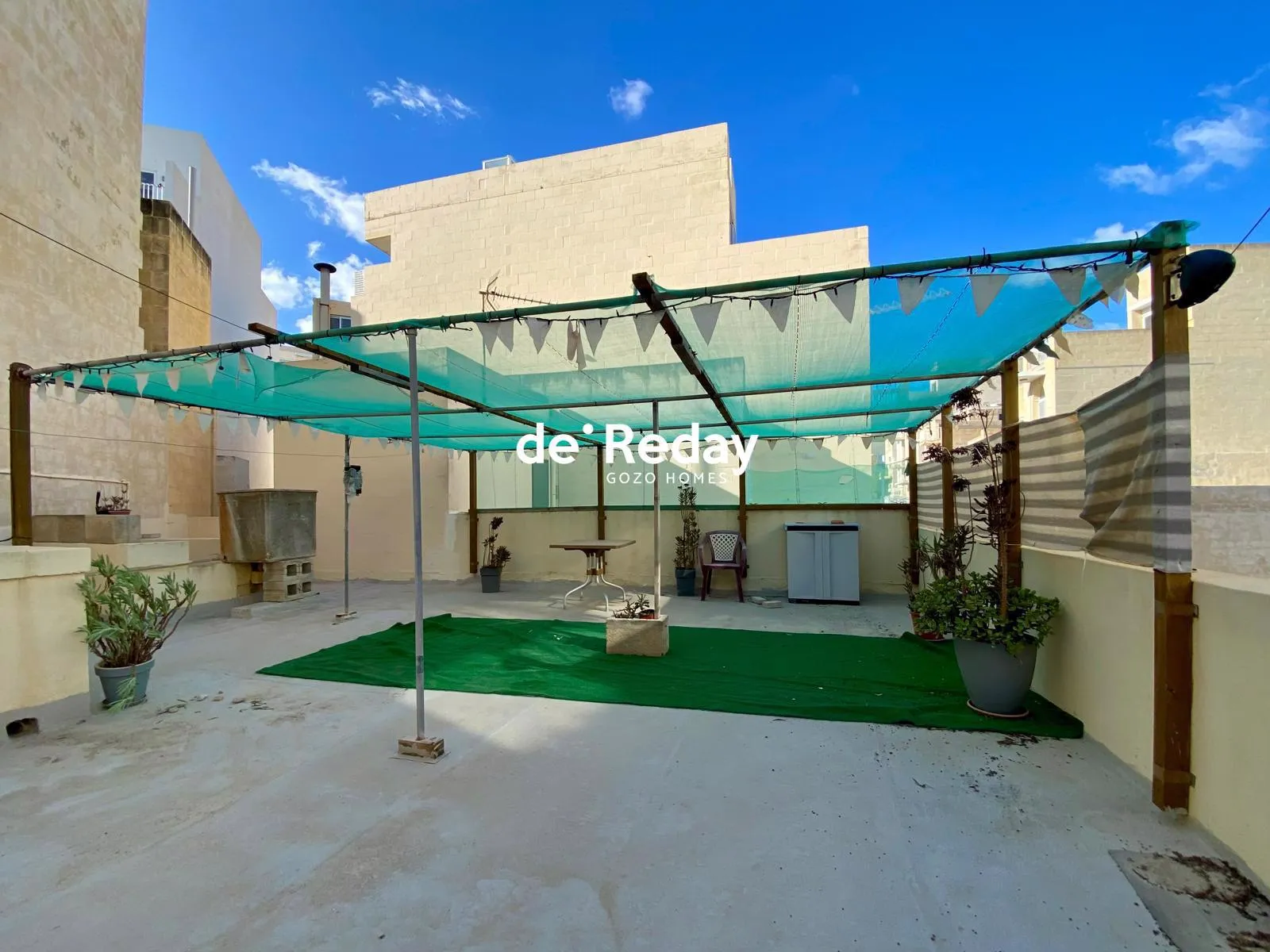
Charming Elevated Maisonette
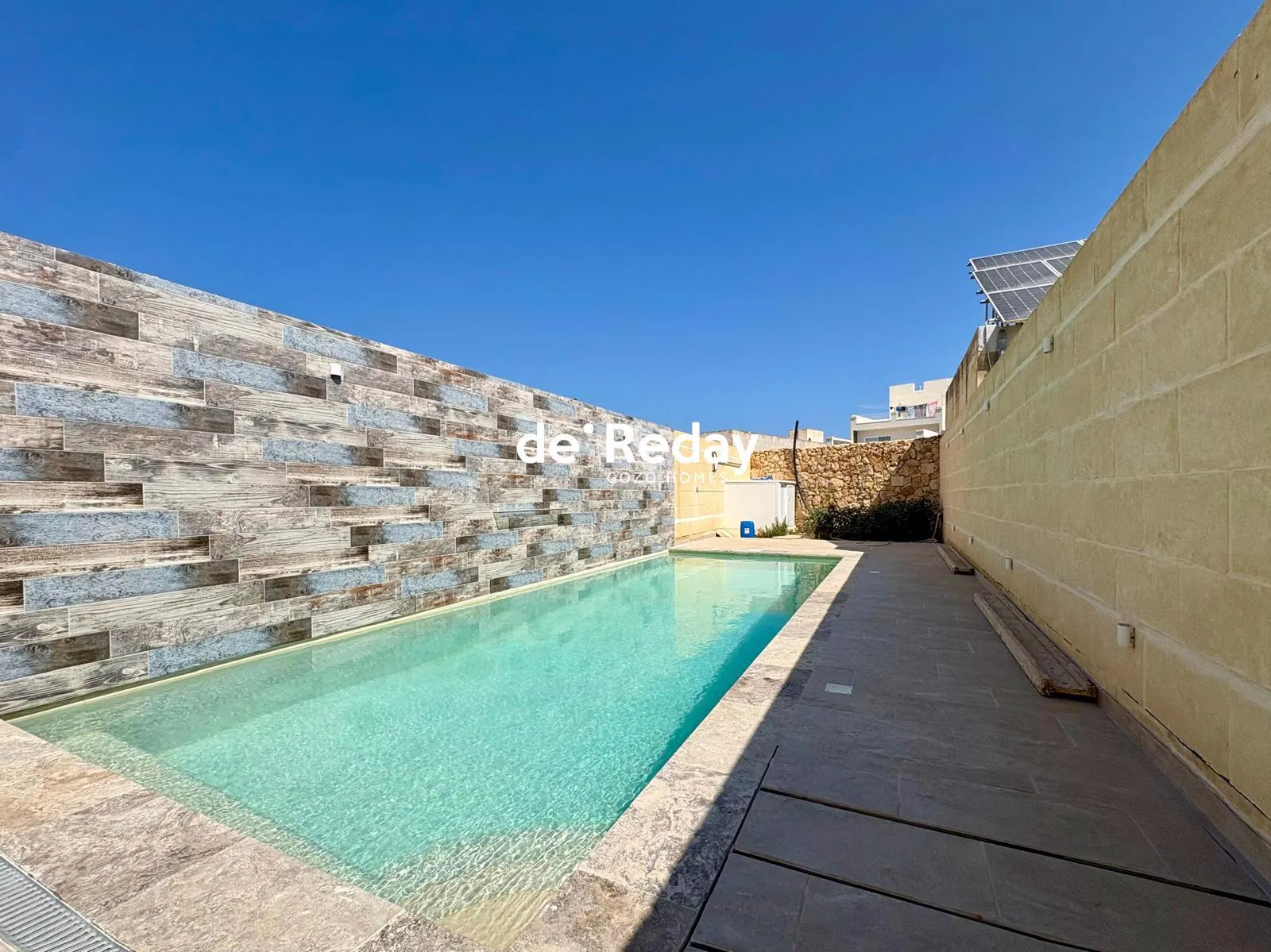
Brand New Maisonette with Pool
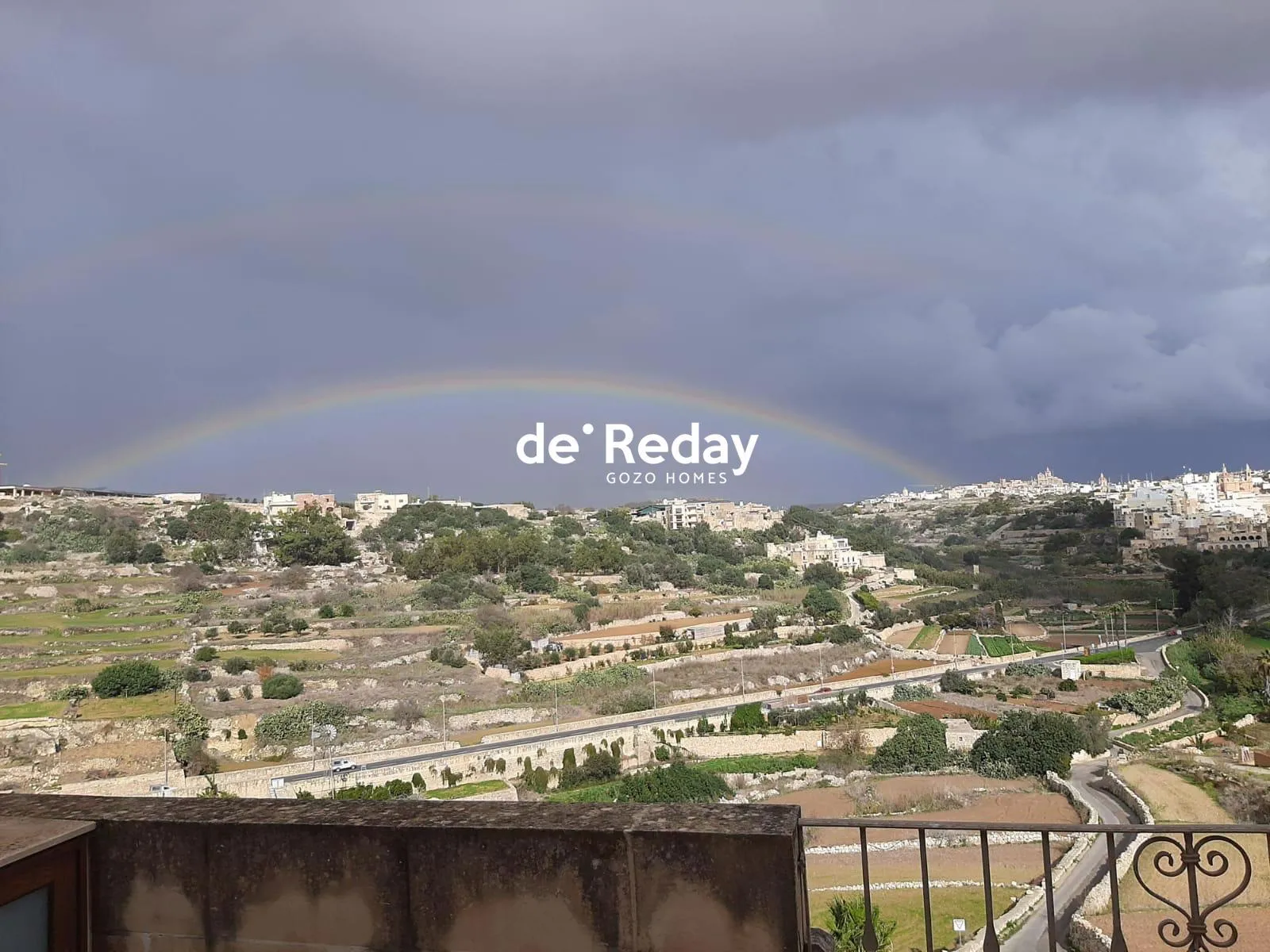
Charming 1 Bedroom Apartment in Munxar with Views