Naxxar vs Rabat
Side-by-side comparison of property prices, lifestyle, and practical info to help you choose the right area.
Summary
Both villages score 8/10 for family-friendliness and safety, but differ in lifestyle. Naxxar sits elevated with views stretching from Mdina to the coast, benefiting from breezier temperatures. Rabat, neighbouring Mdina, offers Roman catacombs, the Domus Romana, and a stronger dining scene (7/10 vs Naxxar's 5/10) anchored by established restaurants and 24-hour pastizzi at Is-Serkin. Rabat's property prices run 20-30% below coastal areas, making it one of Malta's more affordable inland options.
Transport is comparable: Naxxar connects via routes 46 and 202 to Valletta and the north, with a 20-minute drive to the airport. Rabat uses routes 51 and 52 from Valletta, reaching the airport in 25 minutes by car. Both are car-dependent — beaches require 15-20 minutes' driving from either location, and coastal business hubs like Sliema and St. Julian's take 25-30 minutes. Naxxar holds 14,600 residents to Rabat's 11,800, though both maintain quiet streets and strong community atmospheres.
Living in Naxxar
Naxxar is an elevated inland village in northern Malta with panoramic views stretching from Mdina to the coast. The name may derive from 'nassar' (to hang), possibly referring to the gallows that once stood at the village crossroads — a macabre origin story that the cheerful town square gives no hint of today. The village core is a classic Maltese hilltop settlement: narrow streets radiating from a baroque parish church, limestone houses with painted doors and overflowing planters, and a main square where old men play cards under shade trees. The Naxxar parish church, dedicated to the Nativity of Mary, has one of the most elaborate interiors in Malta, with marble columns and gilded arches that surprise visitors expecting a simple village church. Naxxar's hilltop position makes it one of the cooler and breezier spots on Malta — a small but meaningful advantage during the humid summer months. Property is more affordable than the coastal strip, and the village has a quiet, established feel that attracts families and retirees. The trade-off is car dependency — Naxxar is inland, and while buses connect to Valletta and Mosta, most residents drive.
Highlights
- Hilltop position with views from Mdina to the coast
- Elaborate baroque parish church interior
- Cooler and breezier than coastal areas
- Traditional Maltese village atmosphere
- Close to Mosta and St. Paul's Bay
Living in Rabat
Rabat is Mdina's neighbour — where the Silent City's walls end, Rabat begins. But where Mdina is a museum piece, Rabat is a living town. The name means 'suburb' in Arabic, a reference to its origins as the residential quarter outside the old capital's walls. Today it's one of Malta's most characterful towns, with a mix of historic architecture, traditional village life, and a growing food scene that draws Maltese from across the island. The town is built on top of a network of catacombs — underground burial chambers dating back to Roman times. St. Paul's Catacombs, where the apostle is said to have sheltered after his shipwreck on Malta, are the most famous, but there are several sites open to visitors. Above ground, Rabat's narrow streets hide grand palazzos, wayside chapels, and the Domus Romana, a reconstructed Roman townhouse with some of the finest mosaics in the Mediterranean. Rabat offers a different pace of life from the coastal towns. Property is more affordable, streets are quieter, and there's a genuine village atmosphere that's disappearing from much of Malta. The trade-off is distance — Rabat sits inland, and reaching Sliema or Valletta takes 25–30 minutes by car. For some, that distance is exactly the point.
Highlights
- St. Paul's Catacombs — underground Roman burial chambers
- Adjacent to Mdina's city walls
- Growing restaurant and cafe scene
- More affordable property than coastal Malta
- Authentic Maltese village atmosphere
Lifestyle Comparison
Frequently Asked Questions
Available Properties
Naxxar (10 listings)
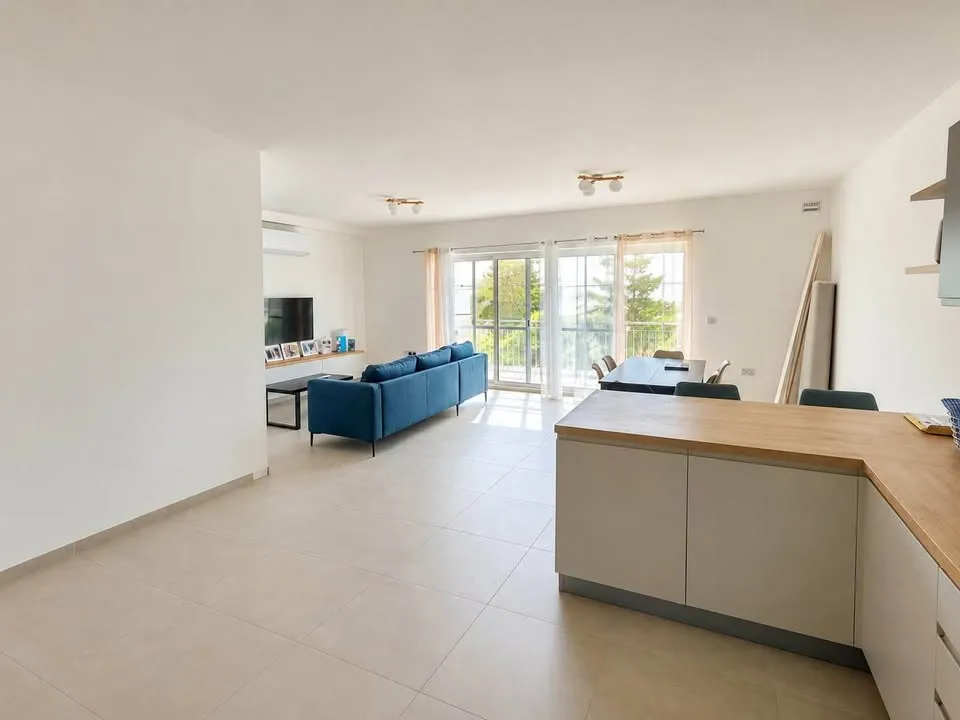
NAXXAR - 3 DOUBLE BEDROOMS APARTMENT FOR RENT
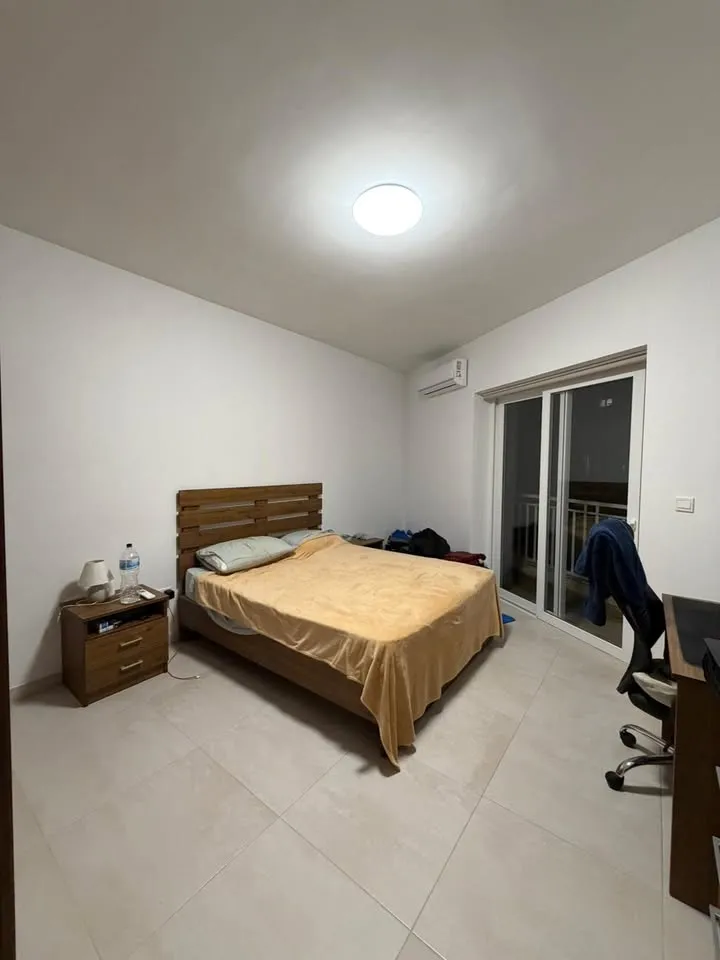
Modern 2 bedroom apartment in Naxxar
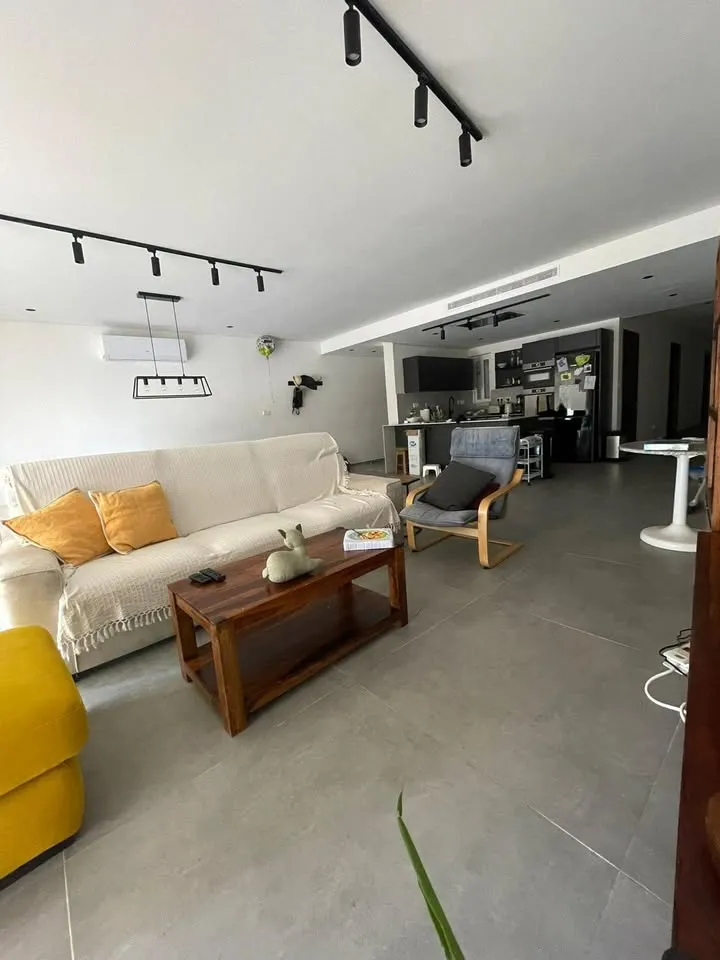
Naxxar – Spacious 3-Bedroom Apartment
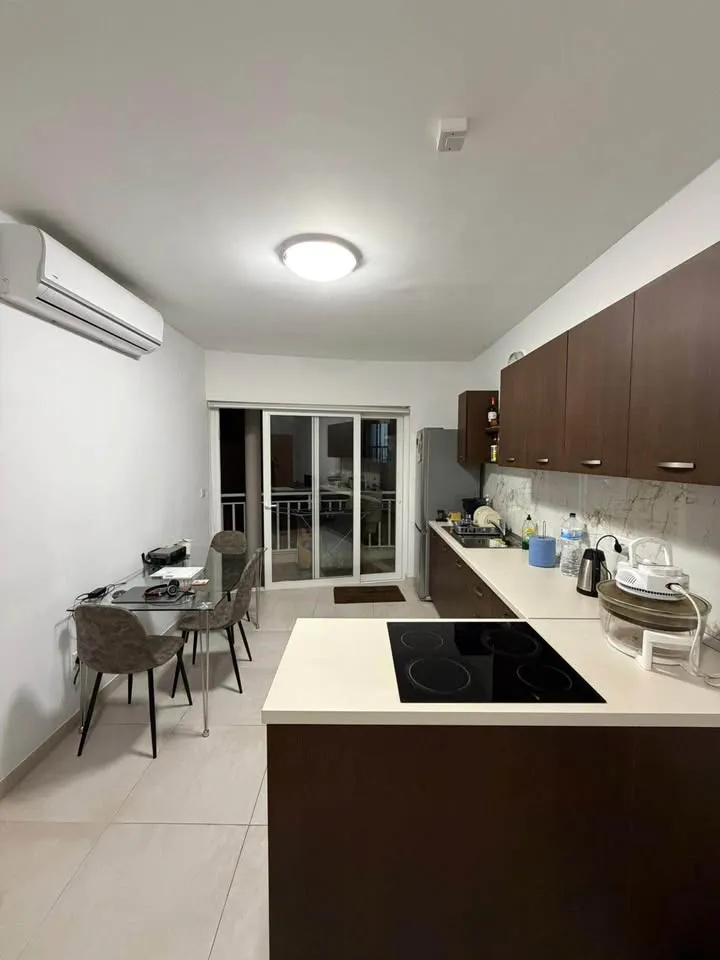
Modern 2 bedroom apt in Naxxar
Rabat (9 listings)
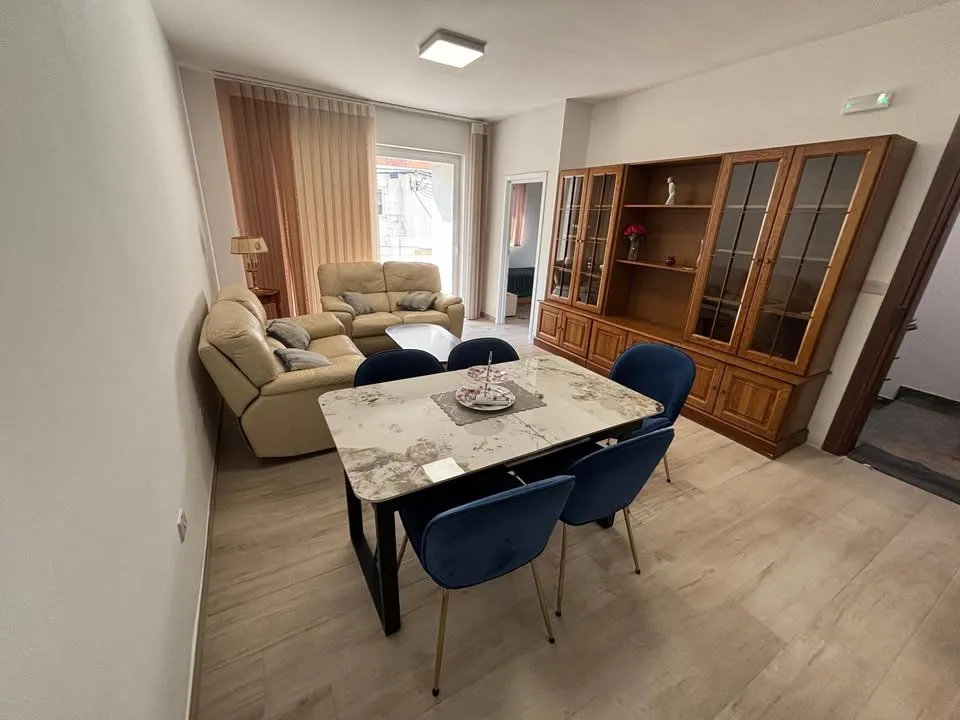
Brand new Property in RABAT
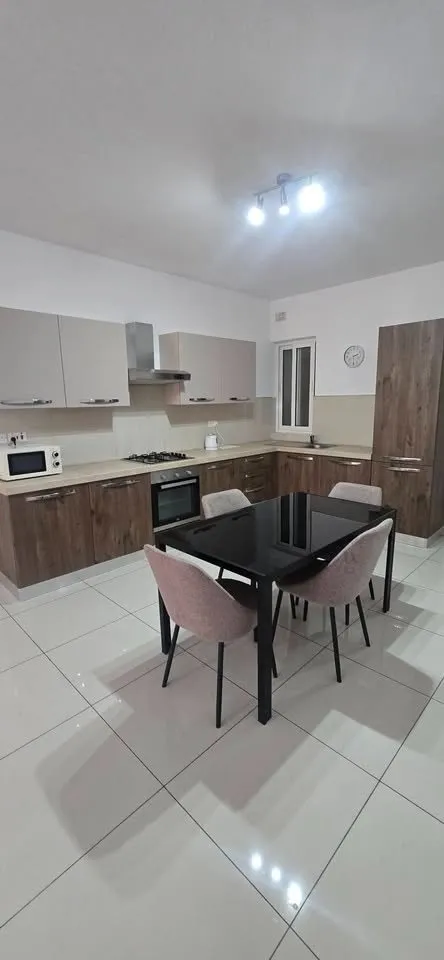
Bahrija Modern Apartment : Bargain!
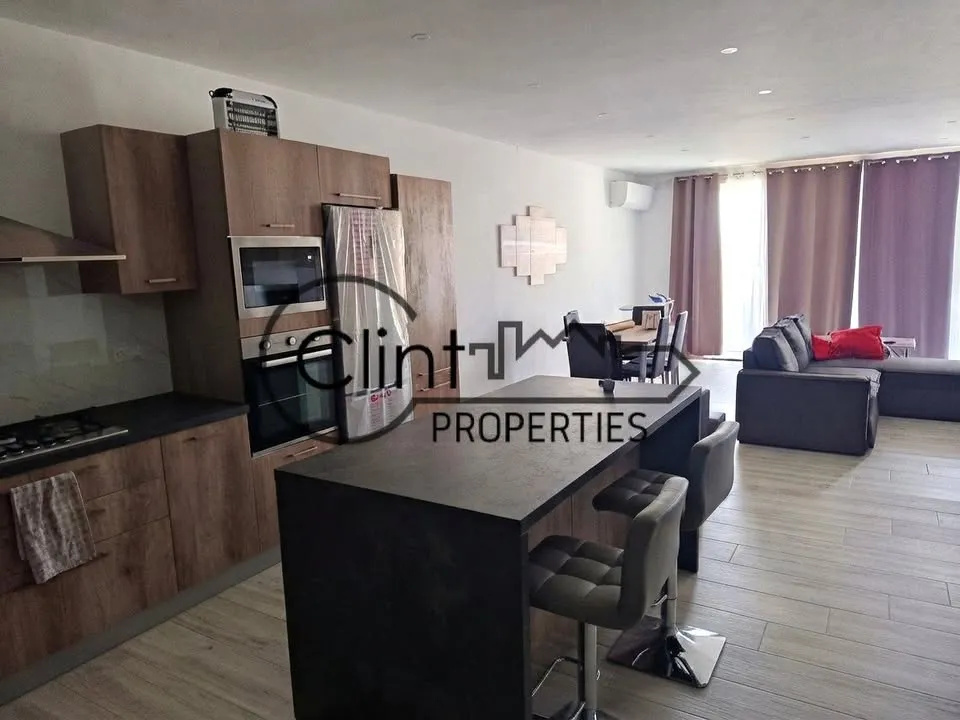
Three Bedroom Apartment in Rabat (Bahrija Area) for Rent