Paola vs St. Paul's Bay
Side-by-side comparison of property prices, lifestyle, and practical info to help you choose the right area.
Summary
Paola scores 9/10 for transport connectivity as a major southern bus interchange with routes directly serving Valletta, the airport (10 minutes by car), and the Three Cities. Property prices are among the most affordable in the harbour region. The town has a family rating of 7/10 but scores lower on safety (6/10), beaches (3/10), and nightlife (3/10). It functions primarily as a commercial and administrative centre, home to Malta's law courts and the UNESCO-listed Hal Saflieni Hypogeum.
St. Paul's Bay rates higher for safety (8/10), beaches (7/10), and dining (6/10), with a population of 25,700 spread across areas including Bugibba, Qawra, and Xemxija. The airport is 30 minutes away by car, and the Gozo ferry terminal at Cirkewwa is 20 minutes north. Coastal property here remains affordable compared to central Malta, though summer crowds and parking pressure affect the tourist zones. Both areas share a family rating of 7/10.
Living in Paola
Paola is a busy southern town that serves as a gateway to the harbour area — the first major settlement you hit coming from the south toward the Three Cities and Valletta. Named after Grand Master Antoine de Paule, who founded it in the 1620s, Paola has evolved into a substantial residential and commercial hub with Malta's law courts, a large shopping district, and some of the island's most important archaeological sites. The Kordin temples and the Hypogeum sit within or near Paola's boundaries, making it archaeologically rich despite its modern appearance. The town's main square and parish church form the traditional centre, but Paola's commercial stretch along the main road is where daily life happens — hardware stores, bakeries, wedding dress shops, and a weekly outdoor market that draws bargain hunters from across Malta. Property in Paola is affordable and practical. The town sits at a transport crossroads — buses to Valletta, the Three Cities, and the south all pass through or near Paola. Corradino prison sits on the hilltop to the east, which affects property values in its immediate vicinity, but the rest of the town offers solid value for money in a well-connected location.
Highlights
- Hal Saflieni Hypogeum — UNESCO underground temple
- Malta's law courts and government offices
- Major bus interchange for southern Malta
- Affordable property with practical convenience
- Large commercial district with outdoor market
Living in St. Paul's Bay
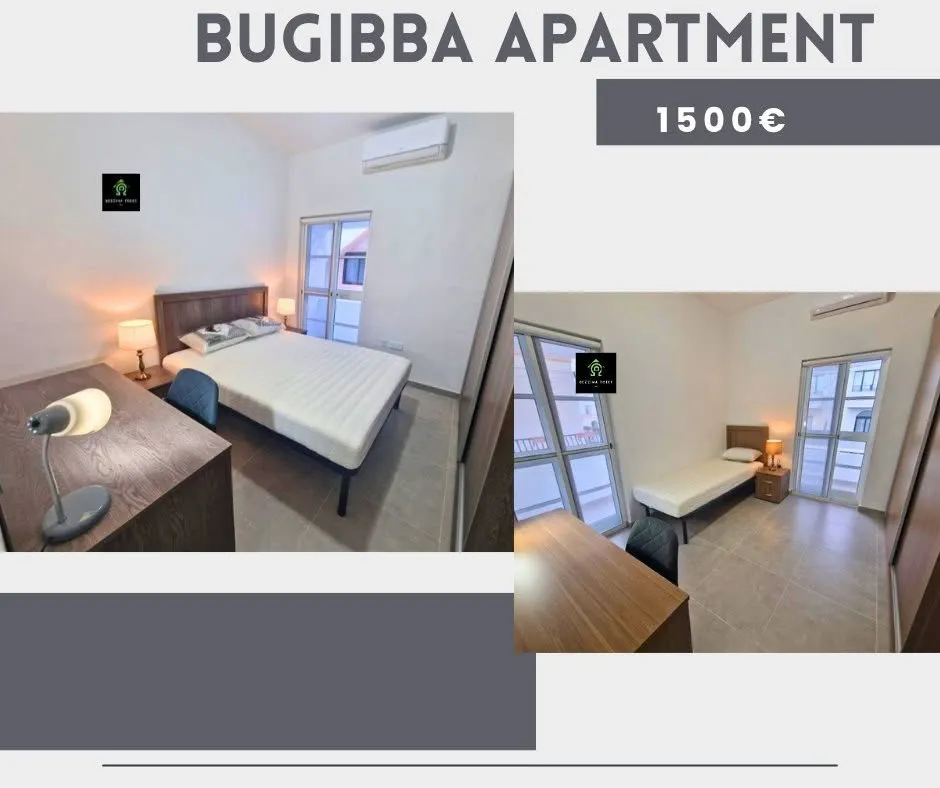
St. Paul's Bay is Malta's largest northern coastal town — a sprawling stretch of shoreline that encompasses the old fishing village of Xemxija, the tourist strips of Bugibba and Qawra, and the residential community of Burmarrad inland. According to the Bible, St. Paul was shipwrecked here in AD 60, an event that brought Christianity to Malta and gave the area its name. The town has grown explosively over the past two decades, transforming from a quiet seasonal resort into a year-round community of over 25,000 residents. Retired British expats, Maltese families priced out of the central coast, and a growing number of foreign workers have all settled here, drawn by coastal living at more manageable prices than Sliema or St. Julian's. The waterfront is the town's main asset — a long promenade connecting the old fisherman's quay to Bugibba's square to Qawra's rocky beaches. The Malta National Aquarium sits at the Bugibba end, and the Xemxija Heritage Walk traces ancient cart ruts and Roman roads into the hills. Properties range from modern seafront apartments to older terraced houses inland, with prices significantly below the central coast.
Highlights
- Malta's largest coastal town by population
- Biblical shipwreck site of St. Paul
- Malta National Aquarium at Bugibba
- Rocky beaches and coastal promenade
- More affordable than the central coast
Lifestyle Comparison
Which Area Is Right For You?
Choose Paola
Paola comes out ahead in transport .
Choose St. Paul's Bay
St. Paul's Bay comes out ahead in dining, safety, beaches, nightlife .
Frequently Asked Questions
Available Properties
Paola (2 listings)
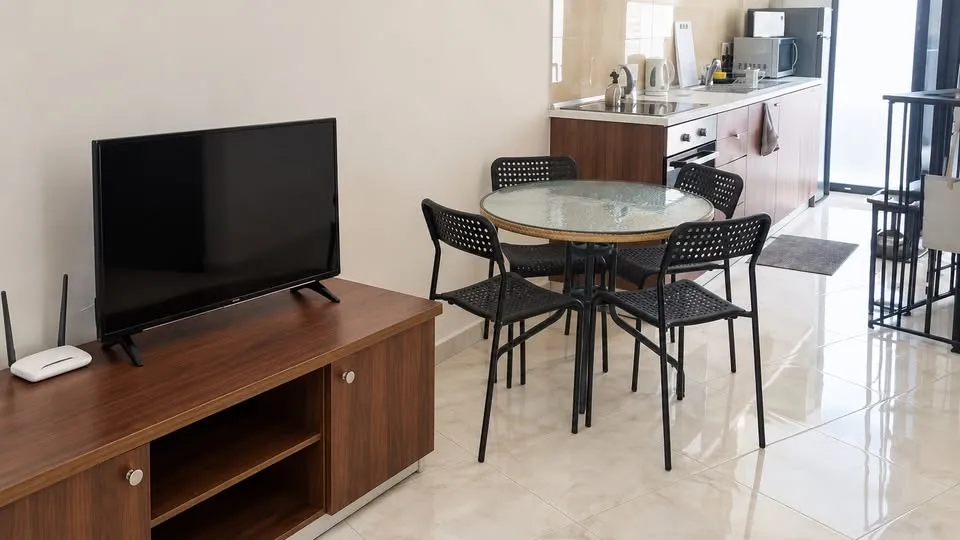
Modern 1-Bedroom Penthouse in Paola
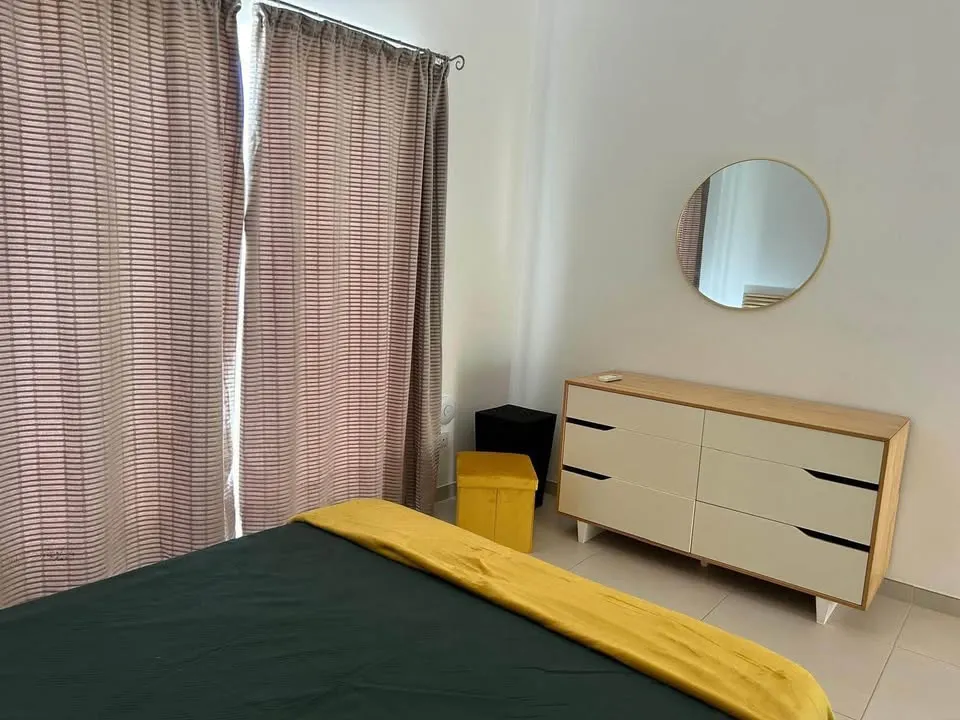
To Rent | Paola
St. Paul's Bay (39 listings)
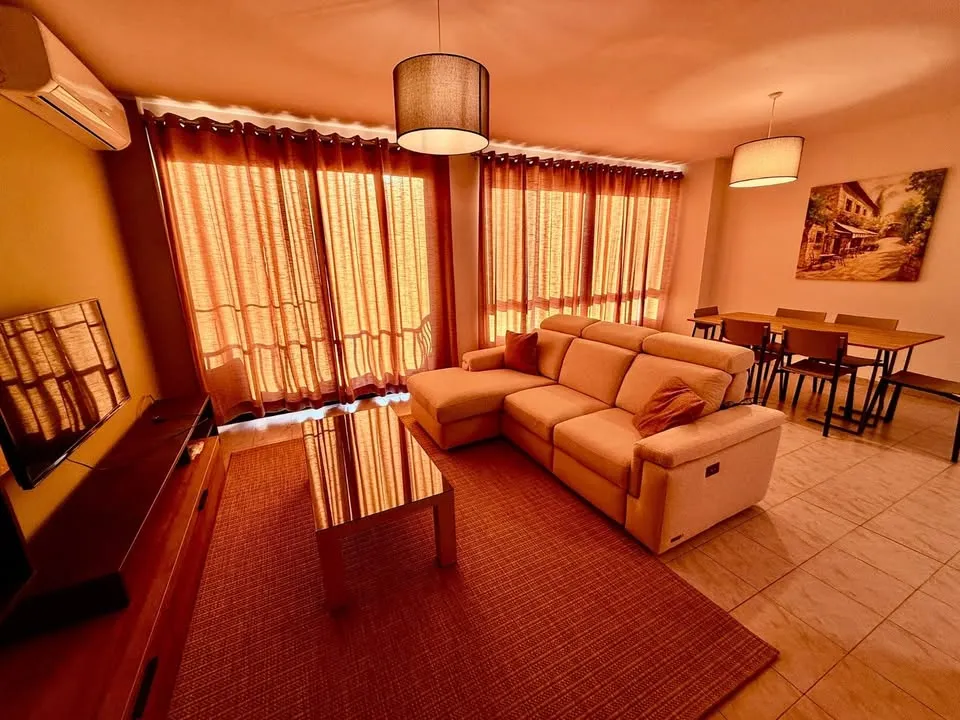
3 bedroom & 2 bathroom Apartment in St Pauls Bay
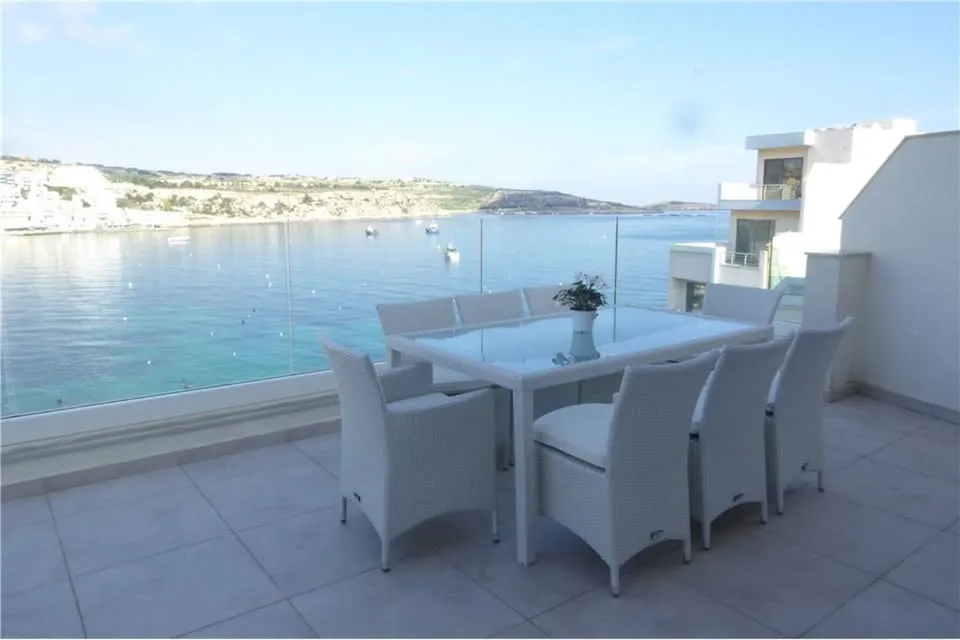
St. Paul's Bay 3 Bedroom Corner Apartment with Sea Views
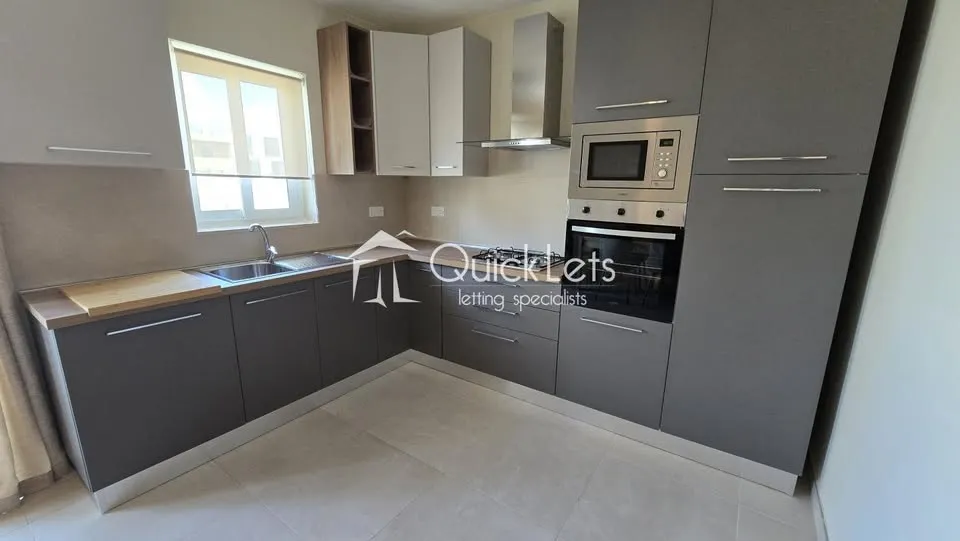
St. Paul’s Bay – Brand New 2-Bedroom Apartment