Qawra vs St. Paul's Bay
Side-by-side comparison of property prices, lifestyle, and practical info to help you choose the right area.
Summary
Living in Qawra
Qawra is the quieter neighbour of Bugibba — a coastal resort area on St. Paul's Bay that shares the same tourist infrastructure but with a more relaxed pace. The name means 'rounded' in Maltese, referring to the shape of the rocky peninsula that juts into the sea. Where Bugibba is loud and commercial, Qawra is slightly more subdued, with a long coastal promenade, rocky swimming platforms, and a cluster of hotels and apartment blocks. The Qawra promenade is one of the longest continuous seafront walks in Malta, stretching from Bugibba's aquarium all the way to Salina Bay. The salt pans at Salina are one of the oldest in Malta, still producing sea salt using traditional methods. The Qawra Point tower, a Knights-era watchtower, sits at the tip of the peninsula. Property in Qawra mirrors Bugibba's market — affordable purchase prices and solid rental yields from tourist demand. The area is popular with British retirees and long-stay visitors who prefer Qawra's slightly calmer atmosphere over Bugibba's bustle. Winter occupancy is better than most Maltese resorts thanks to the retiree community.
Highlights
- Longest seafront promenade in northern Malta
- Salina salt pans — traditional sea salt production
- Knights-era watchtower at Qawra Point
- Steady rental yields from retiree community
- Slightly quieter alternative to neighbouring Bugibba
Living in St. Paul's Bay
St. Paul's Bay is Malta's largest northern coastal town — a sprawling stretch of shoreline that encompasses the old fishing village of Xemxija, the tourist strips of Bugibba and Qawra, and the residential community of Burmarrad inland. According to the Bible, St. Paul was shipwrecked here in AD 60, an event that brought Christianity to Malta and gave the area its name. The town has grown explosively over the past two decades, transforming from a quiet seasonal resort into a year-round community of over 25,000 residents. Retired British expats, Maltese families priced out of the central coast, and a growing number of foreign workers have all settled here, drawn by coastal living at more manageable prices than Sliema or St. Julian's. The waterfront is the town's main asset — a long promenade connecting the old fisherman's quay to Bugibba's square to Qawra's rocky beaches. The Malta National Aquarium sits at the Bugibba end, and the Xemxija Heritage Walk traces ancient cart ruts and Roman roads into the hills. Properties range from modern seafront apartments to older terraced houses inland, with prices significantly below the central coast.
Highlights
- Malta's largest coastal town by population
- Biblical shipwreck site of St. Paul
- Malta National Aquarium at Bugibba
- Rocky beaches and coastal promenade
- More affordable than the central coast
Lifestyle Comparison
Which Area Is Right For You?
Choose Qawra
Qawra comes out ahead in dining, nightlife .
Choose St. Paul's Bay
St. Paul's Bay comes out ahead in family, safety, beaches, transport .
Frequently Asked Questions
Available Properties
Qawra (22 listings)
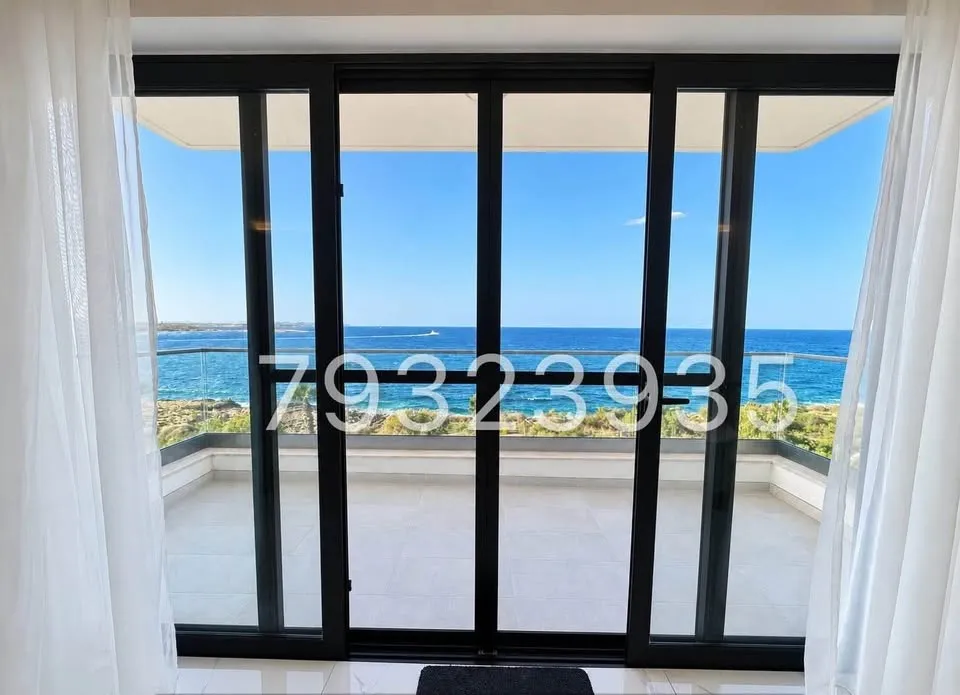
Seafront Apartment for Long Let in Qawra
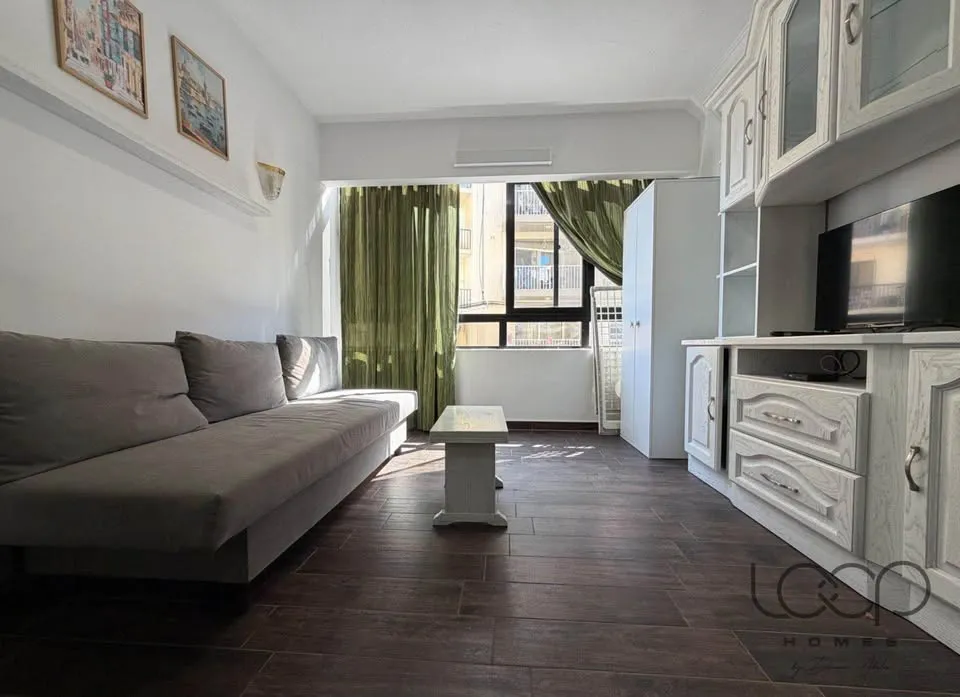
Modern 2 Bedroom Apartment in Qawra
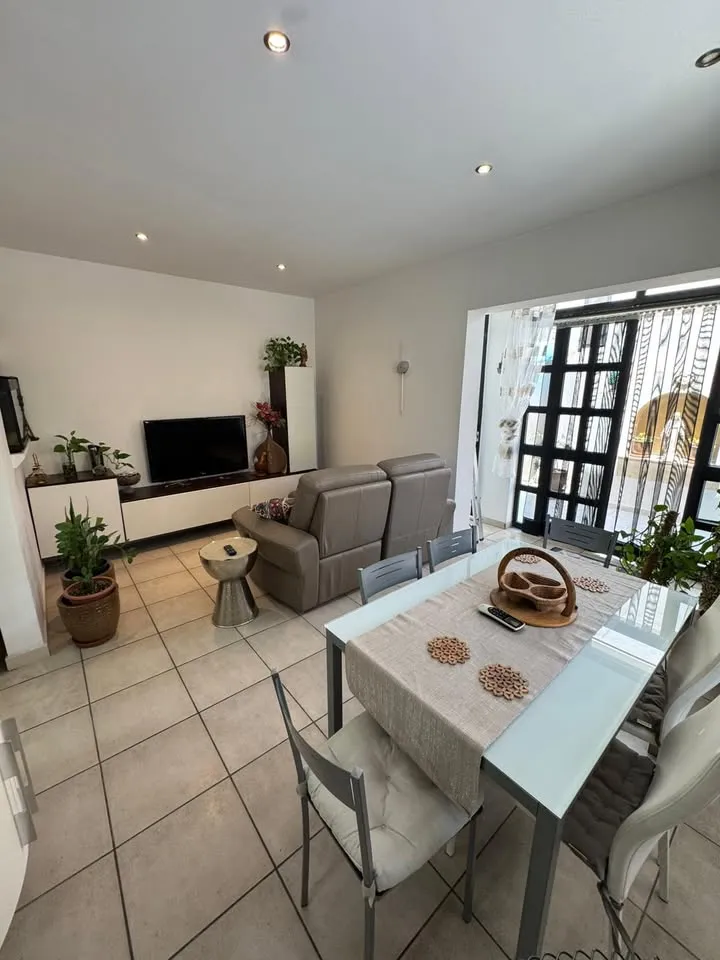
Terraced House - Qawra - 3 bedrooms
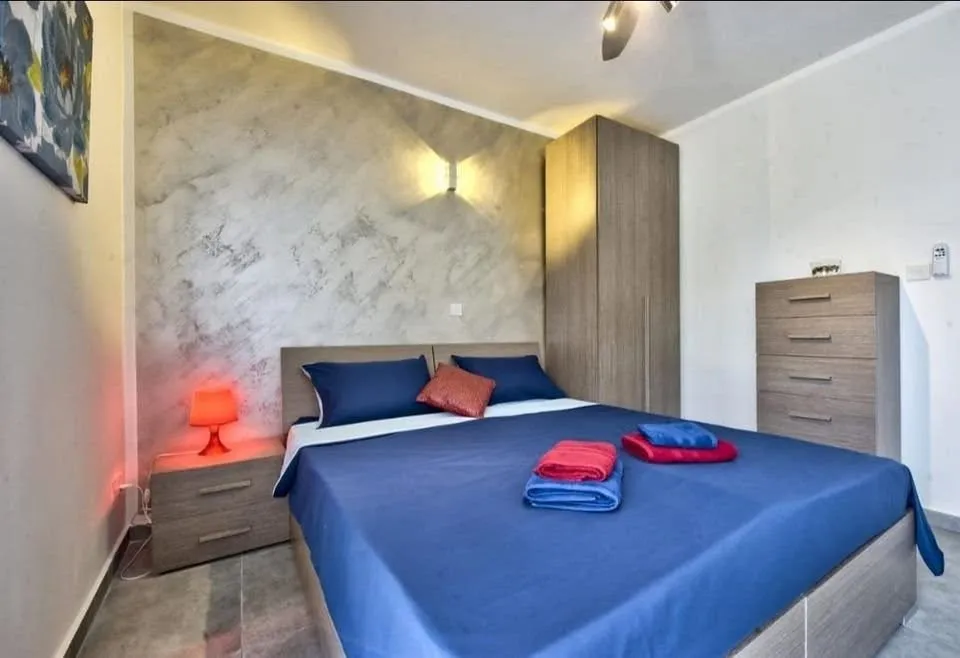
Modern Apartment in the heart of Qawra
St. Paul's Bay (46 listings)
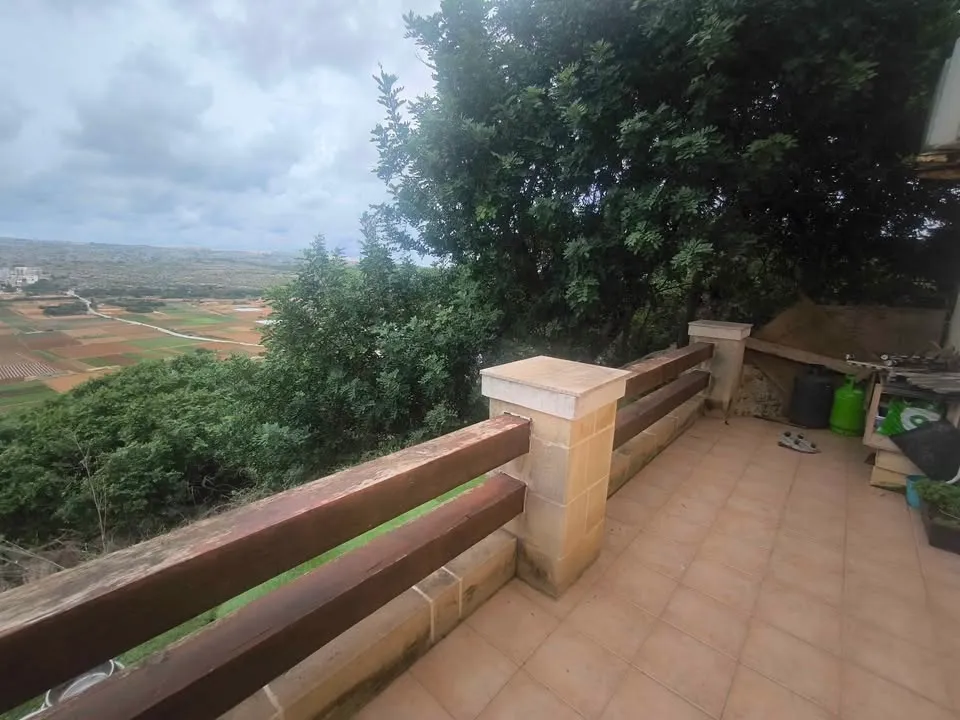
Tuffieha Farm House in San Pawl il-Baħar
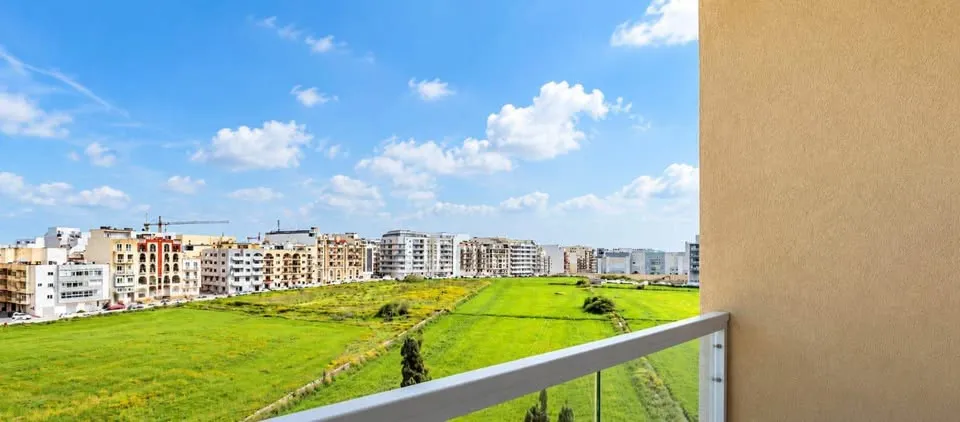
Brand-new 2-bedroom apartment in Qawra
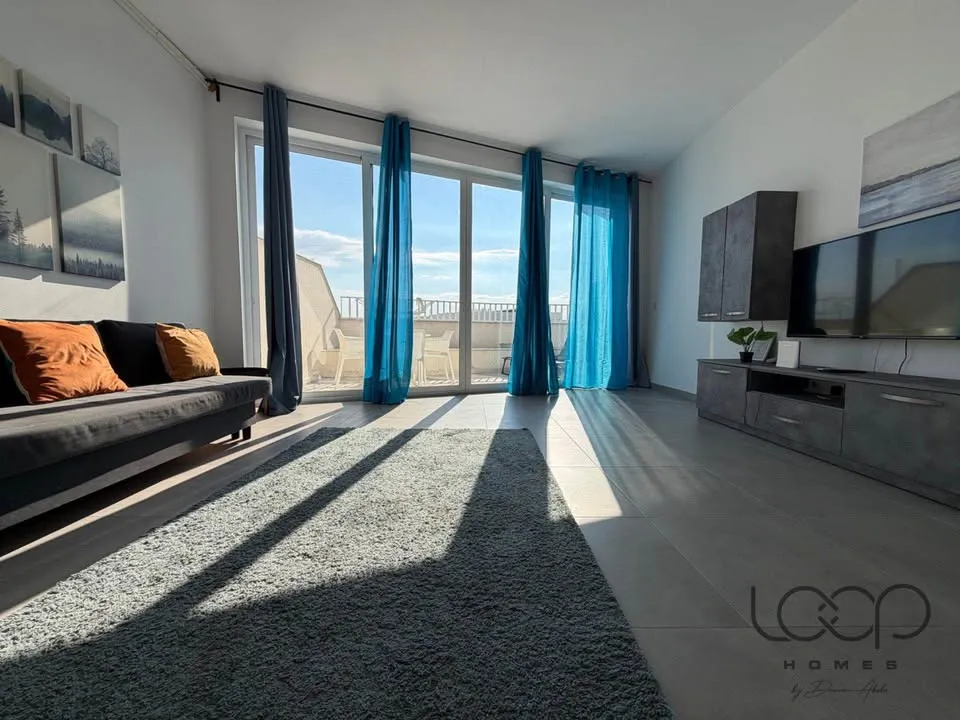
Modern 2 Bedroom Penthouse in Qawra/San Pawl il-Baħar