Qawra vs Xewkija
Side-by-side comparison of property prices, lifestyle, and practical info to help you choose the right area.
Summary
Living in Qawra
Qawra is the quieter neighbour of Bugibba — a coastal resort area on St. Paul's Bay that shares the same tourist infrastructure but with a more relaxed pace. The name means 'rounded' in Maltese, referring to the shape of the rocky peninsula that juts into the sea. Where Bugibba is loud and commercial, Qawra is slightly more subdued, with a long coastal promenade, rocky swimming platforms, and a cluster of hotels and apartment blocks. The Qawra promenade is one of the longest continuous seafront walks in Malta, stretching from Bugibba's aquarium all the way to Salina Bay. The salt pans at Salina are one of the oldest in Malta, still producing sea salt using traditional methods. The Qawra Point tower, a Knights-era watchtower, sits at the tip of the peninsula. Property in Qawra mirrors Bugibba's market — affordable purchase prices and solid rental yields from tourist demand. The area is popular with British retirees and long-stay visitors who prefer Qawra's slightly calmer atmosphere over Bugibba's bustle. Winter occupancy is better than most Maltese resorts thanks to the retiree community.
Highlights
- Longest seafront promenade in northern Malta
- Salina salt pans — traditional sea salt production
- Knights-era watchtower at Qawra Point
- Steady rental yields from retiree community
- Slightly quieter alternative to neighbouring Bugibba
Living in Xewkija
Xewkija is one of Gozo's oldest villages, sitting on a plateau between Victoria and the eastern coast. The village is dominated by the Rotunda of St. John the Baptist — a colossal church whose dome is visible from nearly every point on the island. At 74 metres in diameter, it is one of the largest unsupported domes in Europe, exceeding St. Peter's Basilica in diameter, and it serves as a landmark for sailors approaching Gozo from the east. The village has a quiet, traditional character with narrow streets of old stone houses radiating from the church square. Xewkija is believed to be the first settlement established outside Victoria after the arrival of the Knights of St. John, and its name derives from the Maltese word for thorny bushes that once covered the area. The village retains a strong agricultural identity, with surrounding fields producing fruit, vegetables, and grapes for local wine. Property in Xewkija offers some of the best value in Gozo. Traditional townhouses with original stone arches and internal courtyards can be found at prices well below the coast. Newer developments have appeared along the main road toward Mgarr harbour, but the village core remains authentically Gozitan. The location is strategic — equidistant from Victoria, Mgarr ferry terminal, and the beaches of Ramla Bay.
Highlights
- The Rotunda — one of Europe's largest unsupported church domes at 74m diameter
- One of Gozo's oldest settlements, dating to the Knights of St. John era
- Strategic location between Victoria, Mgarr ferry, and Ramla Bay
- Some of the most affordable traditional property in Gozo
- Strong agricultural heritage with surrounding vineyards and fields
Lifestyle Comparison
Which Area Is Right For You?
Choose Qawra
Qawra comes out ahead in dining, nightlife, transport .
Choose Xewkija
Xewkija comes out ahead in family, safety, beaches .
Frequently Asked Questions
Available Properties
Qawra (25 listings)
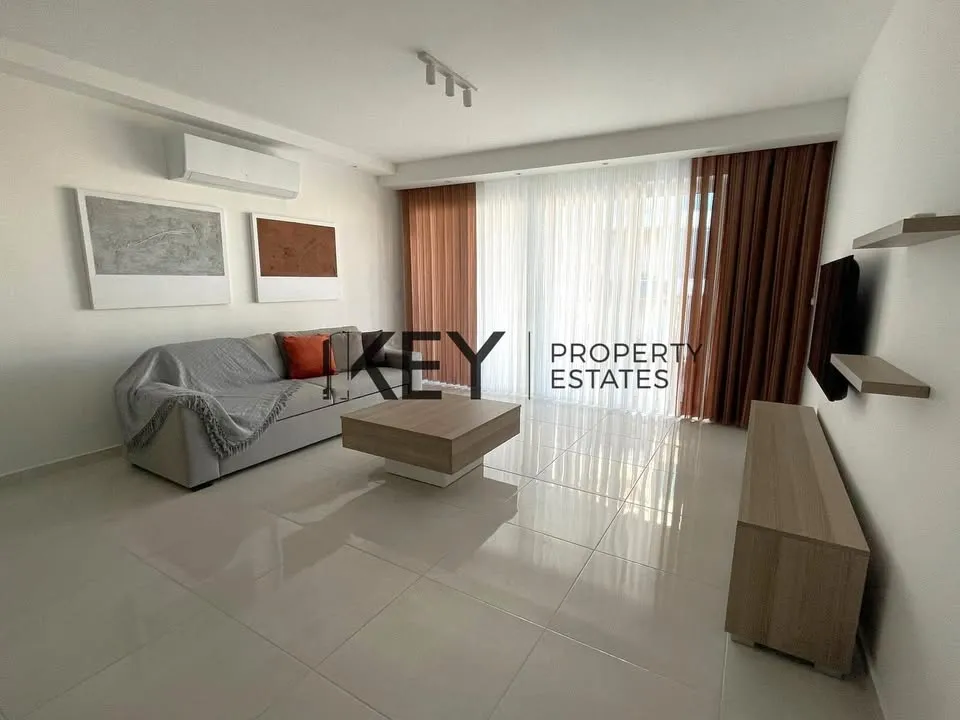
Modern and Spacious Fully Furnished 3 Bedroom Apartment in Qawra
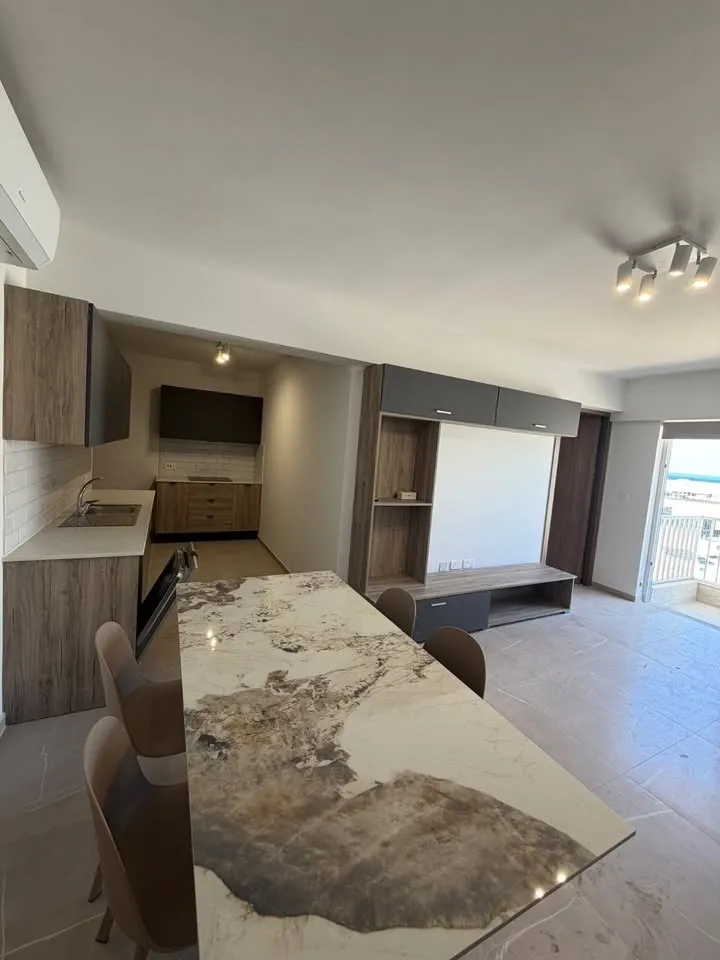
2 bedroom apartment in Qawra
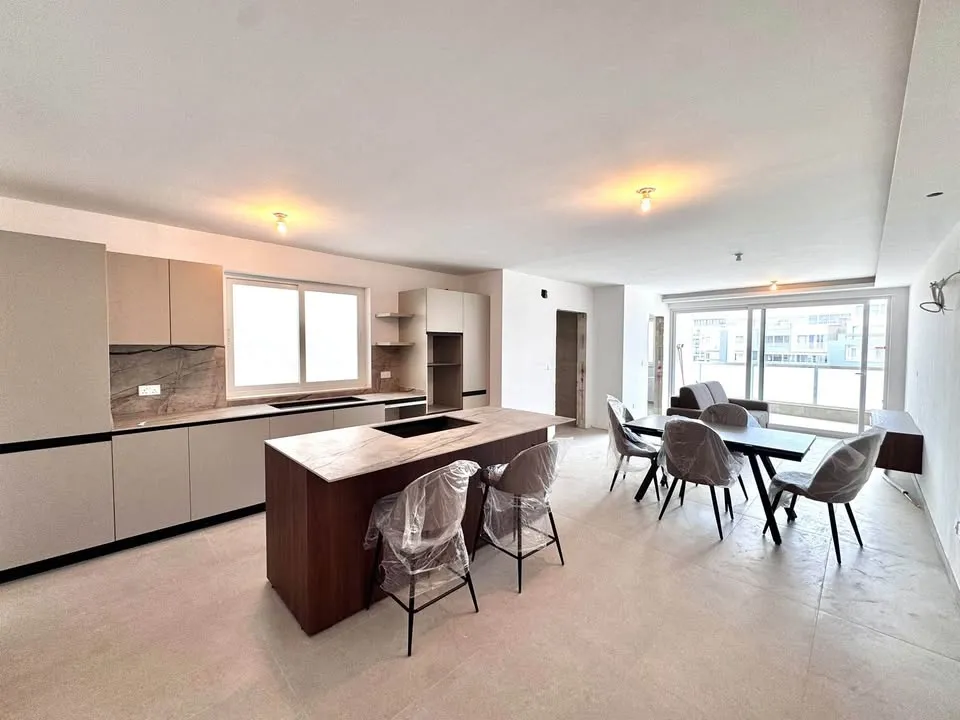
Brand-new 2-bedroom apartment in Qawra
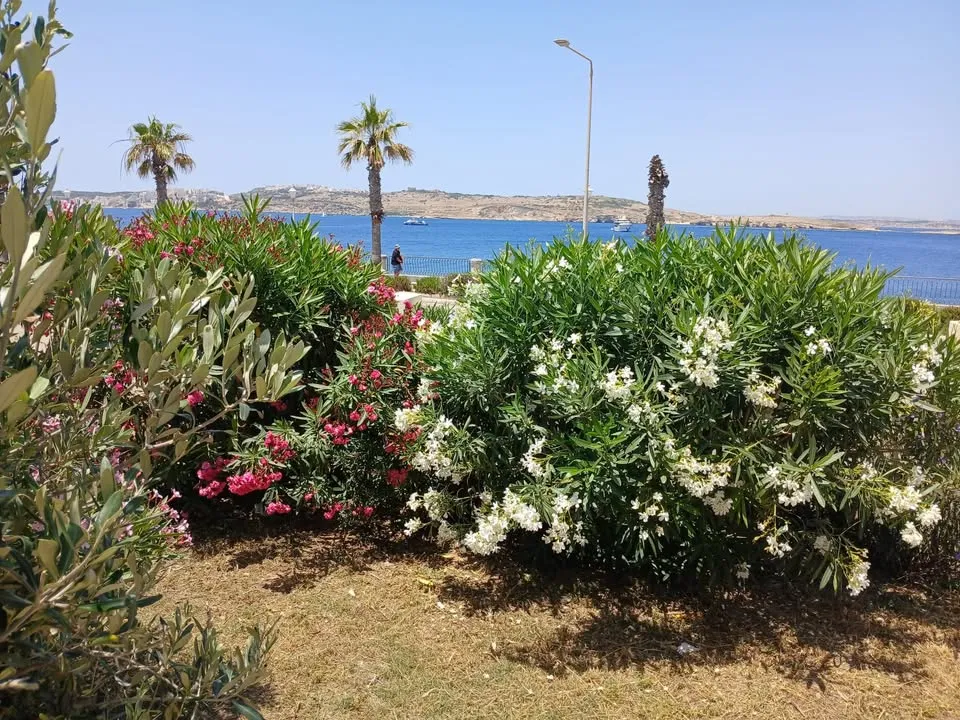
BUBGALOW - QAWRA A DREAM HOME
Xewkija (4 listings)
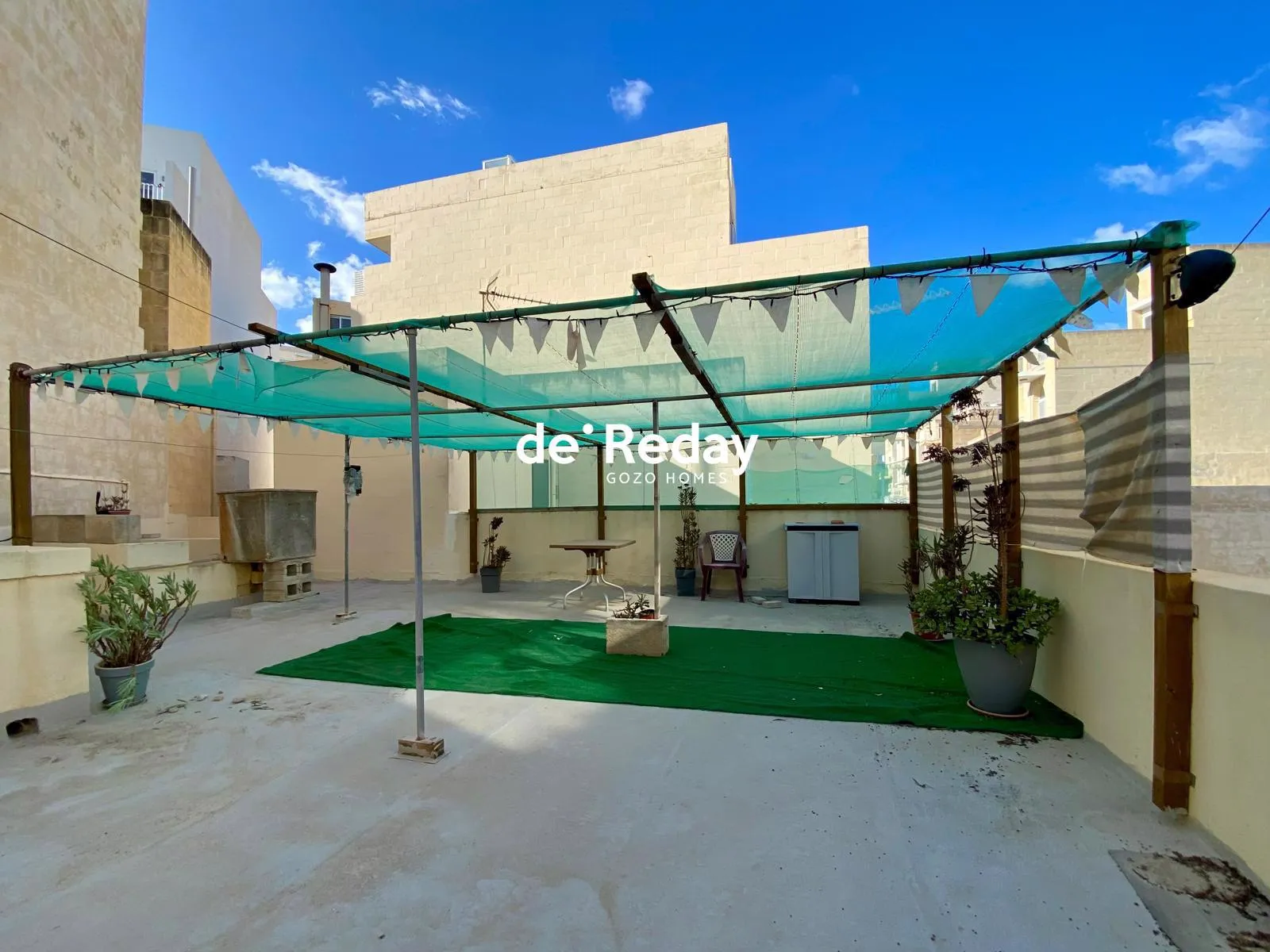
Charming Elevated Maisonette
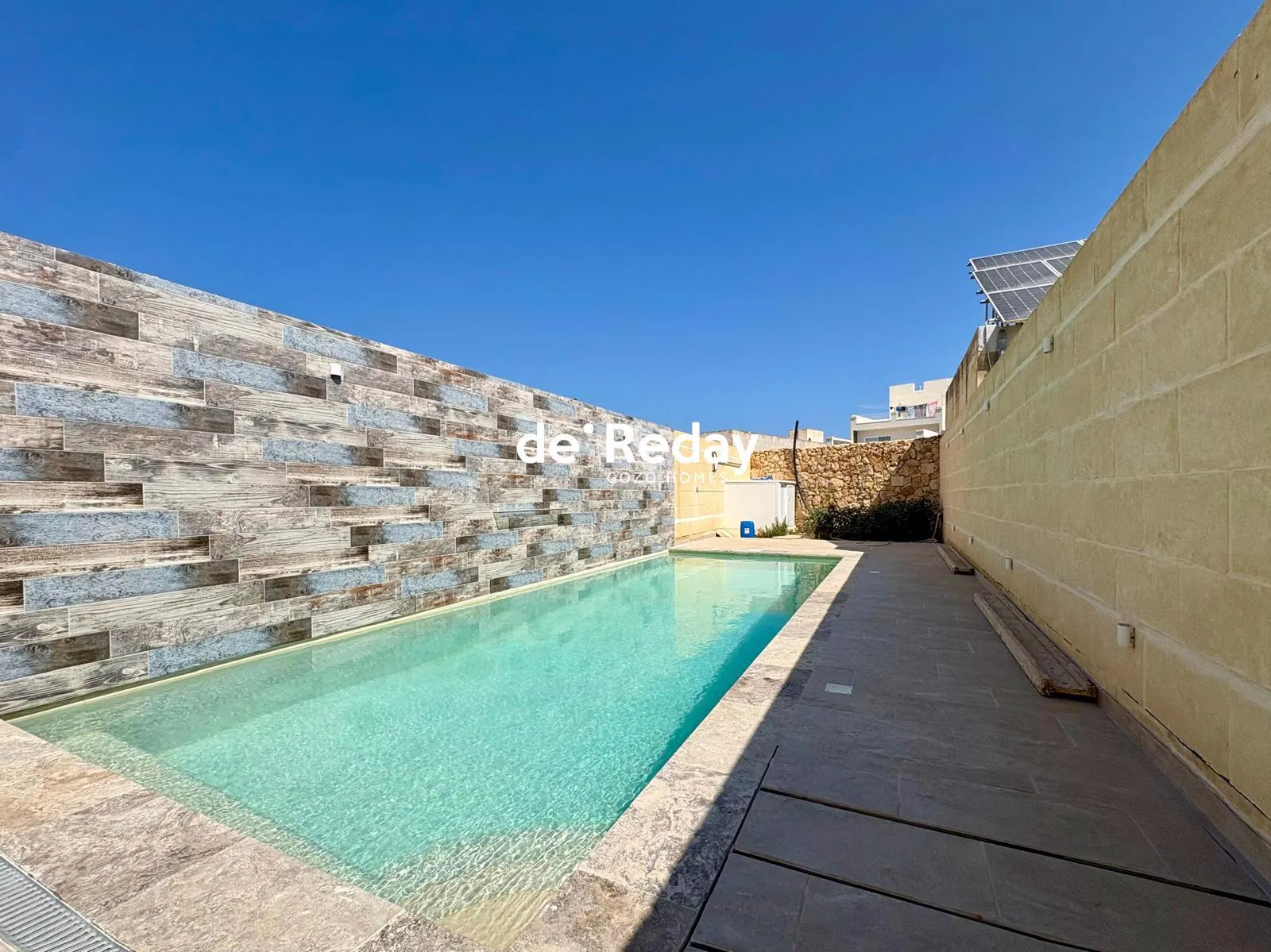
Brand New Maisonette with Pool
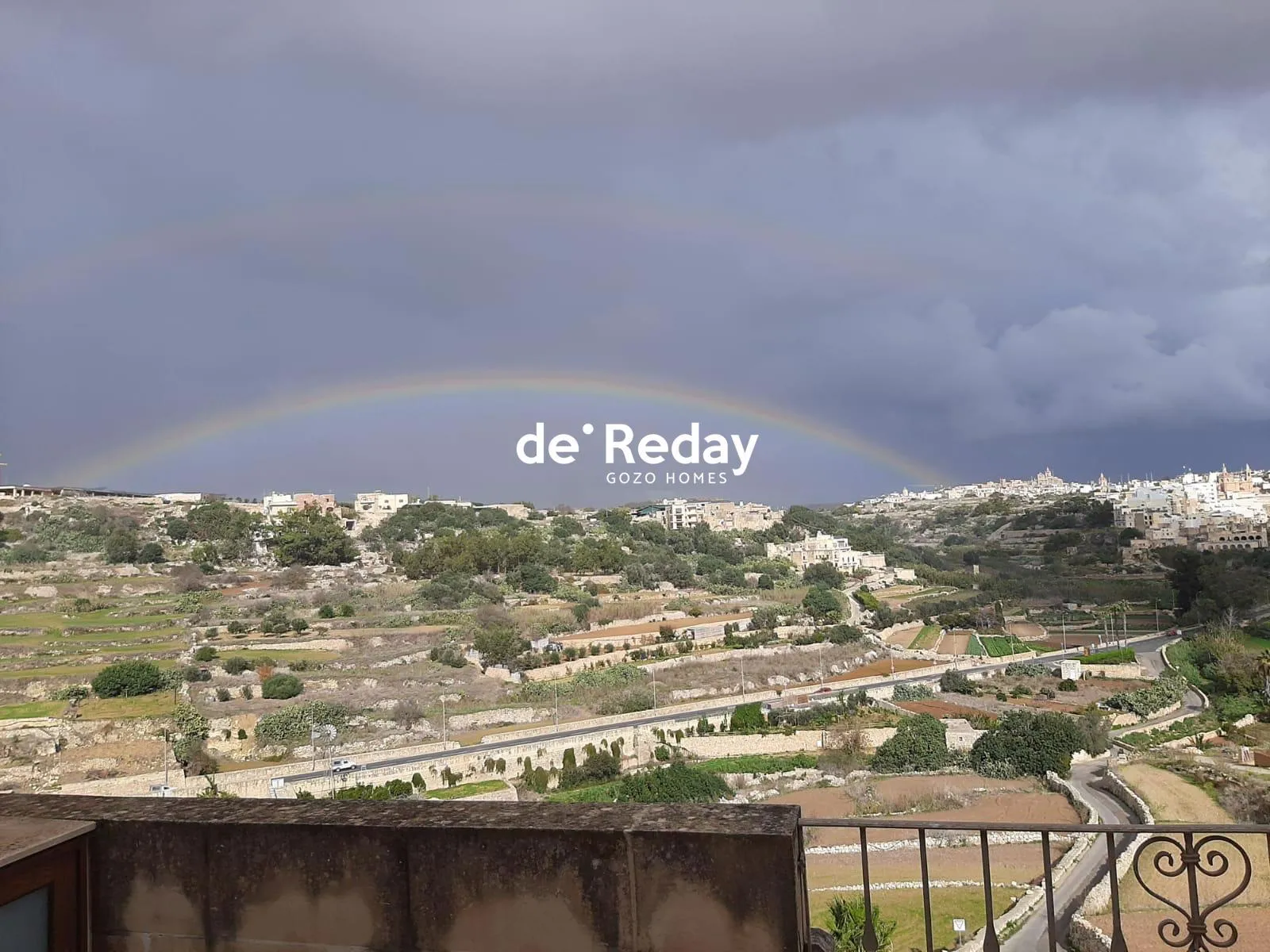
Charming 1 Bedroom Apartment in Munxar with Views