Qormi vs St. Paul's Bay
Side-by-side comparison of property prices, lifestyle, and practical info to help you choose the right area.
Summary
Traditional bakery town in central valley
Expansive northern coastal community
Living in Qormi
Qormi is Malta's bakery town — the island's traditional centre of bread-making, with family-run bakeries that have produced the daily hobz (Maltese bread) for generations. The town sits in a valley between Birkirkara and the southern towns, and its low-lying position has made it historically prone to flooding — a problem that recent drainage projects have begun to address. The town is substantial — one of Malta's largest — with a split identity. The old centre clusters around two parish churches (Qormi is divided into two parishes, an unusual arrangement) and a maze of traditional streets. The newer areas extend toward the harbour, including industrial zones and the Marsa sports complex. Qormi's bakeries still produce the crusty sourdough loaves that are a staple of Maltese cuisine. Property in Qormi is affordable and practical. The town's central valley location puts it within 15 minutes of both Valletta and the southern coast, and prices are well below the coastal strip. The town has full amenities — schools, shops, a hospital outpatient clinic, and Malta's only horse-racing track at Marsa.
Highlights
- Malta's bread-making capital — family bakeries spanning generations
- Two parish churches — unusual dual-parish arrangement
- Central valley location with good connectivity
- Affordable property with full amenities
- Marsa horse-racing track nearby
Living in St. Paul's Bay
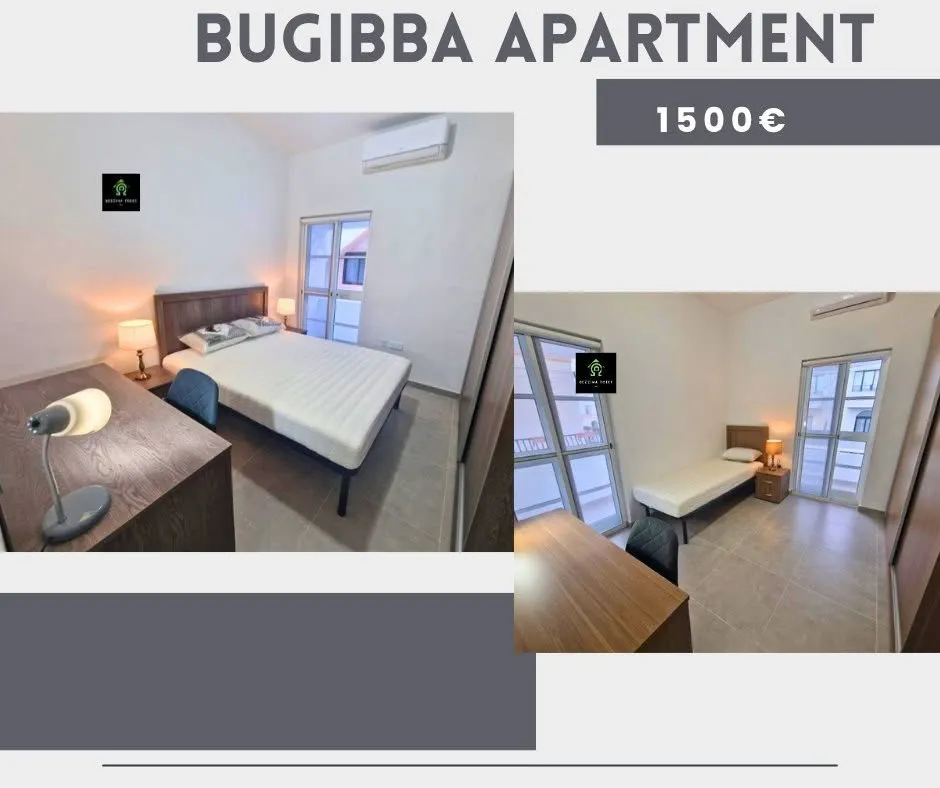
St. Paul's Bay is Malta's largest northern coastal town — a sprawling stretch of shoreline that encompasses the old fishing village of Xemxija, the tourist strips of Bugibba and Qawra, and the residential community of Burmarrad inland. According to the Bible, St. Paul was shipwrecked here in AD 60, an event that brought Christianity to Malta and gave the area its name. The town has grown explosively over the past two decades, transforming from a quiet seasonal resort into a year-round community of over 25,000 residents. Retired British expats, Maltese families priced out of the central coast, and a growing number of foreign workers have all settled here, drawn by coastal living at more manageable prices than Sliema or St. Julian's. The waterfront is the town's main asset — a long promenade connecting the old fisherman's quay to Bugibba's square to Qawra's rocky beaches. The Malta National Aquarium sits at the Bugibba end, and the Xemxija Heritage Walk traces ancient cart ruts and Roman roads into the hills. Properties range from modern seafront apartments to older terraced houses inland, with prices significantly below the central coast.
Highlights
- Malta's largest coastal town by population
- Biblical shipwreck site of St. Paul
- Malta National Aquarium at Bugibba
- Rocky beaches and coastal promenade
- More affordable than the central coast
Lifestyle Comparison
Which Area Is Right For You?
Choose Qormi
Qormi comes out ahead in dining, family .
Choose St. Paul's Bay
St. Paul's Bay comes out ahead in safety, beaches, nightlife .
Frequently Asked Questions
Available Properties
Qormi (3 listings)
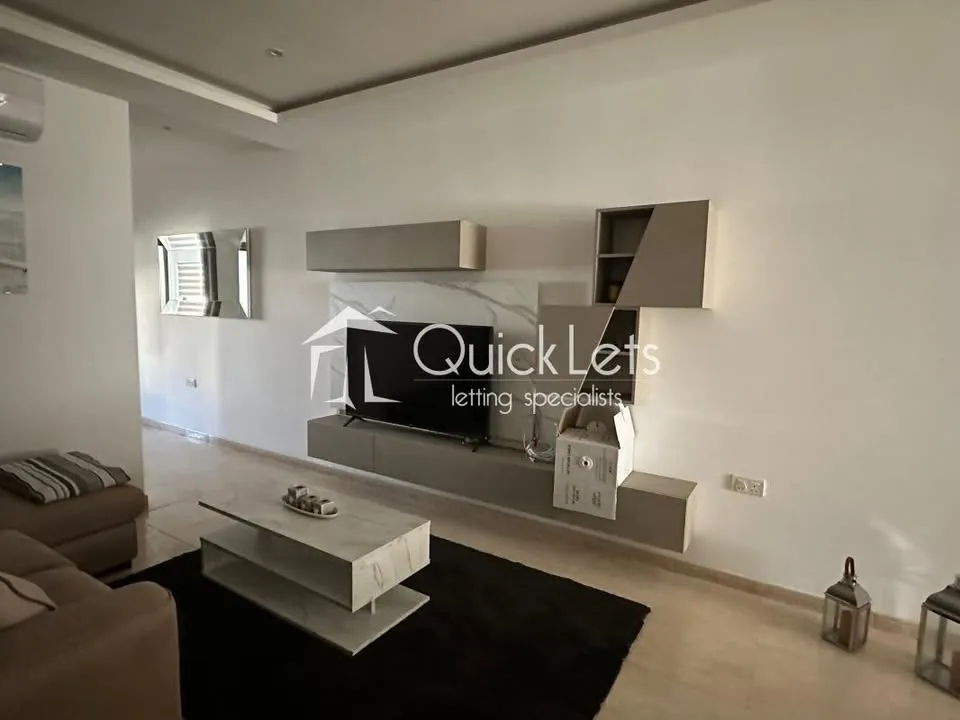
QORMI | SPACIOUS APARTMENT
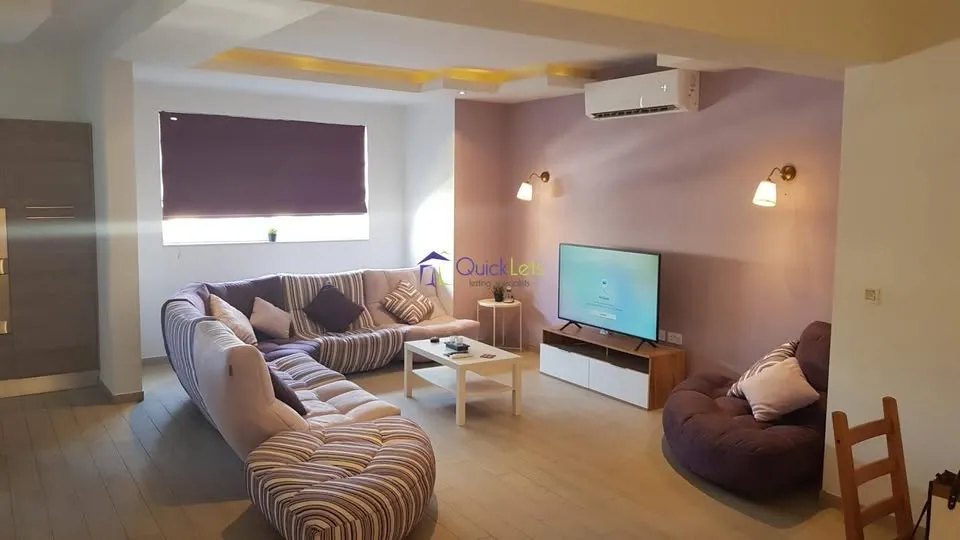
Spacious 3-Bedroom Duplex Maisonette in Qormi
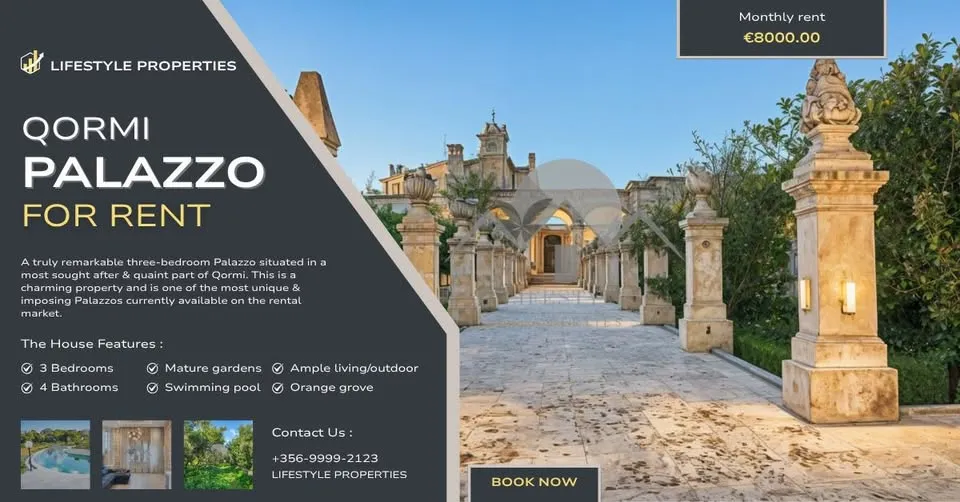
Stunning Palazzo in Qormi with Pool and Gardens
St. Paul's Bay (39 listings)
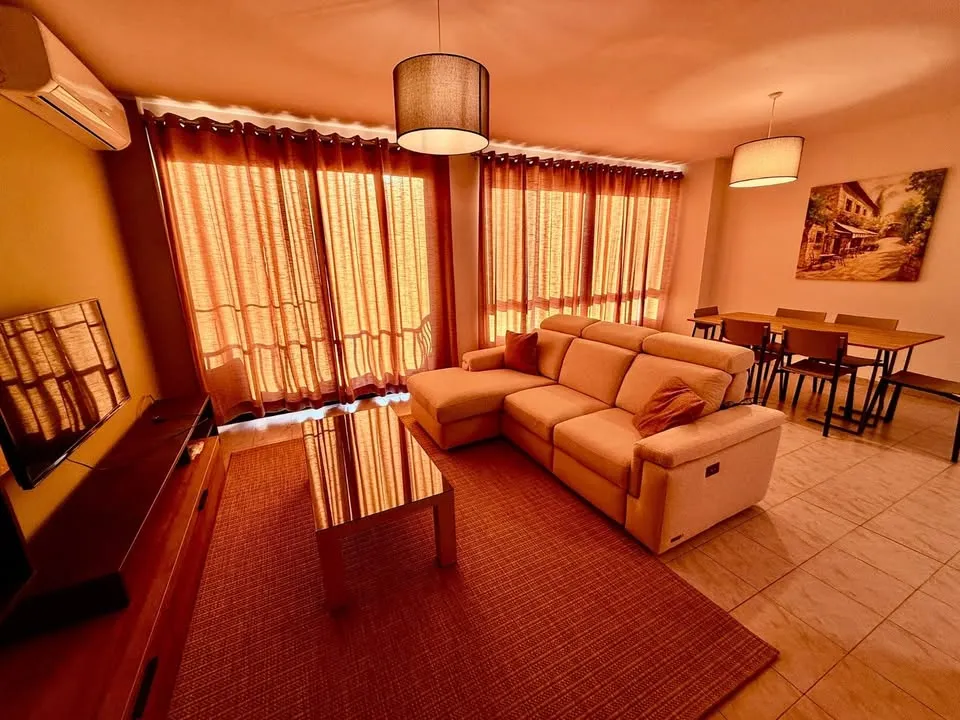
3 bedroom & 2 bathroom Apartment in St Pauls Bay
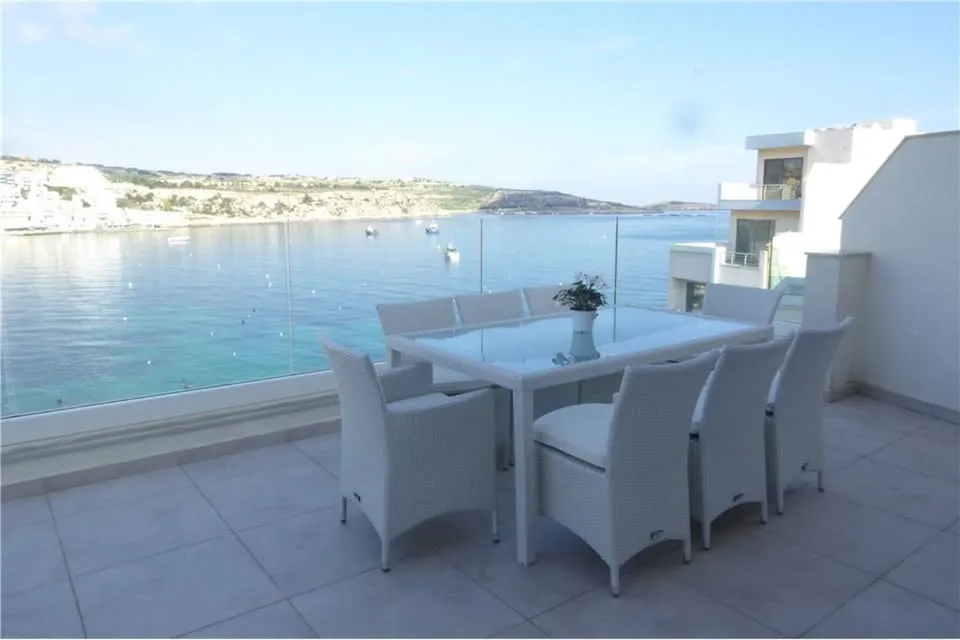
St. Paul's Bay 3 Bedroom Corner Apartment with Sea Views
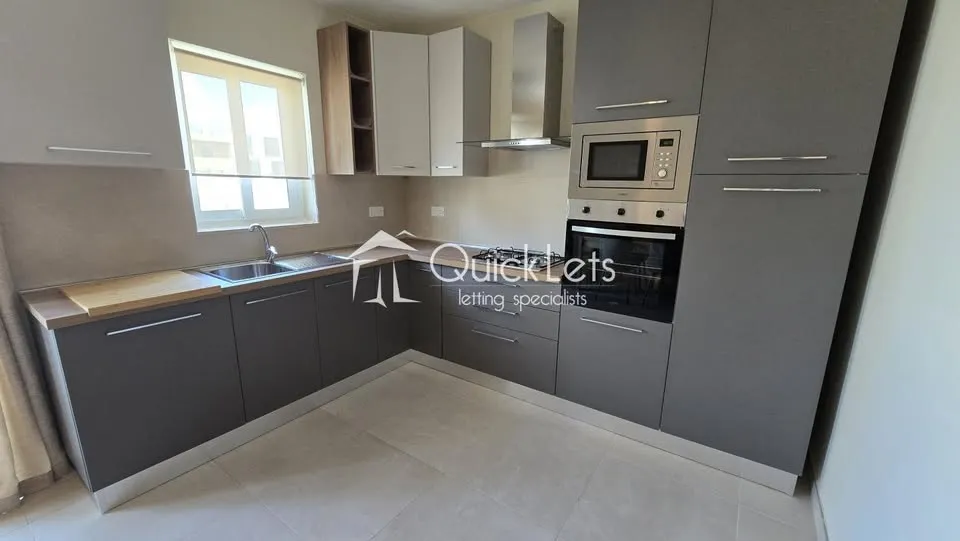
St. Paul’s Bay – Brand New 2-Bedroom Apartment