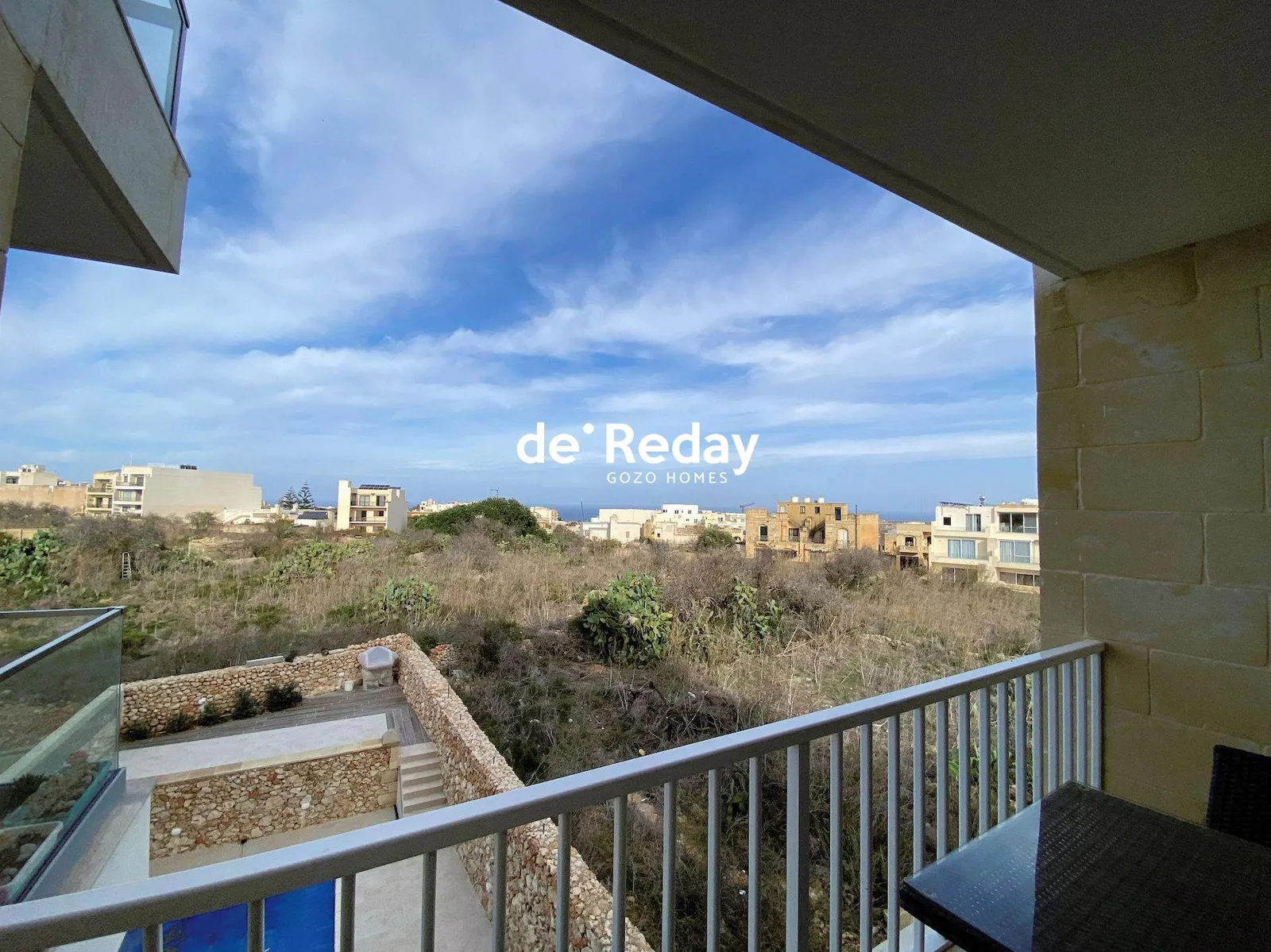
Rabat vs Xaghra
Side-by-side comparison of property prices, lifestyle, and practical info to help you choose the right area.
Summary
Historic inland town with village soul
Ancient hilltop village above Gozo's finest beach
Living in Rabat
Rabat is Mdina's neighbour — where the Silent City's walls end, Rabat begins. But where Mdina is a museum piece, Rabat is a living town. The name means 'suburb' in Arabic, a reference to its origins as the residential quarter outside the old capital's walls. Today it's one of Malta's most characterful towns, with a mix of historic architecture, traditional village life, and a growing food scene that draws Maltese from across the island. The town is built on top of a network of catacombs — underground burial chambers dating back to Roman times. St. Paul's Catacombs, where the apostle is said to have sheltered after his shipwreck on Malta, are the most famous, but there are several sites open to visitors. Above ground, Rabat's narrow streets hide grand palazzos, wayside chapels, and the Domus Romana, a reconstructed Roman townhouse with some of the finest mosaics in the Mediterranean. Rabat offers a different pace of life from the coastal towns. Property is more affordable, streets are quieter, and there's a genuine village atmosphere that's disappearing from much of Malta. The trade-off is distance — Rabat sits inland, and reaching Sliema or Valletta takes 25–30 minutes by car. For some, that distance is exactly the point.
Highlights
- St. Paul's Catacombs — underground Roman burial chambers
- Adjacent to Mdina's city walls
- Growing restaurant and cafe scene
- More affordable property than coastal Malta
- Authentic Maltese village atmosphere
Living in Xaghra
Xaghra (pronounced 'shara') is a hilltop village in northern Gozo that sits above two of the island's most remarkable attractions: Ggantija Temples — the oldest freestanding stone structures in the world, built 1,000 years before the Egyptian pyramids — and Ramla l-Hamra, Gozo's sweep of red-gold sand that's widely considered the best beach in the Maltese islands. The village itself is a pleasant, sleepy Gozitan settlement with a large central square, a parish church, and a few cafes. Ggantija — meaning 'giant's tower' — dominates the local identity. Legend holds that the temples were built by a giantess who carried the massive stone blocks on her head while nursing a baby. The reality is arguably more impressive: a society sophisticated enough to carve and position 50-tonne limestone blocks 5,500 years ago. Property in Xaghra offers a rare combination — village living with direct access to Gozo's best beach. Prices are moderate by Gozo standards, and the village has enough year-round residents to maintain basic amenities. It's quiet in winter and busy in summer, with the beach drawing day-trippers from across Malta.
Highlights
- Ggantija Temples — oldest freestanding structures on Earth
- Ramla l-Hamra — Gozo's best sandy beach
- 5,500-year-old history beneath a quiet village
- Calypso's Cave — legendary home of Homer's nymph
- Moderate property prices with beach access
Lifestyle Comparison
Which Area Is Right For You?
Choose Rabat
Rabat comes out ahead in dining, nightlife, transport .
Choose Xaghra
Xaghra comes out ahead in safety, beaches .
Frequently Asked Questions
Available Properties
Rabat (9 listings)
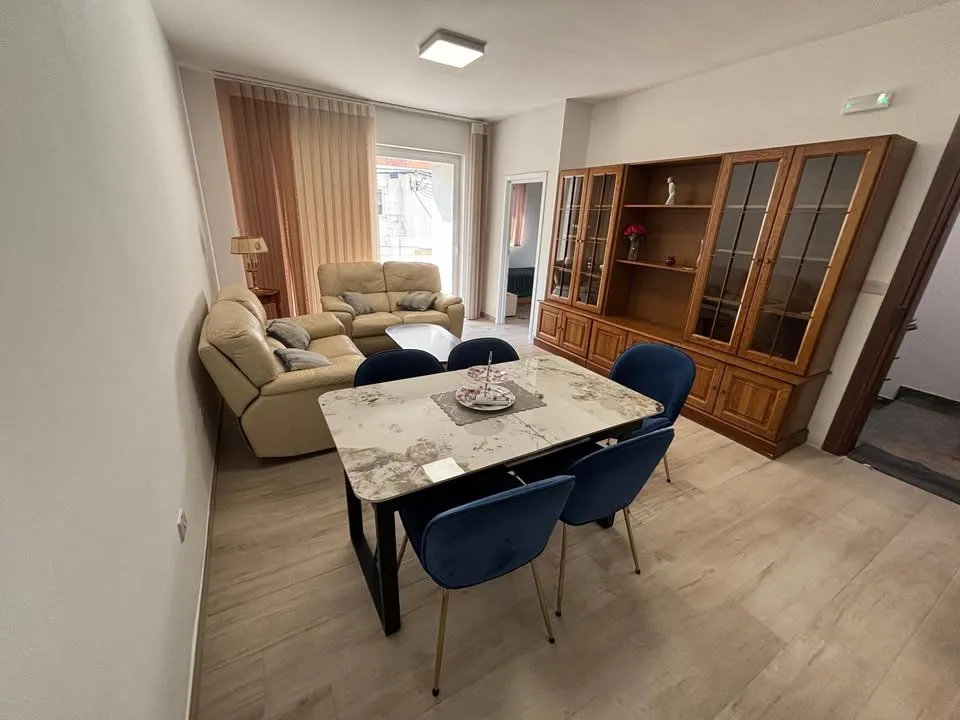
Brand new Property in RABAT
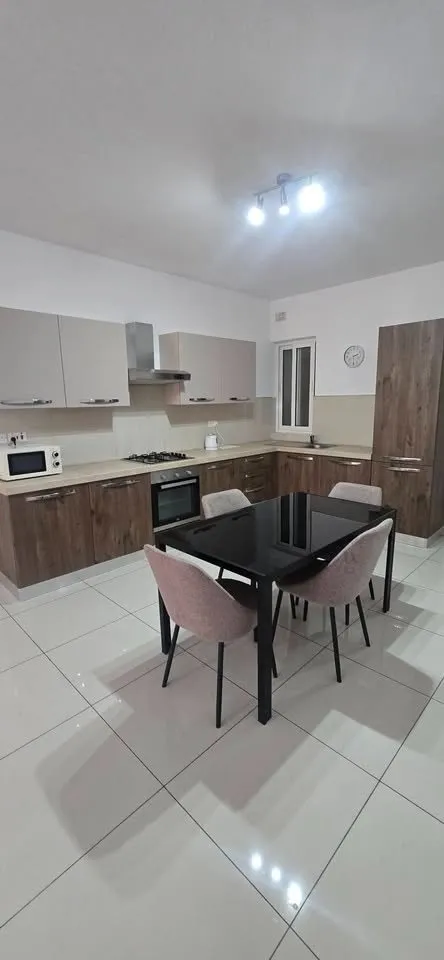
Bahrija Modern Apartment : Bargain!
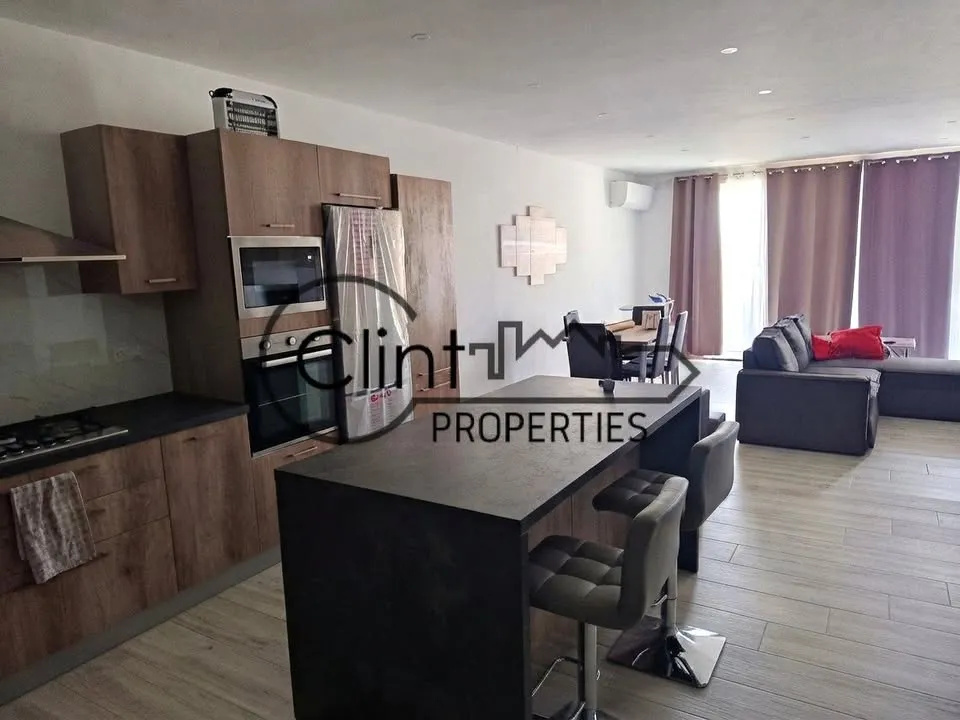
Three Bedroom Apartment in Rabat (Bahrija Area) for Rent
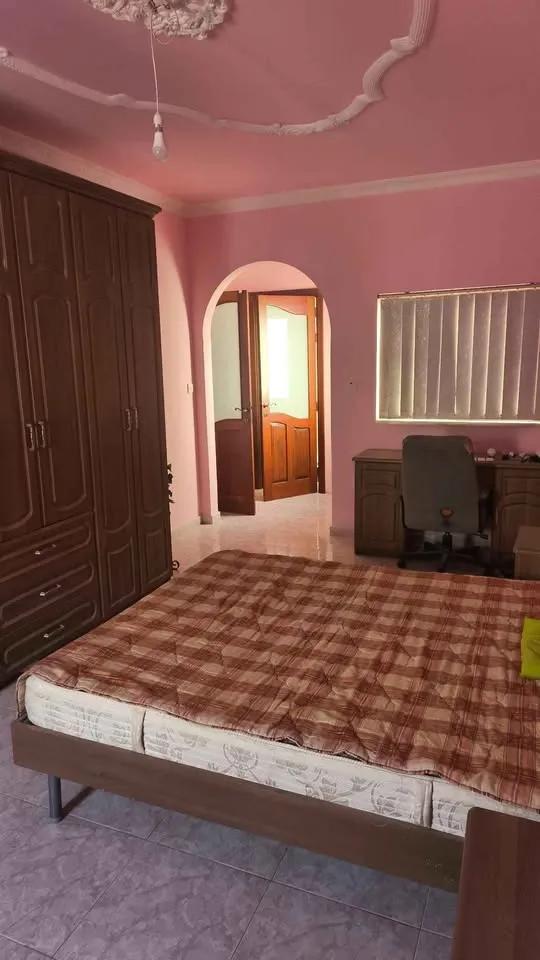
Bedroom for rent
Xaghra (7 listings)
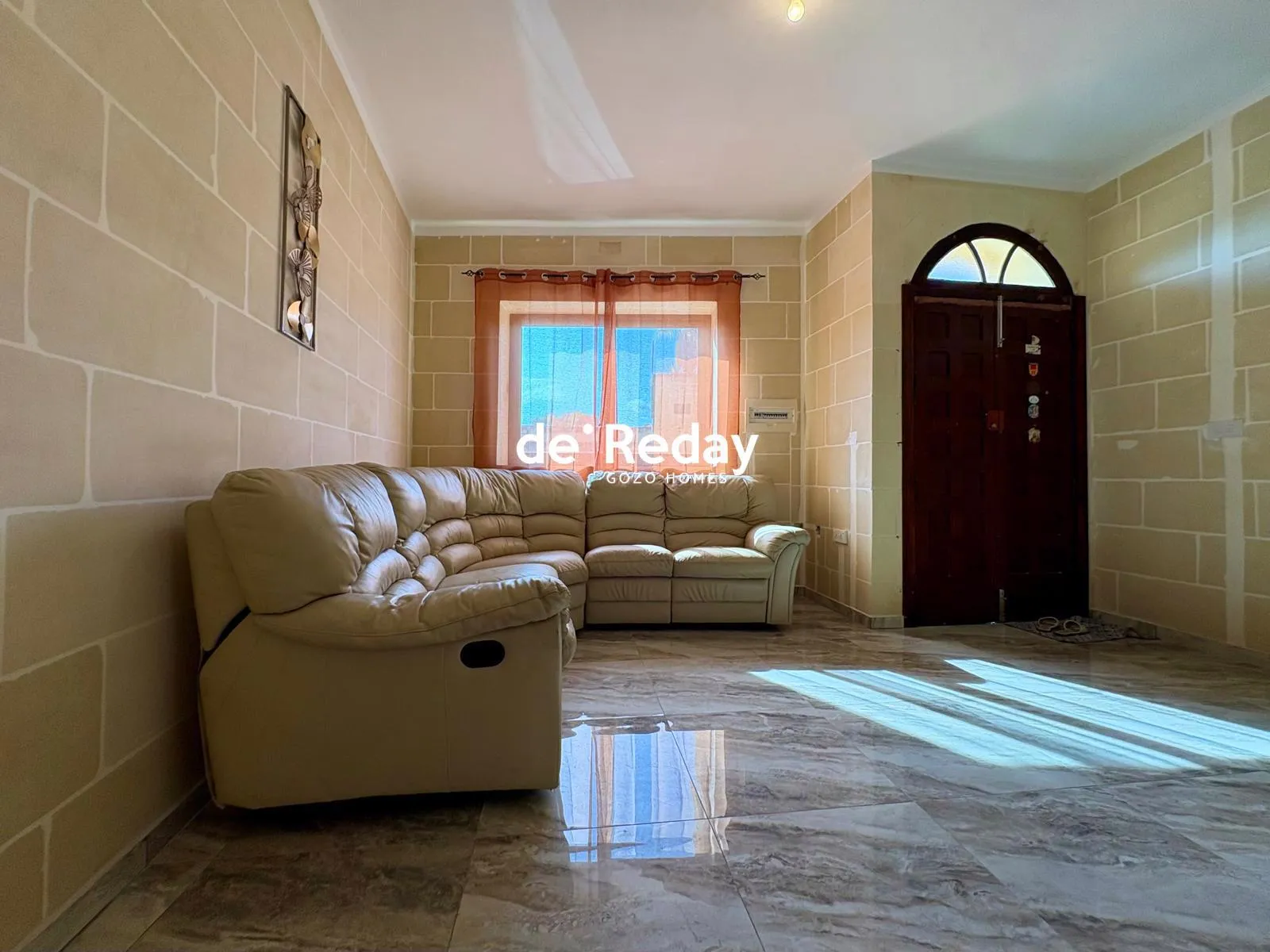
Brand New 3 Bedroom Maisonette
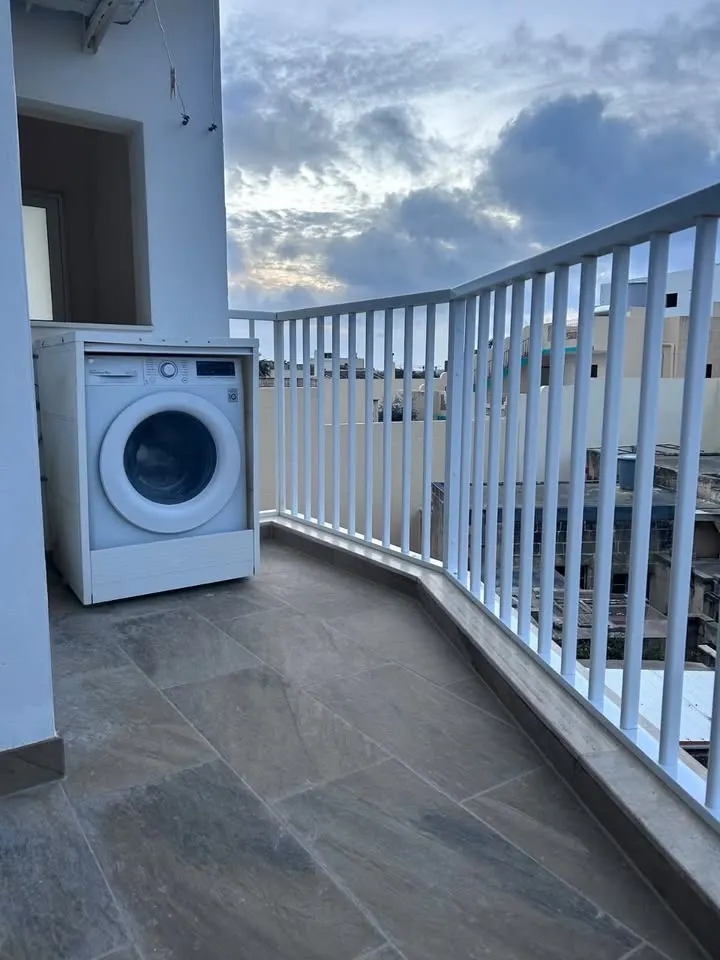
LUXURY 3-BEDROOM APARTMENT
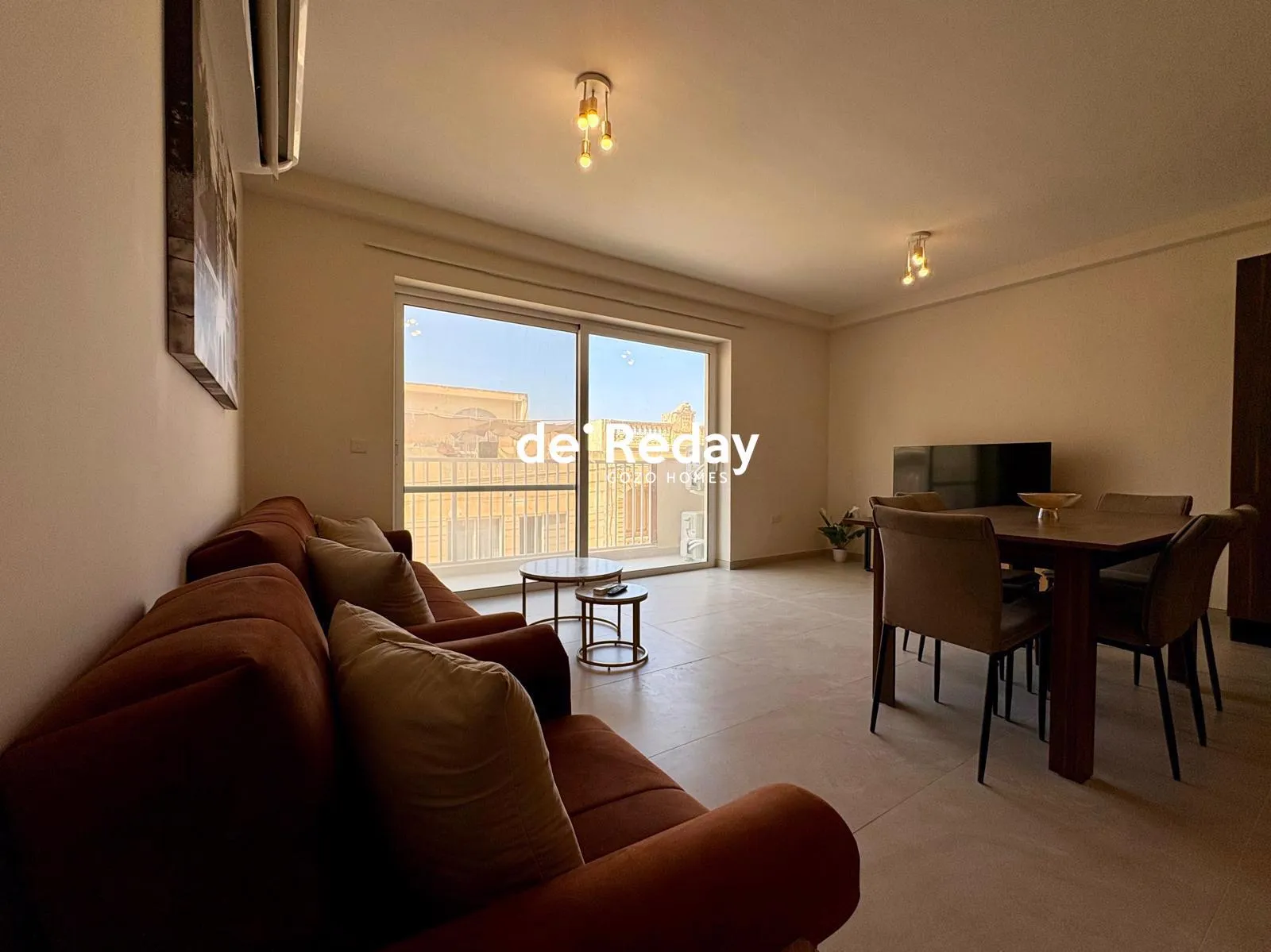
Brand New 3 Bedroom Apartment in Xaghra