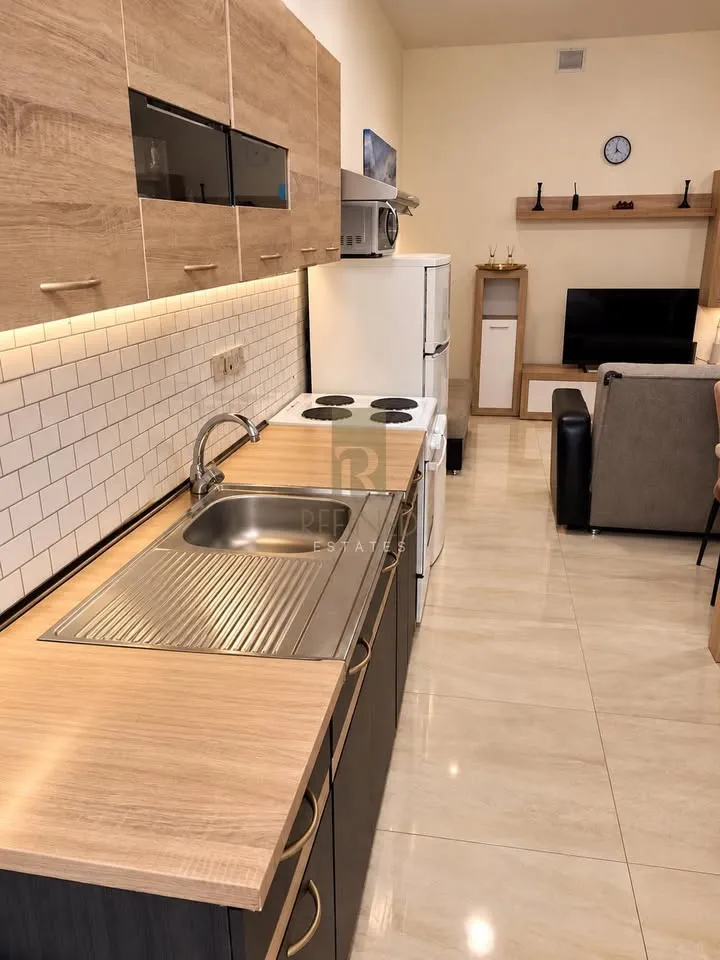
Santa Lucija vs Santa Venera
Side-by-side comparison of property prices, lifestyle, and practical info to help you choose the right area.
Summary
Santa Lucija rates higher for family living (9/10 vs 7/10) and safety (9/10 vs 7/10), with minimal through-traffic and low noise levels. Its Chinese Garden of Serenity provides a unique community green space. Santa Venera has slightly more dining options (5/10 vs 3/10) and is walking distance to the University of Malta and Mater Dei Hospital. Its Wignacourt Aqueduct is one of Malta's most photographed historic landmarks.
Santa Venera's flat terrain and central location make it highly walkable to Birkirkara, Hamrun, and Msida. However, heavy traffic on main roads creates noise and air pollution. Santa Lucija, with a population of 3,100 compared to Santa Venera's 7,000, offers a stronger village community feel but has very limited commercial activity and almost no entertainment options.
Quiet residential suburb with garden
Central town with historic aqueduct
Living in Santa Lucija
Santa Lucija is a small residential locality on the southern edge of the Paola-Tarxien urban area — a quiet suburb that developed in the mid-20th century as housing spread southward from the harbour towns. Named after its parish church dedicated to St. Lucy, it's one of Malta's smaller localities with a predominantly residential character. The village has a well-maintained central garden — one of the nicest small green spaces in southern Malta — and a compact residential area of townhouses and apartment blocks. The Chinese Garden of Serenity, a surprisingly authentic Chinese-style garden, was built here as a gift from a foreign government and has become an unexpected local landmark. Property in Santa Lucija is affordable and practical. The location provides easy access to Paola's commercial area, the Three Cities, and the airport. It's a quiet, family-oriented neighbourhood without tourist pretensions.
Highlights
- Chinese Garden of Serenity — unexpected landmark
- Well-maintained central green space
- Easy access to Paola and the Three Cities
- Affordable family-oriented housing
- Close to the airport
Living in Santa Venera
Santa Venera is a small residential town wedged between Hamrun, Birkirkara, and Msida — a transitional locality that sits at the junction of several major roads. It's named after a wayside chapel dedicated to St. Venera, a early Christian martyr whose cult spread to Malta from Sicily. The town's most distinctive landmark is the Wignacourt Aqueduct — a 17th-century stone water channel that runs through the centre of Santa Venera, carrying water from the Rabat springs to Valletta. Sections of the aqueduct are remarkably well-preserved and form an imposing stone archway over the main road. The aqueduct is one of the most photographed non-church structures in Malta. Property in Santa Venera is affordable and practical. The central location puts Birkirkara, Hamrun, and Msida all within walking distance, and the transport connections are excellent. It's a functional choice for commuters who want centrality without the price tag.
Highlights
- Wignacourt Aqueduct — 17th-century stone archway through the town
- Junction location connecting major roads
- Walking distance to Birkirkara, Hamrun, and Msida
- Affordable property with excellent transport links
- One of Malta's most photographed non-church landmarks
Lifestyle Comparison
Which Area Is Right For You?
Choose Santa Lucija
Santa Lucija comes out ahead in family, safety, beaches .
Choose Santa Venera
Santa Venera comes out ahead in dining, nightlife, transport .
Frequently Asked Questions
Available Properties
Santa Lucija (3 listings)
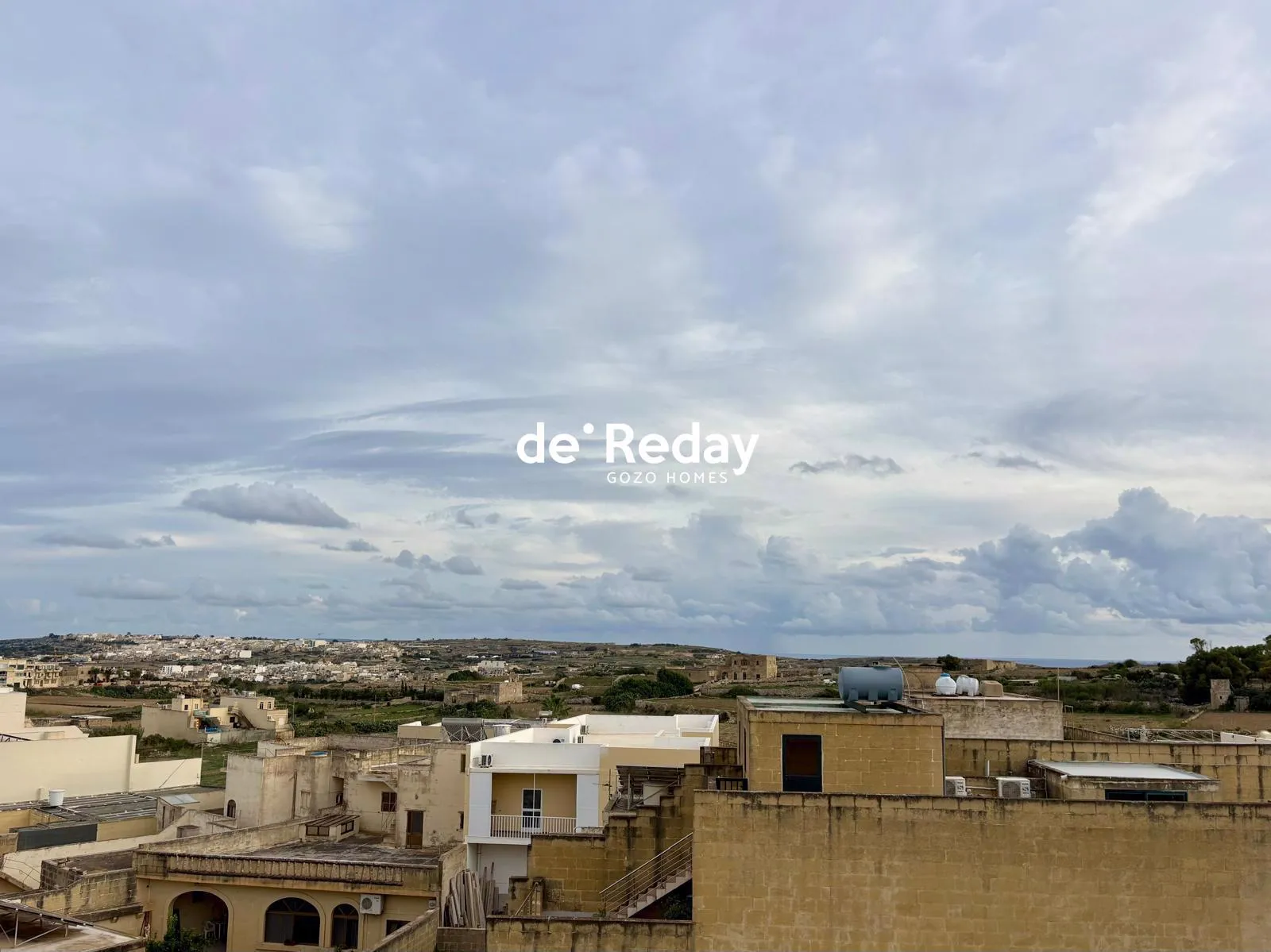
Modern 3 Bedroom Penthouse
Modern 3 Bedroom Penthouse
Modern 3 Bedroom Penthouse
Santa Venera (6 listings)
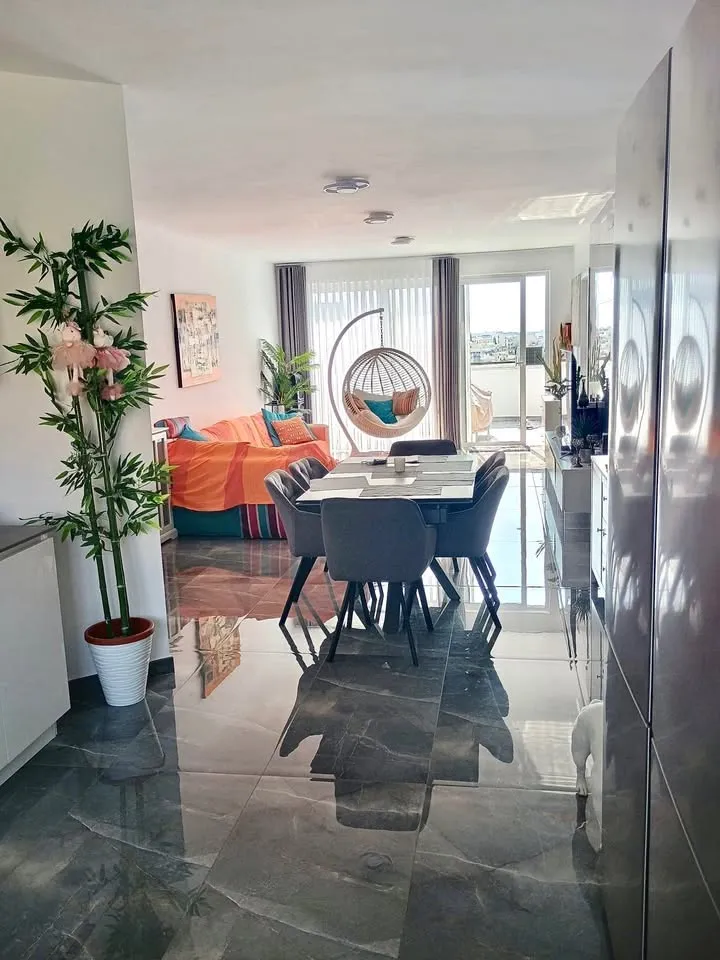
Modern Penthouse in St Venera
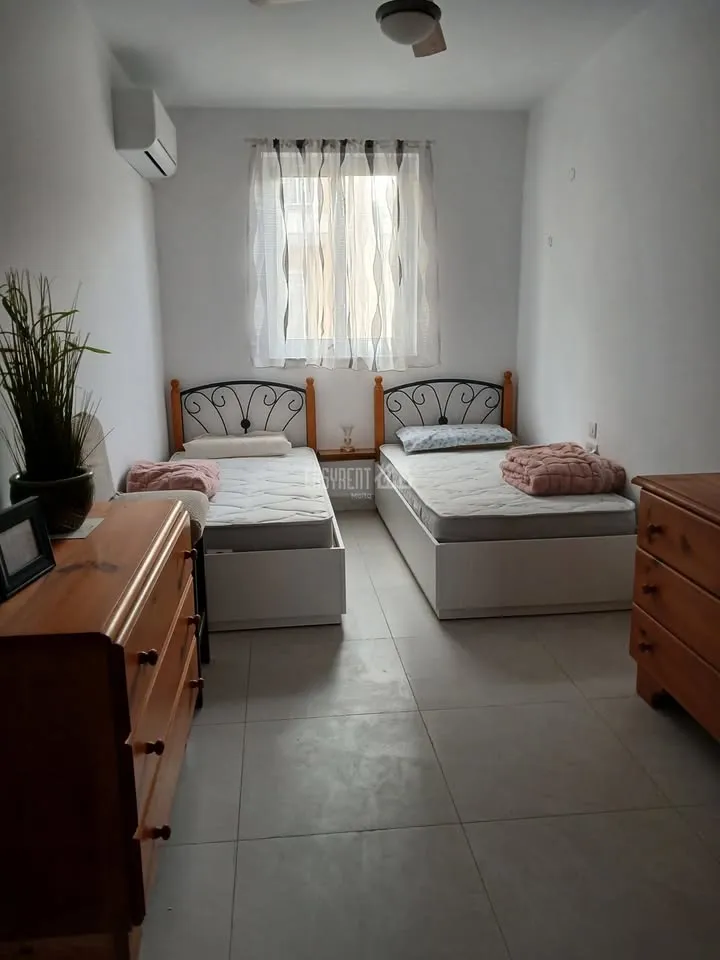
2 bedroom apartment for rent in Santa Venera
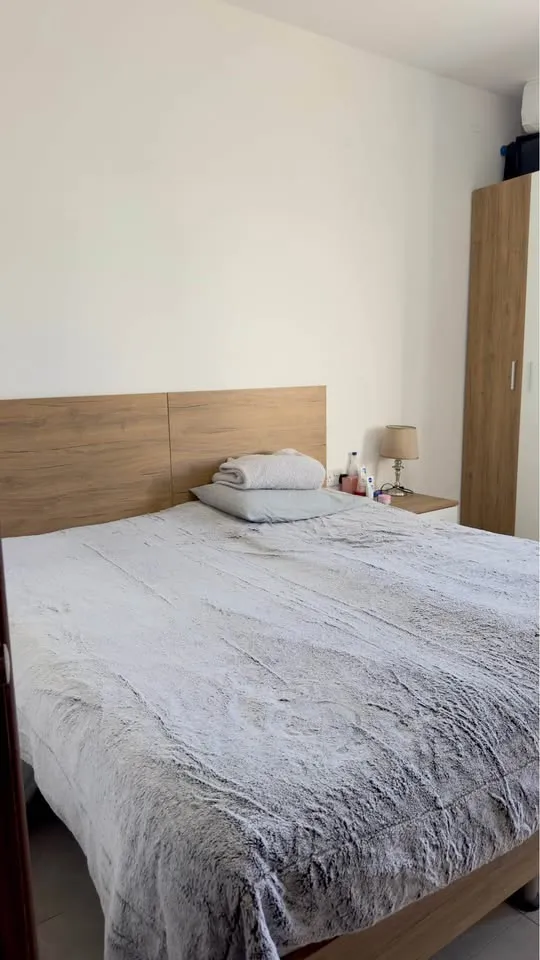
Room for Rent in Santa Venera