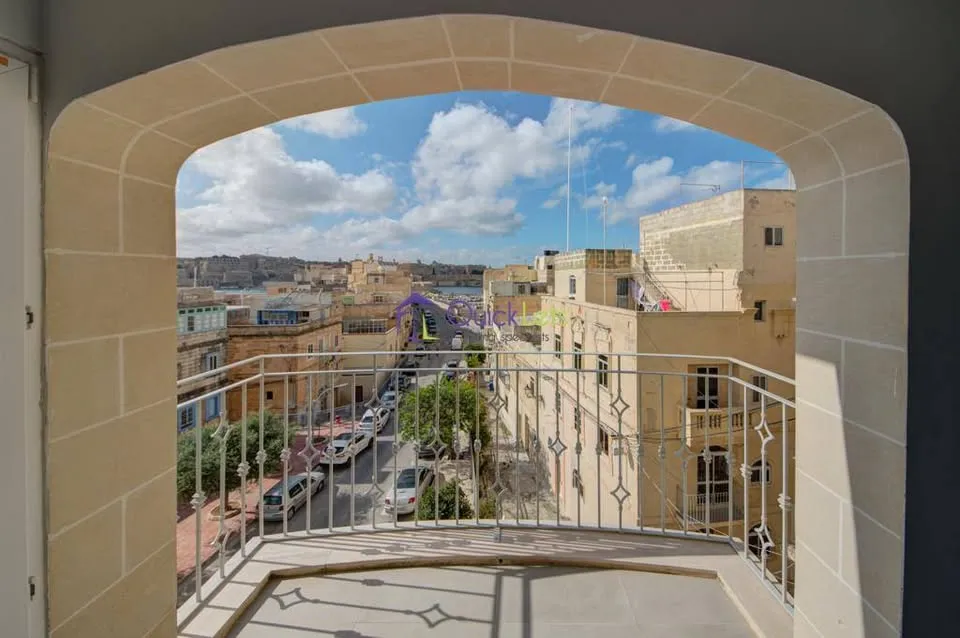
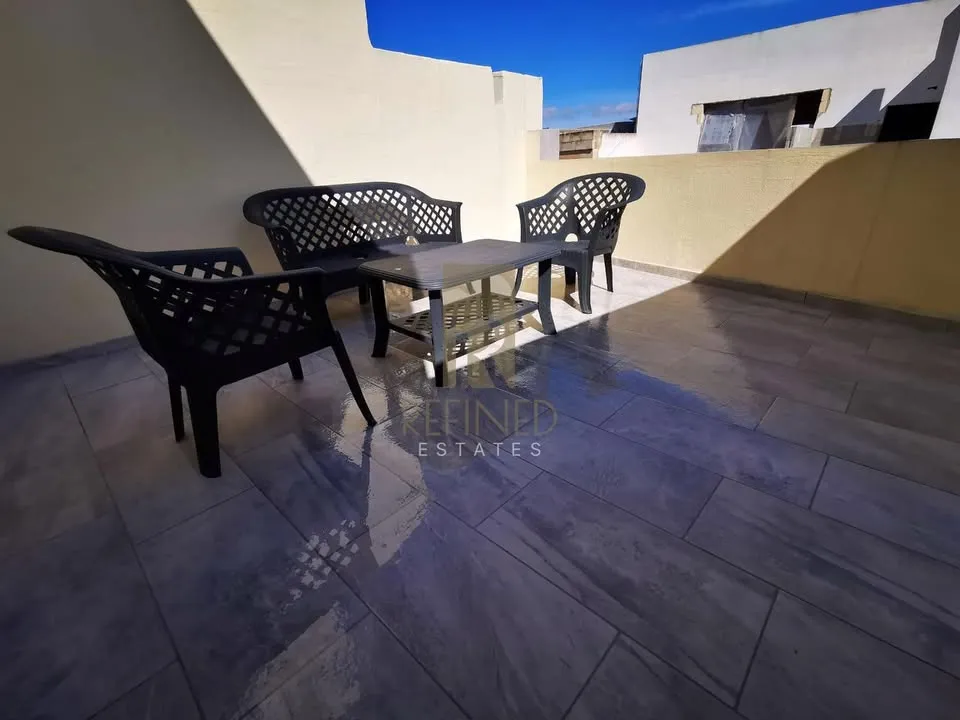
Birgu vs Dingli
Side-by-side comparison of property prices, lifestyle, and practical info to help you choose the right area.
Summary
Birgu sits on a fortified peninsula with a restored marina waterfront, scoring 8/10 for dining and 7/10 for transport. The 5-minute Valletta ferry connects residents directly to the capital, and the airport is a 20-minute drive. Heritage properties here cost less than equivalents in Sliema or Valletta. The town rates 9/10 for safety but just 3/10 for beaches and 4/10 for nightlife, reflecting its quiet, residential character. Parking is difficult inside the historic core, and commuting to Sliema or St. Julian's takes 35–45 minutes.
Dingli sits atop Malta's highest sea cliffs, offering the island's most affordable farmhouses with land. Transport scores just 2/10 — a car is essential, with Valletta 30 minutes away by road via Rabat. The village rates 9/10 for safety but only 1/10 for nightlife and 4/10 for dining, with basic amenities only. The dark sky location provides exceptional stargazing, and Buskett Gardens sits adjacent for walking and cycling. Dingli's remote clifftop position requires careful supervision of children and pets.
Living in Birgu
Birgu — also known as Vittoriosa — is the oldest of Malta's Three Cities and arguably the most historically significant town on the island. Long before Valletta existed, Birgu was the base of the Knights of St. John when they arrived in 1530. Fort St. Angelo, the fortress at the tip of the peninsula, commanded the Grand Harbour and became the Knights' headquarters during the Great Siege of 1565, when the Ottoman Empire threw everything it had at Malta and failed. The town's narrow streets are a living archive of Maltese history. Auberges built for the Langues of the Knights, restored palazzos with painted ceilings, and centuries-old churches sit alongside traditional Maltese houses with their characteristic enclosed wooden balconies. The waterfront has been beautifully restored into a marina and promenade — the Couvre Porte gate marks the entrance to the old Collacchio, the original knights' quarter. Birgu is experiencing a quiet renaissance. Heritage-minded buyers are restoring old properties, a handful of excellent restaurants have opened along the marina, and the European Maritime Day put the town on the map in 2024. Property is still affordable relative to its architectural quality — you can buy a 400-year-old townhouse here for less than a modern apartment in Sliema. The trade-off is distance from the commercial north and limited parking in the historic core.
Highlights
- Fort St. Angelo — HQ of the Knights during the Great Siege of 1565
- Restored marina and waterfront promenade
- Heritage properties at a fraction of Sliema prices
- Malta Maritime Museum and Inquisitor's Palace
- Authentic quiet streets with Grand Harbour views
Living in Dingli
Dingli is a quiet village perched on Malta's highest sea cliffs — a rural outpost on the western coast that feels further from the tourist trail than anywhere else on the island. The Dingli Cliffs drop sheer for 250 metres into the Mediterranean, and the panoramic view from the top stretches from Mdina inland to the open sea westward — the next landfall is Tunisia, 300km away. The village itself is tiny and traditional, with a single main street, a parish church, and a handful of restaurants. Agriculture still operates on the land surrounding Dingli — smallholdings growing potatoes, tomatoes, and strawberries that supply the local markets. Buskett Gardens, Malta's only proper woodland, sits in the valley below, along with the Verdala Palace, the summer residence of Malta's President. Property in Dingli is the most affordable of Malta's rural options. Traditional farmhouses with land are still available at prices that would be impossible anywhere on the coast. The trade-off is isolation — Dingli is a 30-minute drive from Valletta, and public transport is limited. For buyers who value space, quiet, and dramatic natural scenery above convenience, Dingli is unmatched.
Highlights
- Dingli Cliffs — Malta's highest sea cliffs with open-ocean views
- Rural agricultural surroundings
- Adjacent to Buskett Gardens — Malta's only woodland
- Most affordable farmhouse properties on Malta
- Dark sky area — best stargazing in Malta
Lifestyle Comparison
Which Area Is Right For You?
Choose Birgu
Birgu comes out ahead in dining, family, nightlife, transport .
Choose Dingli
Dingli comes out ahead in beaches .
Frequently Asked Questions
Available Properties
Birgu (2 listings)
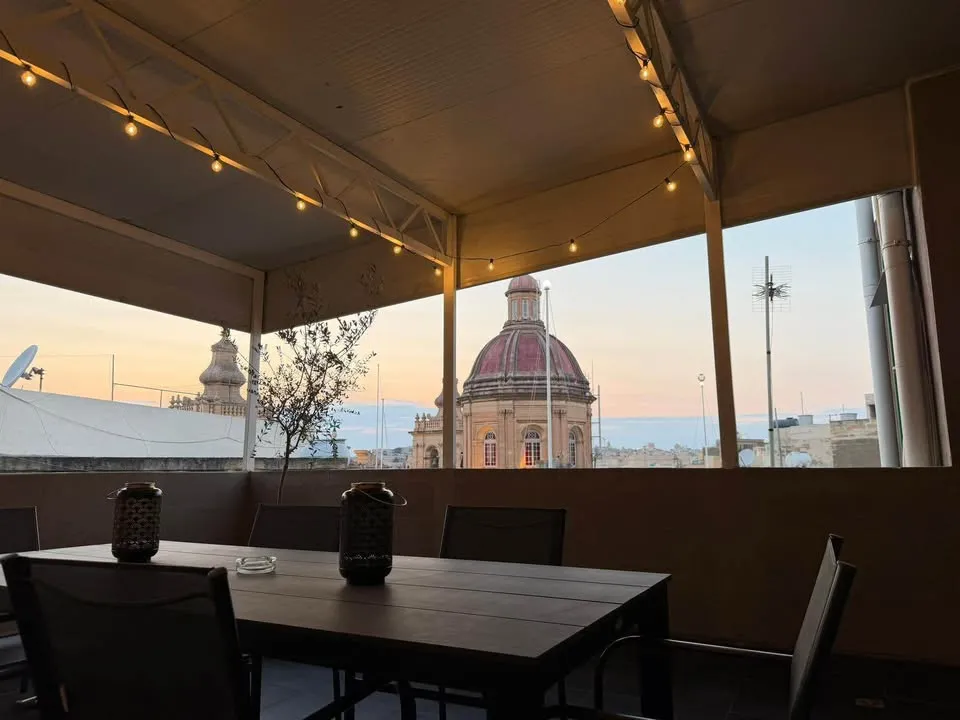
Available mid October Birgu - Recently Refurbished 3 Bedroom Terraced House - 4 Bathrooms - Air Conditioning - Private Root Terrace with Views - Fully Equipped - €3,000 Monthly