Birkirkara vs Fgura
Side-by-side comparison of property prices, lifestyle, and practical info to help you choose the right area.
Summary
Living in Birkirkara
Birkirkara is Malta's largest town by population — a sprawling residential centre in the heart of the island that most tourists never visit but most Maltese have a connection to. It's not picturesque in the way Valletta or Mdina are, but it's real, working-class Malta: bakeries that have been open for generations, parish churches that anchor entire neighbourhoods, and streets where everyone knows everyone. The town's geography is varied. The old centre clusters around the imposing St. Helen's Basilica, one of the largest churches on the island. Ta' Paris and Swatar are more modern residential areas with apartment blocks popular with young professionals. The Imrieher industrial zone sits on the edge, a reminder that Birkirkara has always been a working town. The Valley Road area, running through a natural watercourse, is one of the few green corridors in central Malta. Property in Birkirkara offers the best value proposition in central Malta. Rents and purchase prices sit well below Sliema and St. Julian's while keeping you within 15 minutes of both by car or bus. The town has its own commercial strip, good schools, and a market that sells everything from fresh fish to furniture. It's not a lifestyle choice — it's a practical one, and that's why it's the island's most populated town.
Highlights
- Most populated town in Malta
- Significantly more affordable than coastal areas
- St. Helen's Basilica — one of Malta's largest churches
- Central location with 15-min access to most of the island
- Traditional Maltese town life with modern amenities
Living in Fgura
Fgura is a compact residential town sandwiched between the Three Cities and Zabbar — a primarily residential area that grew rapidly in the post-war period as housing spread outward from the harbour. It's one of Malta's newer towns, with most development dating from the 1960s onward, which gives it a different character from the ancient harbour cities next door. The town's landmark is a striking bronze monument of Christ the King that stands at the main junction, visible from the approach roads and a reference point for anyone navigating the area. Fgura's parish church, dedicated to St. Mary, has a distinctive modernist design that stands out among Malta's predominantly baroque churches. Fgura's appeal is straightforward: affordable housing close to both the harbour area and the southern towns. Property here is modestly priced, and the location is practical — a short drive to the Three Cities, Paola, and the arterial roads heading south and north. It's a commuter town, pure and simple, with no tourist pretensions.
Highlights
- Affordable housing close to the harbour area
- Christ the King monument — local landmark
- Quick access to Three Cities and Paola
- Modernist parish church — unusual for Malta
- No tourist premium on property prices
Lifestyle Comparison
Which Area Is Right For You?
Choose Birkirkara
Birkirkara comes out ahead in dining, transport .
Choose Fgura
Fgura comes out ahead in beaches, nightlife .
Frequently Asked Questions
Available Properties
Birkirkara (26 listings)
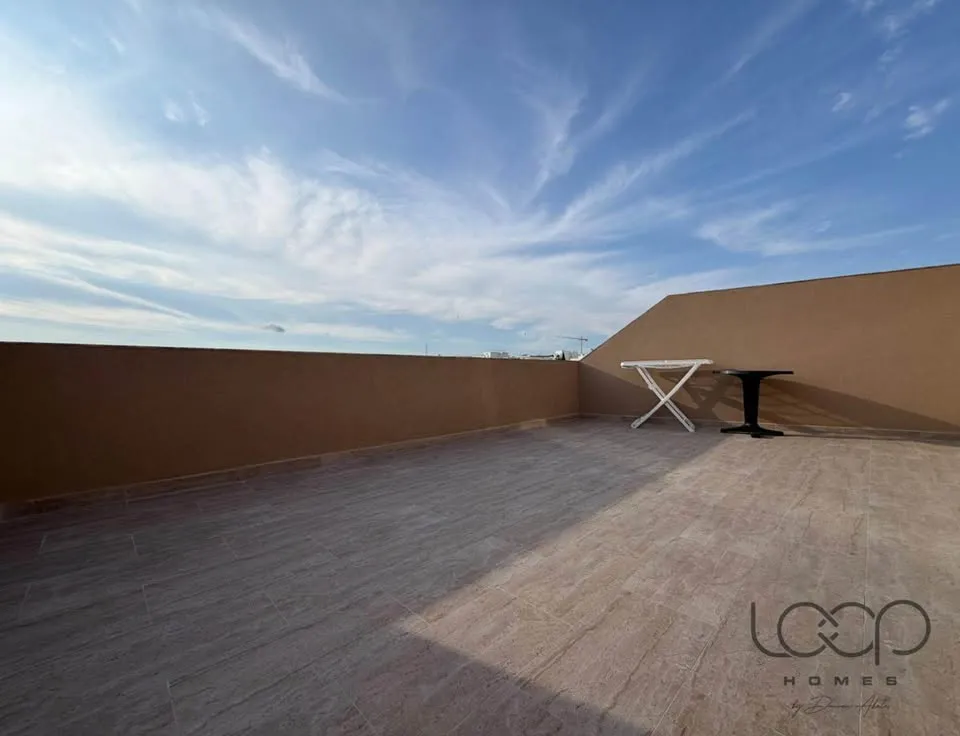
Modern 2 Bedroom Penthouse in Birkirkara
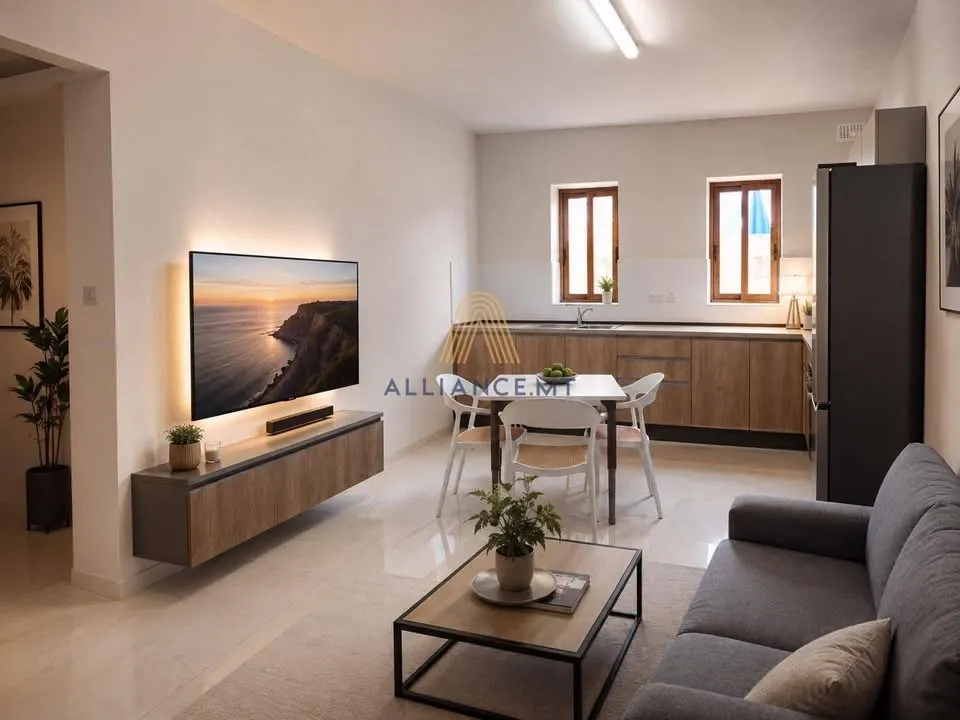
Modern 1-Bedrooms Apartment for Rent in Birkirkara
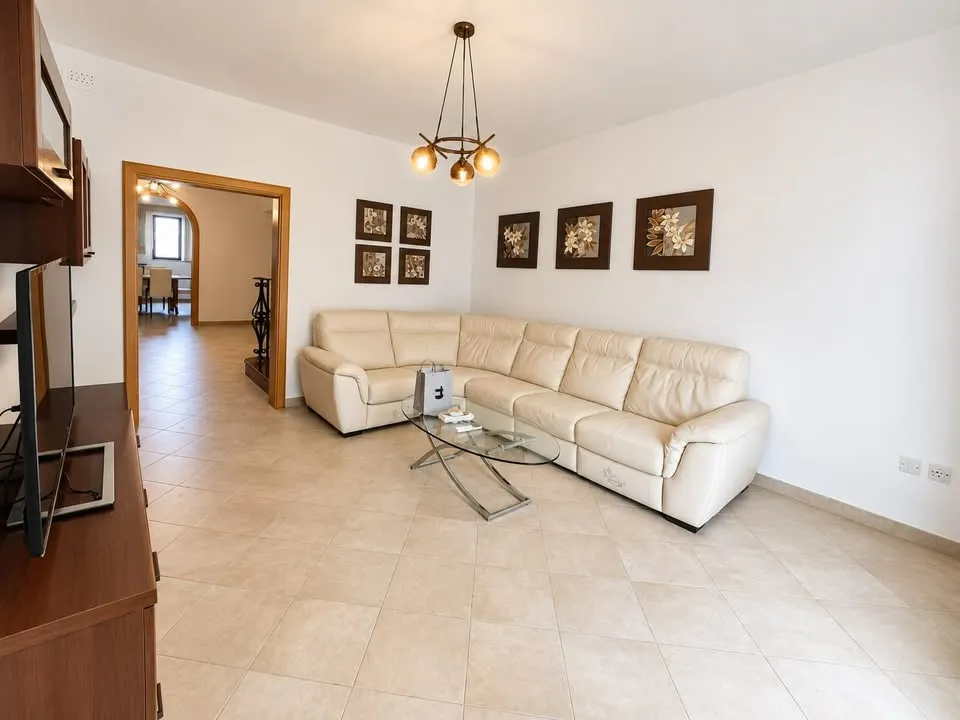
Modern 2-bedroom apartment in Birkirkara
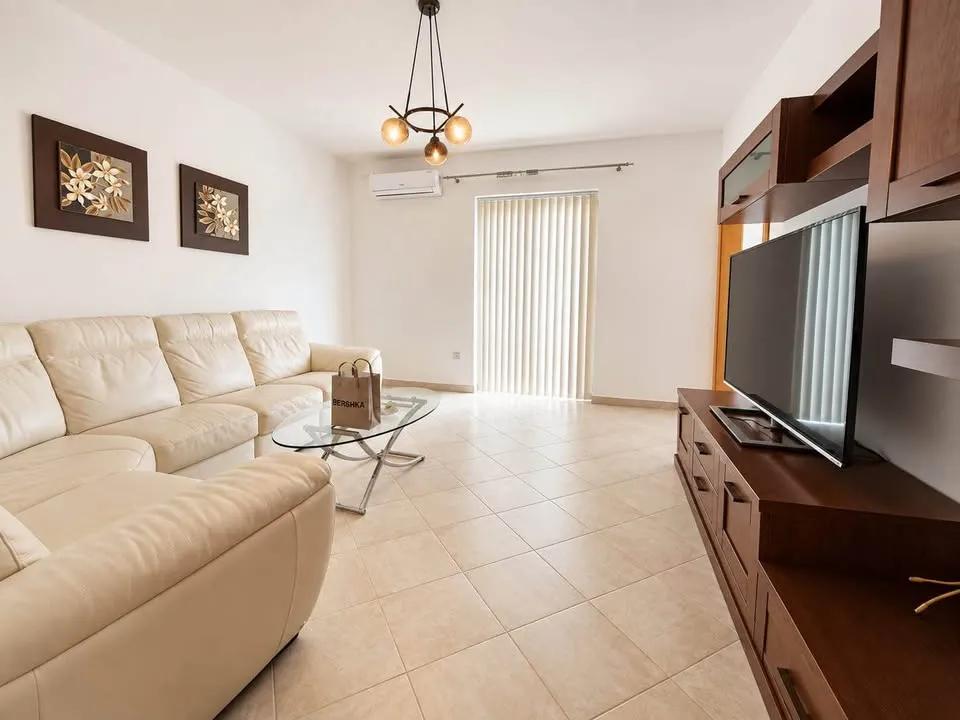
Birkirkara (For rent) - Central and spacious 3 bedroom 2 bath maisonette with roof
Fgura (4 listings)
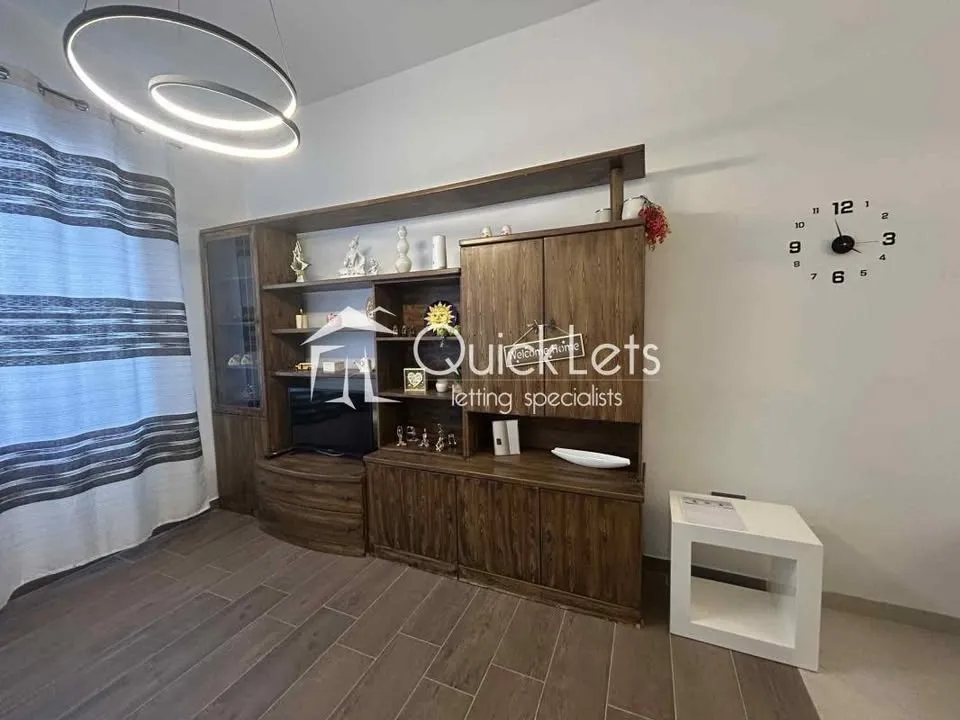
3-Bedroom Apartment – Fgura
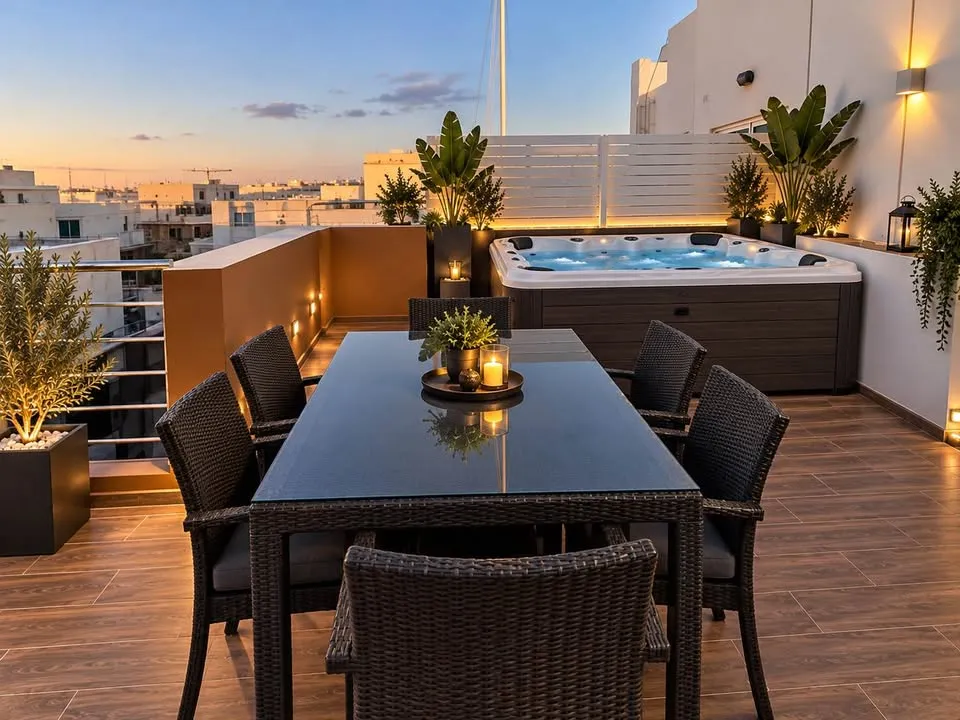
Fgura Luxury & Spacious Penthouse
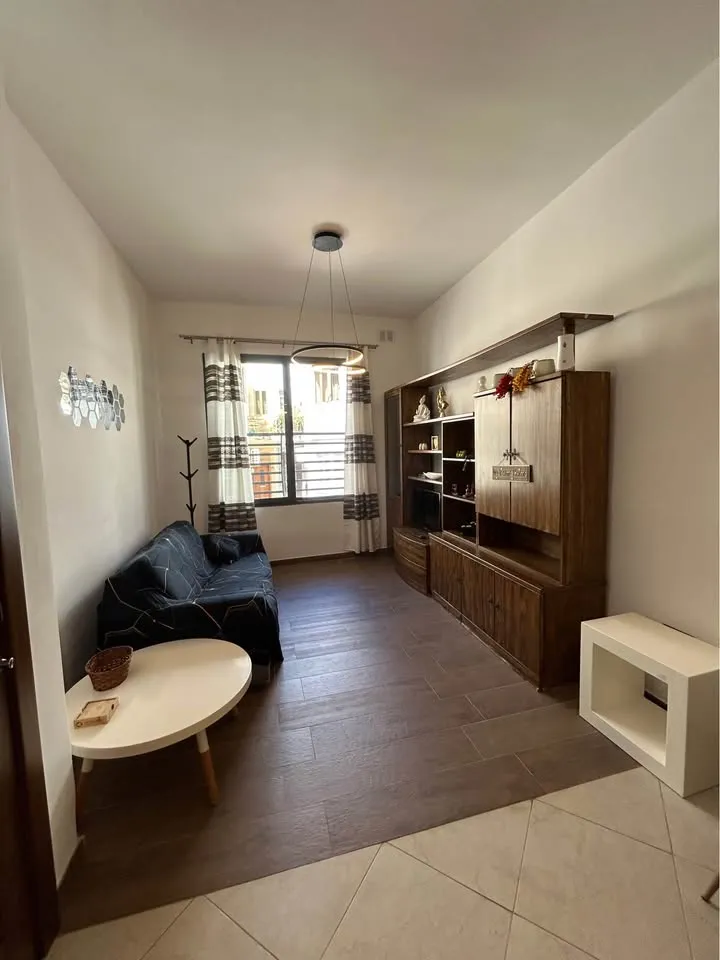
Fgura – 3 Bedroom Apartment