Birkirkara vs Marsaskala
Side-by-side comparison of property prices, lifestyle, and practical info to help you choose the right area.
Summary
Birkirkara is better for central convenience, transport links, and budget buyers who need quick island-wide access, while Marsaskala suits families and beach lovers seeking affordable coastal living with a quieter pace. Both areas score 8/10 for family-friendliness and offer significantly cheaper property than Sliema or St Julian's. Birkirkara rates 9/10 for transport with direct bus routes reaching Valletta in 20–25 minutes, Sliema in 15 minutes, and the airport in 20 minutes. Marsaskala scores just 5/10 for transport, with Valletta journeys taking 25–35 minutes and no direct routes to Sliema or St Julian's.
Marsaskala leads on coastal amenities, scoring 7/10 for beaches compared to Birkirkara's 1/10, and offers a sheltered bay with calm swimming waters plus seafront dining. Birkirkara has no sea access — the nearest coast is a 15–20 minute drive. Marsaskala rates higher for safety (8/10 vs 7/10) and nightlife (5/10 vs 3/10), though neither town is an entertainment hub. Birkirkara has stronger infrastructure with multiple well-regarded schools including St. Aloysius College and more year-round amenities. Parking is easier in Marsaskala than in coastal towns, though Birkirkara also compares favourably to northern rivals.
Choose Birkirkara for commute practicality and maximum property value in central Malta. Choose Marsaskala for seaside lifestyle at affordable prices, accepting longer travel times to major employment hubs.
Living in Birkirkara
Birkirkara is Malta's largest town by population — a sprawling residential centre in the heart of the island that most tourists never visit but most Maltese have a connection to. It's not picturesque in the way Valletta or Mdina are, but it's real, working-class Malta: bakeries that have been open for generations, parish churches that anchor entire neighbourhoods, and streets where everyone knows everyone. The town's geography is varied. The old centre clusters around the imposing St. Helen's Basilica, one of the largest churches on the island. Ta' Paris and Swatar are more modern residential areas with apartment blocks popular with young professionals. The Imrieher industrial zone sits on the edge, a reminder that Birkirkara has always been a working town. The Valley Road area, running through a natural watercourse, is one of the few green corridors in central Malta. Property in Birkirkara offers the best value proposition in central Malta. Rents and purchase prices sit well below Sliema and St. Julian's while keeping you within 15 minutes of both by car or bus. The town has its own commercial strip, good schools, and a market that sells everything from fresh fish to furniture. It's not a lifestyle choice — it's a practical one, and that's why it's the island's most populated town.
Highlights
- Most populated town in Malta
- Significantly more affordable than coastal areas
- St. Helen's Basilica — one of Malta's largest churches
- Central location with 15-min access to most of the island
- Traditional Maltese town life with modern amenities
Living in Marsaskala
Marsaskala is Malta's southeastern seaside town — a former fishing village that grew into a residential community with a seafront promenade, a string of restaurants, and a loyal local following. The name means 'Siqalli's harbour' in Arabic, a reference to a Sicilian merchant who once operated from the bay, and fishing boats still bob in the harbour alongside pleasure craft. The town wraps around a sheltered bay, with a promenade that runs the length of the waterfront connecting restaurants, cafes, and swimming spots. St. Thomas Bay, on the eastern edge, is one of Malta's quieter swimming areas — a stretch of sand and rocks with shallow water that's popular with families. The surrounding coastline is rugged and undeveloped compared to the northern resorts, with walking trails along the cliff tops toward Zonqor Point. Marsaskala has become increasingly popular with young families and first-time buyers priced out of the central and northern coast. Property here is significantly more affordable than Sliema or St. Julian's, and you get the seafront lifestyle without the premium. The town has all essential amenities — supermarkets, pharmacies, schools — but lacks the commercial density of larger towns. A car is recommended for commuting, though buses connect to Valletta in about 30 minutes.
Highlights
- Sheltered bay with fishing boats and waterfront restaurants
- St. Thomas Bay — quieter swimming beach
- Significantly more affordable than northern coastal areas
- Growing family-oriented community
- Cliff-top walking trails along undeveloped coastline
Lifestyle Comparison
Which Area Is Right For You?
Choose Birkirkara
Birkirkara comes out ahead in transport .
Choose Marsaskala
Marsaskala comes out ahead in safety, beaches, nightlife .
Frequently Asked Questions
Available Properties
Birkirkara (9 listings)
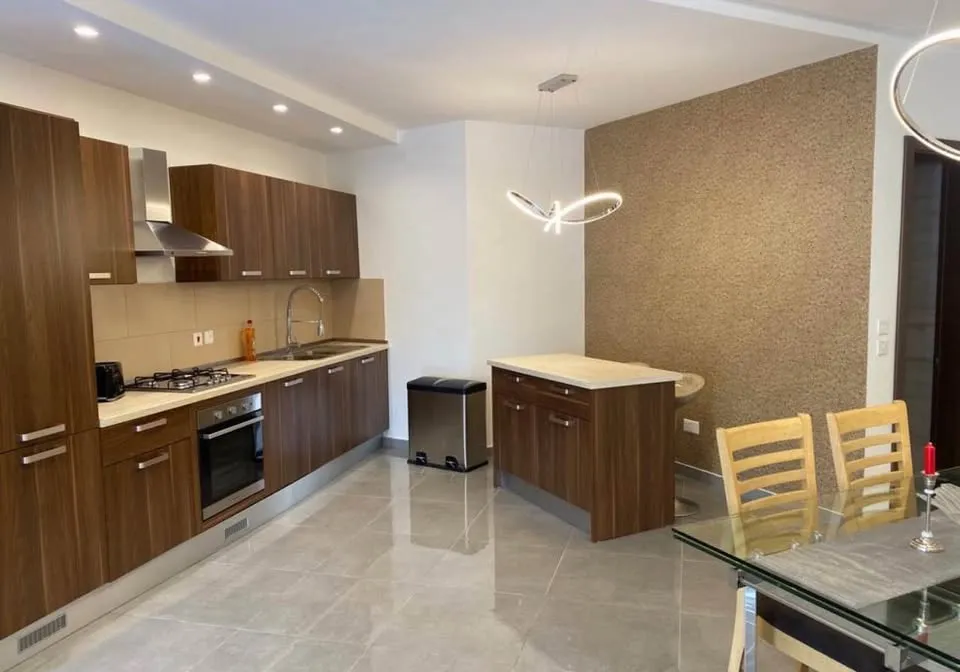
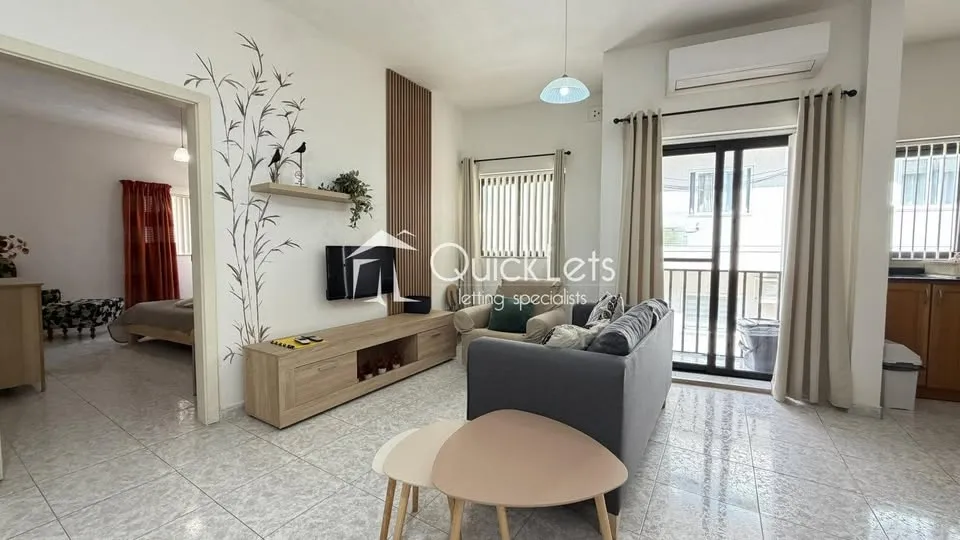
2 bed rooms Maisonette in Imrihel Birkirkara
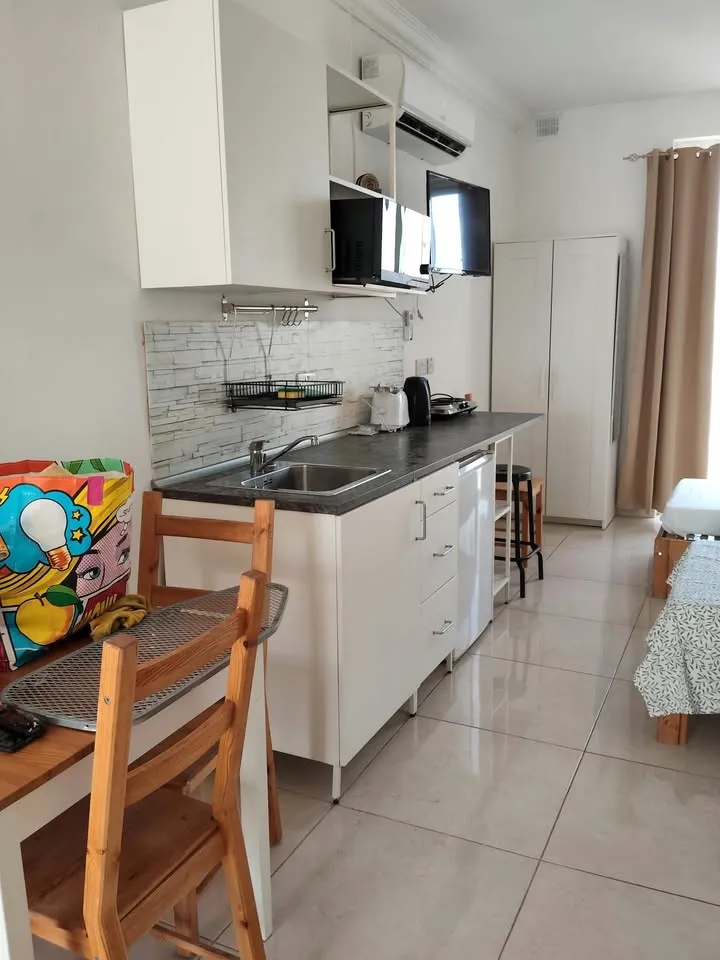
PENTHOUSE STUDIO
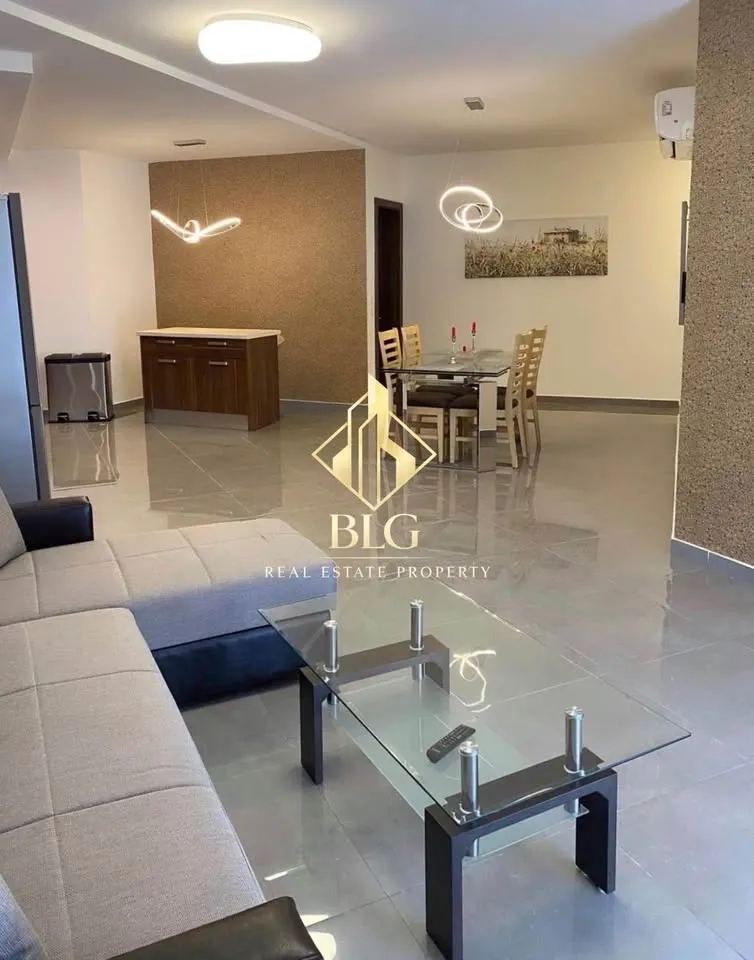
Birkirkara beautifully finished 2 Bedroom apartment
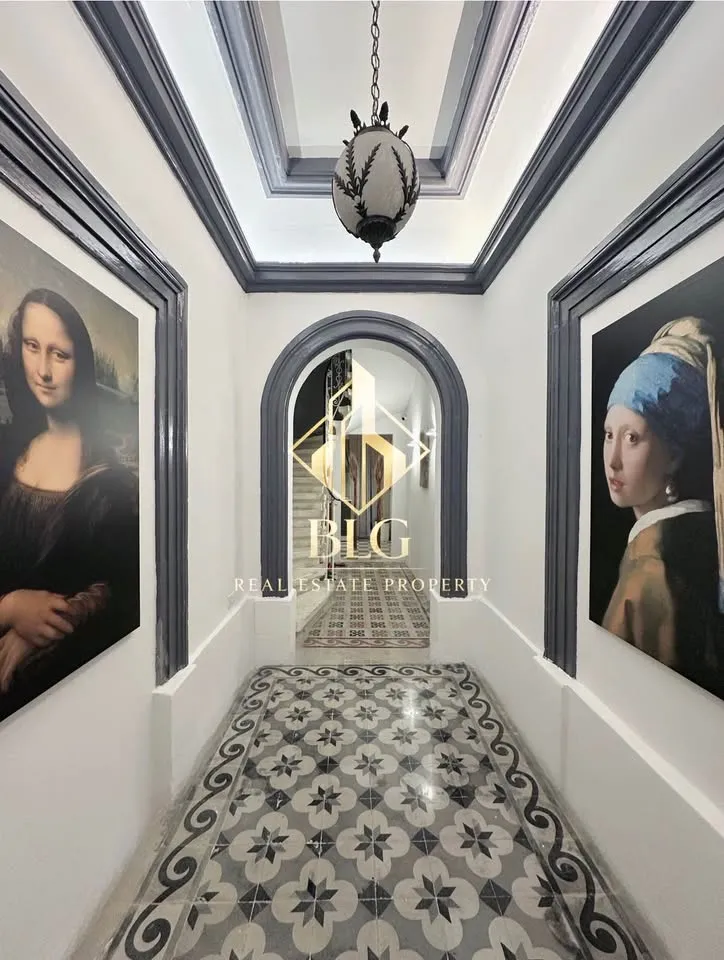
Modern room with en-suite in Birkirkara
Marsaskala (14 listings)
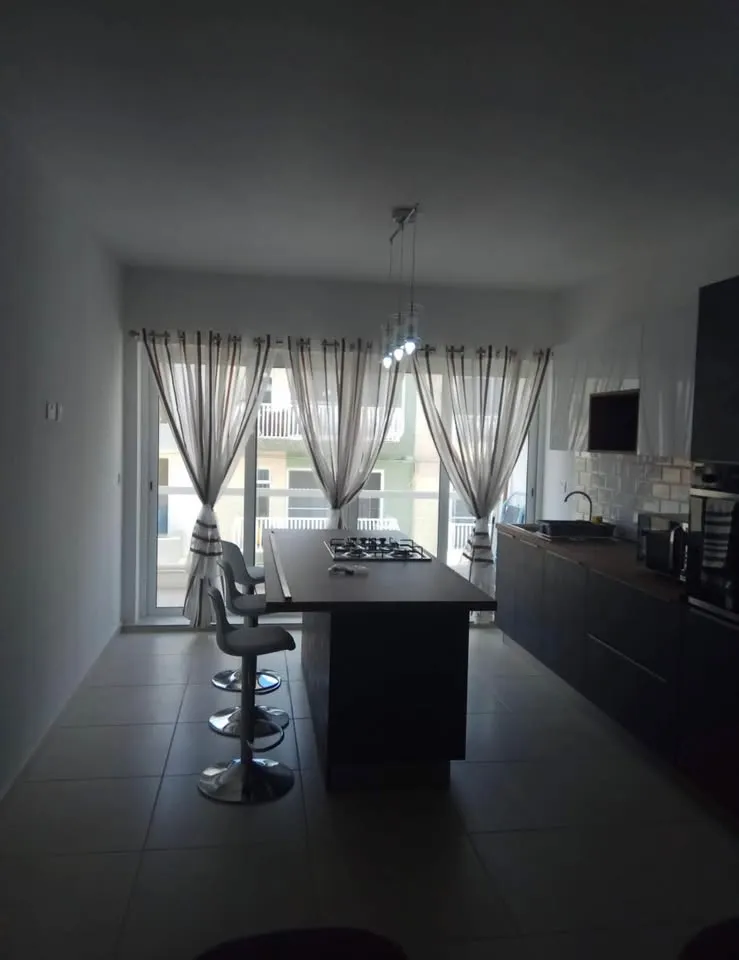
2-Bedroom Apartment for Rent in Marsaskala
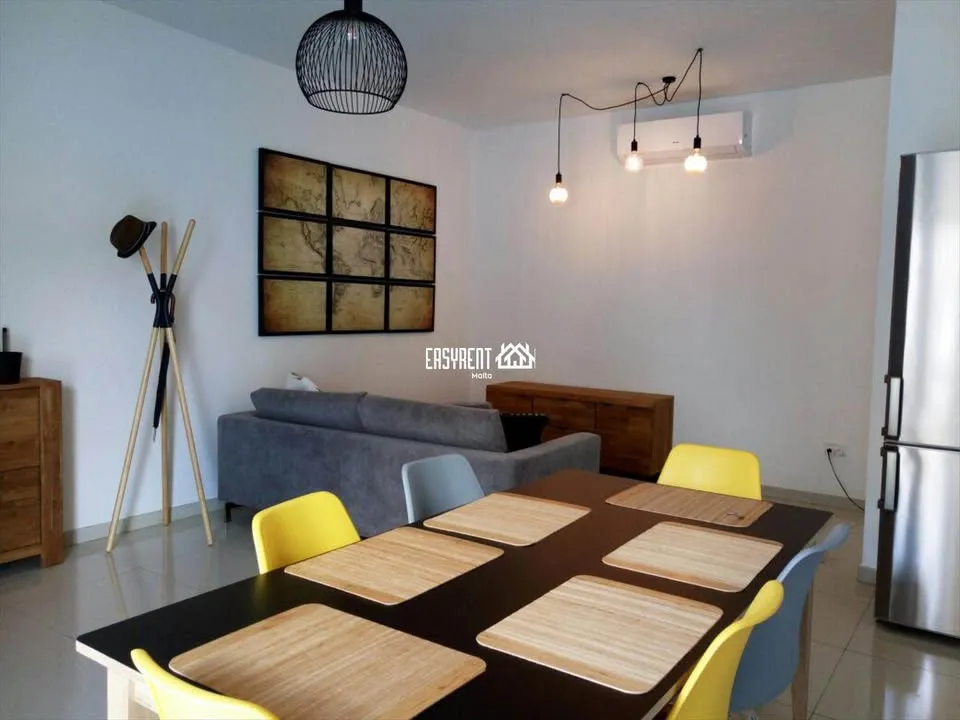
Marsaskala | 3-Bedroom Maisonette for Rent
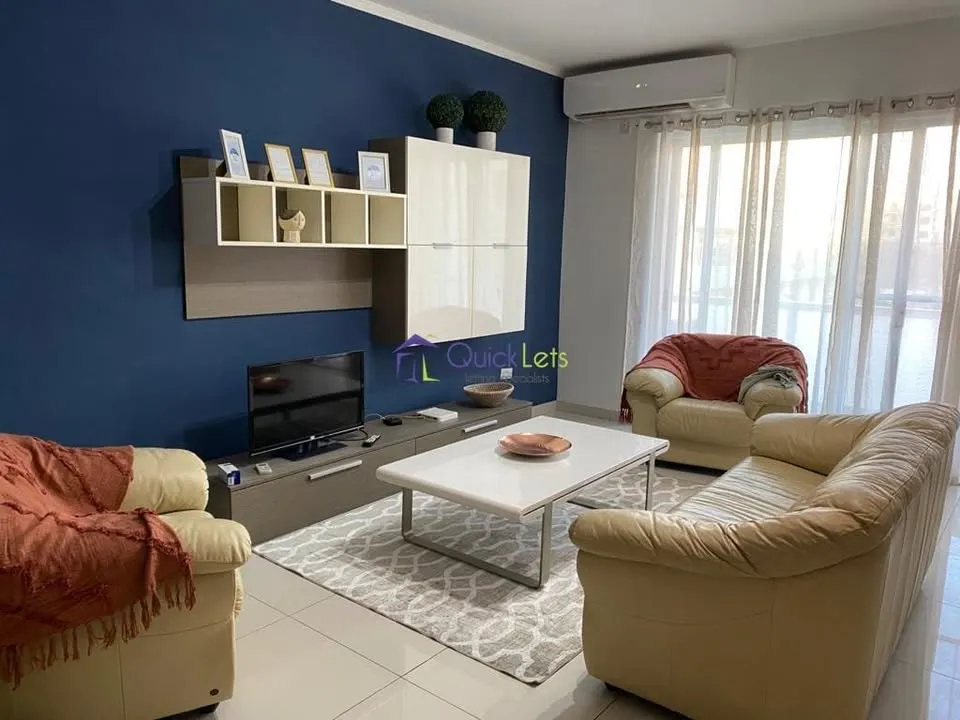
3 Bedroom House in Marsaskala