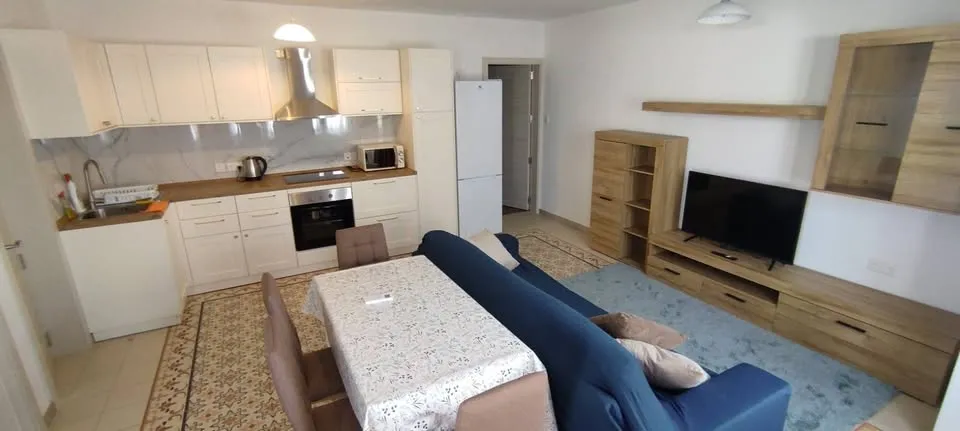
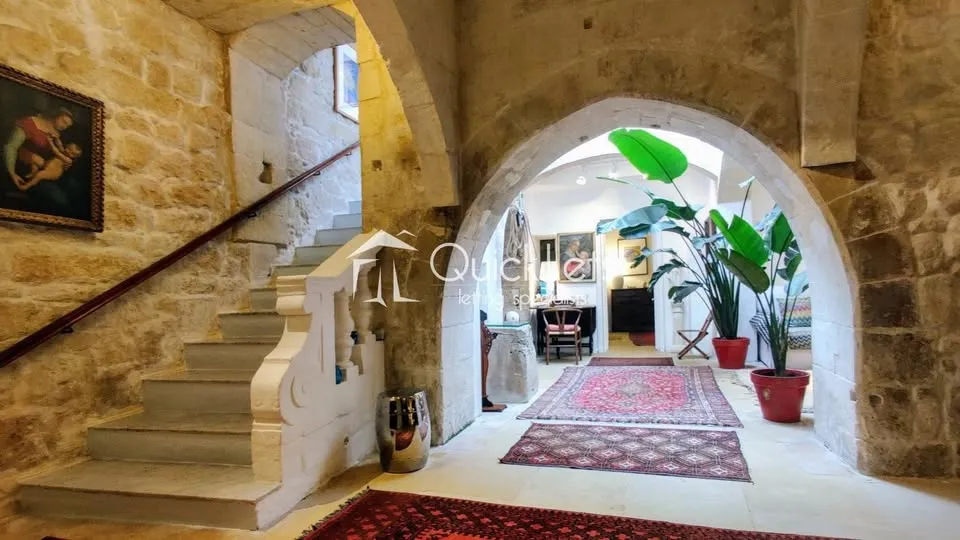
Birkirkara vs Mdina
Side-by-side comparison of property prices, lifestyle, and practical info to help you choose the right area.
Summary
Birkirkara is better for families and budget buyers seeking affordable central living, while Mdina suits culture lovers and tourists wanting a unique heritage lifestyle. Birkirkara is Malta's largest town with 24,300 residents and scores 9/10 for transport and 8/10 for family living. Buses reach Valletta in 20-25 minutes, Sliema in 15 minutes, and the airport in 20 minutes by car. Property prices are significantly lower than coastal areas, with more square metres per euro.
Mdina houses just 245 residents within its car-free medieval walls and scores 10/10 for safety. It takes 25 minutes by car to reach the airport and 25 minutes by bus to the Valletta ferry. Heritage properties command premium prices with strict conservation rules governing alterations. Dining scores 7/10, with fine dining at De Mondion and Fontanella Tea Garden.
Birkirkara suits families wanting everyday convenience and access to schools including St. Aloysius College. Mdina appeals to culture lovers prepared to pay a premium for 8,000 years of history and panoramic bastion views. The two areas sit roughly 6 km apart — Birkirkara scores 1/10 for beaches compared to Mdina's 3/10, with neither offering coastal access.
Living in Birkirkara
Birkirkara is Malta's largest town by population — a sprawling residential centre in the heart of the island that most tourists never visit but most Maltese have a connection to. It's not picturesque in the way Valletta or Mdina are, but it's real, working-class Malta: bakeries that have been open for generations, parish churches that anchor entire neighbourhoods, and streets where everyone knows everyone. The town's geography is varied. The old centre clusters around the imposing St. Helen's Basilica, one of the largest churches on the island. Ta' Paris and Swatar are more modern residential areas with apartment blocks popular with young professionals. The Imrieher industrial zone sits on the edge, a reminder that Birkirkara has always been a working town. The Valley Road area, running through a natural watercourse, is one of the few green corridors in central Malta. Property in Birkirkara offers the best value proposition in central Malta. Rents and purchase prices sit well below Sliema and St. Julian's while keeping you within 15 minutes of both by car or bus. The town has its own commercial strip, good schools, and a market that sells everything from fresh fish to furniture. It's not a lifestyle choice — it's a practical one, and that's why it's the island's most populated town.
Highlights
- Most populated town in Malta
- Significantly more affordable than coastal areas
- St. Helen's Basilica — one of Malta's largest churches
- Central location with 15-min access to most of the island
- Traditional Maltese town life with modern amenities
Living in Mdina
Mdina is the Silent City — a walled medieval citadel on a hilltop in central Malta where cars are banned, tourists whisper, and the only sound is the click of footsteps on golden limestone. Home to fewer than 300 residents, it is one of Europe's smallest inhabited cities and arguably its most atmospheric. The city's history predates the Knights of St. John by centuries. Originally a Phoenician settlement, then a Roman city, then the Arab capital of Malta, Mdina has layer upon layer of history compressed into its tiny footprint. The narrow streets are deliberately non-linear — a defensive trick to confuse invaders, now a maze that delights visitors. Palaces line every alley, many still privately owned by Maltese noble families who've held them for generations. Property in Mdina is rare and tightly regulated. The few apartments and townhouses that come up for sale are heritage-listed, requiring strict adherence to conservation rules. Buyers are getting a piece of history — original stone arches, tiled floors, and walls thick enough to withstand cannon fire. It's not for everyone: no parking, limited amenities, and constant tourist foot traffic. But for a small number of buyers, the chance to live in an 8,000-year-old fortress city is worth every restriction.
Highlights
- Cars banned — one of Europe's few car-free cities
- Fewer than 300 residents in an 8,000-year-old city
- St. Paul's Cathedral — baroque masterpiece
- Panoramic views from the city bastions
- Featured as King's Landing in Game of Thrones Season 1
Lifestyle Comparison
Which Area Is Right For You?
Choose Birkirkara
Birkirkara comes out ahead in family, nightlife, transport .
Choose Mdina
Mdina comes out ahead in dining, safety, beaches .
Frequently Asked Questions
Available Properties
Birkirkara (8 listings)
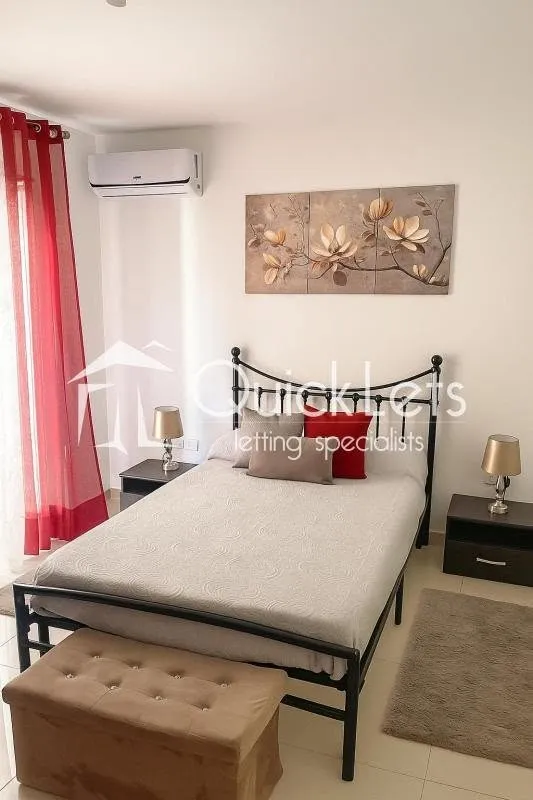
SWATAR- Bright & Modern North-Facing 2 Beds apartment
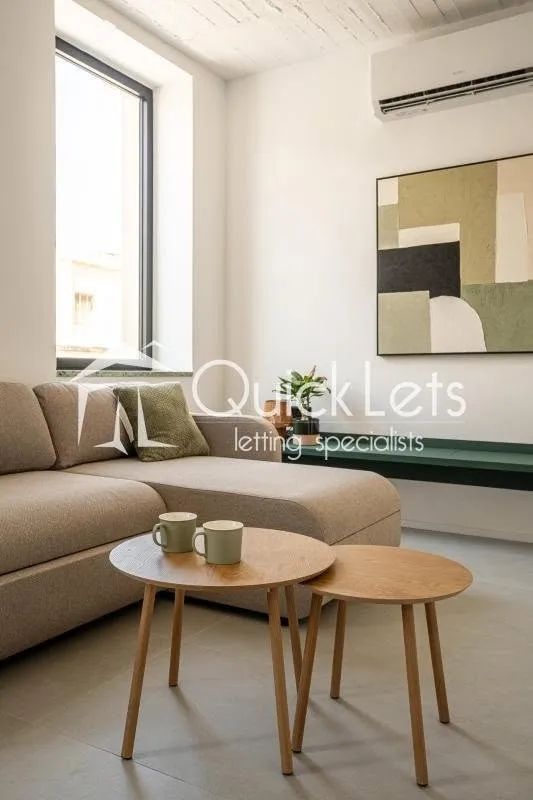
Luxury one-bedroom apartment in Birkirkara
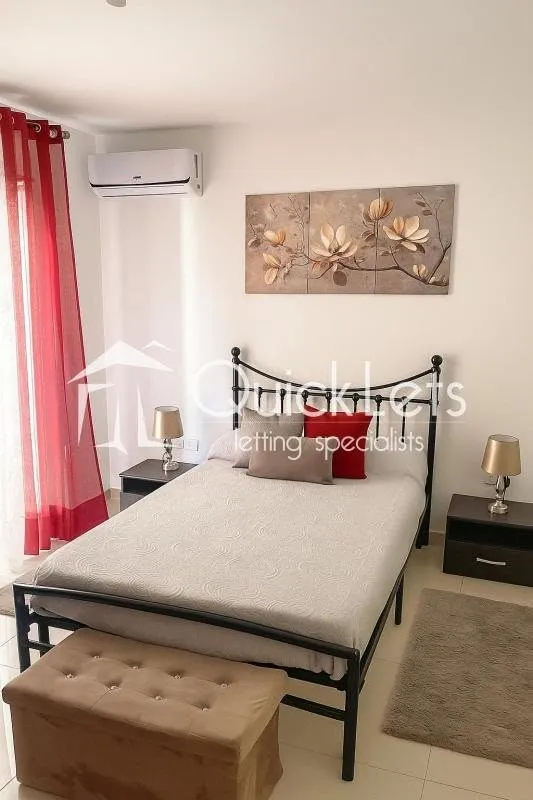
SWATAR- Bright & Modern North-Facing 2 Beds apartment