Birkirkara vs Mosta
Side-by-side comparison of property prices, lifestyle, and practical info to help you choose the right area.
Summary
Birkirkara suits families and budget buyers who prioritise authentic Maltese community life alongside genuine convenience. Mosta appeals specifically to families who value the nearby Ta' Qali national stadium and sports complex. Both towns score 8/10 for family suitability and share low nightlife ratings — Birkirkara at 3/10 and Mosta at 2/10. Birkirkara's population of 24,300 makes it Malta's largest town, while Mosta follows closely at 22,800. Parking is easier in Birkirkara than in coastal areas, though both experience rush-hour congestion in their town centres.
Living in Birkirkara
Birkirkara is Malta's largest town by population — a sprawling residential centre in the heart of the island that most tourists never visit but most Maltese have a connection to. It's not picturesque in the way Valletta or Mdina are, but it's real, working-class Malta: bakeries that have been open for generations, parish churches that anchor entire neighbourhoods, and streets where everyone knows everyone. The town's geography is varied. The old centre clusters around the imposing St. Helen's Basilica, one of the largest churches on the island. Ta' Paris and Swatar are more modern residential areas with apartment blocks popular with young professionals. The Imrieher industrial zone sits on the edge, a reminder that Birkirkara has always been a working town. The Valley Road area, running through a natural watercourse, is one of the few green corridors in central Malta. Property in Birkirkara offers the best value proposition in central Malta. Rents and purchase prices sit well below Sliema and St. Julian's while keeping you within 15 minutes of both by car or bus. The town has its own commercial strip, good schools, and a market that sells everything from fresh fish to furniture. It's not a lifestyle choice — it's a practical one, and that's why it's the island's most populated town.
Highlights
- Most populated town in Malta
- Significantly more affordable than coastal areas
- St. Helen's Basilica — one of Malta's largest churches
- Central location with 15-min access to most of the island
- Traditional Maltese town life with modern amenities
Living in Mosta
Mosta is defined by one building. The Rotunda of Mosta — a massive domed church modelled on the Pantheon in Rome — dominates the town's skyline and its identity. The dome is one of the largest unsupported church domes in the world, and its story is remarkable: during WWII, a German bomb pierced the dome during a packed Mass and skidded across the floor without exploding. A replica is still on display inside. Beyond the Rotunda, Mosta is a substantial residential town in central Malta with a character that sits between urban and rural. The town centre has a traditional Maltese market area and commercial strip, while the outskirts blend into farmland and open countryside. Ta' Qali, Malta's national stadium and sports complex, sits at the edge of town alongside the Crafts Village and Malta's aviation museum. Mosta appeals to families and professionals who want space without being far from the action. Property here is more affordable than the coastal hotspots, and you get more square metreage for your money. The town has a strong community feel, good schools, and enough restaurants and shops that daily life doesn't require a trip to Sliema or Valletta.
Highlights
- The Rotunda — one of the world's largest unsupported domes
- Ta' Qali national stadium and sports complex
- More affordable property with larger living spaces
- Central location — 20 min to anywhere on Malta
- Strong community atmosphere and local markets
Lifestyle Comparison
Which Area Is Right For You?
Choose Birkirkara
Birkirkara comes out ahead in dining, nightlife, transport .
Choose Mosta
Mosta comes out ahead in safety, beaches .
Frequently Asked Questions
Available Properties
Birkirkara (16 listings)
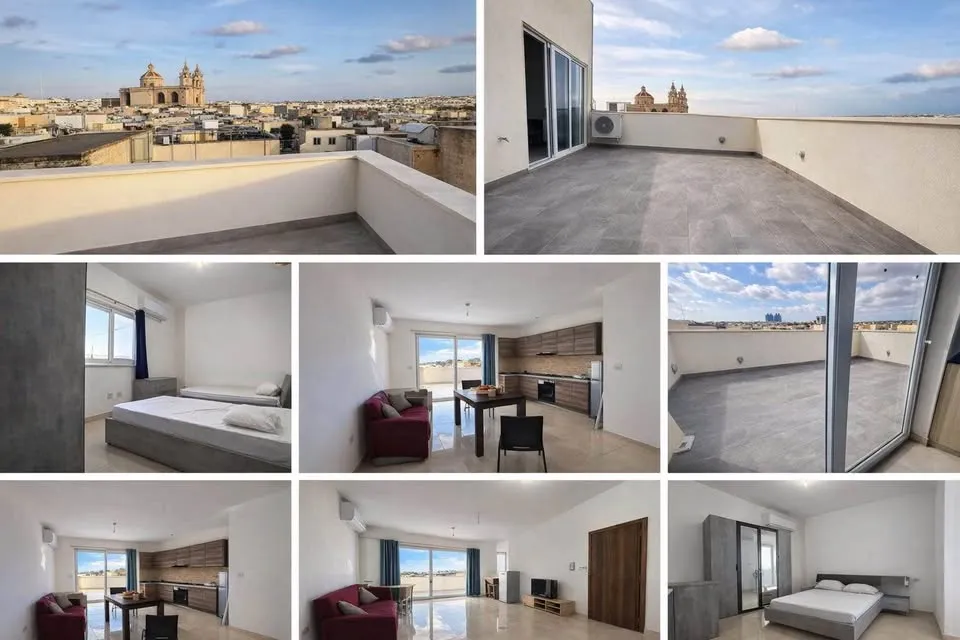
Modern and very spacious 4-bedroom penthouse
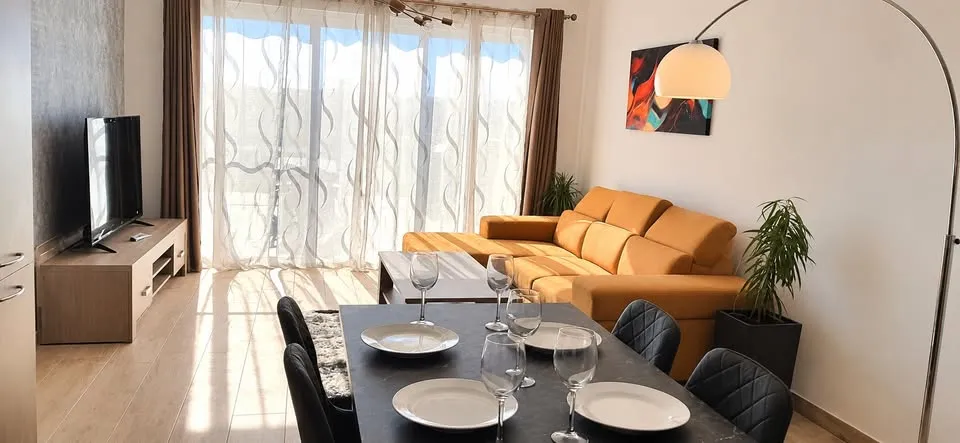
Apartment in Swatar, Birkirkara
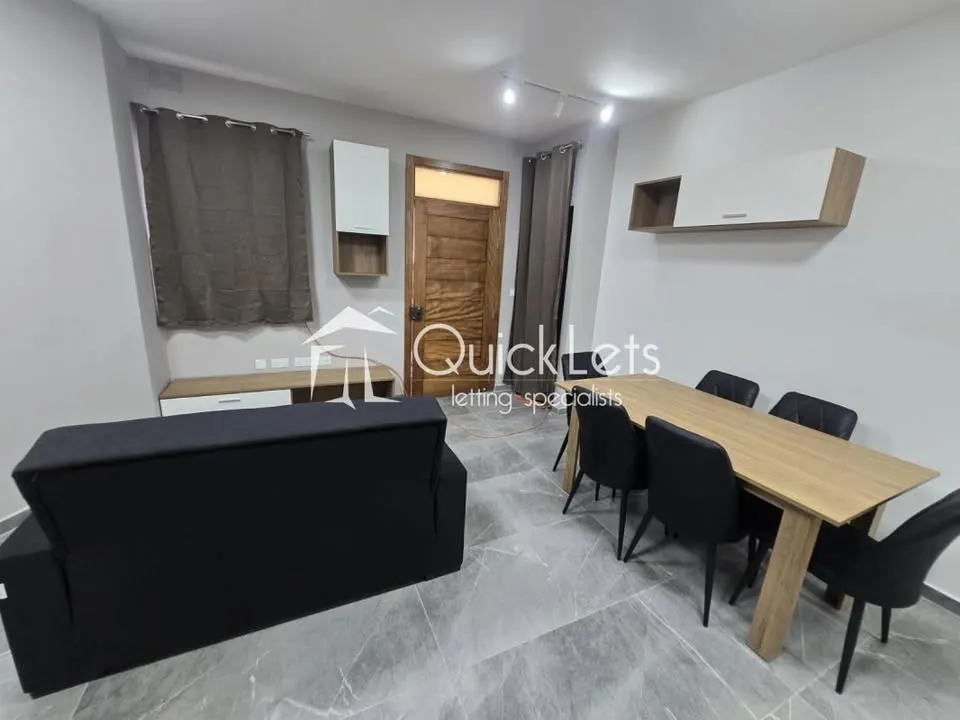
PET-FRIENDLY*BRAND NEW MAISONETTE – HIGHLY FINISHED | 3 BEDROOMS | 2-CAR GARAGE | PET-FRIENDLY
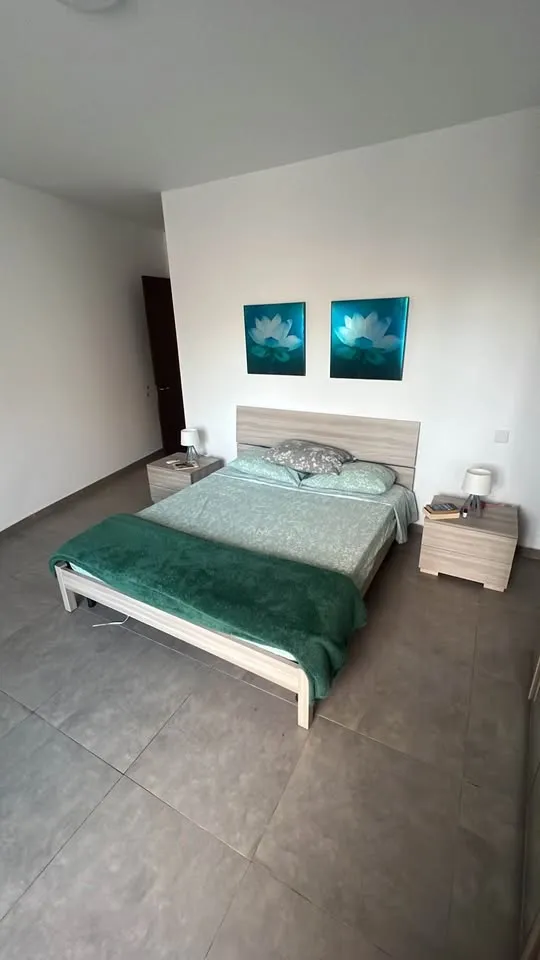
Large room in modern Birkirkara apartment
Mosta (25 listings)
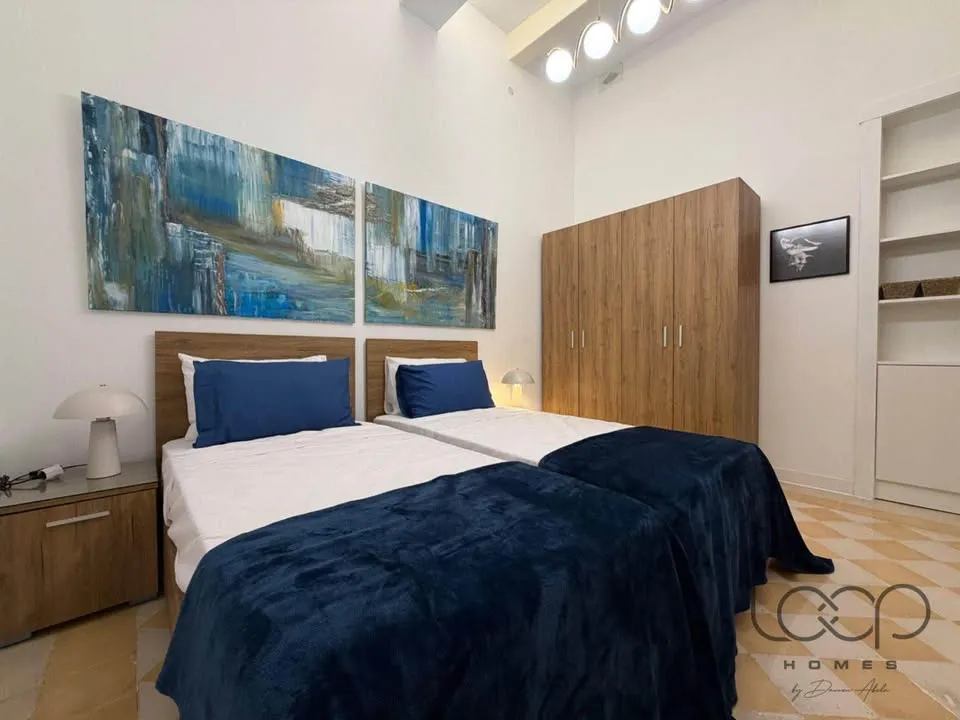
Recently Refurbished 2 Bedroom House of Character in Mosta
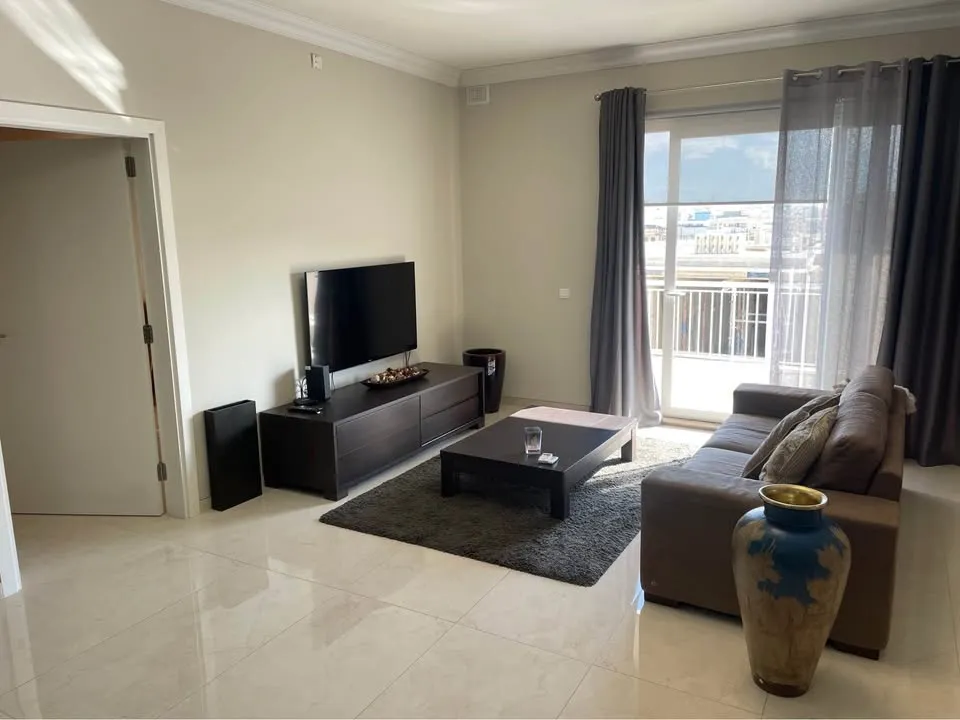
Squarish Apartment in Mosta with Terrace
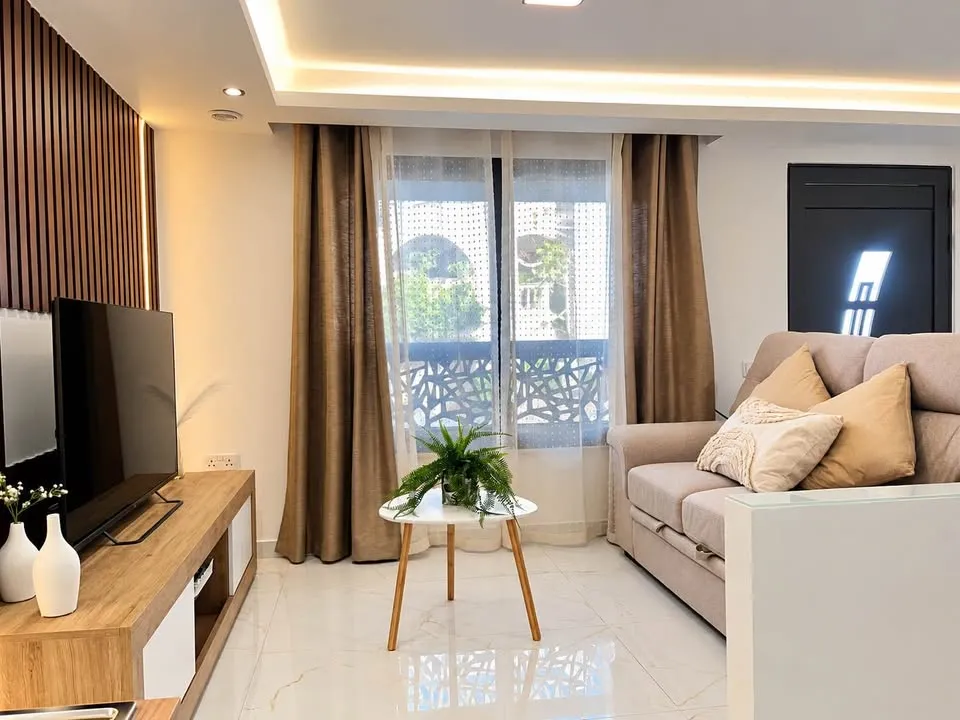
Mosta Brand New & Ultra Modern Maisonette