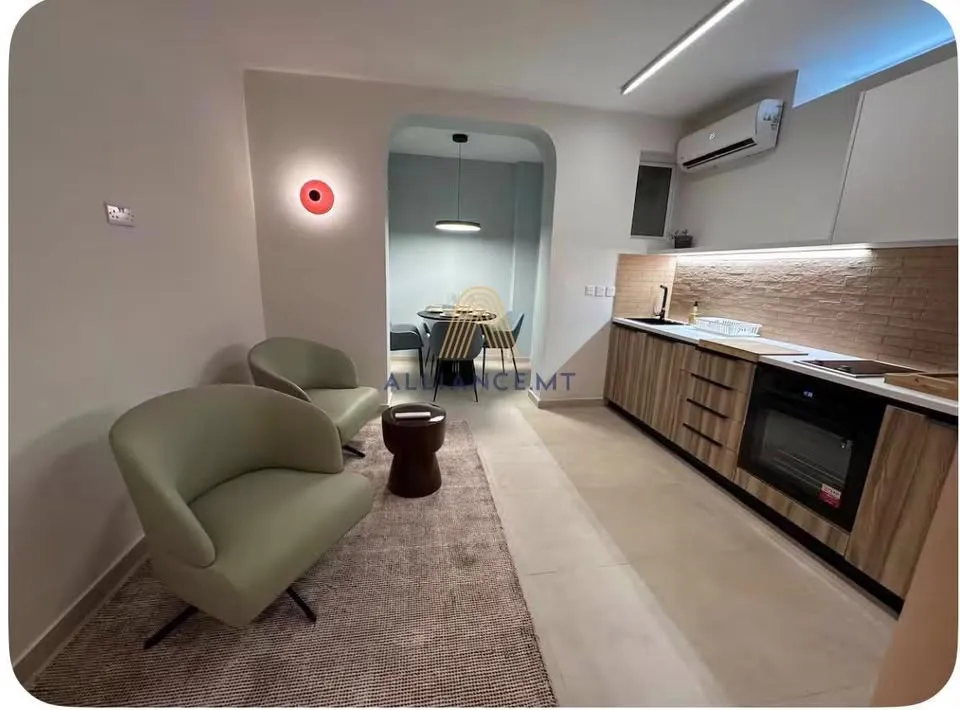
Birkirkara vs Pembroke
Side-by-side comparison of property prices, lifestyle, and practical info to help you choose the right area.
Summary
Birkirkara, Malta's largest town with 24,300 residents, scores 9/10 for transport connectivity and sits at the island's centre, with bus routes reaching Valletta in 20–25 minutes, Sliema in 15 minutes, and the airport in 20 minutes by car. Property prices are significantly lower than coastal areas, offering more square metres per euro. The town scores 8/10 for family suitability, supported by schools including St. Aloysius College, but only 1/10 for beach access and 3/10 for nightlife.
Pembroke has a smaller population of 4,200 and scores 8/10 for both family suitability and safety, plus 7/10 for beaches thanks to its coastal position near St. Julian's. The Pembroke Garigue Nature Reserve provides protected greenspace. Property sits at mid-range prices between St. Julian's and northern towns. Transport scores 7/10, with buses connecting to Sliema and Valletta, and the airport 30 minutes away by car. Dining options are limited at 5/10, and the area lacks the traditional village character found in Birkirkara.
Bustling residential heartland
Modern residential town with military heritage
Living in Birkirkara
Birkirkara is Malta's largest town by population — a sprawling residential centre in the heart of the island that most tourists never visit but most Maltese have a connection to. It's not picturesque in the way Valletta or Mdina are, but it's real, working-class Malta: bakeries that have been open for generations, parish churches that anchor entire neighbourhoods, and streets where everyone knows everyone. The town's geography is varied. The old centre clusters around the imposing St. Helen's Basilica, one of the largest churches on the island. Ta' Paris and Swatar are more modern residential areas with apartment blocks popular with young professionals. The Imrieher industrial zone sits on the edge, a reminder that Birkirkara has always been a working town. The Valley Road area, running through a natural watercourse, is one of the few green corridors in central Malta. Property in Birkirkara offers the best value proposition in central Malta. Rents and purchase prices sit well below Sliema and St. Julian's while keeping you within 15 minutes of both by car or bus. The town has its own commercial strip, good schools, and a market that sells everything from fresh fish to furniture. It's not a lifestyle choice — it's a practical one, and that's why it's the island's most populated town.
Highlights
- Most populated town in Malta
- Significantly more affordable than coastal areas
- St. Helen's Basilica — one of Malta's largest churches
- Central location with 15-min access to most of the island
- Traditional Maltese town life with modern amenities
Living in Pembroke
Pembroke is one of Malta's newest towns, built on land that served as a British military base from the 1860s until the navy left in 1979. Named after the 12th Earl of Pembroke, the area still bears visible traces of its military past — coastal fortifications, Victorian-era barracks, and gun emplacements that once guarded the approach to the Grand Harbour. The town has developed rapidly since the 1990s into a residential area popular with middle-class Maltese families and expat professionals. The housing stock is predominantly modern apartment blocks and terraced houses, with some newer villa developments on the eastern edge. Pembroke's big advantage is greenspace — the town sits adjacent to the Pembroke Garigue Nature Reserve, a protected area of rocky coastline and wild garigue habitat that's one of the few remaining natural spaces in urban Malta. Pembroke occupies a strategic position between St. Julian's and the northern coast. It's close enough to Paceville and Sliema to benefit from their amenities but far enough to escape the noise and congestion. Property prices sit in the mid-range — above the southern towns but below the premium coastal strip.
Highlights
- Pembroke Garigue Nature Reserve — protected coastline
- Former British military base with Victorian fortifications
- Mid-range property between St. Julian's and the north
- Popular with families and expat professionals
- Greenspace rare in this part of Malta
Lifestyle Comparison
Which Area Is Right For You?
Choose Birkirkara
Birkirkara comes out ahead in dining, transport .
Choose Pembroke
Pembroke comes out ahead in safety, beaches, nightlife .
Frequently Asked Questions
Available Properties
Birkirkara (16 listings)
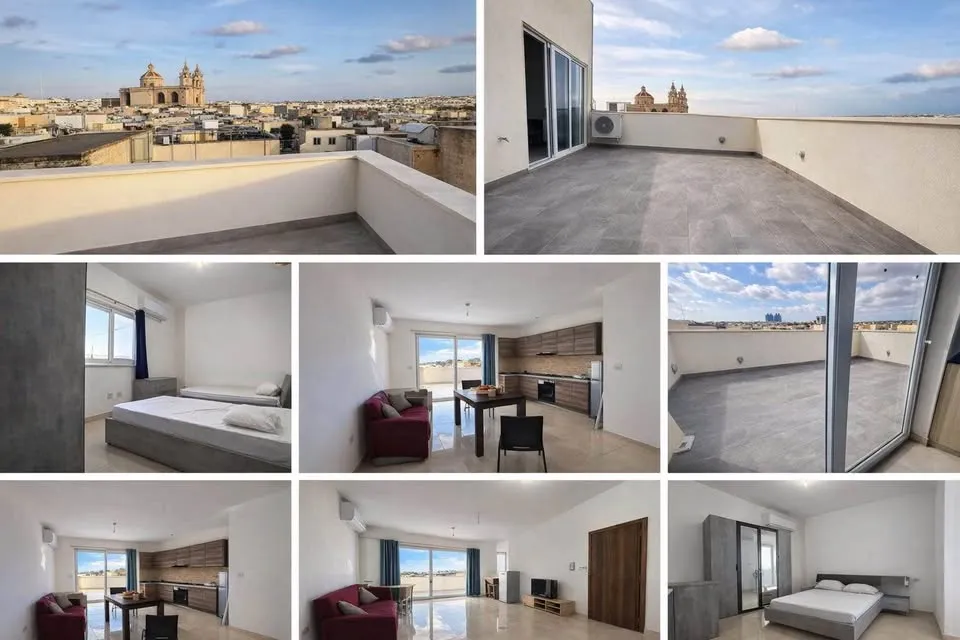
Modern and very spacious 4-bedroom penthouse
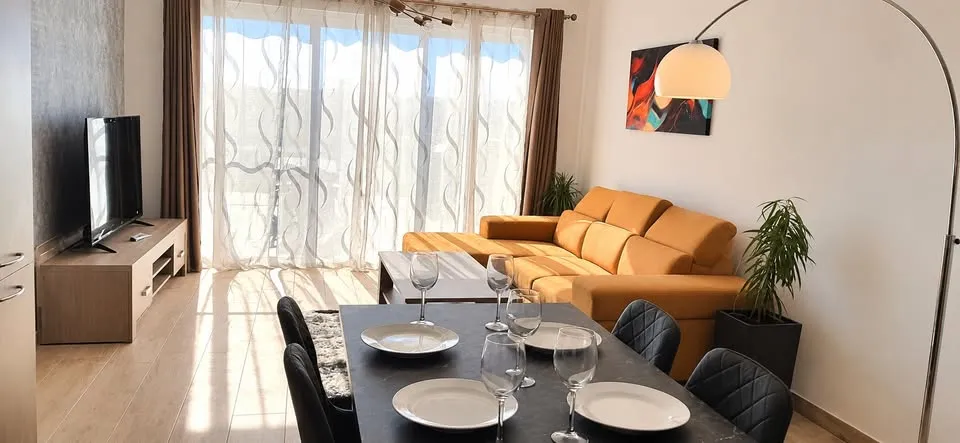
Apartment in Swatar, Birkirkara
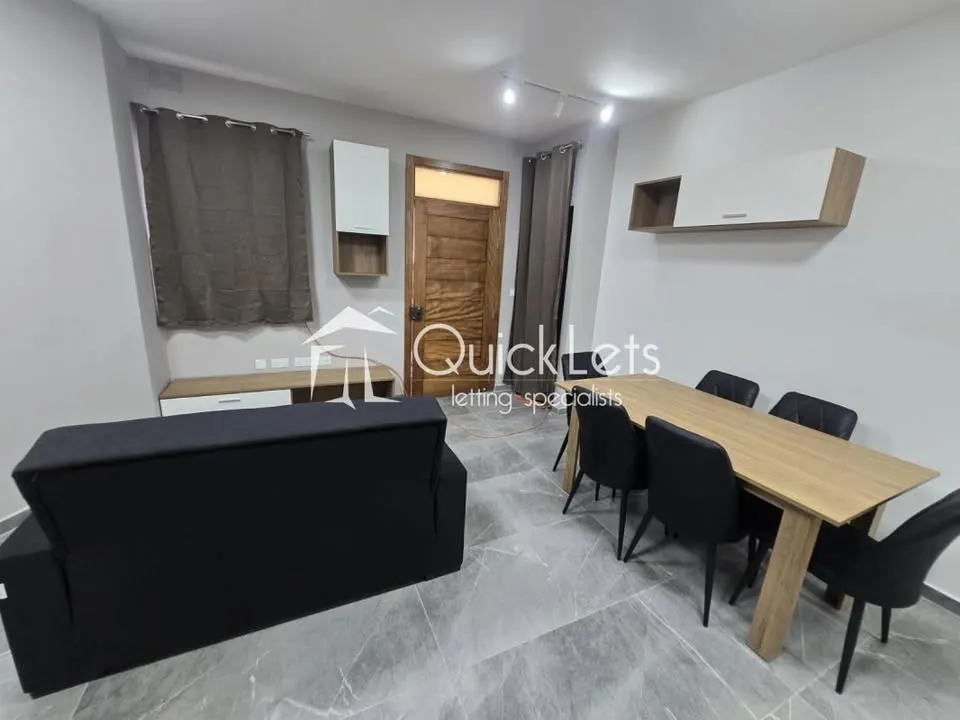
PET-FRIENDLY*BRAND NEW MAISONETTE – HIGHLY FINISHED | 3 BEDROOMS | 2-CAR GARAGE | PET-FRIENDLY
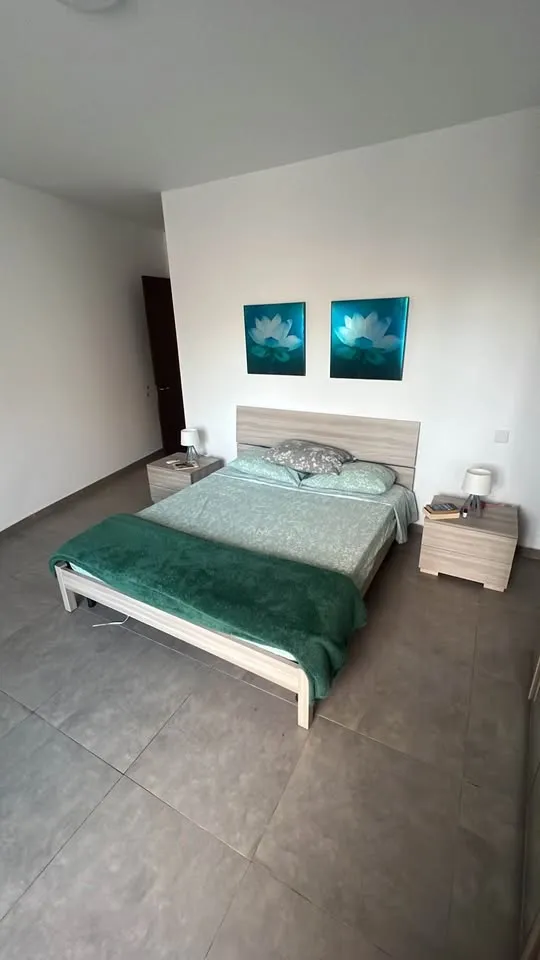
Large room in modern Birkirkara apartment
Pembroke (6 listings)
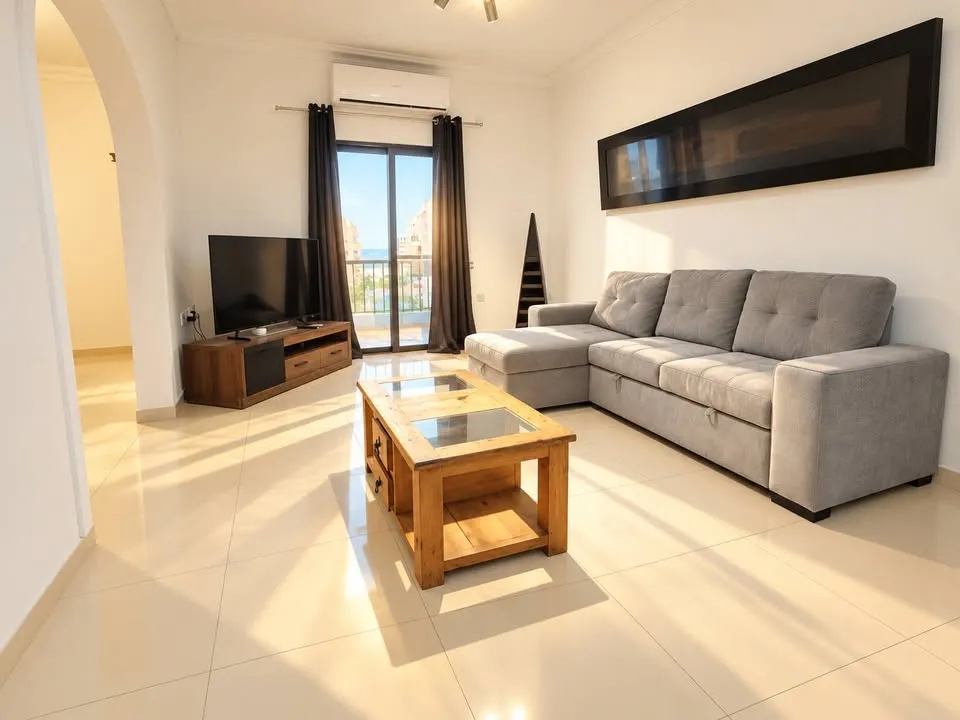
For Rent in Pembroke
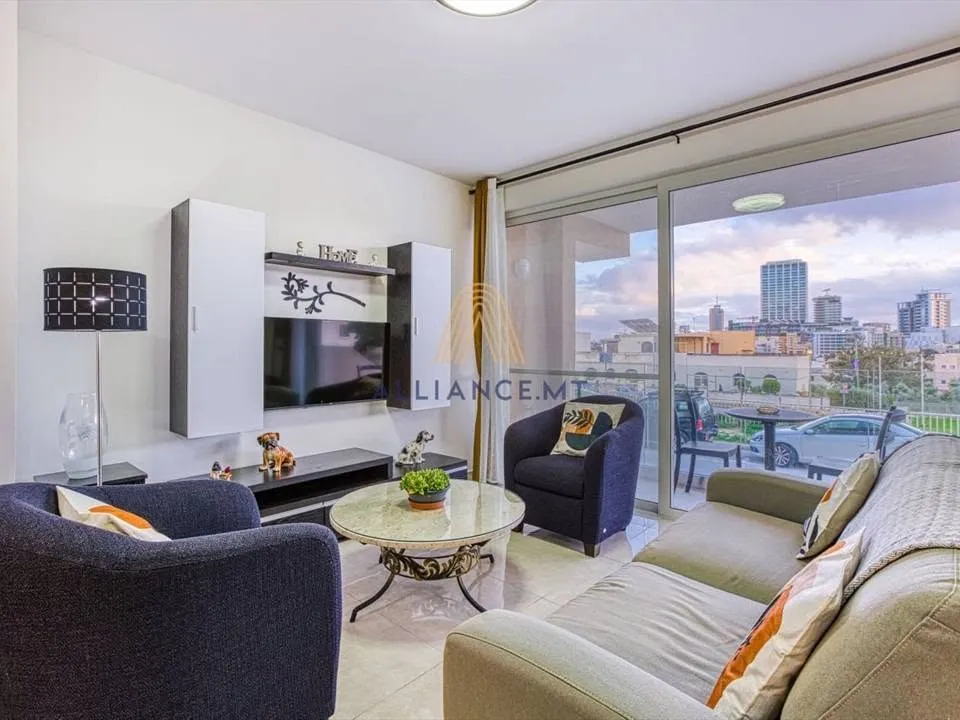
Property in Pembroke, Reġjun tal-Lvant
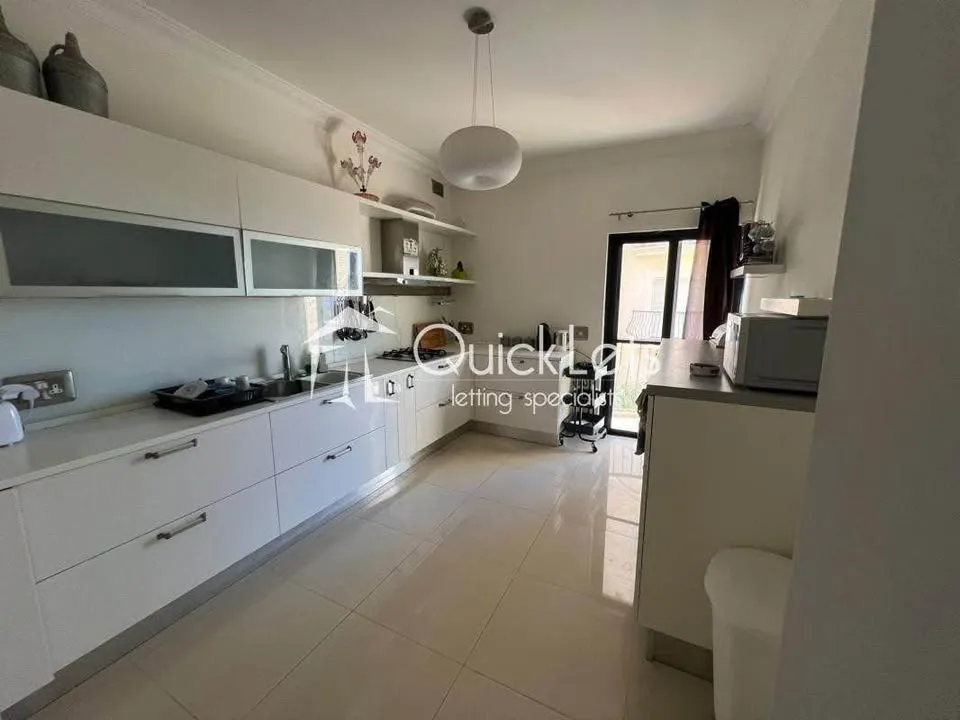
2 Bedrooms in Pembroke, Malta