Burmarrad vs Zejtun
Side-by-side comparison of property prices, lifestyle, and practical info to help you choose the right area.
Summary
Burmarrad is better for families wanting rural space near the coast, while Żejtun suits families who prefer traditional town life with stronger transport links and amenities.
Burmarrad offers larger properties with gardens at northern Malta's most affordable prices, rated 8/10 for safety and 6/10 for beaches. However, it scores just 2/10 for transport and has no local shops or services — a car is essential. The nearest amenities are a 5-minute drive to St. Paul's Bay, and Malta International Airport is 30 minutes away by car. The population is small at 1,500, reinforcing its quiet, spread-out character.
Żejtun is a well-established southern town of 11,800 residents with comprehensive local amenities, schools, and an 8/10 family rating. Transport is significantly better at 6/10, with three bus routes to Valletta (25–30 minutes) and the airport just 10 minutes by car. Property prices are among Malta's most affordable for an urban area. The trade-off is limited nightlife (3/10) and hotter summers with less sea breeze than coastal locations.
Living in Burmarrad
Burmarrad is a small residential area on the inland edge of St. Paul's Bay — a flat, rural-feeling neighbourhood of modern houses and smallholdings that sits between the coast and the agricultural land of the Pwales Valley. It's not a traditional village with a church square; it's a spread-out residential community that grew as St. Paul's Bay expanded inland. The surrounding Pwales Valley is one of Malta's few remaining agricultural areas, with small farms producing vegetables, strawberries, and the tomatoes that go into Malta's famous sun-dried tomato paste. The valley floor is flat and green — a rarity in Malta — and the distant view of the Mellieha ridge provides a pleasant backdrop. Property in Burmarrad is among the most affordable in the St. Paul's Bay area. Buyers get larger properties with gardens — almost unheard of in coastal apartments — at prices well below the seafront. The trade-off is distance from the coast and a car-dependent lifestyle.
Highlights
- Pwales Valley — one of Malta's few agricultural areas
- Larger properties with gardens at affordable prices
- Flat terrain and open countryside views
- Part of the St. Paul's Bay area but quieter
- Close to Mistra Bay and Xemxija
Living in Zejtun
Zejtun is a substantial southern town that takes its name from the Maltese word for olive oil — zejt — a reminder that this area was once covered in olive groves supplying oil across the Mediterranean. The town is one of Malta's largest and has a distinctly southern identity, with strong festa traditions, a sprawling residential area, and a historic core that's among the best-preserved in the south. The old centre clusters around the impressive parish church of St. Catherine, a baroque building with one of the finest church facades in Malta. The surrounding streets contain substantial townhouses with enclosed courtyards, some dating back to the Knights' period. The village of Birzebbuga, Hal Far industrial estate, and the Freeport all sit within Zejtun's broader boundaries. Property in Zejtun is very affordable — among the lowest prices in urbanised Malta. The town has all essential amenities and good road connections, but public transport to Valletta takes 25–30 minutes and the tourist appeal is minimal. It's a practical choice for local buyers and budget-conscious investors.
Highlights
- Named after centuries of olive oil production
- One of Malta's finest baroque church facades
- Among the most affordable property in urban Malta
- Strong festa and community traditions
- Good road connections to the south and harbour area
Lifestyle Comparison
Which Area Is Right For You?
Choose Burmarrad
Burmarrad comes out ahead in beaches .
Choose Zejtun
Zejtun comes out ahead in dining, family, nightlife, transport .
Frequently Asked Questions
Available Properties
Burmarrad (1 listings)
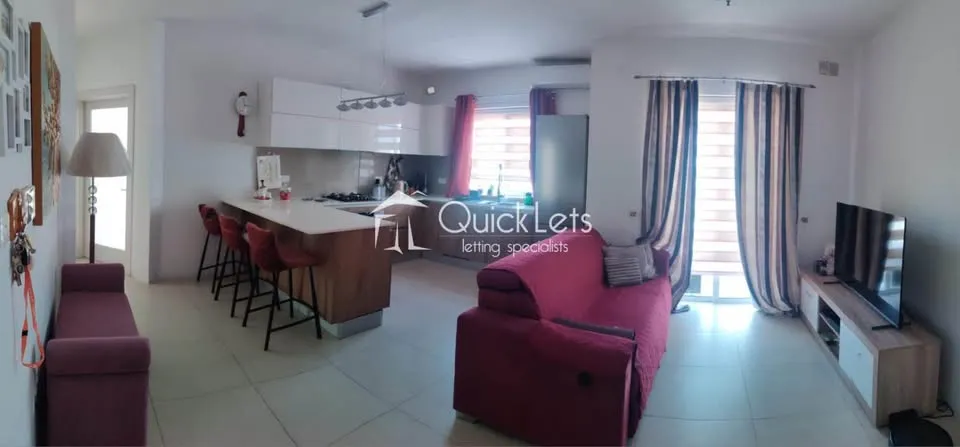
View all Burmarrad properties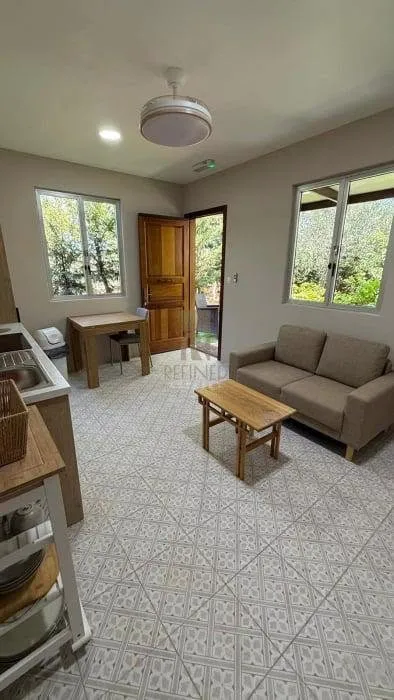
Zejtun (5 listings)
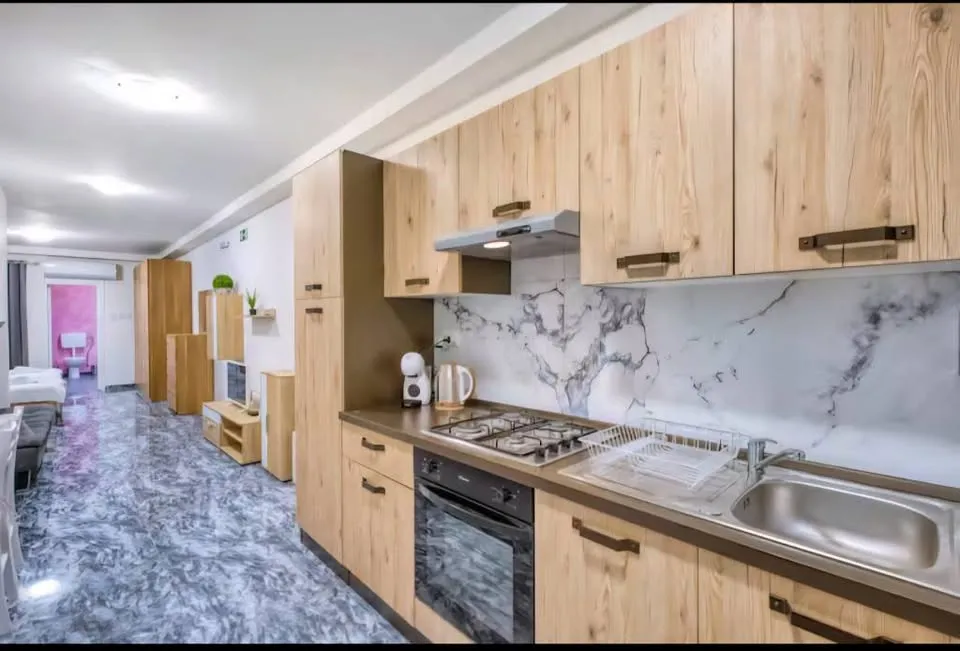
Fully Renovated Apartment in Żejtun
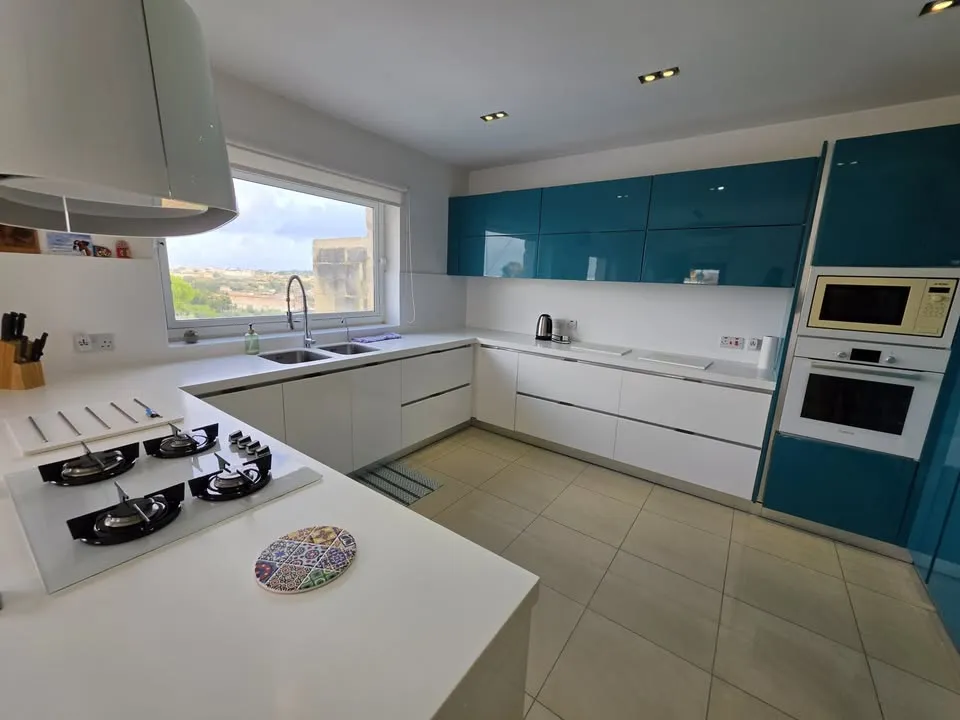
ZEJTUN HOUSE FOR RENT
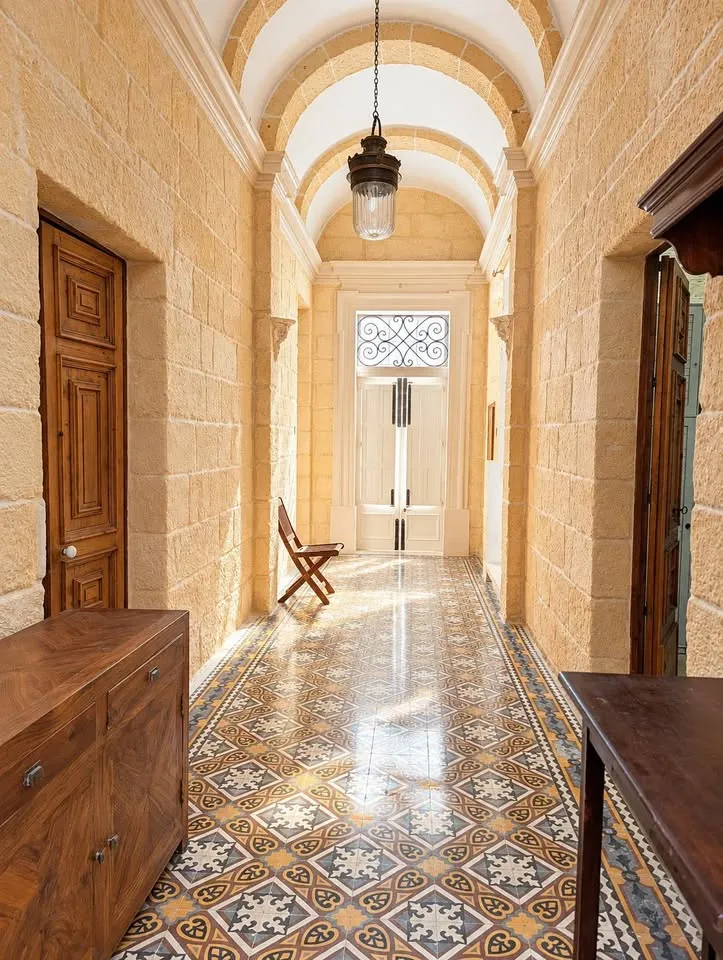
Charming 2 bedroom 2 bathroom Townhouse with roof terrace and backyard