Cospicua vs Mdina
Side-by-side comparison of property prices, lifestyle, and practical info to help you choose the right area.
Summary
Living in Cospicua
Cospicua — Bormla in Maltese — is the largest of the Three Cities and the one most people drive past without stopping. That's changing. The town sits between Birgu and Senglea on the Grand Harbour, with the historic dockyard that once employed half of Malta's workforce carved into its waterfront. The docks are largely decommissioned now, and the reclaimed space is slowly being redeveloped into residential and commercial projects. The Cottonera Lines, a massive 17th-century fortification wall, form Cospicua's landward boundary — an imposing stone rampart that's visible from miles away. Inside, the town has a working-class character that's increasingly interspersed with renovated properties bought by heritage-minded newcomers. The Santa Theresa church and the Bir Mula Heritage museum anchor the old quarter. Cospicua offers the most affordable entry point into the Three Cities. Properties here are cheaper than Birgu and Senglea, and there's more stock available — though much of it needs significant restoration. The Valletta ferry terminal at nearby Birgu makes commuting straightforward, and the town is on the receiving end of serious government regeneration investment.
Highlights
- Most affordable of the Three Cities
- Cottonera Lines — massive 17th-century fortifications
- Active regeneration and heritage restoration
- Grand Harbour ferry connection to Valletta
- Growing restaurant and cultural scene
Living in Mdina
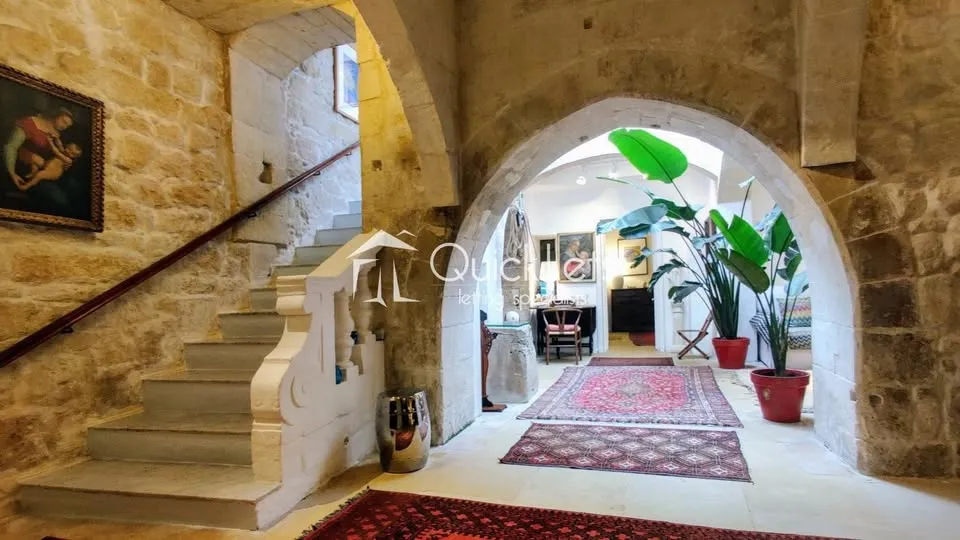
Mdina is the Silent City — a walled medieval citadel on a hilltop in central Malta where cars are banned, tourists whisper, and the only sound is the click of footsteps on golden limestone. Home to fewer than 300 residents, it is one of Europe's smallest inhabited cities and arguably its most atmospheric. The city's history predates the Knights of St. John by centuries. Originally a Phoenician settlement, then a Roman city, then the Arab capital of Malta, Mdina has layer upon layer of history compressed into its tiny footprint. The narrow streets are deliberately non-linear — a defensive trick to confuse invaders, now a maze that delights visitors. Palaces line every alley, many still privately owned by Maltese noble families who've held them for generations. Property in Mdina is rare and tightly regulated. The few apartments and townhouses that come up for sale are heritage-listed, requiring strict adherence to conservation rules. Buyers are getting a piece of history — original stone arches, tiled floors, and walls thick enough to withstand cannon fire. It's not for everyone: no parking, limited amenities, and constant tourist foot traffic. But for a small number of buyers, the chance to live in an 8,000-year-old fortress city is worth every restriction.
Highlights
- Cars banned — one of Europe's few car-free cities
- Fewer than 300 residents in an 8,000-year-old city
- St. Paul's Cathedral — baroque masterpiece
- Panoramic views from the city bastions
- Featured as King's Landing in Game of Thrones Season 1
Lifestyle Comparison
Which Area Is Right For You?
Choose Cospicua
Cospicua comes out ahead in family, nightlife, transport .
Choose Mdina
Mdina comes out ahead in dining, safety .