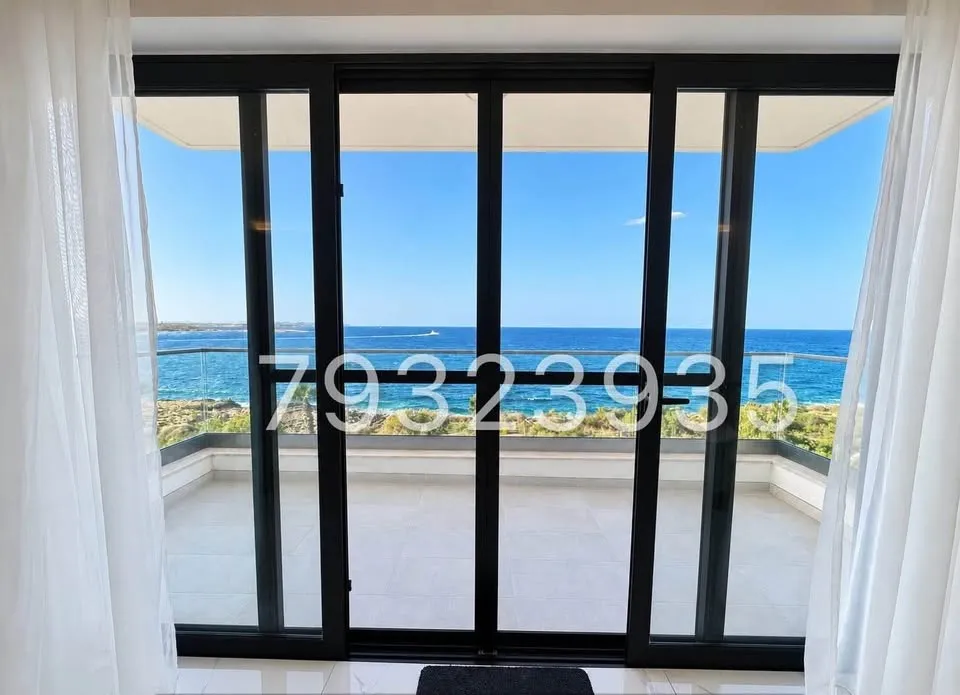
Cospicua vs Qawra
Side-by-side comparison of property prices, lifestyle, and practical info to help you choose the right area.
Summary
Cospicua, the largest of Malta's Three Cities, scores 7/10 for transport thanks to the Grand Harbour ferry connecting to Valletta in minutes. Properties here are the most affordable in the Three Cities, though many require renovation. The town rates 7/10 for safety and 6/10 for dining, with a strong generational community and ongoing government regeneration improving infrastructure. The airport is 20 minutes away by car. Qawra offers a different pace: a relaxed promenade resort with rocky swimming and a dining score of 7/10. Transport also rates 7/10, but reaching Valletta takes 50–60 minutes by bus. The airport is a 30-minute drive.
Qawra's population of 8,000 swells with tourists in summer, and its architecture is predominantly modern apartment blocks. Cospicua's 5,600 residents live among 17th-century fortifications and dockyard heritage. Qawra delivers convenience — essential amenities are walkable, and the seafront promenade is the longest in northern Malta. Cospicua delivers character — heritage harbour-view properties at accessible prices, though local shopping requires trips to Paola or Birgu.
Living in Cospicua
Cospicua — Bormla in Maltese — is the largest of the Three Cities and the one most people drive past without stopping. That's changing. The town sits between Birgu and Senglea on the Grand Harbour, with the historic dockyard that once employed half of Malta's workforce carved into its waterfront. The docks are largely decommissioned now, and the reclaimed space is slowly being redeveloped into residential and commercial projects. The Cottonera Lines, a massive 17th-century fortification wall, form Cospicua's landward boundary — an imposing stone rampart that's visible from miles away. Inside, the town has a working-class character that's increasingly interspersed with renovated properties bought by heritage-minded newcomers. The Santa Theresa church and the Bir Mula Heritage museum anchor the old quarter. Cospicua offers the most affordable entry point into the Three Cities. Properties here are cheaper than Birgu and Senglea, and there's more stock available — though much of it needs significant restoration. The Valletta ferry terminal at nearby Birgu makes commuting straightforward, and the town is on the receiving end of serious government regeneration investment.
Highlights
- Most affordable of the Three Cities
- Cottonera Lines — massive 17th-century fortifications
- Active regeneration and heritage restoration
- Grand Harbour ferry connection to Valletta
- Growing restaurant and cultural scene
Living in Qawra
Qawra is the quieter neighbour of Bugibba — a coastal resort area on St. Paul's Bay that shares the same tourist infrastructure but with a more relaxed pace. The name means 'rounded' in Maltese, referring to the shape of the rocky peninsula that juts into the sea. Where Bugibba is loud and commercial, Qawra is slightly more subdued, with a long coastal promenade, rocky swimming platforms, and a cluster of hotels and apartment blocks. The Qawra promenade is one of the longest continuous seafront walks in Malta, stretching from Bugibba's aquarium all the way to Salina Bay. The salt pans at Salina are one of the oldest in Malta, still producing sea salt using traditional methods. The Qawra Point tower, a Knights-era watchtower, sits at the tip of the peninsula. Property in Qawra mirrors Bugibba's market — affordable purchase prices and solid rental yields from tourist demand. The area is popular with British retirees and long-stay visitors who prefer Qawra's slightly calmer atmosphere over Bugibba's bustle. Winter occupancy is better than most Maltese resorts thanks to the retiree community.
Highlights
- Longest seafront promenade in northern Malta
- Salina salt pans — traditional sea salt production
- Knights-era watchtower at Qawra Point
- Steady rental yields from retiree community
- Slightly quieter alternative to neighbouring Bugibba
Lifestyle Comparison
Which Area Is Right For You?
Choose Cospicua
Cospicua comes out ahead in safety .
Choose Qawra
Qawra comes out ahead in dining, beaches, nightlife .
Frequently Asked Questions
Available Properties
Cospicua (3 listings)
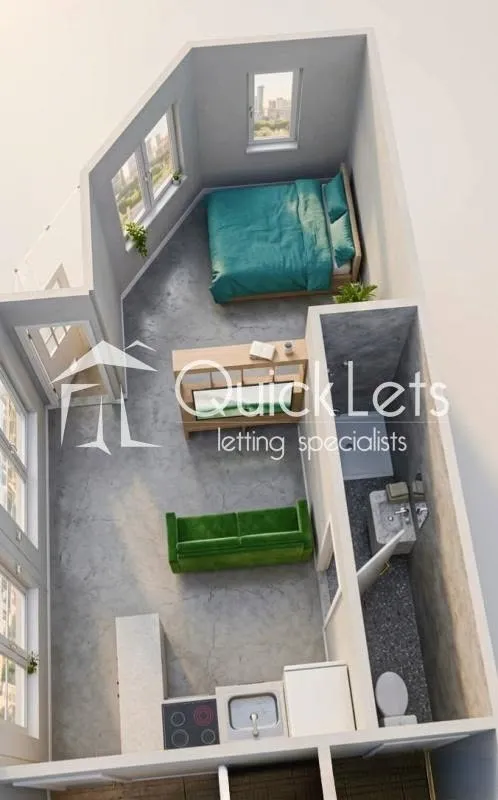
STUDIO APARTMENT
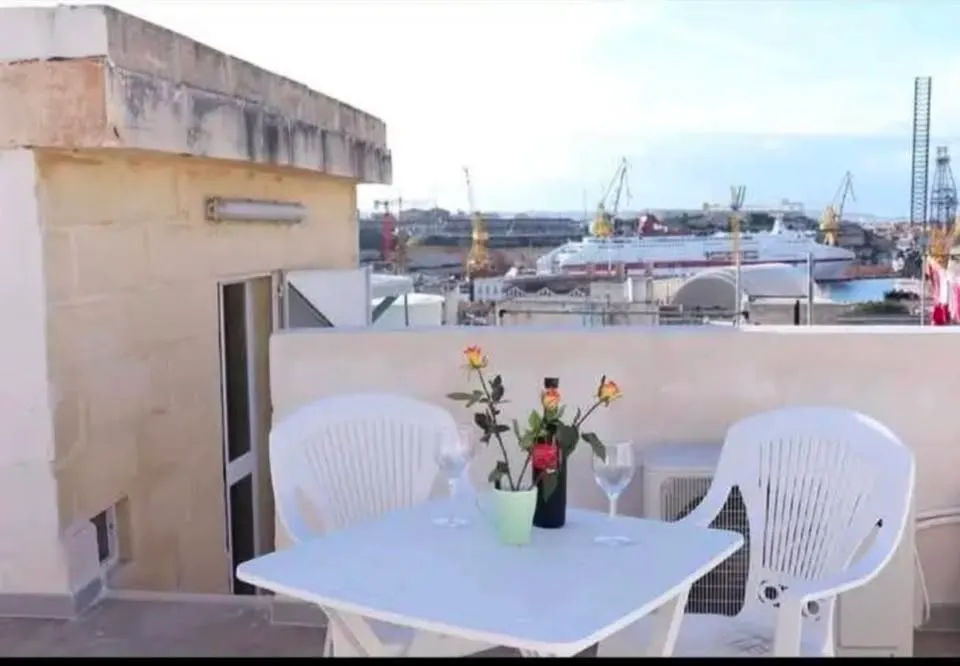
1 bedroom studio penthouse
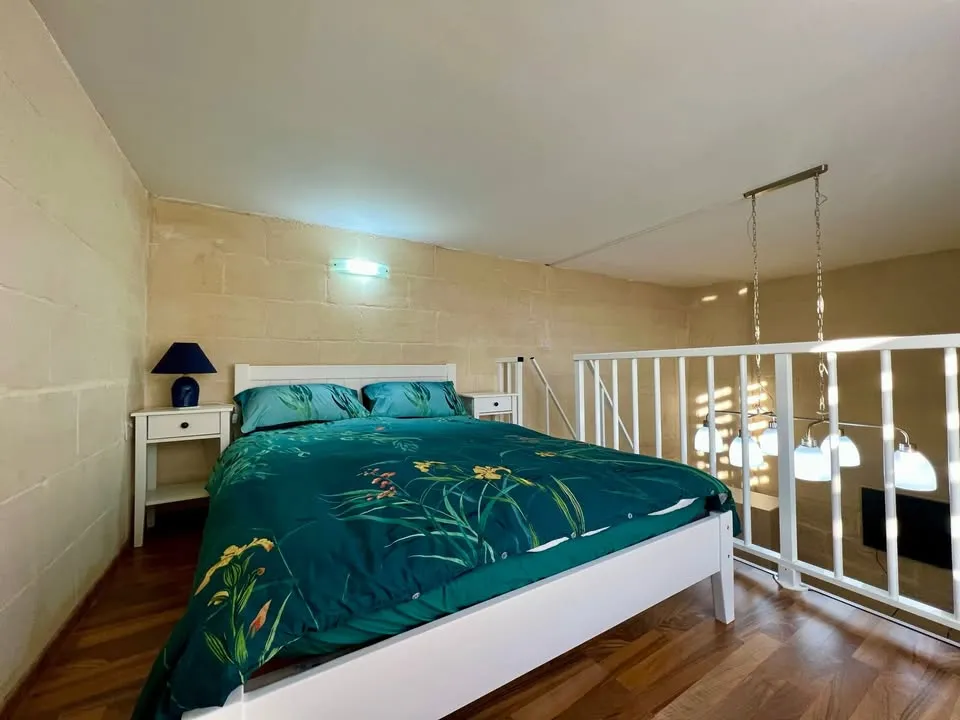
Bormla – Fully Furnished Studio
Qawra (24 listings)
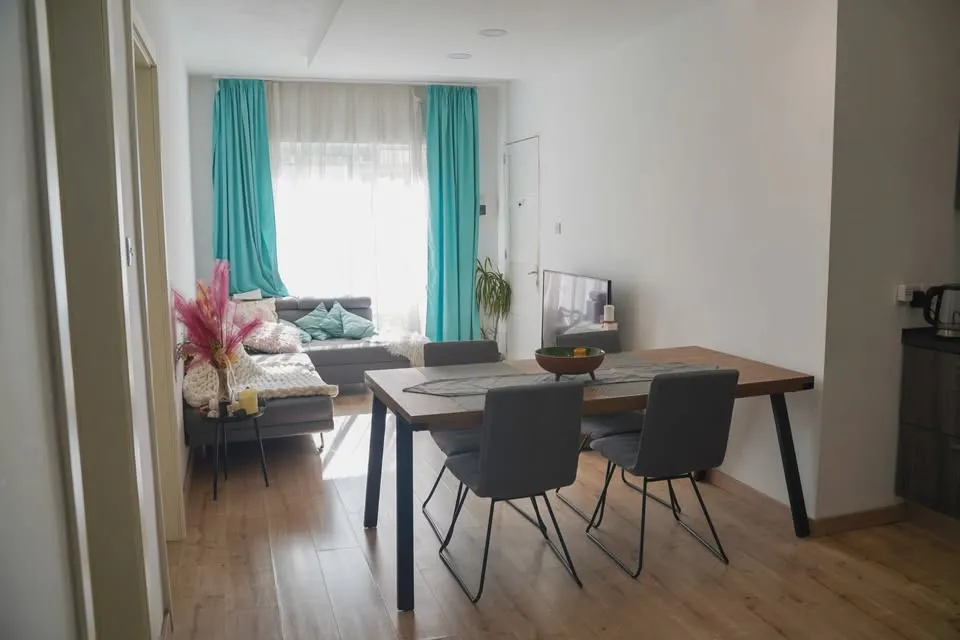
Designer 2 bedroom apartment in Qawra
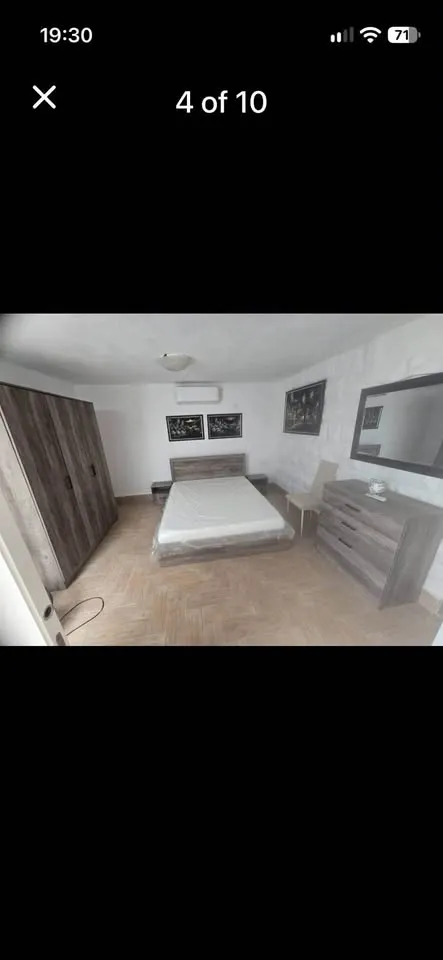
2 Bedroom Apartment in Qawra
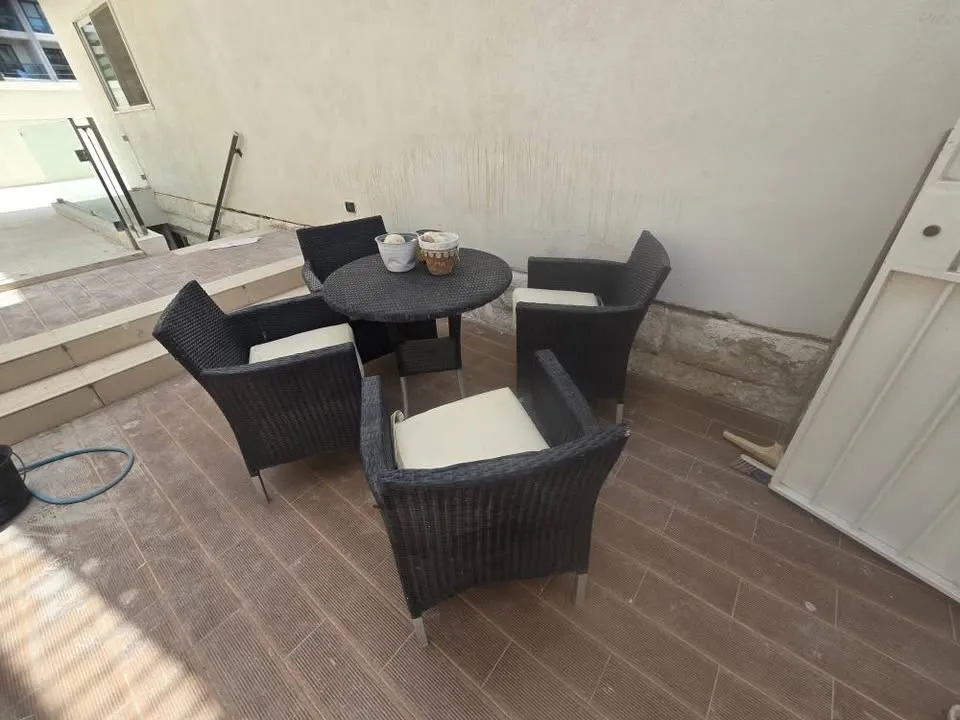
Qawra 2 bedrooms, Ac, Semi basement