Cospicua vs St. Paul's Bay
Side-by-side comparison of property prices, lifestyle, and practical info to help you choose the right area.
Summary
Lifestyle ratings reveal clear distinctions. St. Paul's Bay scores higher for families (7 vs 6), safety (8 vs 7), beaches (7 vs 3), and transport (8 vs 7), making it the practical choice for everyday convenience. Both areas share identical nightlife (5) and dining (6) scores. Cospicua suits buyers willing to renovate heritage properties in a regenerating dockyard community, with prices significantly below neighbouring Birgu. St. Paul's Bay suits budget buyers and retirees who want varied property types from apartments to Wardija Heights villas, though summer crowds and parking pressure affect the Bugibba and Qawra tourist zones.
Living in Cospicua
Cospicua — Bormla in Maltese — is the largest of the Three Cities and the one most people drive past without stopping. That's changing. The town sits between Birgu and Senglea on the Grand Harbour, with the historic dockyard that once employed half of Malta's workforce carved into its waterfront. The docks are largely decommissioned now, and the reclaimed space is slowly being redeveloped into residential and commercial projects. The Cottonera Lines, a massive 17th-century fortification wall, form Cospicua's landward boundary — an imposing stone rampart that's visible from miles away. Inside, the town has a working-class character that's increasingly interspersed with renovated properties bought by heritage-minded newcomers. The Santa Theresa church and the Bir Mula Heritage museum anchor the old quarter. Cospicua offers the most affordable entry point into the Three Cities. Properties here are cheaper than Birgu and Senglea, and there's more stock available — though much of it needs significant restoration. The Valletta ferry terminal at nearby Birgu makes commuting straightforward, and the town is on the receiving end of serious government regeneration investment.
Highlights
- Most affordable of the Three Cities
- Cottonera Lines — massive 17th-century fortifications
- Active regeneration and heritage restoration
- Grand Harbour ferry connection to Valletta
- Growing restaurant and cultural scene
Living in St. Paul's Bay
St. Paul's Bay is Malta's largest northern coastal town — a sprawling stretch of shoreline that encompasses the old fishing village of Xemxija, the tourist strips of Bugibba and Qawra, and the residential community of Burmarrad inland. According to the Bible, St. Paul was shipwrecked here in AD 60, an event that brought Christianity to Malta and gave the area its name. The town has grown explosively over the past two decades, transforming from a quiet seasonal resort into a year-round community of over 25,000 residents. Retired British expats, Maltese families priced out of the central coast, and a growing number of foreign workers have all settled here, drawn by coastal living at more manageable prices than Sliema or St. Julian's. The waterfront is the town's main asset — a long promenade connecting the old fisherman's quay to Bugibba's square to Qawra's rocky beaches. The Malta National Aquarium sits at the Bugibba end, and the Xemxija Heritage Walk traces ancient cart ruts and Roman roads into the hills. Properties range from modern seafront apartments to older terraced houses inland, with prices significantly below the central coast.
Highlights
- Malta's largest coastal town by population
- Biblical shipwreck site of St. Paul
- Malta National Aquarium at Bugibba
- Rocky beaches and coastal promenade
- More affordable than the central coast
Lifestyle Comparison
Frequently Asked Questions
Available Properties
Cospicua (3 listings)
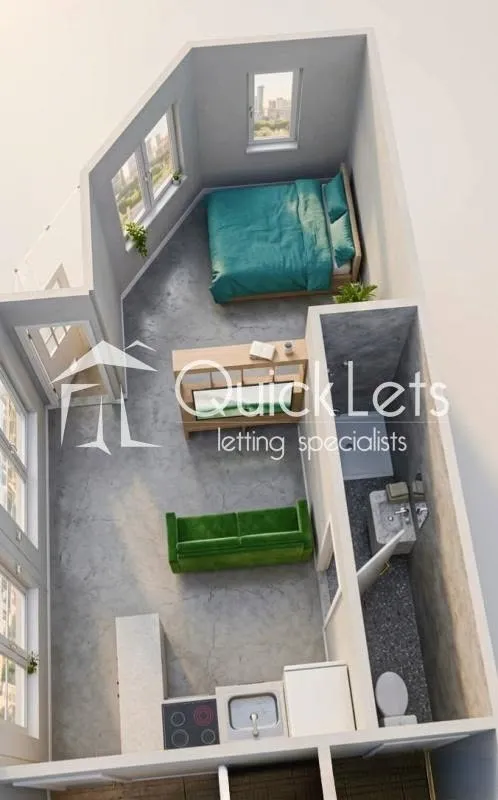
STUDIO APARTMENT
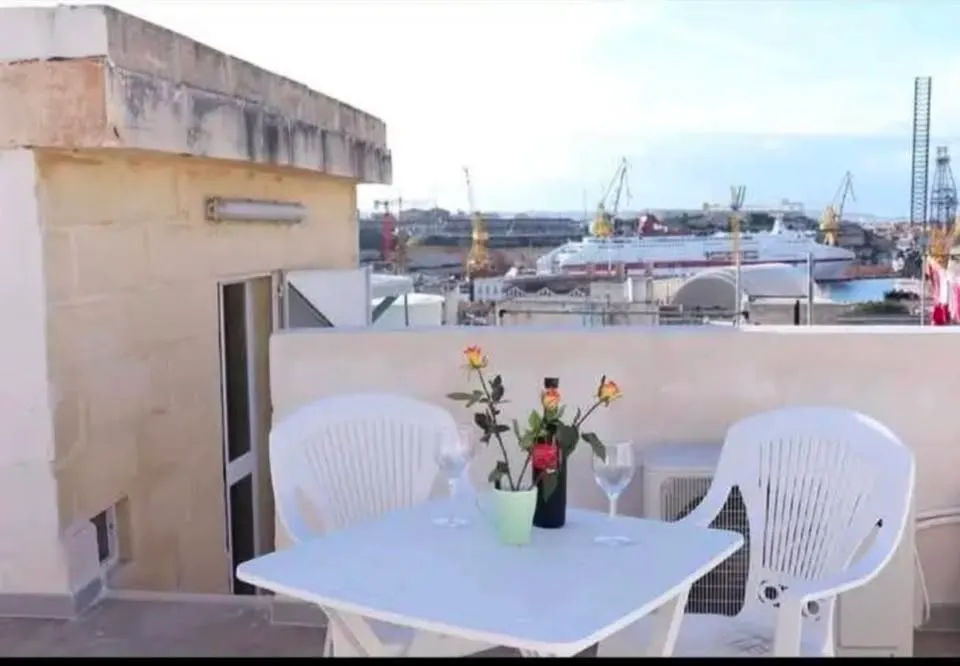
1 bedroom studio penthouse
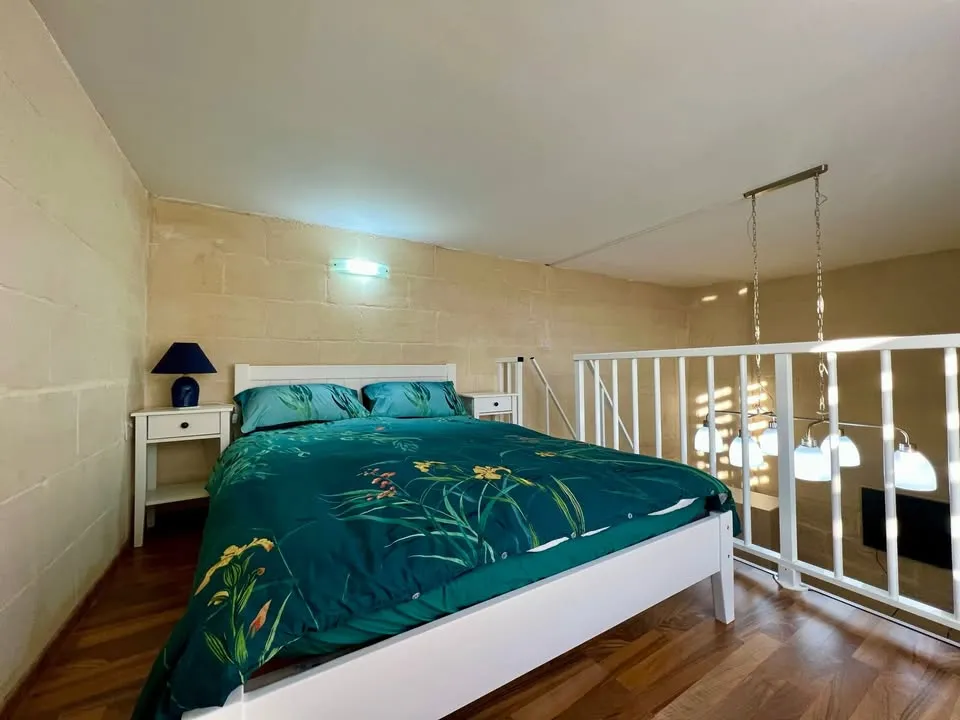
Bormla – Fully Furnished Studio
St. Paul's Bay (51 listings)
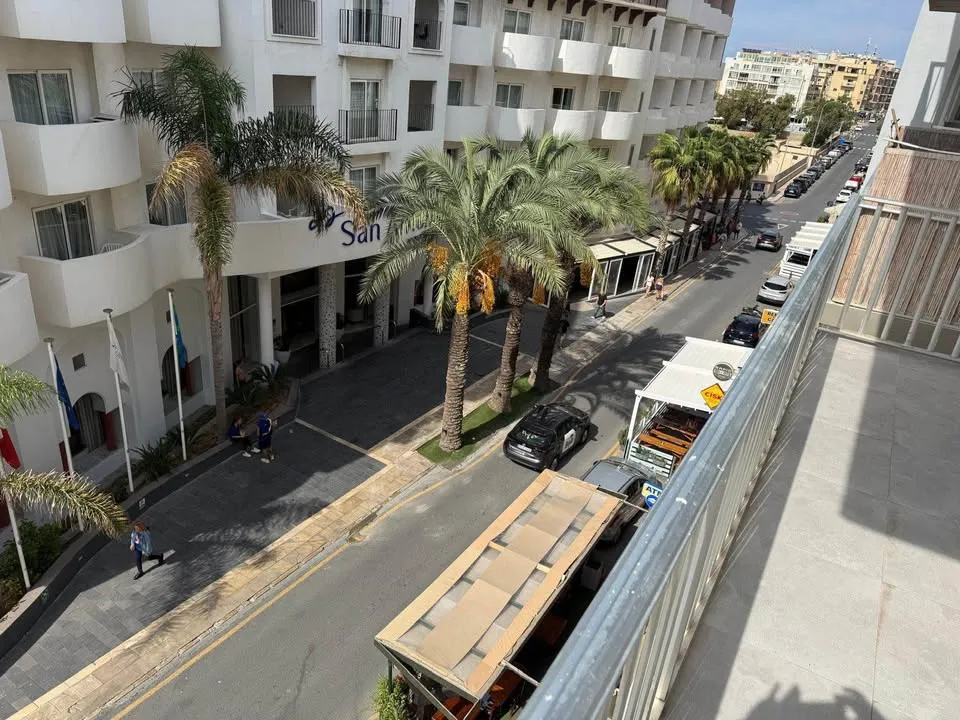
Three bedroom apartment in San Pawl il-Baħar
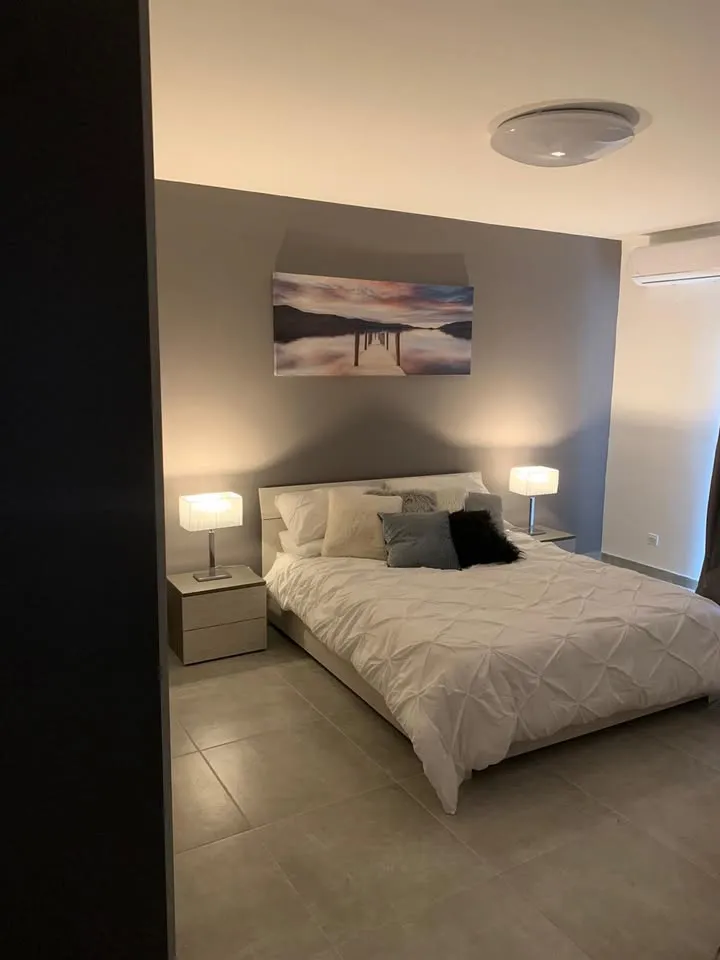
Apartment in Qawra
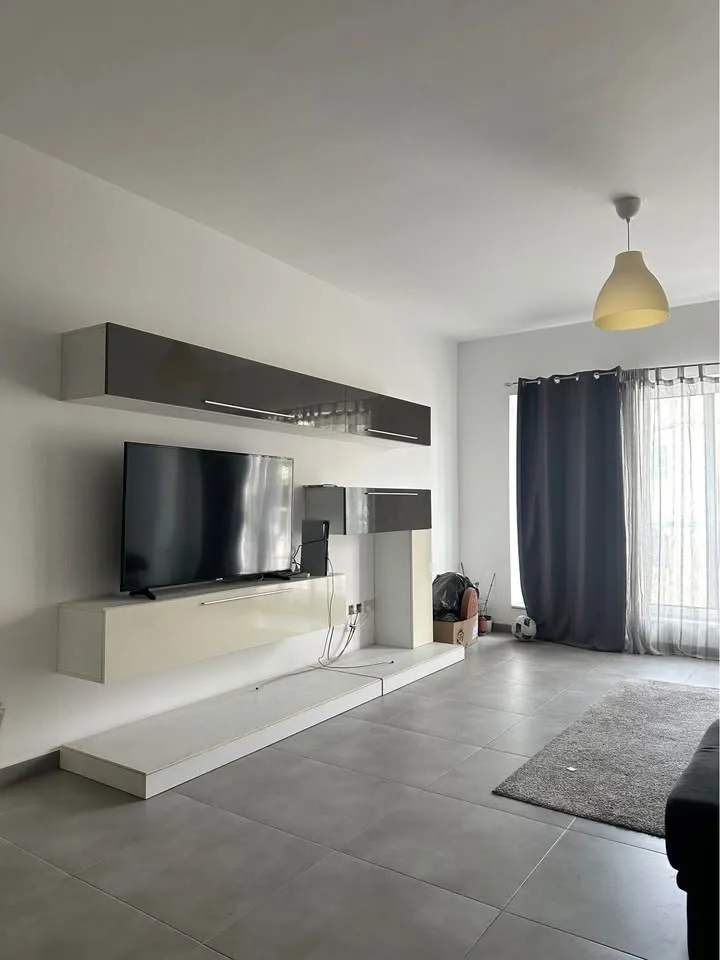
Room for rent in San Gwan