Dingli vs St. Paul's Bay
Side-by-side comparison of property prices, lifestyle, and practical info to help you choose the right area.
Summary
Living in Dingli
Dingli is a quiet village perched on Malta's highest sea cliffs — a rural outpost on the western coast that feels further from the tourist trail than anywhere else on the island. The Dingli Cliffs drop sheer for 250 metres into the Mediterranean, and the panoramic view from the top stretches from Mdina inland to the open sea westward — the next landfall is Tunisia, 300km away. The village itself is tiny and traditional, with a single main street, a parish church, and a handful of restaurants. Agriculture still operates on the land surrounding Dingli — smallholdings growing potatoes, tomatoes, and strawberries that supply the local markets. Buskett Gardens, Malta's only proper woodland, sits in the valley below, along with the Verdala Palace, the summer residence of Malta's President. Property in Dingli is the most affordable of Malta's rural options. Traditional farmhouses with land are still available at prices that would be impossible anywhere on the coast. The trade-off is isolation — Dingli is a 30-minute drive from Valletta, and public transport is limited. For buyers who value space, quiet, and dramatic natural scenery above convenience, Dingli is unmatched.
Highlights
- Dingli Cliffs — Malta's highest sea cliffs with open-ocean views
- Rural agricultural surroundings
- Adjacent to Buskett Gardens — Malta's only woodland
- Most affordable farmhouse properties on Malta
- Dark sky area — best stargazing in Malta
Living in St. Paul's Bay
St. Paul's Bay is Malta's largest northern coastal town — a sprawling stretch of shoreline that encompasses the old fishing village of Xemxija, the tourist strips of Bugibba and Qawra, and the residential community of Burmarrad inland. According to the Bible, St. Paul was shipwrecked here in AD 60, an event that brought Christianity to Malta and gave the area its name. The town has grown explosively over the past two decades, transforming from a quiet seasonal resort into a year-round community of over 25,000 residents. Retired British expats, Maltese families priced out of the central coast, and a growing number of foreign workers have all settled here, drawn by coastal living at more manageable prices than Sliema or St. Julian's. The waterfront is the town's main asset — a long promenade connecting the old fisherman's quay to Bugibba's square to Qawra's rocky beaches. The Malta National Aquarium sits at the Bugibba end, and the Xemxija Heritage Walk traces ancient cart ruts and Roman roads into the hills. Properties range from modern seafront apartments to older terraced houses inland, with prices significantly below the central coast.
Highlights
- Malta's largest coastal town by population
- Biblical shipwreck site of St. Paul
- Malta National Aquarium at Bugibba
- Rocky beaches and coastal promenade
- More affordable than the central coast
Lifestyle Comparison
Which Area Is Right For You?
Choose Dingli
Dingli comes out ahead in safety .
Choose St. Paul's Bay
St. Paul's Bay comes out ahead in dining, family, beaches, nightlife, transport .
Frequently Asked Questions
Available Properties
Dingli (1 listings)
View all Dingli properties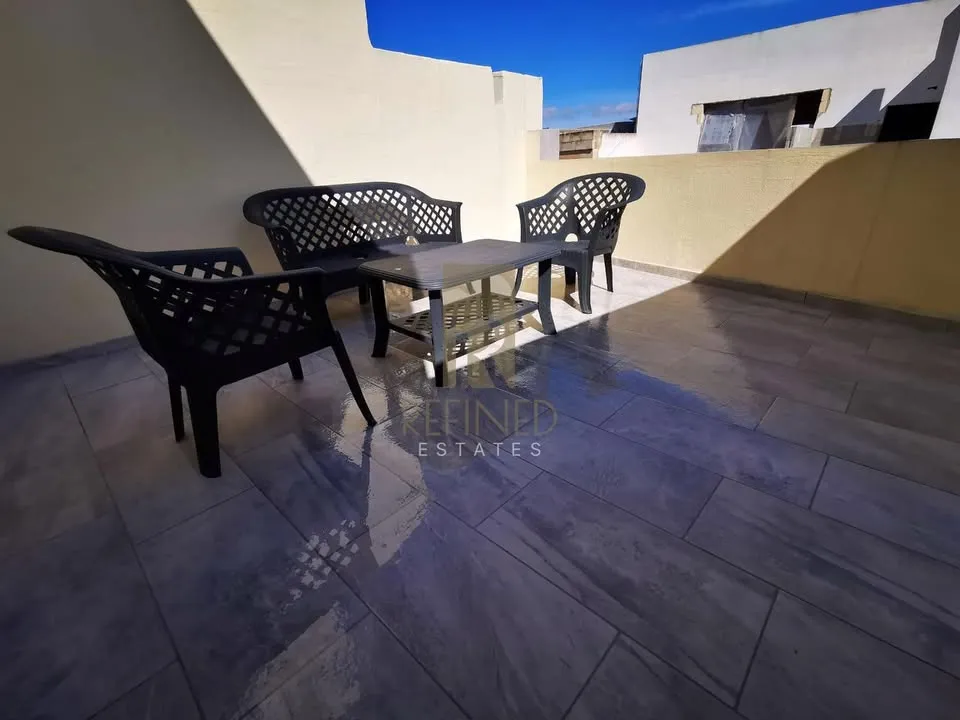
St. Paul's Bay (55 listings)
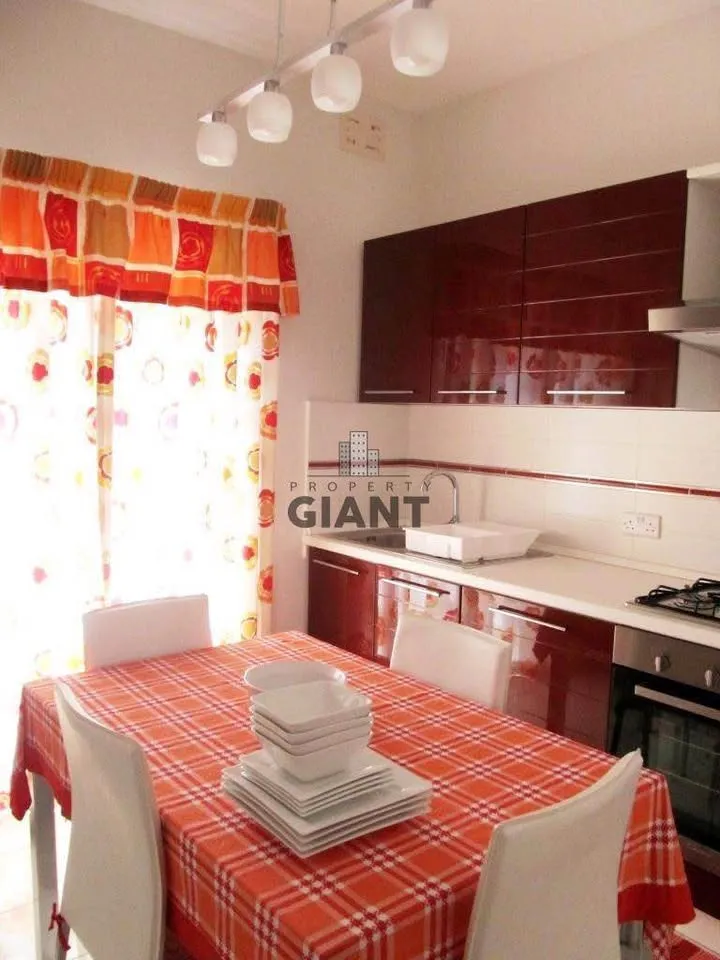
1 Bedroom Apartment in St. Paul's Bay
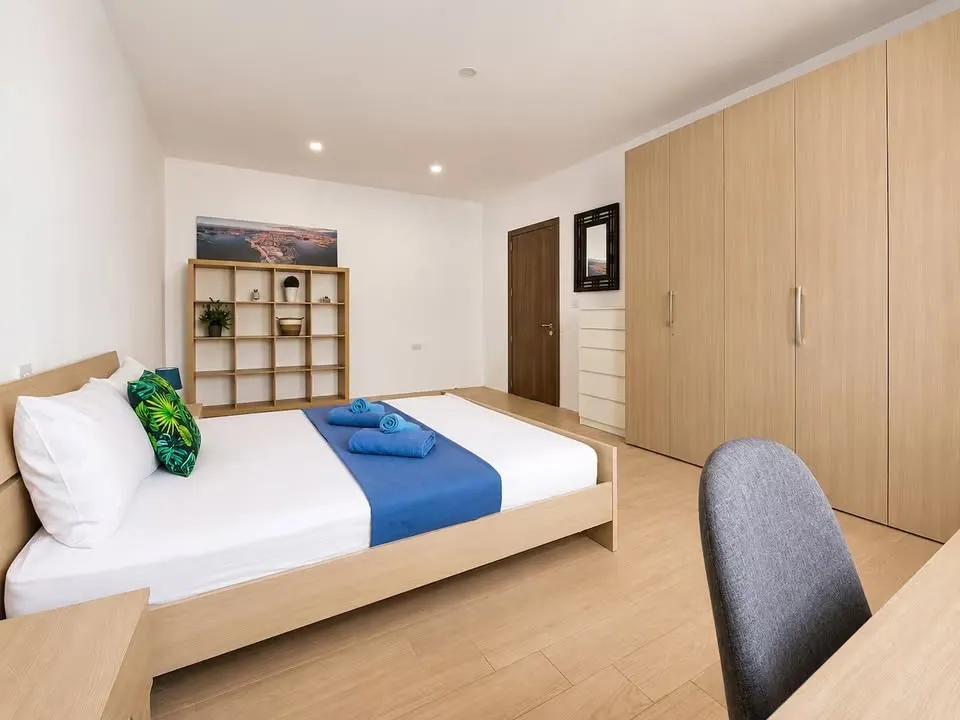
Bedroom with private bathroom in shared apartment
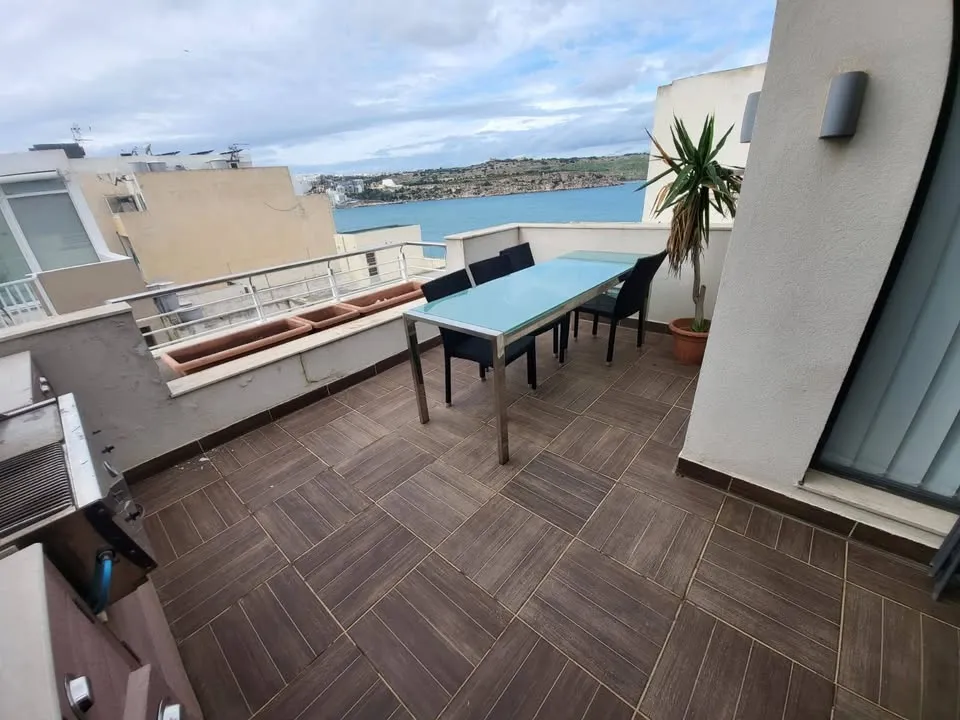
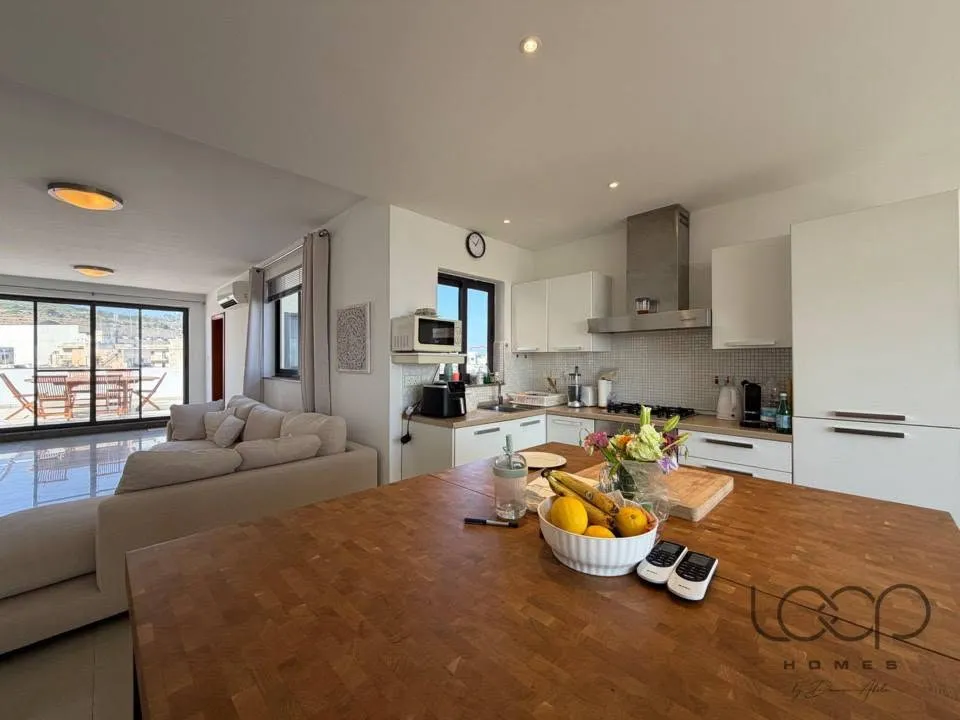
Duplex Penthouse in San Pawl il-Baħar