Fgura vs Mdina
Side-by-side comparison of property prices, lifestyle, and practical info to help you choose the right area.
Summary
Fgura is better for families and budget buyers seeking affordable commuter living, while Mdina suits culture lovers and tourists wanting a unique, car-free heritage lifestyle. Fgura scores 8/10 for family-friendliness and 7/10 for transport connectivity, with bus routes 2, 3, 4, and 6 linking directly to Valletta and the airport just 15 minutes away by car. Mdina, by contrast, scores 10/10 for safety and 7/10 for dining, but only 4/10 for transport, with the airport a 25-minute drive and buses requiring a connection at the Rabat interchange.
Fgura offers some of the lowest property prices in the harbour region, with modern amenities including schools and shopping facilities serving its 11,800 residents. Mdina houses fewer than 300 residents within its medieval walls, where strict conservation rules govern all alterations and parking is restricted to outside the city gates. The constant tourist foot traffic and premium heritage property prices make Mdina impractical for everyday family living.
Fgura's flat terrain and proximity to the Three Cities and Paola make it a practical base for daily life. Mdina delivers panoramic island views and exceptional restaurants like De Mondion, but depends on adjacent Rabat for basic shopping and services.
Living in Fgura
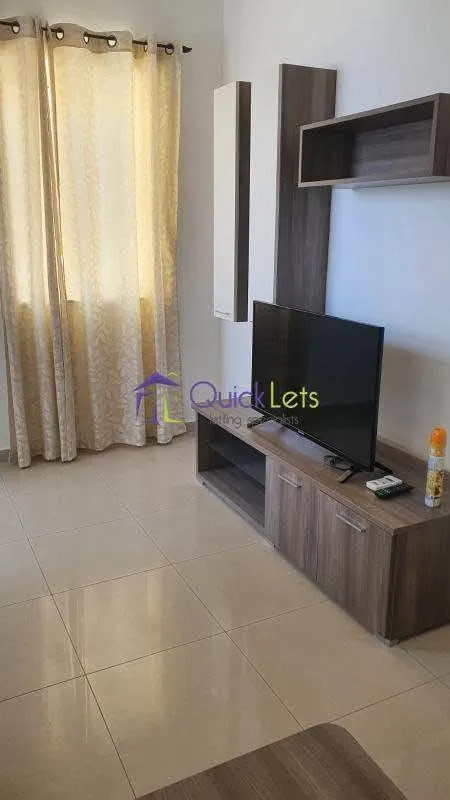
Fgura is a compact residential town sandwiched between the Three Cities and Zabbar — a primarily residential area that grew rapidly in the post-war period as housing spread outward from the harbour. It's one of Malta's newer towns, with most development dating from the 1960s onward, which gives it a different character from the ancient harbour cities next door. The town's landmark is a striking bronze monument of Christ the King that stands at the main junction, visible from the approach roads and a reference point for anyone navigating the area. Fgura's parish church, dedicated to St. Mary, has a distinctive modernist design that stands out among Malta's predominantly baroque churches. Fgura's appeal is straightforward: affordable housing close to both the harbour area and the southern towns. Property here is modestly priced, and the location is practical — a short drive to the Three Cities, Paola, and the arterial roads heading south and north. It's a commuter town, pure and simple, with no tourist pretensions.
Highlights
- Affordable housing close to the harbour area
- Christ the King monument — local landmark
- Quick access to Three Cities and Paola
- Modernist parish church — unusual for Malta
- No tourist premium on property prices
Living in Mdina
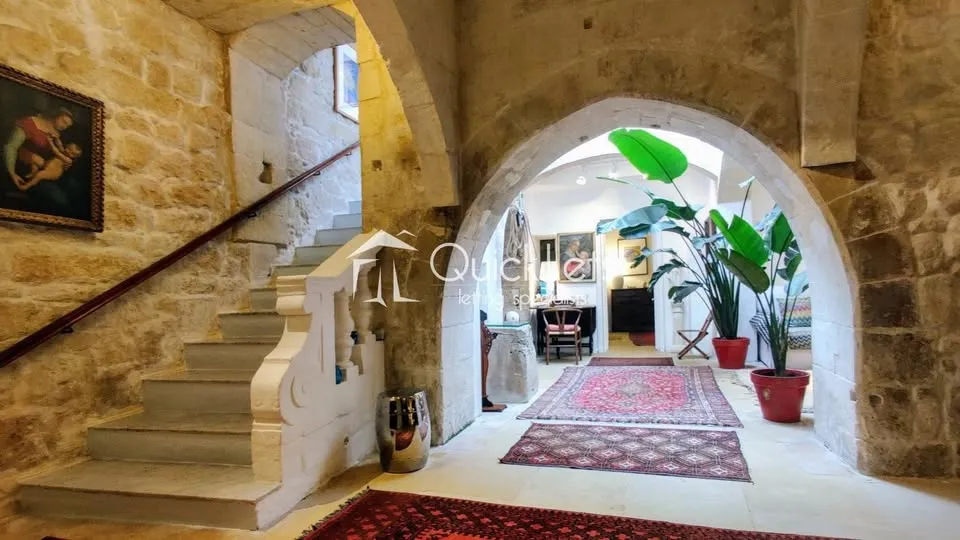
Mdina is the Silent City — a walled medieval citadel on a hilltop in central Malta where cars are banned, tourists whisper, and the only sound is the click of footsteps on golden limestone. Home to fewer than 300 residents, it is one of Europe's smallest inhabited cities and arguably its most atmospheric. The city's history predates the Knights of St. John by centuries. Originally a Phoenician settlement, then a Roman city, then the Arab capital of Malta, Mdina has layer upon layer of history compressed into its tiny footprint. The narrow streets are deliberately non-linear — a defensive trick to confuse invaders, now a maze that delights visitors. Palaces line every alley, many still privately owned by Maltese noble families who've held them for generations. Property in Mdina is rare and tightly regulated. The few apartments and townhouses that come up for sale are heritage-listed, requiring strict adherence to conservation rules. Buyers are getting a piece of history — original stone arches, tiled floors, and walls thick enough to withstand cannon fire. It's not for everyone: no parking, limited amenities, and constant tourist foot traffic. But for a small number of buyers, the chance to live in an 8,000-year-old fortress city is worth every restriction.
Highlights
- Cars banned — one of Europe's few car-free cities
- Fewer than 300 residents in an 8,000-year-old city
- St. Paul's Cathedral — baroque masterpiece
- Panoramic views from the city bastions
- Featured as King's Landing in Game of Thrones Season 1
Lifestyle Comparison
Which Area Is Right For You?
Choose Fgura
Fgura comes out ahead in family, beaches, nightlife, transport .
Choose Mdina
Mdina comes out ahead in dining, safety .