Fgura vs Mosta
Side-by-side comparison of property prices, lifestyle, and practical info to help you choose the right area.
Summary
Fgura is better for budget buyers seeking harbour-area convenience, while Mosta suits families wanting central island access and traditional community character. Fgura sits between the Three Cities and southern towns, with property among the most affordable in the harbour region and no tourist premium. Bus routes 2, 3, 4, and 6 connect to Valletta, and the airport is 15 minutes by car. Mosta occupies a central position, putting Valletta, Sliema, beaches, and the airport all within 20 minutes' drive. Four bus routes cross the town linking north Malta to the capital.
Both score 8/10 for family suitability and offer affordable housing. Fgura rates higher for beaches (5/10 vs 2/10) due to its coastal proximity, while Mosta scores better on transport (8/10 vs 7/10) and safety (8/10 vs 7/10). Neither offers significant nightlife — Fgura rates 4/10, Mosta just 2/10. Fgura is compact with 11,800 residents and flat, walkable terrain. Mosta has nearly double the population at 22,800, a stronger community identity built around the iconic Rotunda church, and larger property sizes for the price.
Fgura suits buyers prioritising harbour-region location on a budget. Mosta appeals to families wanting a traditional Maltese town with easy access to the entire island.
Living in Fgura
Fgura is a compact residential town sandwiched between the Three Cities and Zabbar — a primarily residential area that grew rapidly in the post-war period as housing spread outward from the harbour. It's one of Malta's newer towns, with most development dating from the 1960s onward, which gives it a different character from the ancient harbour cities next door. The town's landmark is a striking bronze monument of Christ the King that stands at the main junction, visible from the approach roads and a reference point for anyone navigating the area. Fgura's parish church, dedicated to St. Mary, has a distinctive modernist design that stands out among Malta's predominantly baroque churches. Fgura's appeal is straightforward: affordable housing close to both the harbour area and the southern towns. Property here is modestly priced, and the location is practical — a short drive to the Three Cities, Paola, and the arterial roads heading south and north. It's a commuter town, pure and simple, with no tourist pretensions.
Highlights
- Affordable housing close to the harbour area
- Christ the King monument — local landmark
- Quick access to Three Cities and Paola
- Modernist parish church — unusual for Malta
- No tourist premium on property prices
Living in Mosta
Mosta is defined by one building. The Rotunda of Mosta — a massive domed church modelled on the Pantheon in Rome — dominates the town's skyline and its identity. The dome is one of the largest unsupported church domes in the world, and its story is remarkable: during WWII, a German bomb pierced the dome during a packed Mass and skidded across the floor without exploding. A replica is still on display inside. Beyond the Rotunda, Mosta is a substantial residential town in central Malta with a character that sits between urban and rural. The town centre has a traditional Maltese market area and commercial strip, while the outskirts blend into farmland and open countryside. Ta' Qali, Malta's national stadium and sports complex, sits at the edge of town alongside the Crafts Village and Malta's aviation museum. Mosta appeals to families and professionals who want space without being far from the action. Property here is more affordable than the coastal hotspots, and you get more square metreage for your money. The town has a strong community feel, good schools, and enough restaurants and shops that daily life doesn't require a trip to Sliema or Valletta.
Highlights
- The Rotunda — one of the world's largest unsupported domes
- Ta' Qali national stadium and sports complex
- More affordable property with larger living spaces
- Central location — 20 min to anywhere on Malta
- Strong community atmosphere and local markets
Lifestyle Comparison
Which Area Is Right For You?
Choose Fgura
Fgura comes out ahead in beaches, nightlife .
Choose Mosta
Mosta comes out ahead in safety, transport .
Frequently Asked Questions
Available Properties
Fgura (4 listings)
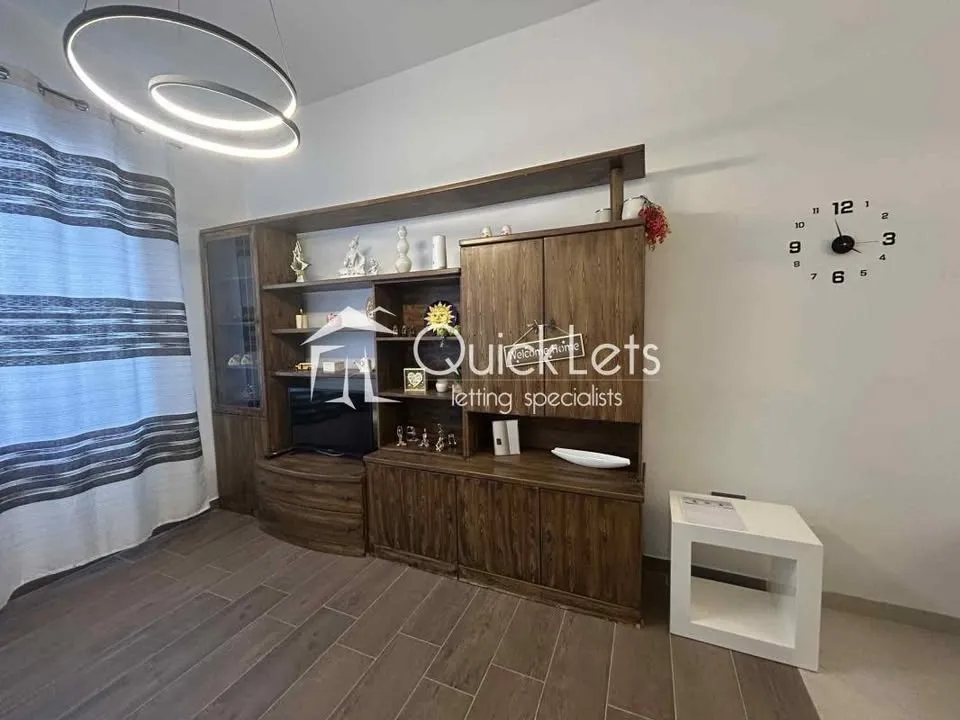
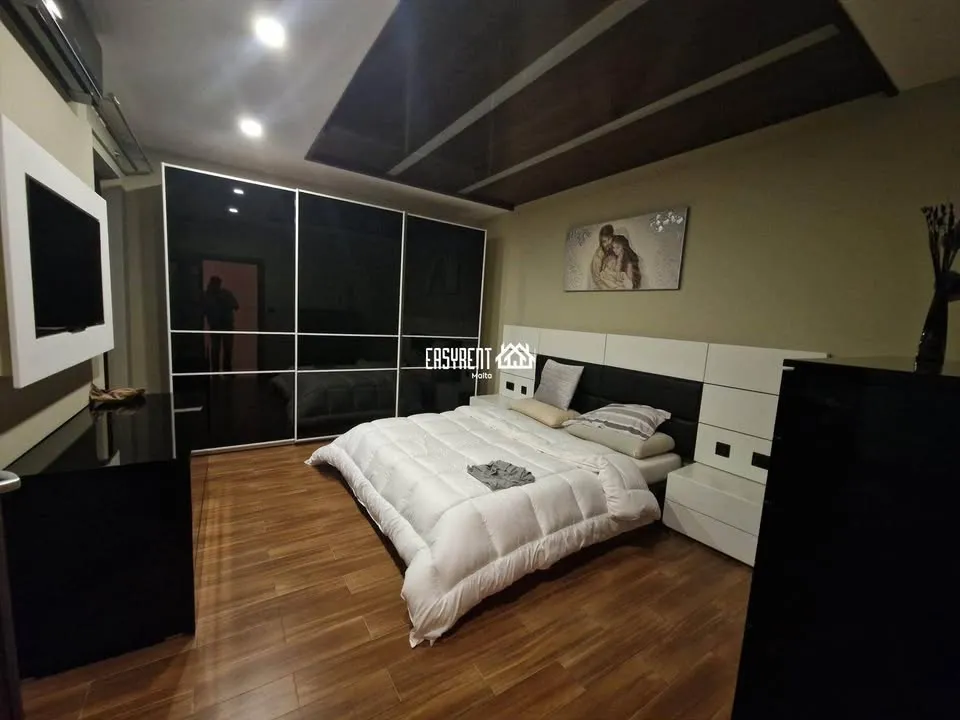
3-Bedroom Apartment – Fgura
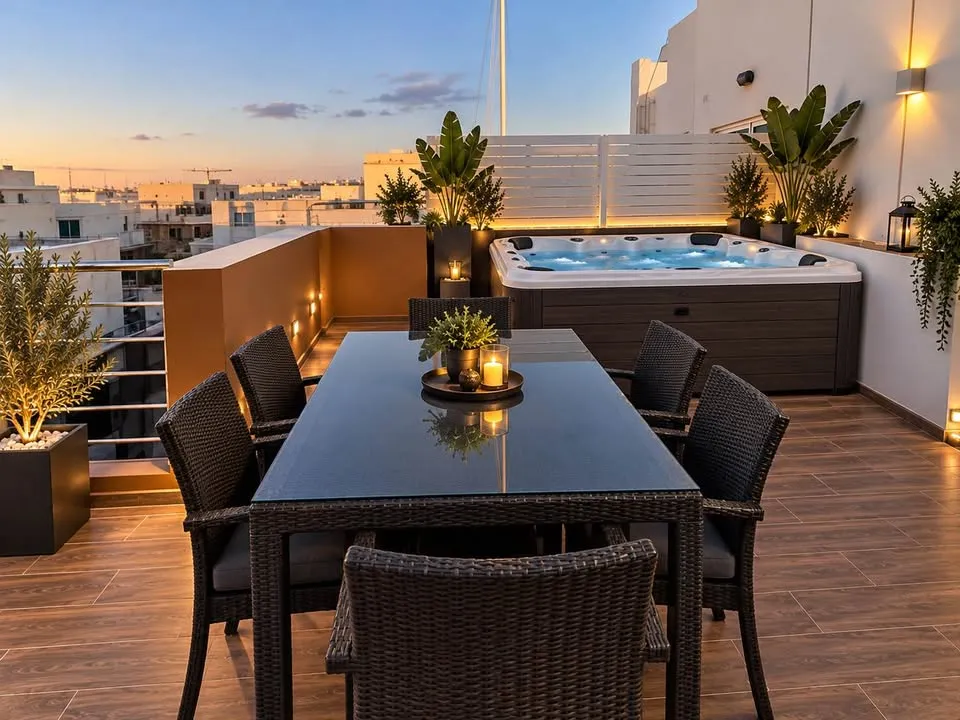
Fgura Luxury & Spacious Penthouse
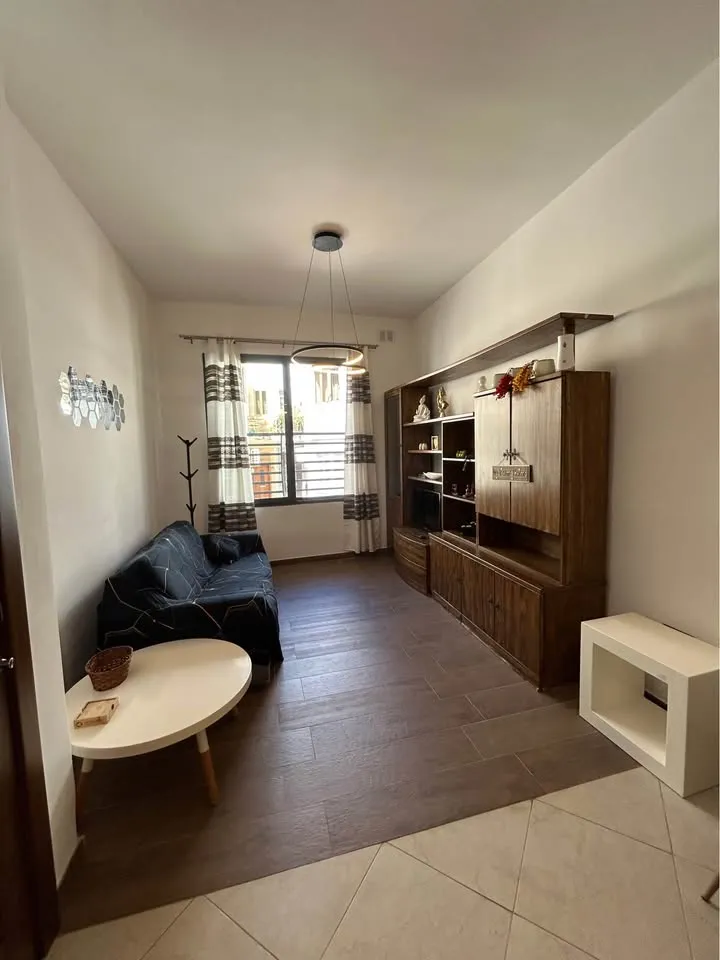
Fgura – 3 Bedroom Apartment
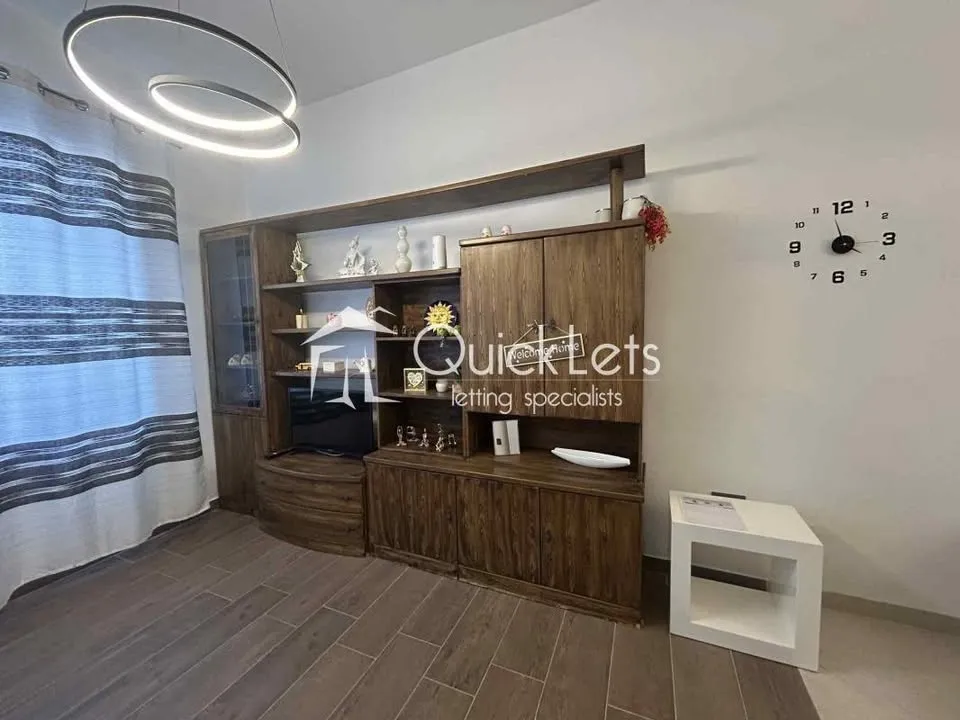
3-Bedroom, 2-Bathroom Apartment in Fgura
Mosta (22 listings)
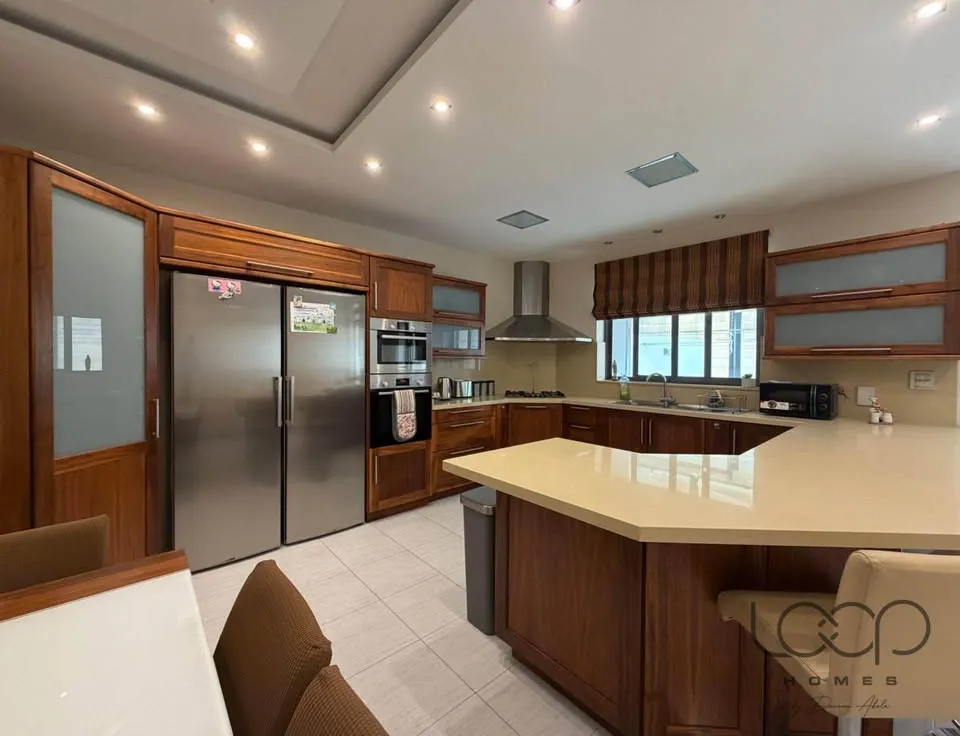
Mosta - Highly Finished 3 Bedroom Apartment
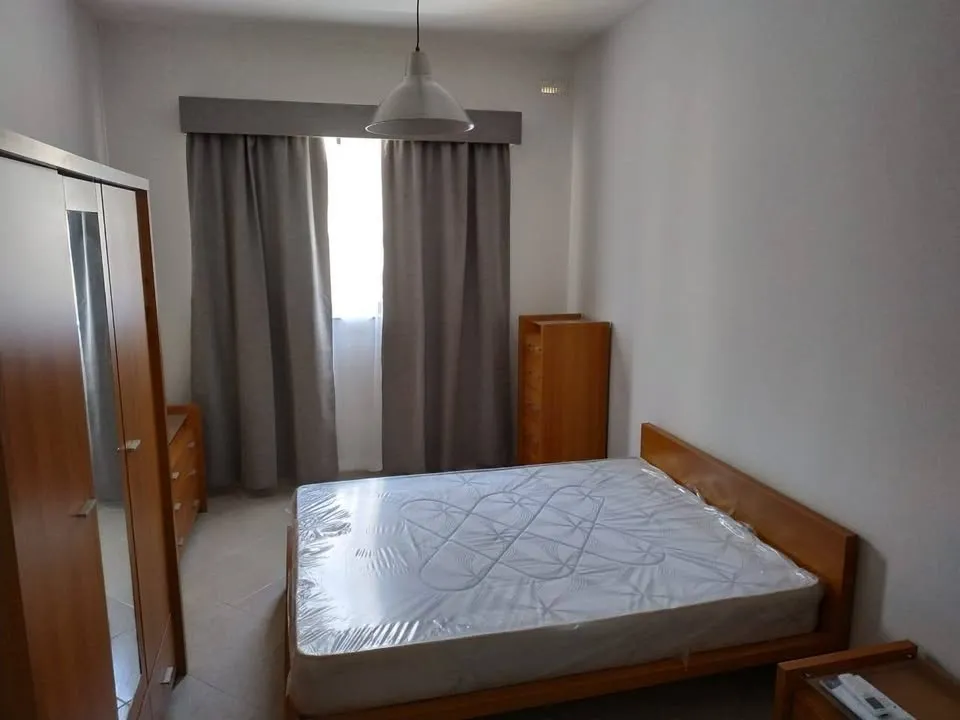
Bright & Beautiful 2-Bedroom Apartment – Mosta
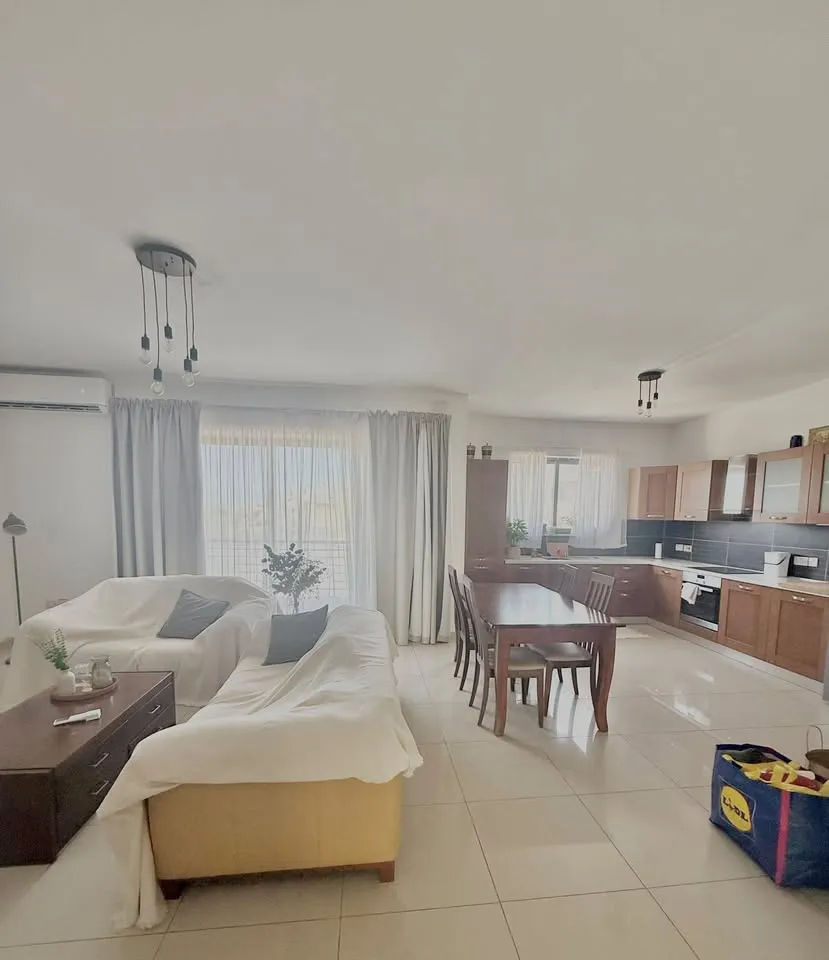
Fantastic End of Summer Deal in Mosta