Ghajnsielem vs Valletta
Side-by-side comparison of property prices, lifestyle, and practical info to help you choose the right area.
Summary
Gateway harbour village with SDA luxury development
Historic capital of culture
Living in Ghajnsielem
Ghajnsielem is Gozo's gateway — the first village visitors encounter after crossing from the Mgarr ferry terminal. The name means 'spring of peace' in Maltese, derived from a freshwater spring around which the village originally formed. Today Ghajnsielem is a bustling transition point between island arrival and Gozo's interior, with the main road from the harbour cutting through the village on its way to Victoria. The village has a distinct split character. The harbour end is commercial and busy, with ferry-related traffic, cafes serving arriving passengers, and the imposing Fort Chambray development perched on the headland above Mgarr harbour. Fort Chambray is a historic 18th-century fortress being redeveloped as a luxury residential complex — and notably, it is one of Gozo's few Special Designated Areas, meaning foreign buyers can purchase without an AIP permit. The village centre, by contrast, is a traditional Gozitan community with a parish church, small square, and narrow streets of character houses. Ghajnsielem's property market is driven by its proximity to the ferry. Rental demand comes from commuters and workers who travel between the islands, while the Fort Chambray development attracts international buyers seeking Gozo's lifestyle with the legal ease of SDA purchasing. Traditional village houses in the centre remain affordable compared to coastal Gozo.
Highlights
- First village from the Gozo ferry terminal — the island's gateway
- Fort Chambray — 18th-century fortress being redeveloped as luxury SDA residences
- Mgarr harbour with views of the Gozo channel and Comino
- Strong rental demand from inter-island commuters
- Mix of luxury SDA properties and affordable traditional village houses
Living in Valletta
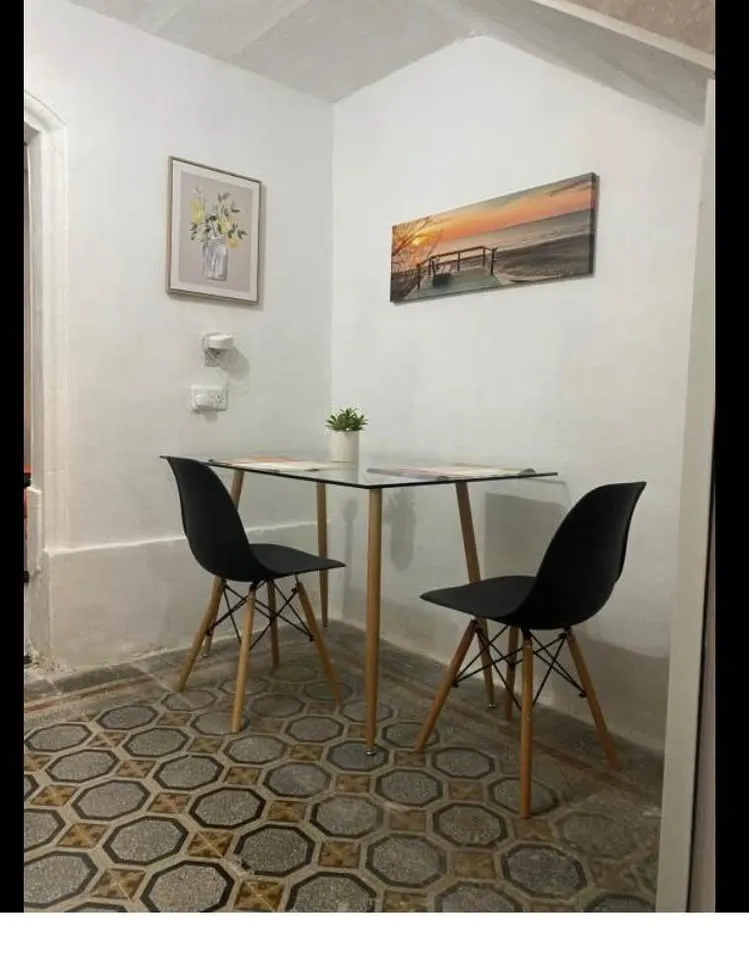
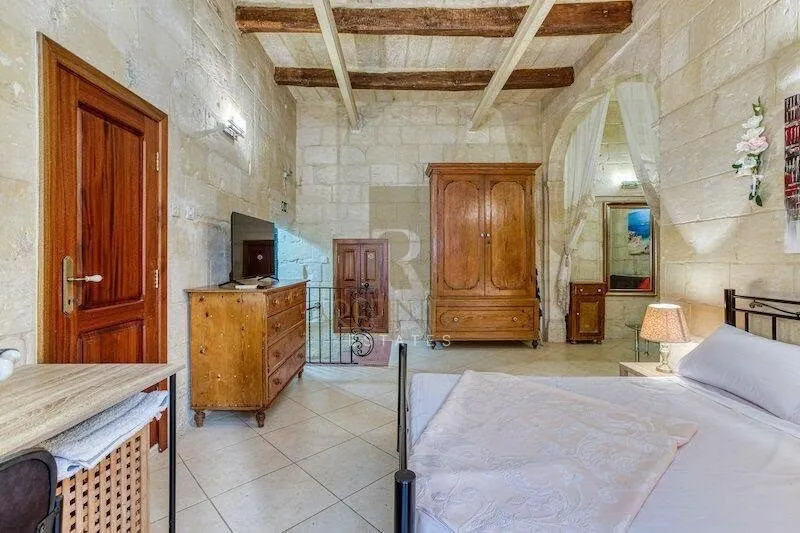
Valletta is a living museum — a UNESCO World Heritage city built by the Knights of St. John in the 16th century, designed on a grid plan so ahead of its time that it's still functional 450 years later. Every street reveals something remarkable: baroque churches with Caravaggio paintings inside, grand auberges that housed the knightly orders, and rooftop terraces with views across two harbours that have shaped Mediterranean history. As Malta's capital and administrative centre, Valletta punches well above its size. It packs government buildings, foreign embassies, boutique hotels, and a thriving restaurant scene into less than a square kilometre. The city went through a renaissance after its 2018 European Capital of Culture year — old buildings were restored, pedestrian zones expanded, and a creative community took root alongside the traditional Maltese families who've lived here for generations. Living in Valletta is a specific choice. Properties are predominantly historic townhouses and converted palazzos, often with original stone floors and enclosed wooden balconies. Space is at a premium, parking is almost nonexistent, and grocery shopping means visiting small shops rather than supermarkets. But residents gain something rare — a walkable city where the sea is always two streets away, where culture is on the doorstep, and where the evening paseggiata along the bastions at golden hour never gets old.
Highlights
- UNESCO World Heritage Site — entire city
- St. John's Co-Cathedral with Caravaggio's Beheading of St. John
- Barrakka Gardens with panoramic Grand Harbour views
- Grid-plan streets designed in 1566, still functional today
- 2018 European Capital of Culture
Lifestyle Comparison
Which Area Is Right For You?
Choose Ghajnsielem
Ghajnsielem comes out ahead in family, beaches .
Choose Valletta
Valletta comes out ahead in dining, nightlife, transport .