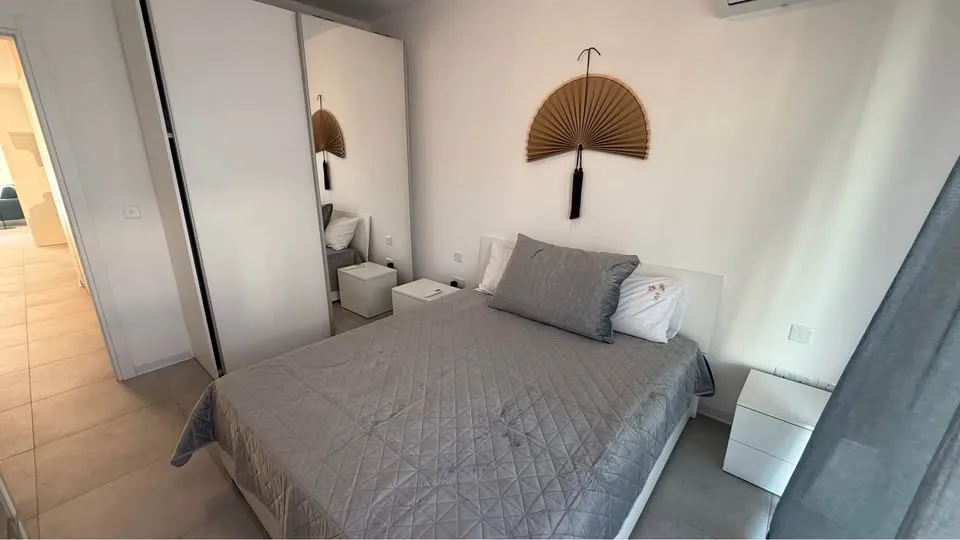
Gudja vs Pembroke
Side-by-side comparison of property prices, lifestyle, and practical info to help you choose the right area.
Summary
Gudja is better for families seeking affordable traditional living near the airport, while Pembroke suits families and nature lovers wanting modern housing with easy access to St. Julian's and northern beaches. Gudja sits on a quiet ridge-top in Malta's south with a population of 3,100, offering authentic village character and property prices well below coastal averages. Pembroke houses 4,200 residents on former British military land between St. Julian's and the north, featuring the protected Pembroke Garigue Nature Reserve.
Transport connectivity differs significantly. Gudja is just 5 minutes from Malta International Airport but has poor bus services (routes 82, 85, 88 from Valletta), making a car essential. Pembroke scores 7 for transport versus Gudja's 3, with direct bus routes (120, 225, 212) to Sliema and Valletta, plus the Sliema ferry 10 minutes away by bus. Pembroke is 30 minutes from the airport by car.
Gudja rates 9 for safety and 8 for family life but only 2 for nightlife and 3 for dining. Pembroke scores 8 for family, 7 for beaches, and 5 for dining, though it lacks a traditional village centre. Gudja suits established families wanting community roots; Pembroke fits expat professionals and families needing modern housing near international schooling and coastal greenspace.
Traditional ridge-top village with Gothic church
Modern residential town with military heritage
Living in Gudja
Gudja is a small village on Malta's southern plateau, perched on a ridge between the airport and the coast. It's one of Malta's older villages, with a parish church that has one of Malta's most distinctive rose windows — a circular stained-glass feature more common in Gothic churches than the baroque norm. The church is visible from miles around, its dome acting as a landmark for the southern approach to the airport. The village has a quiet, traditional character with narrow streets, old townhouses, and a pace of life that feels genuinely rural despite being within 15 minutes of the airport. The surrounding plateau is flat and open, with views that stretch to the sea on clear days. Gudja was the birthplace of several notable Maltese notaries and scholars during the Knights' period. Property in Gudja is affordable and offers traditional character at low prices. The airport is close enough to be convenient for travel but far enough that aircraft noise is manageable. The village has basic amenities and relies on Paola and Zejtun for larger shopping needs.
Highlights
- One of Malta's finest rose windows — a Gothic feature rare in a baroque island
- Quiet ridge-top position with sea views
- Close to the airport for easy travel
- Affordable traditional townhouses
- Birthplace of notable Maltese historical figures
Living in Pembroke
Pembroke is one of Malta's newest towns, built on land that served as a British military base from the 1860s until the navy left in 1979. Named after the 12th Earl of Pembroke, the area still bears visible traces of its military past — coastal fortifications, Victorian-era barracks, and gun emplacements that once guarded the approach to the Grand Harbour. The town has developed rapidly since the 1990s into a residential area popular with middle-class Maltese families and expat professionals. The housing stock is predominantly modern apartment blocks and terraced houses, with some newer villa developments on the eastern edge. Pembroke's big advantage is greenspace — the town sits adjacent to the Pembroke Garigue Nature Reserve, a protected area of rocky coastline and wild garigue habitat that's one of the few remaining natural spaces in urban Malta. Pembroke occupies a strategic position between St. Julian's and the northern coast. It's close enough to Paceville and Sliema to benefit from their amenities but far enough to escape the noise and congestion. Property prices sit in the mid-range — above the southern towns but below the premium coastal strip.
Highlights
- Pembroke Garigue Nature Reserve — protected coastline
- Former British military base with Victorian fortifications
- Mid-range property between St. Julian's and the north
- Popular with families and expat professionals
- Greenspace rare in this part of Malta
Lifestyle Comparison
Which Area Is Right For You?
Choose Gudja
Gudja comes out ahead in safety .
Choose Pembroke
Pembroke comes out ahead in dining, beaches, nightlife, transport .
Frequently Asked Questions
Available Properties
Gudja (1 listings)
View all Gudja properties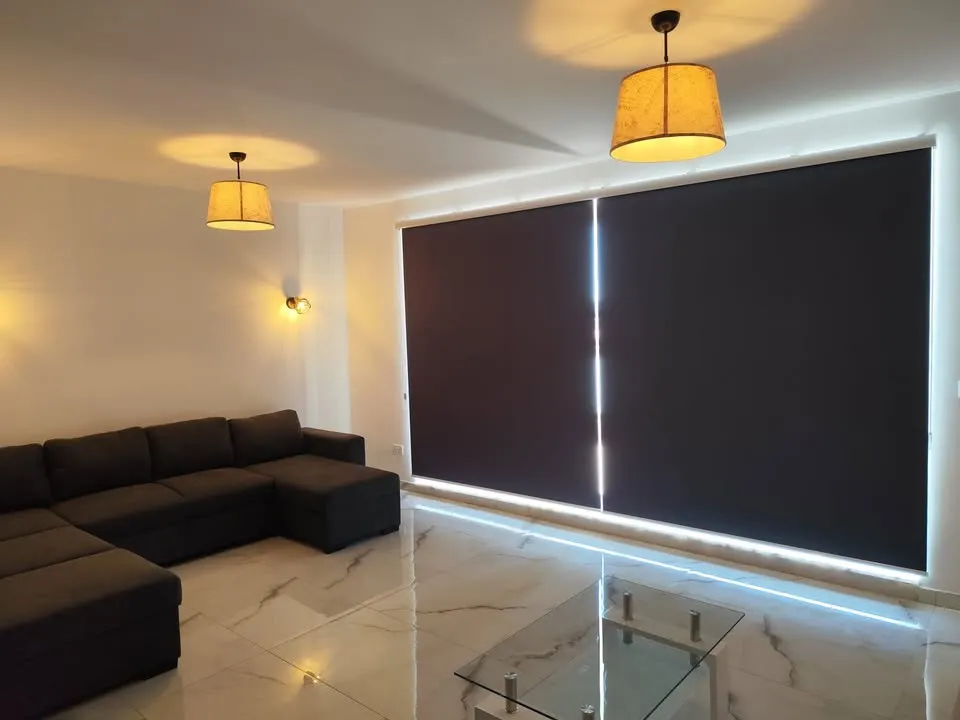
Pembroke (7 listings)
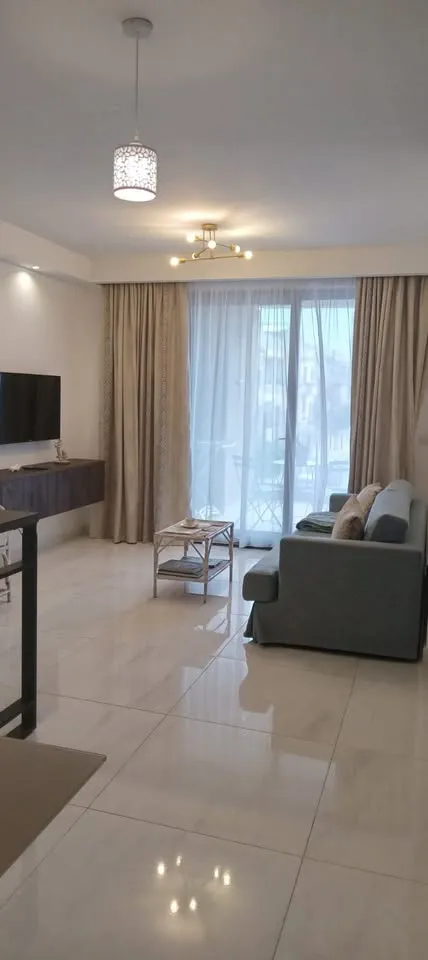
3 Bedroom Apartment in Pembroke
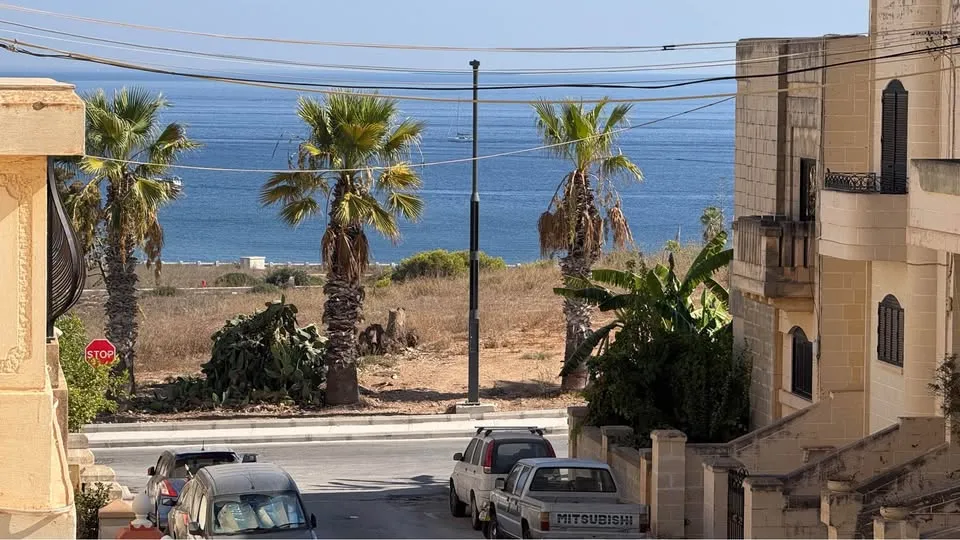
3 bedroom apartment in Pembroke for rent
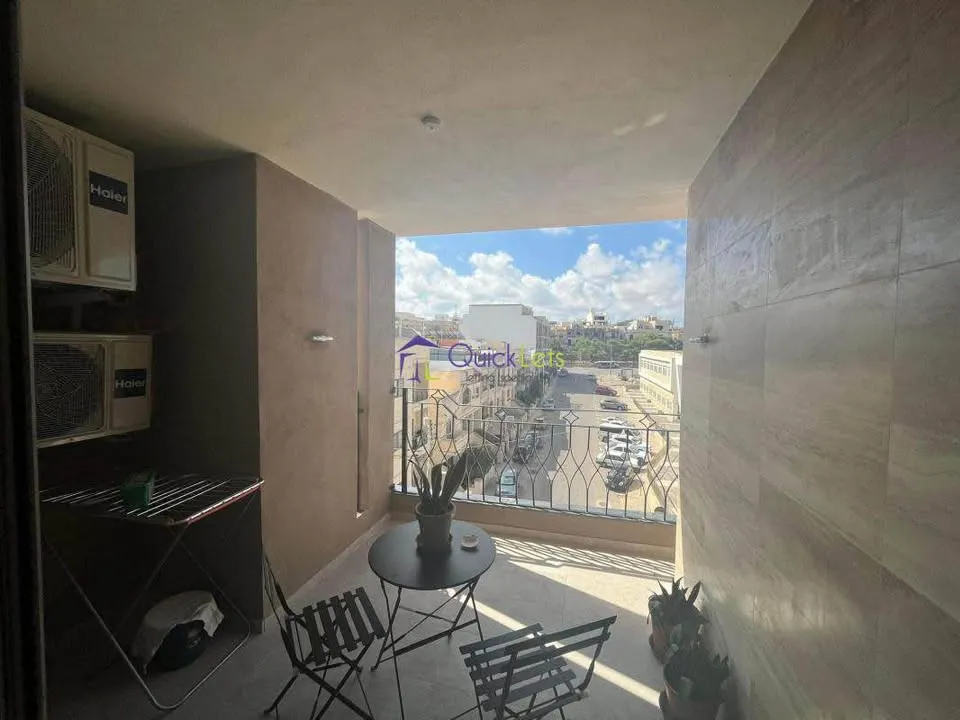
3 bedroom apartment in PEMBROKE