Gudja vs Sliema
Side-by-side comparison of property prices, lifestyle, and practical info to help you choose the right area.
Summary
Living in Gudja
Gudja is a small village on Malta's southern plateau, perched on a ridge between the airport and the coast. It's one of Malta's older villages, with a parish church that has one of Malta's most distinctive rose windows — a circular stained-glass feature more common in Gothic churches than the baroque norm. The church is visible from miles around, its dome acting as a landmark for the southern approach to the airport. The village has a quiet, traditional character with narrow streets, old townhouses, and a pace of life that feels genuinely rural despite being within 15 minutes of the airport. The surrounding plateau is flat and open, with views that stretch to the sea on clear days. Gudja was the birthplace of several notable Maltese notaries and scholars during the Knights' period. Property in Gudja is affordable and offers traditional character at low prices. The airport is close enough to be convenient for travel but far enough that aircraft noise is manageable. The village has basic amenities and relies on Paola and Zejtun for larger shopping needs.
Highlights
- One of Malta's finest rose windows — a Gothic feature rare in a baroque island
- Quiet ridge-top position with sea views
- Close to the airport for easy travel
- Affordable traditional townhouses
- Birthplace of notable Maltese historical figures
Living in Sliema
Sliema is Malta's premier waterfront district, a vibrant stretch of coastline where modern apartment towers meet historic townhouses along a sweeping seafront promenade. Once a quiet fishing village favoured by Valletta's upper class as a summer retreat, Sliema transformed in the 20th century into the island's commercial and residential hub. The Strand and Tower Road form the backbone of daily life here, lined with cafes, restaurants, and retail chains that draw both locals and tourists year-round. The area is defined by its rocky beaches and swimming spots — no sand, but plenty of lidos and concrete platforms where residents take their morning dip with views across to Valletta's Grand Harbour. The Ferries terminal connects Sliema to the capital in under ten minutes by boat, making it one of the best-connected spots on the island. Tigne Point and The Point Shopping Mall anchor the northern end, while the quieter Exiles and Qui-Si-Sana areas offer respite from the commercial buzz. Sliema is the default choice for expats relocating to Malta, particularly those working in the gaming, finance, and tech sectors. The property market here is the most active on the island, with a high turnover of rental apartments and a steady pipeline of new developments. Parking is notoriously difficult and traffic congestion is a daily reality, but most residents find that walkability and proximity to everything compensate.
Highlights
- Seafront promenade stretching 3km along the coast
- 10-minute ferry to Valletta
- The Point — Malta's largest shopping mall
- Rocky beaches and swimming lidos
- Highest concentration of modern apartments on the island
Lifestyle Comparison
Which Area Is Right For You?
Choose Gudja
Gudja comes out ahead in family, safety .
Choose Sliema
Sliema comes out ahead in dining, nightlife, transport .
Frequently Asked Questions
Available Properties
Gudja (1 listings)
View all Gudja properties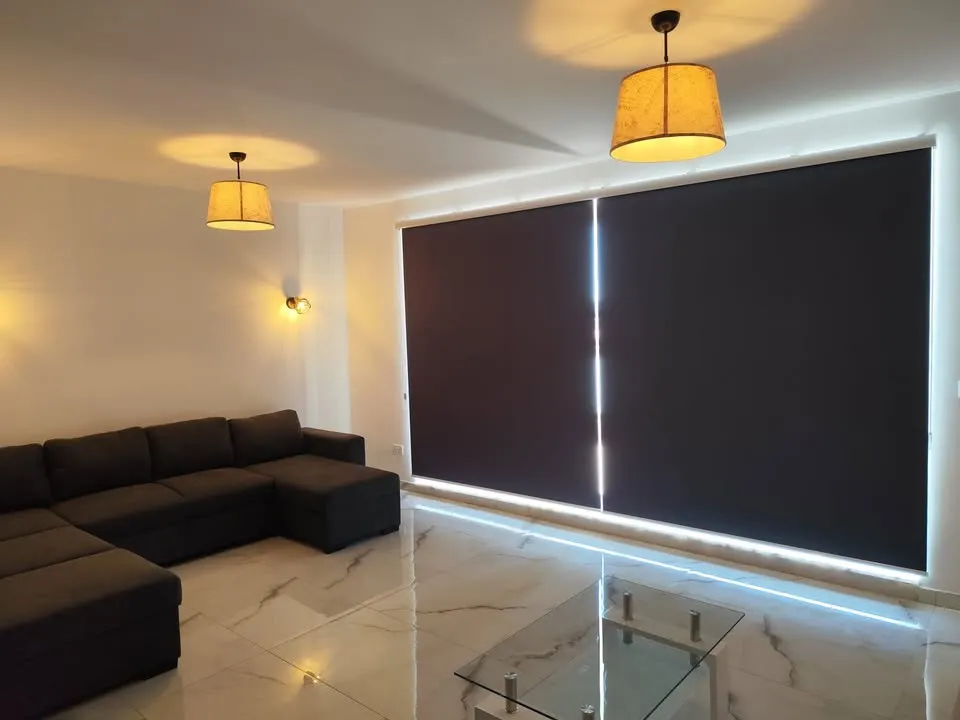
Sliema (118 listings)
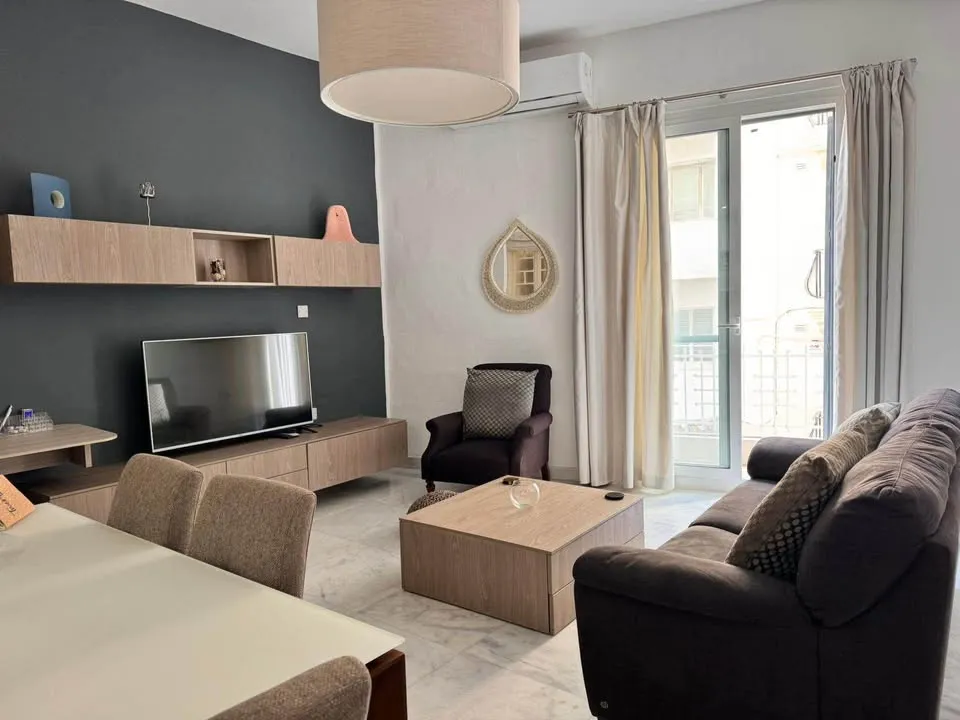
2 BEDROOM CORNER APARTMENT IN SLIEMA
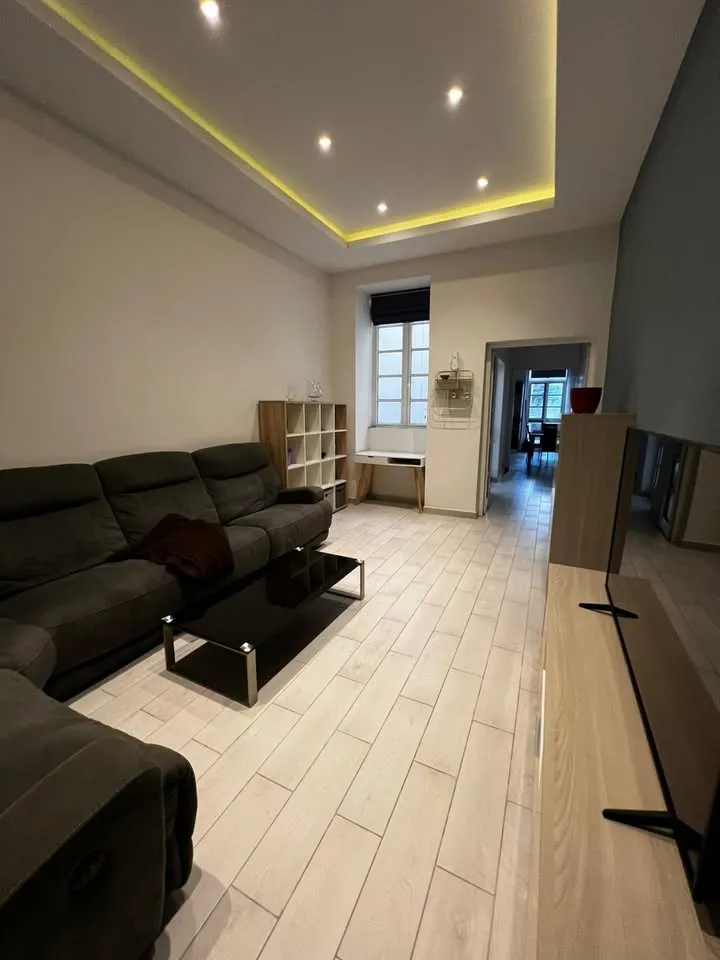
3 Bedroom House in Sliema
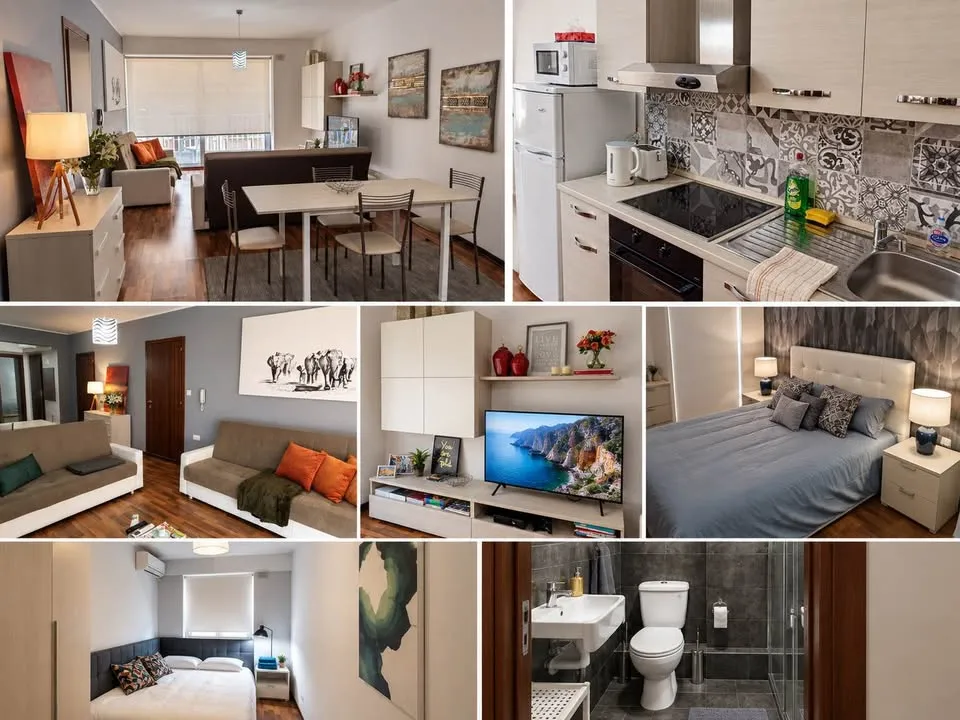
2-Bedroom Apartment for Rent in Sliema