Gudja vs St. Julian's
Side-by-side comparison of property prices, lifestyle, and practical info to help you choose the right area.
Summary
The two areas sit roughly 8 km apart but offer completely different lifestyles. Gudja scores 9/10 for safety and 8/10 for family suitability, with traditional townhouses at affordable prices and a quiet ridge-top setting close to Malta International Airport (5 minutes by car). St. Julian's scores 10/10 for nightlife and dining, with a population of 13,200 compared to Gudja's 3,100, and sits at the heart of Malta's iGaming industry near Spinola Bay and Portomaso Marina.
Transport sets them apart sharply. St. Julian's rates 8/10 for public transport, served by multiple bus routes and a nearby Sliema ferry, though parking is limited and traffic heavy. Gudja rates just 3/10 for transport — a car is essentially required, with infrequent bus services and residents relying on nearby Paola or Żejtun for shopping. Gudja is 5 minutes from the airport; St. Julian's is 25 minutes by car or 35 by bus.
Traditional ridge-top village with Gothic church
Lively coastal entertainment hub
Living in Gudja
Gudja is a small village on Malta's southern plateau, perched on a ridge between the airport and the coast. It's one of Malta's older villages, with a parish church that has one of Malta's most distinctive rose windows — a circular stained-glass feature more common in Gothic churches than the baroque norm. The church is visible from miles around, its dome acting as a landmark for the southern approach to the airport. The village has a quiet, traditional character with narrow streets, old townhouses, and a pace of life that feels genuinely rural despite being within 15 minutes of the airport. The surrounding plateau is flat and open, with views that stretch to the sea on clear days. Gudja was the birthplace of several notable Maltese notaries and scholars during the Knights' period. Property in Gudja is affordable and offers traditional character at low prices. The airport is close enough to be convenient for travel but far enough that aircraft noise is manageable. The village has basic amenities and relies on Paola and Zejtun for larger shopping needs.
Highlights
- One of Malta's finest rose windows — a Gothic feature rare in a baroque island
- Quiet ridge-top position with sea views
- Close to the airport for easy travel
- Affordable traditional townhouses
- Birthplace of notable Maltese historical figures
Living in St. Julian's
St. Julian's is where Malta goes to play. By day it's a pleasant coastal town spread around Spinola Bay — one of the most photographed fishing boat harbours on the island — and Balluta Bay with its grand art nouveau houses. By night it becomes Paceville, the island's densest concentration of bars, clubs, casinos, and restaurants, drawing revellers from across Malta until the early hours. The town has a split personality that works in its favour. The Paceville side is loud, youthful, and commercial, home to international hotel chains and the Dragonara Casino. The Spinola and Balluta side is refined, with upscale restaurants housed in converted townhouses and a promenade that connects westward to Sliema. Portomaso, with its signature tower and marina, sits between the two — a luxury residential and commercial complex that symbolises the area's premium positioning. St. Julian's is the heart of Malta's iGaming and tech industries. Office buildings cluster around the Mriehel area and along the coast, making it the most convenient base for professionals working in these sectors. Property here commands some of the highest rents on the island, particularly in developments with sea views.
Highlights
- Spinola Bay — iconic fishing boat harbour lined with restaurants
- Paceville — Malta's nightlife district with dozens of bars and clubs
- Portomaso Marina and luxury tower
- Heart of Malta's iGaming industry
- Balluta Bay with its art nouveau buildings
Lifestyle Comparison
Which Area Is Right For You?
Choose Gudja
Gudja comes out ahead in family, safety .
Choose St. Julian's
St. Julian's comes out ahead in dining, nightlife, transport .
Frequently Asked Questions
Available Properties
Gudja (1 listings)
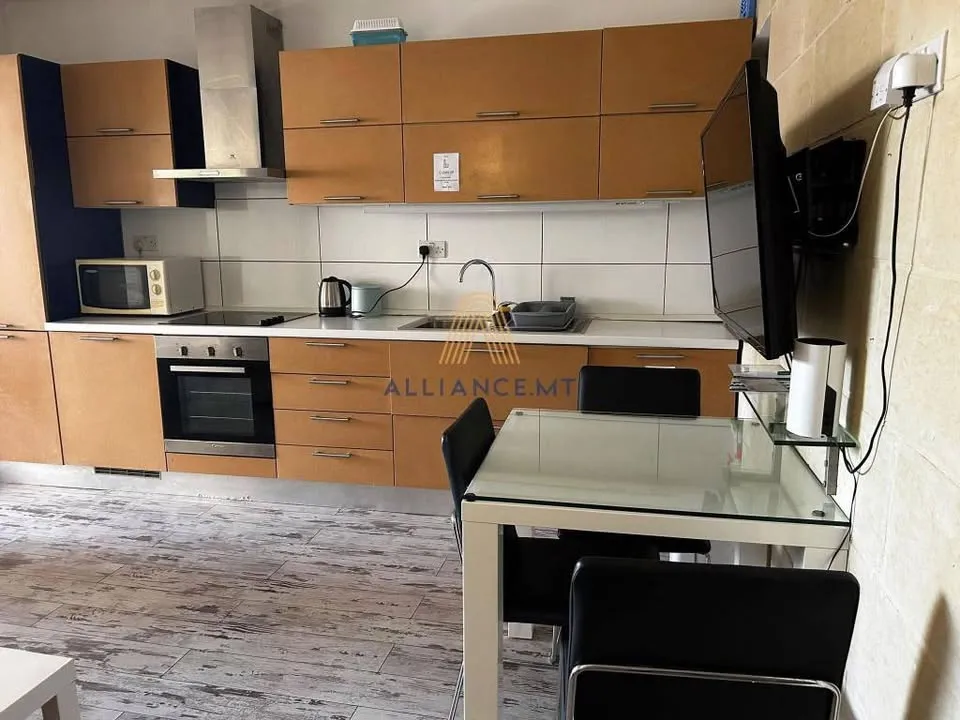
View all Gudja properties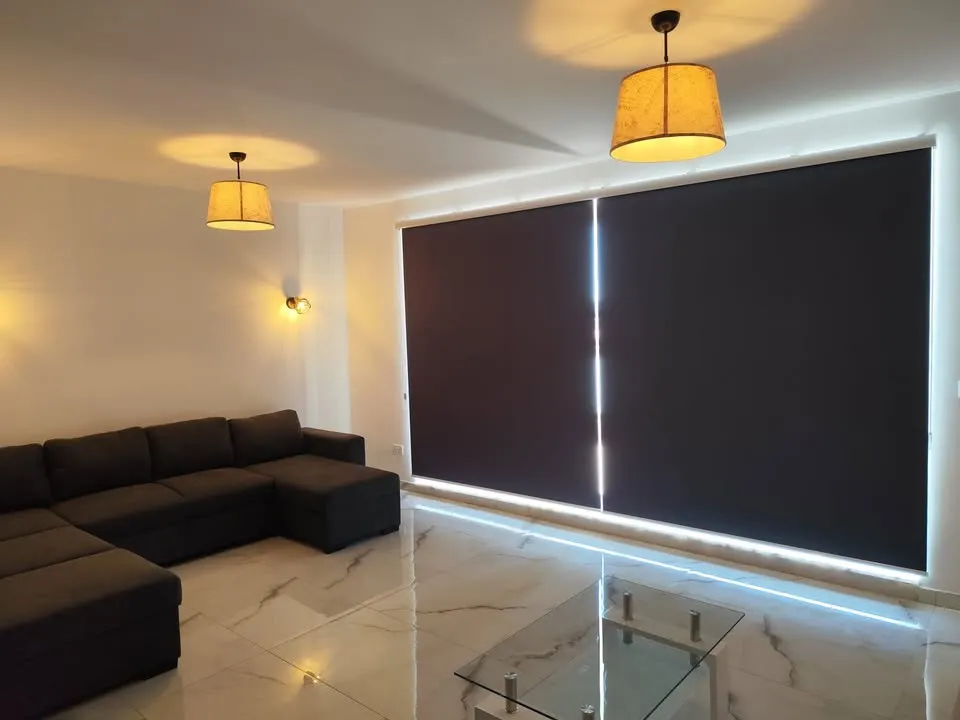
St. Julian's (66 listings)
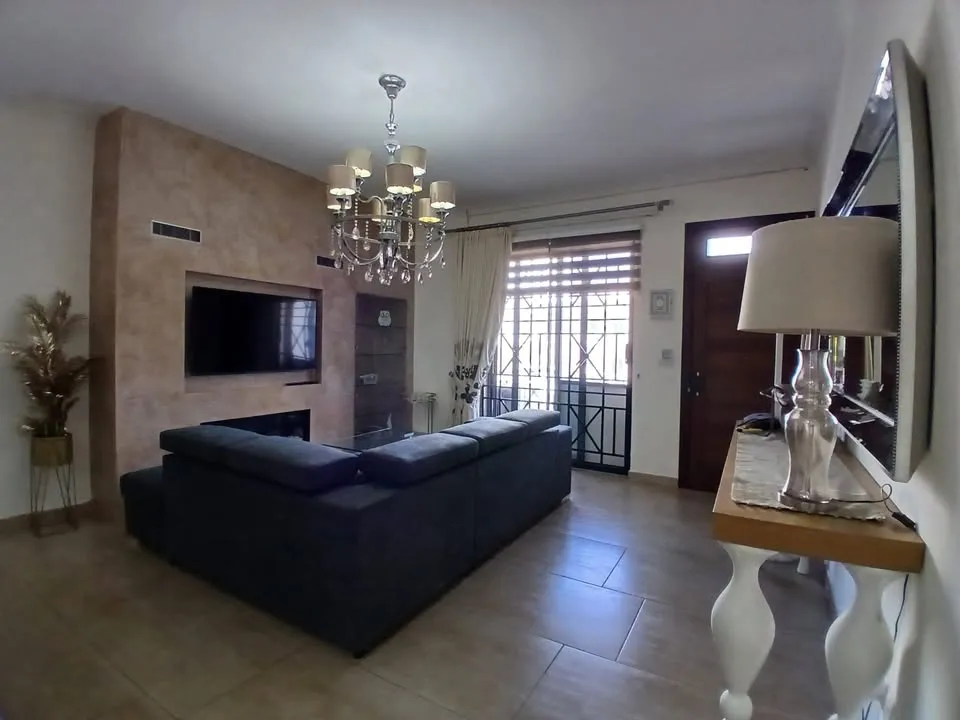
Maisonette in Attard
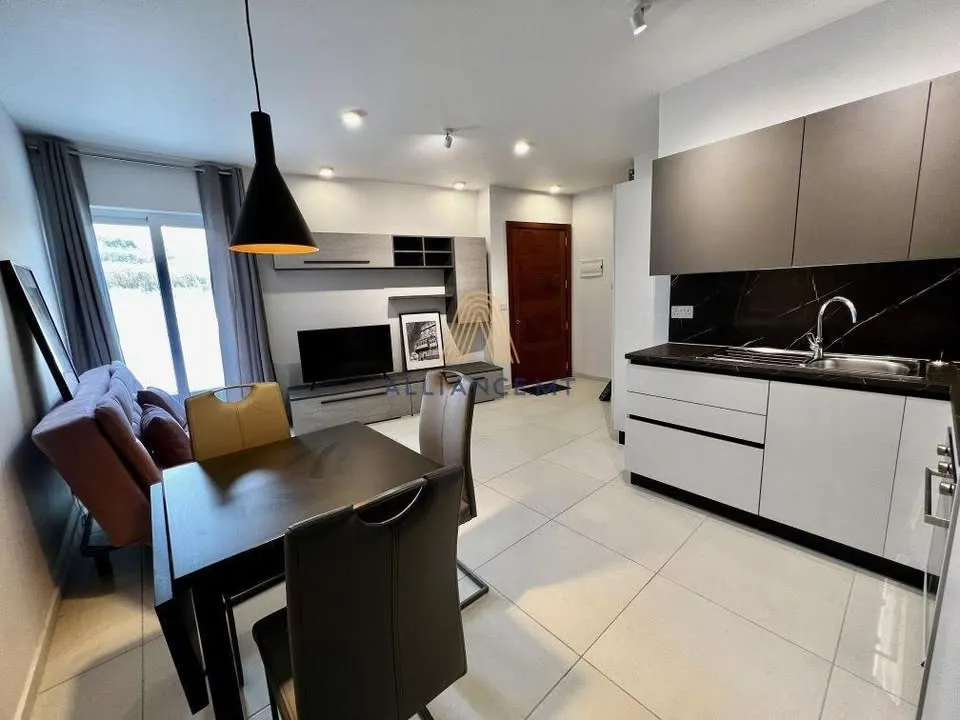
Stunning 1 bedroom apartment in St. Julian's
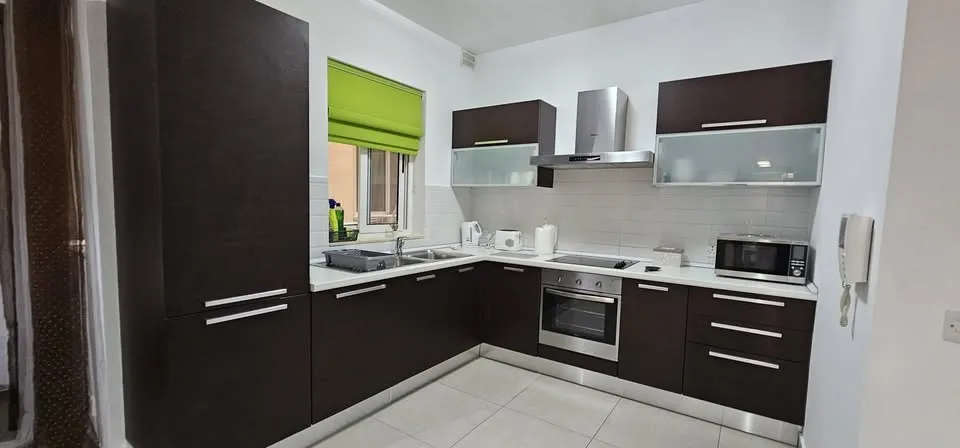
Apartment - St Julians - One Bedroom