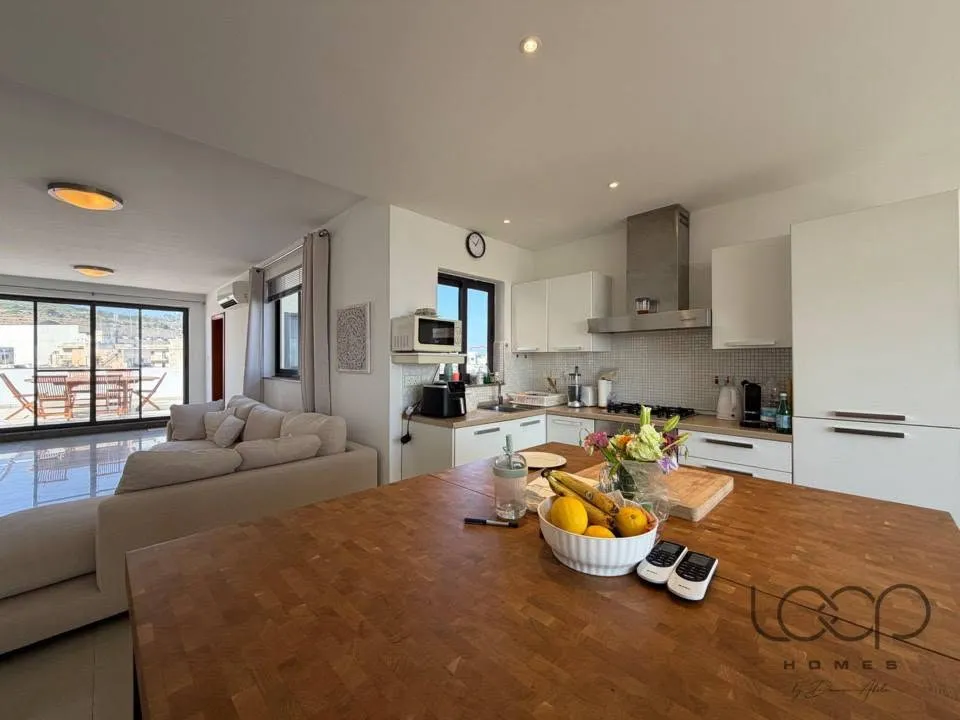
Gzira vs St. Paul's Bay
Side-by-side comparison of property prices, lifestyle, and practical info to help you choose the right area.
Summary
Living in Gzira
Gzira sits in the sweet spot between Sliema and Valletta — close enough to both to benefit from their amenities, but with its own identity and a more residential pace of life. The seafront looks out at Manoel Island and the fortified walls of Valletta across the creek, giving Gzira some of the best free harbour views on the island. The town has been quietly gentrifying over the past decade. Once considered a budget alternative to Sliema, Gzira now has its own crop of modern apartment developments, a growing restaurant scene, and the Manoel Island project poised to transform the western end into a luxury residential and marina district. The seafront promenade connects seamlessly to Sliema's — residents can walk from Gzira to Sliema's commercial strip in ten minutes. Gzira appeals to a broad demographic: young professionals priced out of Sliema, students at the nearby University of Malta campus, and families who value the area's relative quiet and good schools. Property prices sit below Sliema but above the island average, and the rental market is strong due to the area's walkability and transport links.
Highlights
- Direct views of Valletta's bastions across the creek
- Manoel Island — pending luxury development
- Seamless seafront promenade connection to Sliema
- More affordable than Sliema with similar convenience
- Strong rental market driven by proximity to university and business districts
Living in St. Paul's Bay
St. Paul's Bay is Malta's largest northern coastal town — a sprawling stretch of shoreline that encompasses the old fishing village of Xemxija, the tourist strips of Bugibba and Qawra, and the residential community of Burmarrad inland. According to the Bible, St. Paul was shipwrecked here in AD 60, an event that brought Christianity to Malta and gave the area its name. The town has grown explosively over the past two decades, transforming from a quiet seasonal resort into a year-round community of over 25,000 residents. Retired British expats, Maltese families priced out of the central coast, and a growing number of foreign workers have all settled here, drawn by coastal living at more manageable prices than Sliema or St. Julian's. The waterfront is the town's main asset — a long promenade connecting the old fisherman's quay to Bugibba's square to Qawra's rocky beaches. The Malta National Aquarium sits at the Bugibba end, and the Xemxija Heritage Walk traces ancient cart ruts and Roman roads into the hills. Properties range from modern seafront apartments to older terraced houses inland, with prices significantly below the central coast.
Highlights
- Malta's largest coastal town by population
- Biblical shipwreck site of St. Paul
- Malta National Aquarium at Bugibba
- Rocky beaches and coastal promenade
- More affordable than the central coast
Lifestyle Comparison
Which Area Is Right For You?
Choose Gzira
Gzira comes out ahead in dining, nightlife, transport .
Choose St. Paul's Bay
St. Paul's Bay comes out ahead in safety, beaches .
Frequently Asked Questions
Available Properties
Gzira (57 listings)
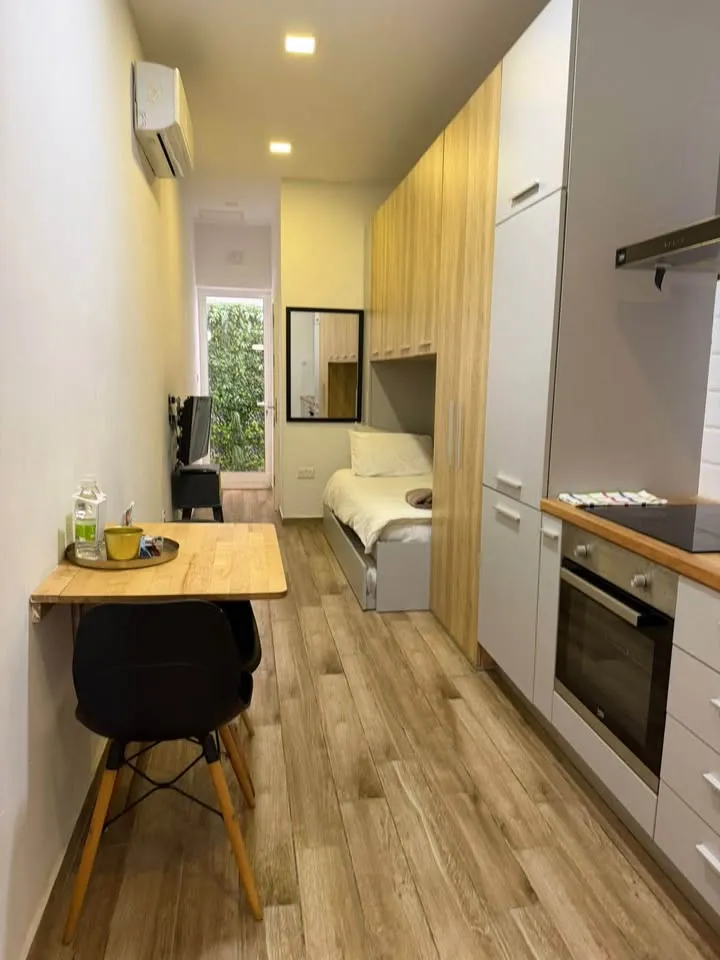
Comfortable and cosy studio apartment
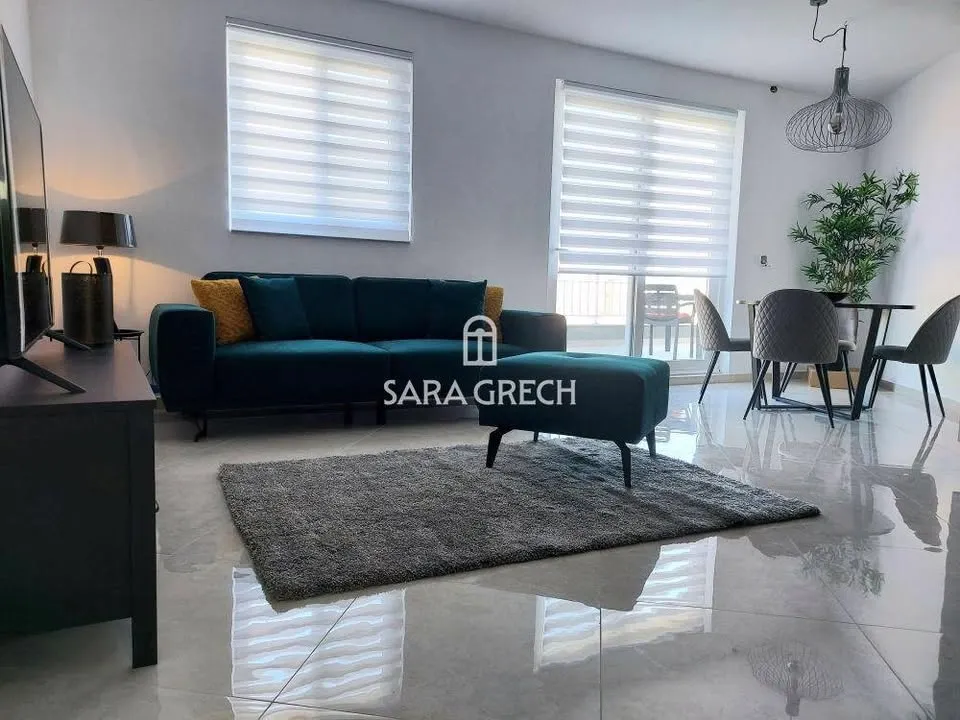
Apartment in Gżira
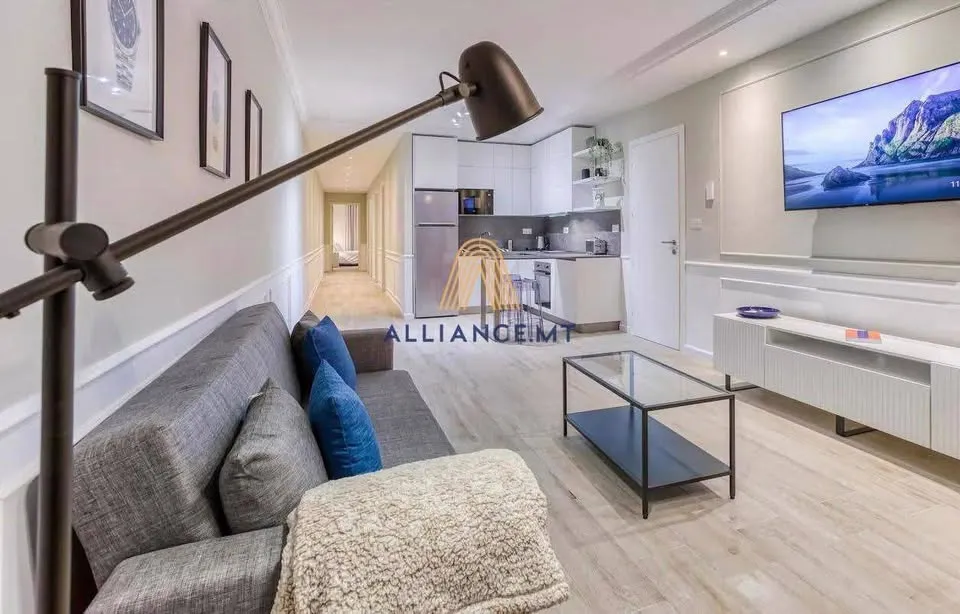
Luxurious 3-Bedroom Apartment in Gzira
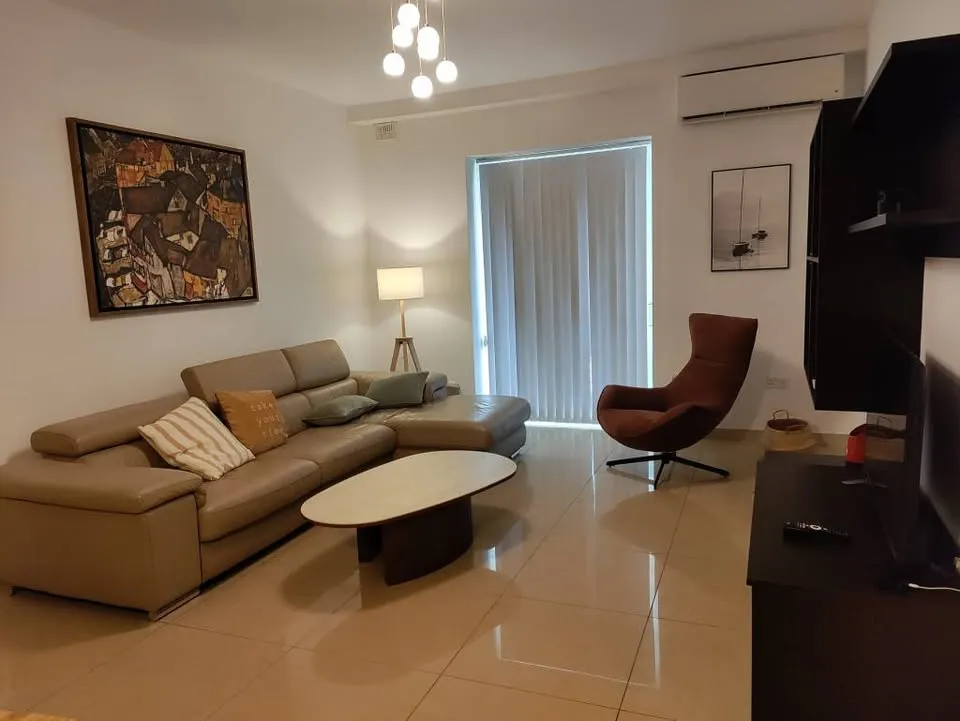
Recently refurbished 3-bedroom apartment in Savoy Gardens, Gzira
St. Paul's Bay (51 listings)
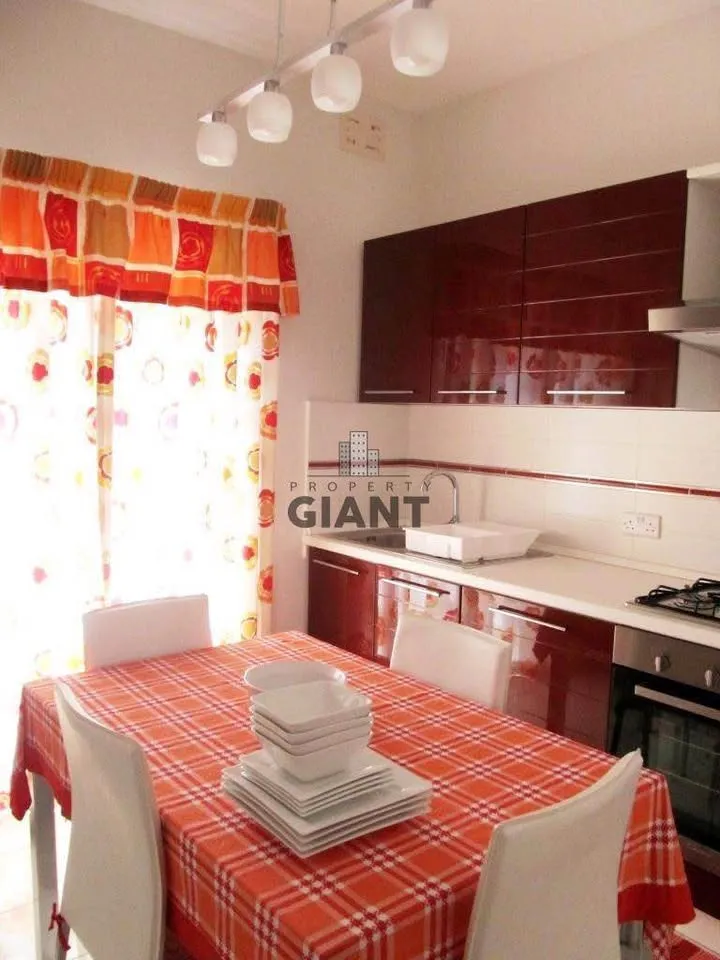
1 Bedroom Apartment in St. Paul's Bay
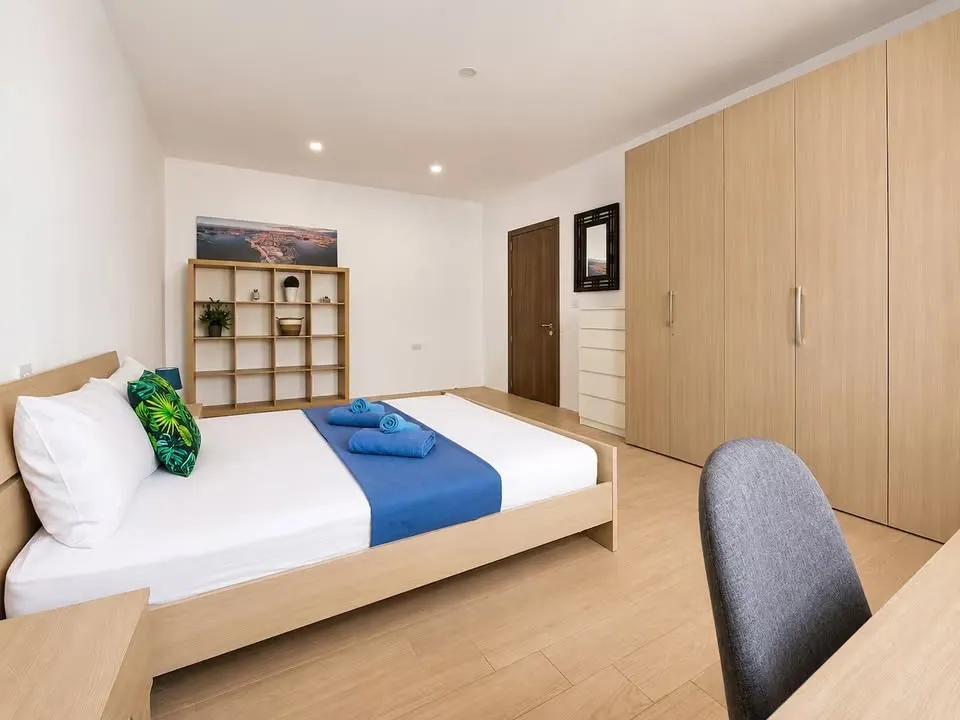
Bedroom with private bathroom in shared apartment
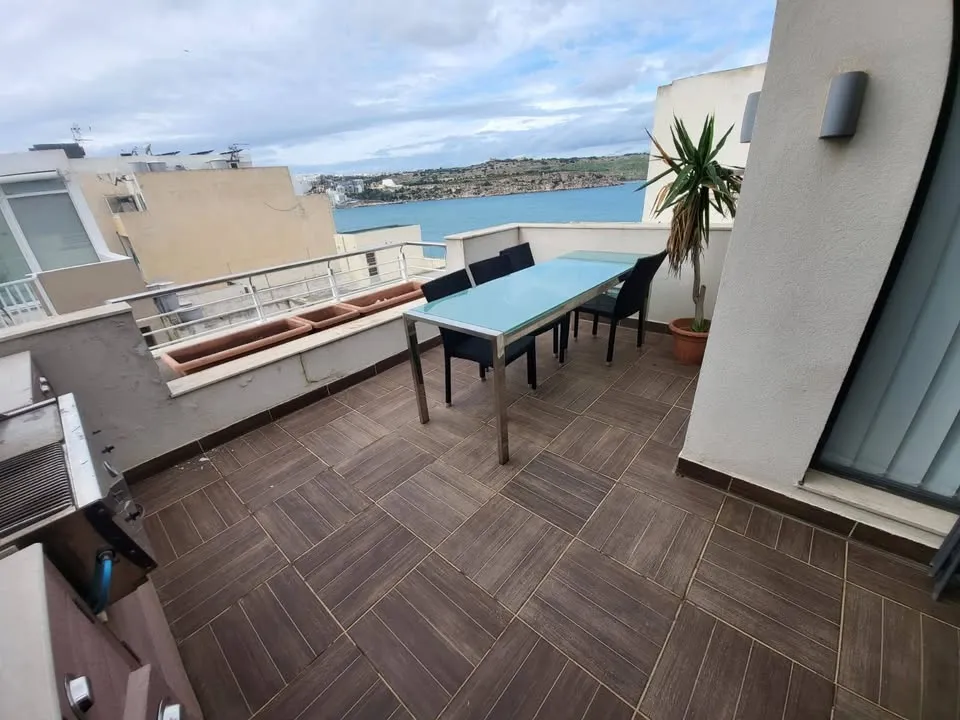
Duplex Penthouse in San Pawl il-Baħar