Kalkara vs St. Paul's Bay
Side-by-side comparison of property prices, lifestyle, and practical info to help you choose the right area.
Summary
Living in Kalkara
Kalkara is a small harbour-side village at the entrance to the Grand Harbour, squeezed between the Three Cities and Rinella Creek. It's tiny — one of Malta's smallest localities — but it holds two of the island's most significant landmarks: the Malta Film Studios, where Gladiator and Troy were partially filmed, and Fort Rinella, a Victorian-era fortress housing one of the world's largest surviving cannons. The village clusters around a sheltered inlet where traditional Maltese boats are still built and repaired by hand. Kalkara Creek is peaceful in a way that seems impossible given its proximity to the Grand Harbour's industrial heritage. The Smart City development on the eastern edge — a planned technology and business park — has been slow to materialise but continues to shape the area's trajectory. Kalkara appeals to buyers who want harbour-side living at village prices. Properties are a mix of traditional townhouses and modest apartment blocks, with new developments creeping in along the waterfront. It's quieter than Birgu but walkable to it, and the Valletta ferry connection makes commuting easy.
Highlights
- Malta Film Studios — where Gladiator was filmed
- Fort Rinella — Victorian fortress with a 100-ton cannon
- Sheltered creek with traditional boat building
- Walkable to Birgu and the Three Cities
- Affordable waterfront property
Living in St. Paul's Bay
St. Paul's Bay is Malta's largest northern coastal town — a sprawling stretch of shoreline that encompasses the old fishing village of Xemxija, the tourist strips of Bugibba and Qawra, and the residential community of Burmarrad inland. According to the Bible, St. Paul was shipwrecked here in AD 60, an event that brought Christianity to Malta and gave the area its name. The town has grown explosively over the past two decades, transforming from a quiet seasonal resort into a year-round community of over 25,000 residents. Retired British expats, Maltese families priced out of the central coast, and a growing number of foreign workers have all settled here, drawn by coastal living at more manageable prices than Sliema or St. Julian's. The waterfront is the town's main asset — a long promenade connecting the old fisherman's quay to Bugibba's square to Qawra's rocky beaches. The Malta National Aquarium sits at the Bugibba end, and the Xemxija Heritage Walk traces ancient cart ruts and Roman roads into the hills. Properties range from modern seafront apartments to older terraced houses inland, with prices significantly below the central coast.
Highlights
- Malta's largest coastal town by population
- Biblical shipwreck site of St. Paul
- Malta National Aquarium at Bugibba
- Rocky beaches and coastal promenade
- More affordable than the central coast
Lifestyle Comparison
Which Area Is Right For You?
Choose Kalkara
Kalkara comes out ahead in dining, family, safety .
Choose St. Paul's Bay
St. Paul's Bay comes out ahead in beaches, nightlife, transport .
Frequently Asked Questions
Available Properties
Kalkara (2 listings)
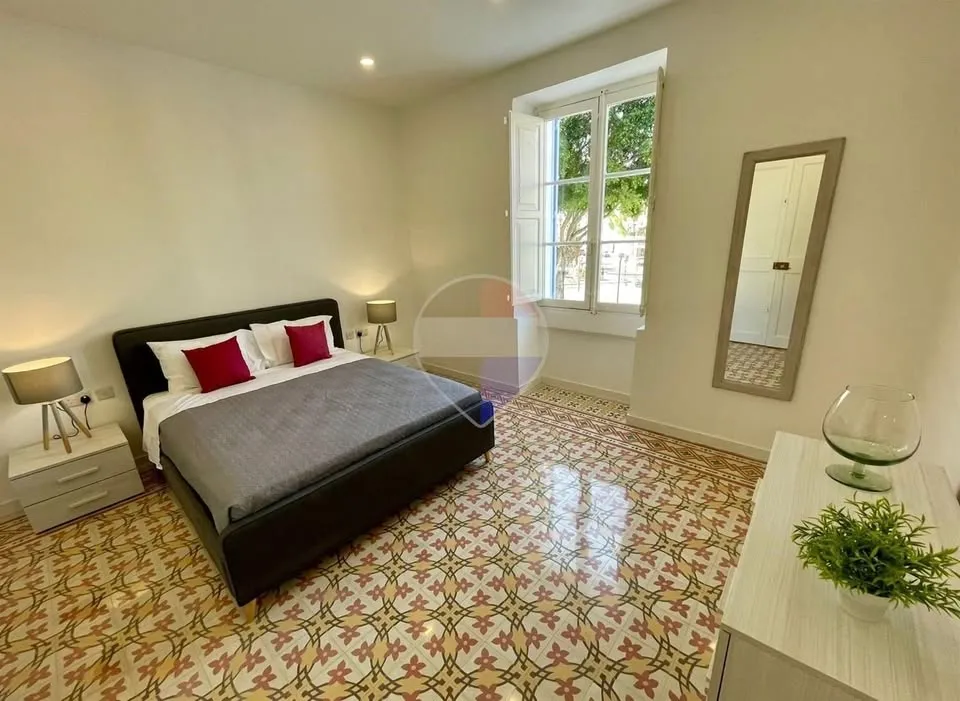
Seafront 3-Bed Townhouse in Kalkara
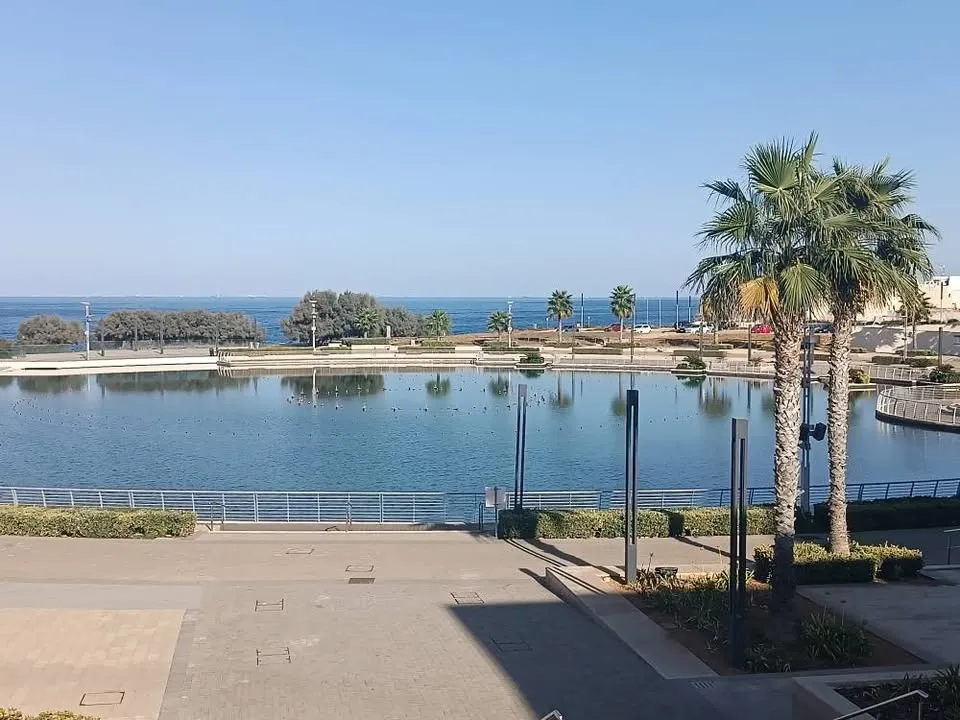
Kalkara Shoreline Residence
St. Paul's Bay (41 listings)
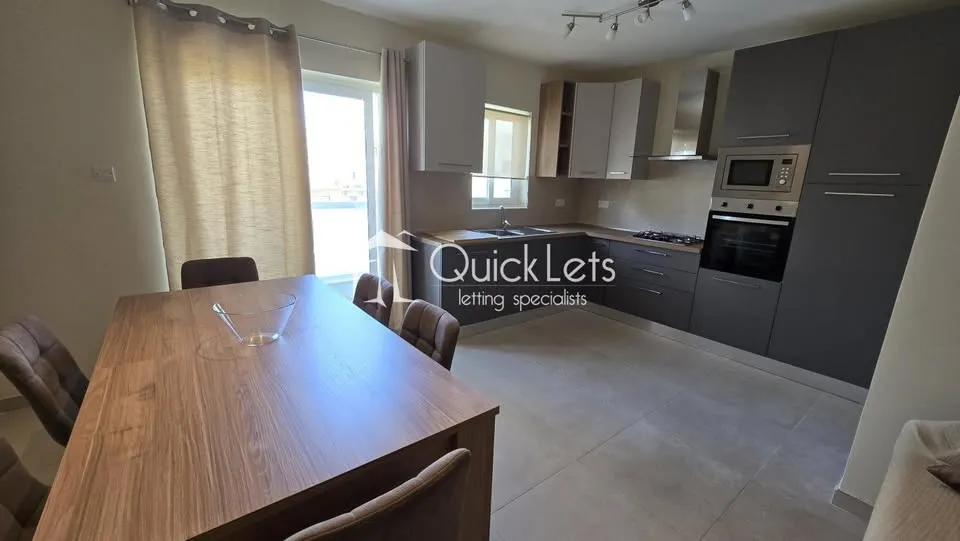
ST. PAUL’S BAY – BRAND NEW 2 BEDROOM APARTMENT
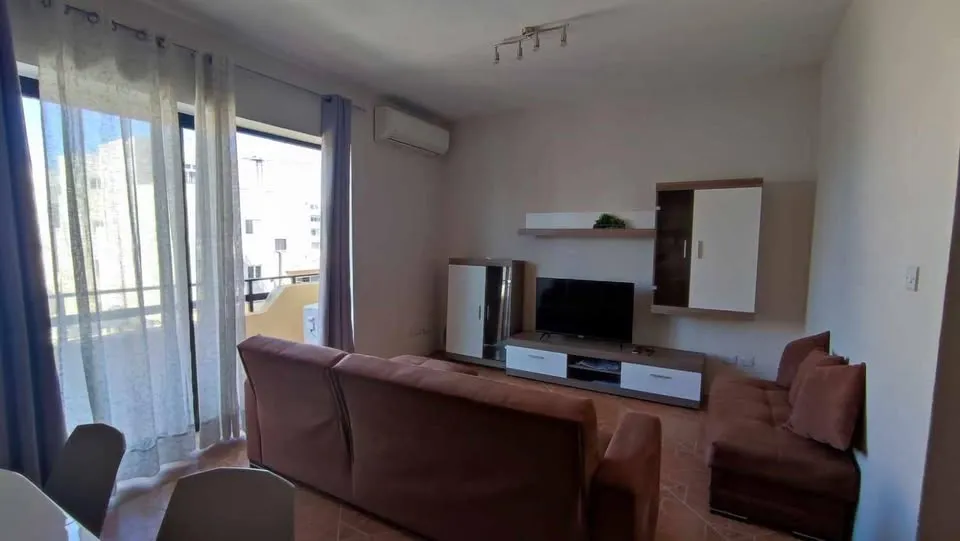
2-Bedroom Apartment for Rent – St Paul's Bay
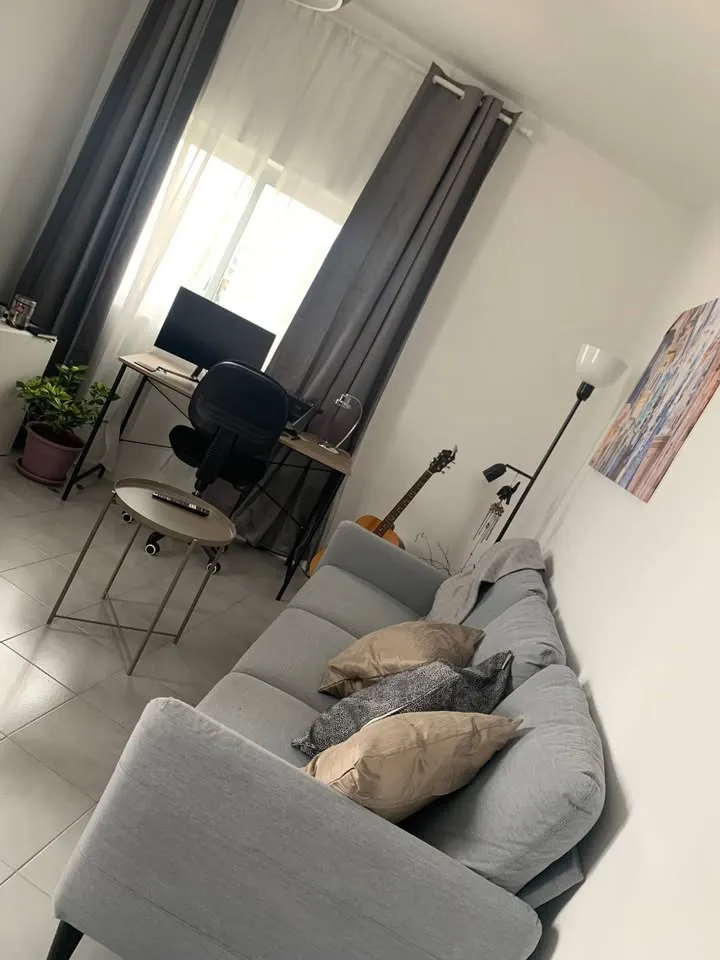
Bugibba 1 Bedroom Apartment