Lija vs Qawra
Side-by-side comparison of property prices, lifestyle, and practical info to help you choose the right area.
Summary
Lija sits inland as one of Malta's Three Villages, boasting a family rating of 9/10 and a safety rating of 9/10. Its picture-perfect limestone townhouses and baroque architecture command premium prices, with property supply limited and competition strong. The village is 20 minutes from the airport by car, though buses are less frequent than neighbouring areas, making a car essential. Nightlife scores just 3/10 — Lija is defined by quiet streets, citrus groves, and strong community atmosphere.
Qawra offers a contrasting resort lifestyle along Malta's northern coast, with a long seafront promenade and rocky swimming spots. Transport connectivity rates 7/10 with direct bus routes to Valletta, though the journey takes 50-60 minutes. The airport is 30 minutes away by car, and the Gozo ferry is 20 minutes north. Property here attracts steady rental yields from a loyal retiree community, with some of coastal Malta's most affordable prices. Beaches score 4/10 due to the lack of sandy stretches, and the area becomes tourist-heavy in summer.
Living in Lija
Lija is the middle child of Malta's Three Villages — smaller than Attard, larger than Balzan, and arguably the most visually cohesive of the three. The village centre is a perfectly preserved ensemble of golden limestone buildings, a baroque church with an unusual oval dome, and a tree-lined square that hosts Malta's annual citrus festival each winter. The village has an agricultural soul that's still visible despite suburban encroachment. Orange and lemon groves survive in private gardens, and the Belvedere Orchard on the edge of town is one of the last working citrus farms in urban Malta. Lija's townhouses are among the most photographed in Malta — ornate facades with carved stone balconies, painted shutters, and flower-filled window boxes. Property in Lija commands a premium for its size and inland location. The village atmosphere, architectural quality, and prestige of the Three Villages address drive prices above Birkirkara and most of central Malta. It's a niche market — few properties come up for sale, and when they do, they sell to buyers who've been waiting for them.
Highlights
- Malta's most photogenic village square
- Annual citrus festival celebrating local heritage
- Beautifully preserved limestone townhouses
- Oval-domed baroque parish church
- Prestigious Three Villages address
Living in Qawra
Qawra is the quieter neighbour of Bugibba — a coastal resort area on St. Paul's Bay that shares the same tourist infrastructure but with a more relaxed pace. The name means 'rounded' in Maltese, referring to the shape of the rocky peninsula that juts into the sea. Where Bugibba is loud and commercial, Qawra is slightly more subdued, with a long coastal promenade, rocky swimming platforms, and a cluster of hotels and apartment blocks. The Qawra promenade is one of the longest continuous seafront walks in Malta, stretching from Bugibba's aquarium all the way to Salina Bay. The salt pans at Salina are one of the oldest in Malta, still producing sea salt using traditional methods. The Qawra Point tower, a Knights-era watchtower, sits at the tip of the peninsula. Property in Qawra mirrors Bugibba's market — affordable purchase prices and solid rental yields from tourist demand. The area is popular with British retirees and long-stay visitors who prefer Qawra's slightly calmer atmosphere over Bugibba's bustle. Winter occupancy is better than most Maltese resorts thanks to the retiree community.
Highlights
- Longest seafront promenade in northern Malta
- Salina salt pans — traditional sea salt production
- Knights-era watchtower at Qawra Point
- Steady rental yields from retiree community
- Slightly quieter alternative to neighbouring Bugibba
Lifestyle Comparison
Which Area Is Right For You?
Choose Lija
Lija comes out ahead in family, safety, beaches .
Choose Qawra
Qawra comes out ahead in nightlife, transport .
Frequently Asked Questions
Available Properties
Lija (1 listings)
View all Lija properties
Qawra (22 listings)
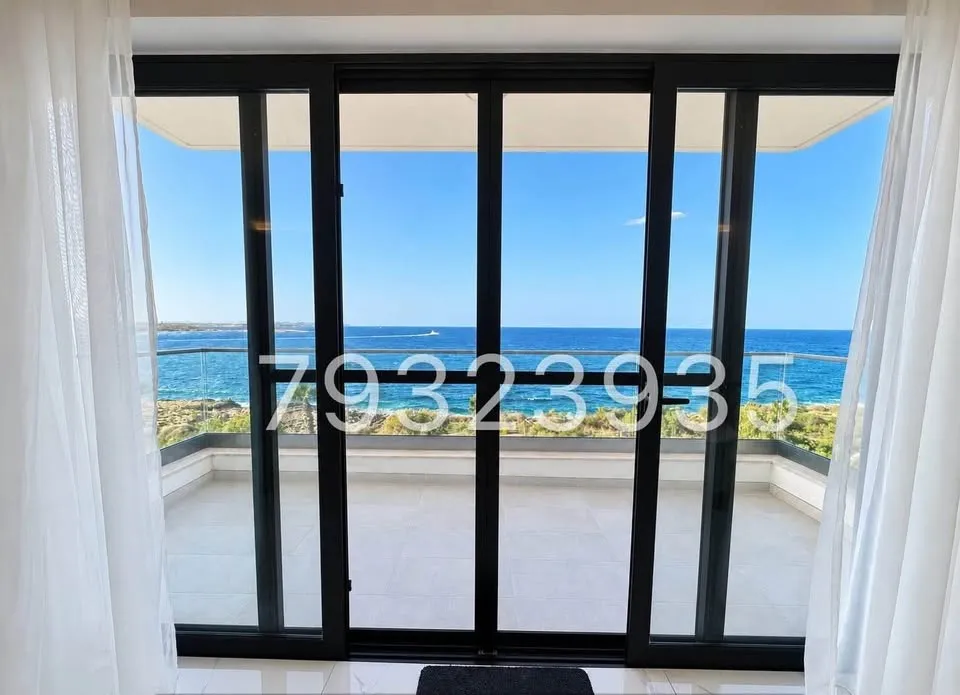
Seafront Apartment for Long Let in Qawra
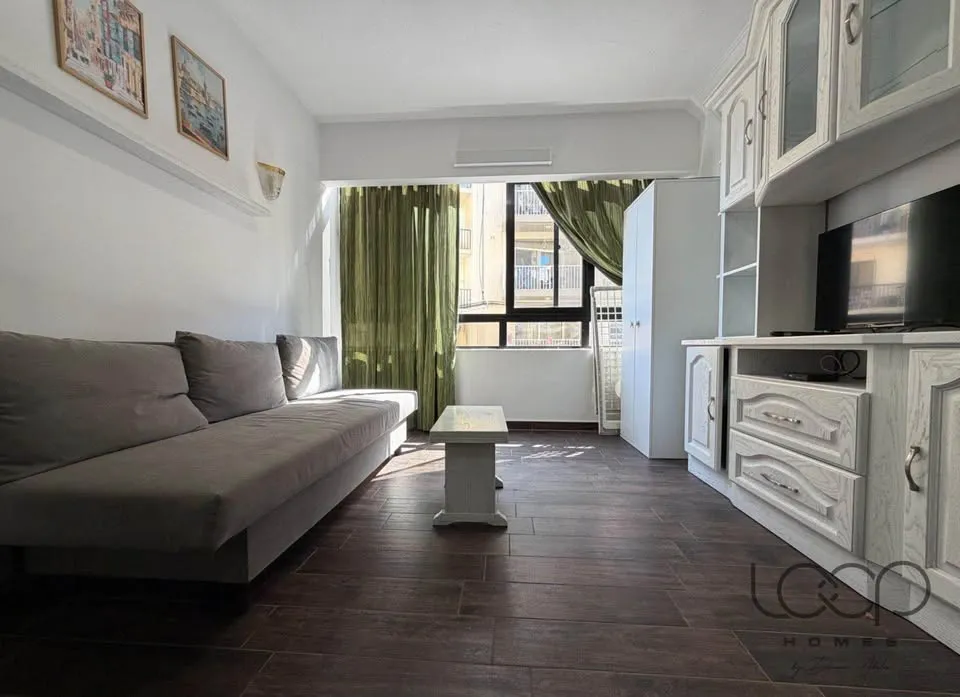
Modern 2 Bedroom Apartment in Qawra
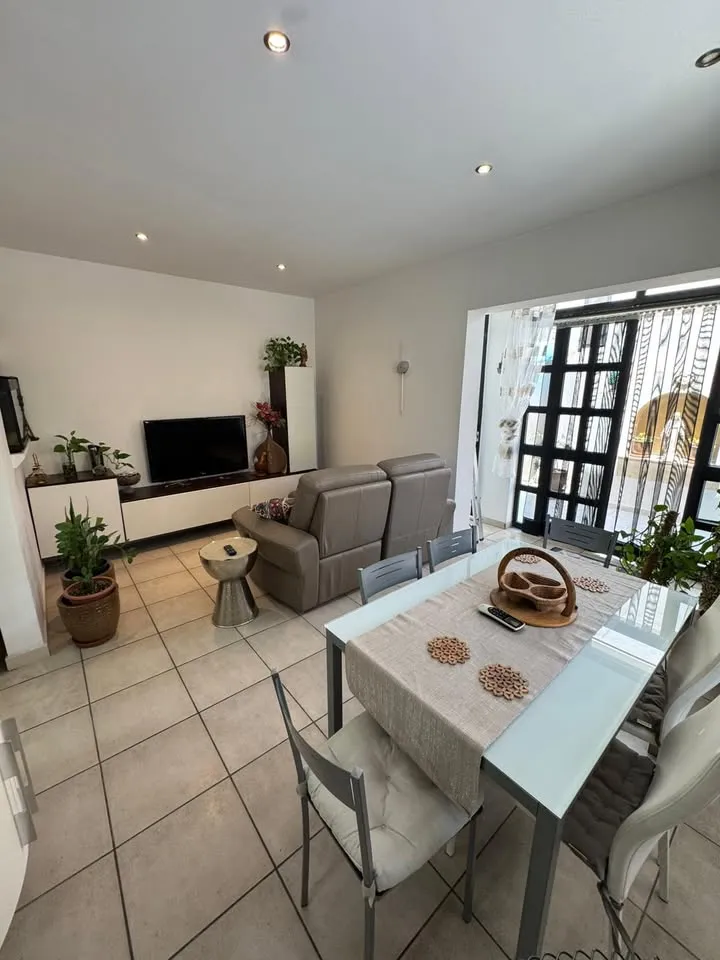
Terraced House - Qawra - 3 bedrooms