Lija vs Valletta
Side-by-side comparison of property prices, lifestyle, and practical info to help you choose the right area.
Summary
Living in Lija
Lija is the middle child of Malta's Three Villages — smaller than Attard, larger than Balzan, and arguably the most visually cohesive of the three. The village centre is a perfectly preserved ensemble of golden limestone buildings, a baroque church with an unusual oval dome, and a tree-lined square that hosts Malta's annual citrus festival each winter. The village has an agricultural soul that's still visible despite suburban encroachment. Orange and lemon groves survive in private gardens, and the Belvedere Orchard on the edge of town is one of the last working citrus farms in urban Malta. Lija's townhouses are among the most photographed in Malta — ornate facades with carved stone balconies, painted shutters, and flower-filled window boxes. Property in Lija commands a premium for its size and inland location. The village atmosphere, architectural quality, and prestige of the Three Villages address drive prices above Birkirkara and most of central Malta. It's a niche market — few properties come up for sale, and when they do, they sell to buyers who've been waiting for them.
Highlights
- Malta's most photogenic village square
- Annual citrus festival celebrating local heritage
- Beautifully preserved limestone townhouses
- Oval-domed baroque parish church
- Prestigious Three Villages address
Living in Valletta
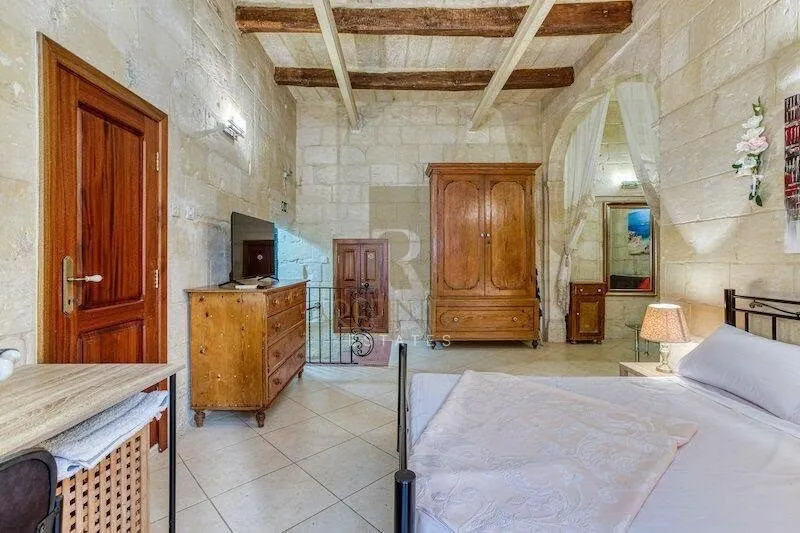
Valletta is a living museum — a UNESCO World Heritage city built by the Knights of St. John in the 16th century, designed on a grid plan so ahead of its time that it's still functional 450 years later. Every street reveals something remarkable: baroque churches with Caravaggio paintings inside, grand auberges that housed the knightly orders, and rooftop terraces with views across two harbours that have shaped Mediterranean history. As Malta's capital and administrative centre, Valletta punches well above its size. It packs government buildings, foreign embassies, boutique hotels, and a thriving restaurant scene into less than a square kilometre. The city went through a renaissance after its 2018 European Capital of Culture year — old buildings were restored, pedestrian zones expanded, and a creative community took root alongside the traditional Maltese families who've lived here for generations. Living in Valletta is a specific choice. Properties are predominantly historic townhouses and converted palazzos, often with original stone floors and enclosed wooden balconies. Space is at a premium, parking is almost nonexistent, and grocery shopping means visiting small shops rather than supermarkets. But residents gain something rare — a walkable city where the sea is always two streets away, where culture is on the doorstep, and where the evening paseggiata along the bastions at golden hour never gets old.
Highlights
- UNESCO World Heritage Site — entire city
- St. John's Co-Cathedral with Caravaggio's Beheading of St. John
- Barrakka Gardens with panoramic Grand Harbour views
- Grid-plan streets designed in 1566, still functional today
- 2018 European Capital of Culture
Lifestyle Comparison
Which Area Is Right For You?
Choose Lija
Lija comes out ahead in family, beaches .
Choose Valletta
Valletta comes out ahead in dining, nightlife, transport .