Luqa vs Mdina
Side-by-side comparison of property prices, lifestyle, and practical info to help you choose the right area.
Summary
Luqa scores 9/10 for transport and 6/10 for family-friendliness, compared to Mdina's 4/10 transport and 10/10 safety ratings. Malta International Airport sits directly in Luqa, with express bus routes X1–X4 connecting to the rest of the island. Mdina sits roughly 25 minutes from the airport by car, accessible via routes 51 and 52 from Valletta. Property in Luqa ranks among central Malta's most affordable, whereas Mdina's heritage properties command significant premiums under strict conservation rules.
Luqa's 6,300 residents deal with constant aircraft noise and limited local amenities, requiring trips to Paola or Qormi for shopping. Mdina houses fewer than 300 residents within UNESCO-listed limestone walls where cars are banned entirely. Mdina rates 7/10 for dining, featuring established restaurants like De Mondion and Fontanella Tea Garden, while Luqa scores 4/10. Luqa suffers from heavy peak-time traffic and post-war architecture. Mdina faces constant tourist foot traffic and cold winters from thick stone walls, with residents parking outside the city gates and relying on adjacent Rabat for everyday shopping.
Living in Luqa
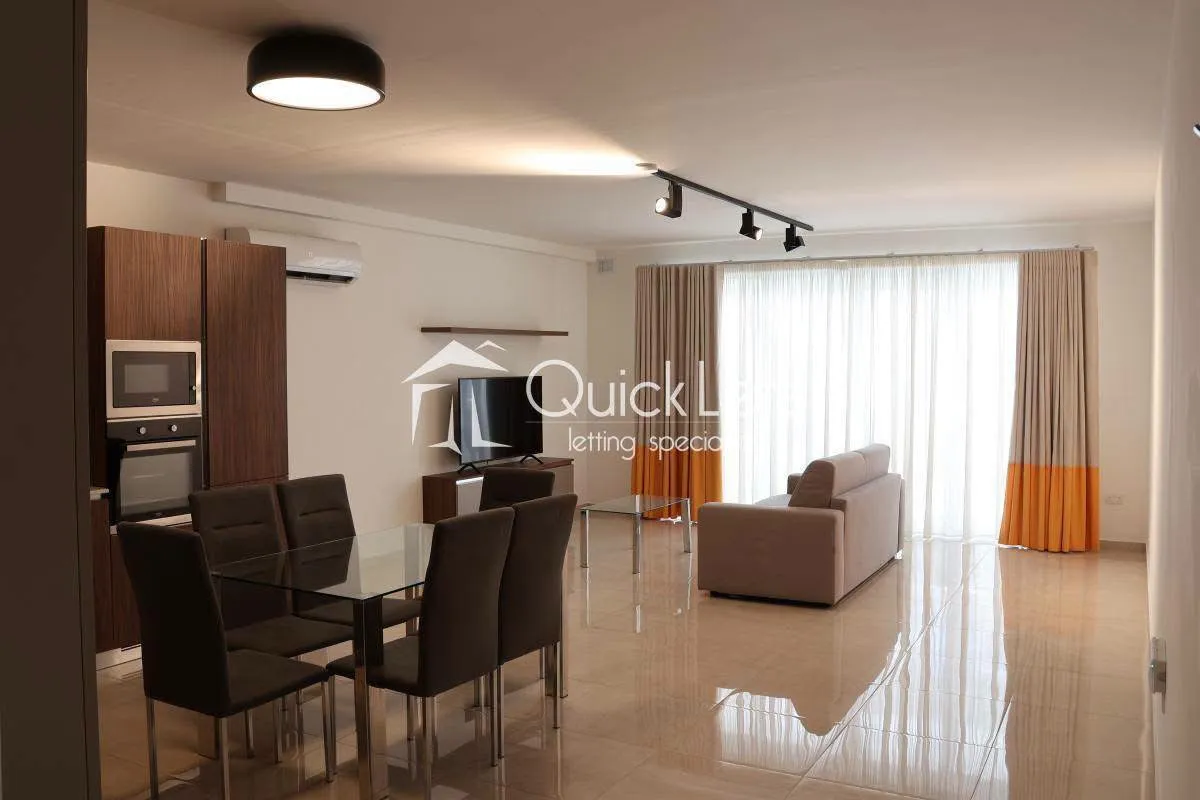
Luqa is a small town in Malta's south that's best known as the home of Malta International Airport — the island's only civil airport sits on what was once Luqa's farmland. The town's identity is inseparable from aviation: during WWII, RAF Luqa was a critical Allied airbase, and the airfield was bombed more heavily than any other target in Malta. The town centre, a short distance from the airport perimeter, is a traditional Maltese village with a parish church dedicated to St. Andrew. The church has an unusually ornate interior, with marblework and gilding that reflects Luqa's relative prosperity from airport employment over the decades. The surrounding streets mix traditional houses with more utilitarian post-war development. Property in Luqa is affordable and practical. The airport proximity is both its defining feature and its main drawback — convenient for travel but noisy. Prices are among the lowest in the urbanised part of Malta, making Luqa a practical choice for airport workers and budget-conscious buyers who value quick access to the terminal.
Highlights
- Home to Malta International Airport
- WWII airfield — one of the most bombed sites in the war
- Most affordable property near the airport
- Parish church with unusually ornate interior
- Quick access to the airport terminal
Living in Mdina
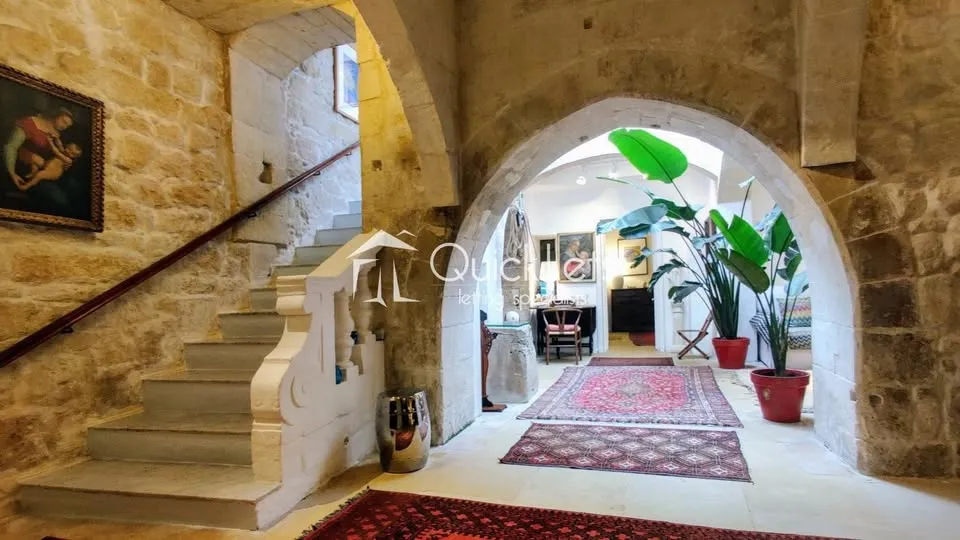
Mdina is the Silent City — a walled medieval citadel on a hilltop in central Malta where cars are banned, tourists whisper, and the only sound is the click of footsteps on golden limestone. Home to fewer than 300 residents, it is one of Europe's smallest inhabited cities and arguably its most atmospheric. The city's history predates the Knights of St. John by centuries. Originally a Phoenician settlement, then a Roman city, then the Arab capital of Malta, Mdina has layer upon layer of history compressed into its tiny footprint. The narrow streets are deliberately non-linear — a defensive trick to confuse invaders, now a maze that delights visitors. Palaces line every alley, many still privately owned by Maltese noble families who've held them for generations. Property in Mdina is rare and tightly regulated. The few apartments and townhouses that come up for sale are heritage-listed, requiring strict adherence to conservation rules. Buyers are getting a piece of history — original stone arches, tiled floors, and walls thick enough to withstand cannon fire. It's not for everyone: no parking, limited amenities, and constant tourist foot traffic. But for a small number of buyers, the chance to live in an 8,000-year-old fortress city is worth every restriction.
Highlights
- Cars banned — one of Europe's few car-free cities
- Fewer than 300 residents in an 8,000-year-old city
- St. Paul's Cathedral — baroque masterpiece
- Panoramic views from the city bastions
- Featured as King's Landing in Game of Thrones Season 1
Lifestyle Comparison
Which Area Is Right For You?
Choose Luqa
Luqa comes out ahead in family, beaches, nightlife, transport .
Choose Mdina
Mdina comes out ahead in dining, safety .