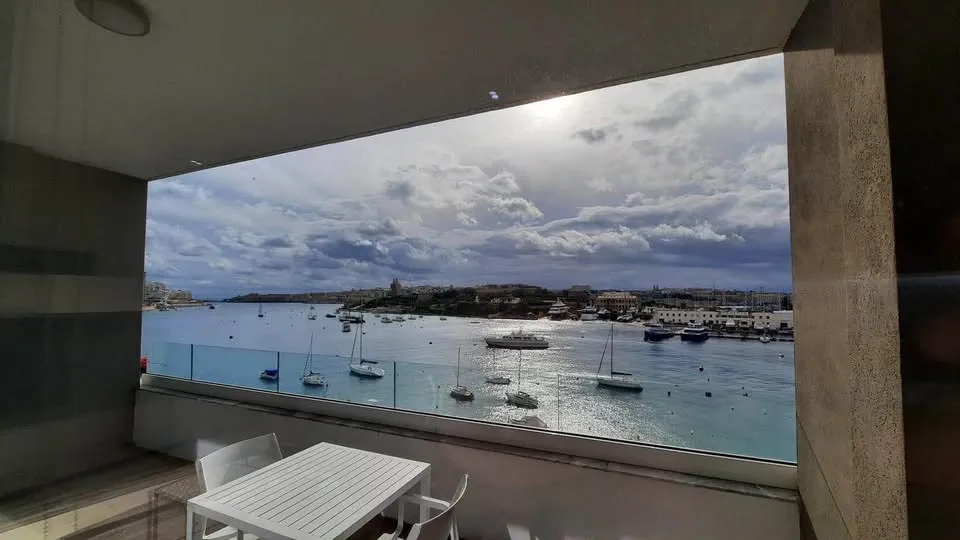
Luqa vs Sliema
Side-by-side comparison of property prices, lifestyle, and practical info to help you choose the right area.
Summary
Luqa's key advantage is location: Malta International Airport sits within the town, giving residents walkable terminal access and the island's best bus connectivity. Property prices are among the lowest in central Malta. The trade-off is constant aircraft noise, limited local shopping, and a post-war townscape with little visual appeal. Sliema offers the opposite — a 3km seafront promenade, Malta's largest shopping mall at The Point, and a 10-minute fast ferry to Valletta. It scores 9/9 on dining and nightlife versus Luqa's 4/4, but commands the highest rents outside Valletta.
Transport is strong in both areas, each scoring 9/9. Luqa provides direct express bus routes and immediate airport access; Sliema delivers frequent Valletta buses and a passenger ferry. Luqa suits families prioritising affordability and travel convenience. Sliema fits professionals who walk everywhere, value sea views, and accept higher costs for an international, amenity-rich lifestyle. Both score 7/9 on safety.
Living in Luqa
Luqa is a small town in Malta's south that's best known as the home of Malta International Airport — the island's only civil airport sits on what was once Luqa's farmland. The town's identity is inseparable from aviation: during WWII, RAF Luqa was a critical Allied airbase, and the airfield was bombed more heavily than any other target in Malta. The town centre, a short distance from the airport perimeter, is a traditional Maltese village with a parish church dedicated to St. Andrew. The church has an unusually ornate interior, with marblework and gilding that reflects Luqa's relative prosperity from airport employment over the decades. The surrounding streets mix traditional houses with more utilitarian post-war development. Property in Luqa is affordable and practical. The airport proximity is both its defining feature and its main drawback — convenient for travel but noisy. Prices are among the lowest in the urbanised part of Malta, making Luqa a practical choice for airport workers and budget-conscious buyers who value quick access to the terminal.
Highlights
- Home to Malta International Airport
- WWII airfield — one of the most bombed sites in the war
- Most affordable property near the airport
- Parish church with unusually ornate interior
- Quick access to the airport terminal
Living in Sliema
Sliema is Malta's premier waterfront district, a vibrant stretch of coastline where modern apartment towers meet historic townhouses along a sweeping seafront promenade. Once a quiet fishing village favoured by Valletta's upper class as a summer retreat, Sliema transformed in the 20th century into the island's commercial and residential hub. The Strand and Tower Road form the backbone of daily life here, lined with cafes, restaurants, and retail chains that draw both locals and tourists year-round. The area is defined by its rocky beaches and swimming spots — no sand, but plenty of lidos and concrete platforms where residents take their morning dip with views across to Valletta's Grand Harbour. The Ferries terminal connects Sliema to the capital in under ten minutes by boat, making it one of the best-connected spots on the island. Tigne Point and The Point Shopping Mall anchor the northern end, while the quieter Exiles and Qui-Si-Sana areas offer respite from the commercial buzz. Sliema is the default choice for expats relocating to Malta, particularly those working in the gaming, finance, and tech sectors. The property market here is the most active on the island, with a high turnover of rental apartments and a steady pipeline of new developments. Parking is notoriously difficult and traffic congestion is a daily reality, but most residents find that walkability and proximity to everything compensate.
Highlights
- Seafront promenade stretching 3km along the coast
- 10-minute ferry to Valletta
- The Point — Malta's largest shopping mall
- Rocky beaches and swimming lidos
- Highest concentration of modern apartments on the island
Lifestyle Comparison
Which Area Is Right For You?
Choose Luqa
Luqa comes out ahead in family .
Choose Sliema
Sliema comes out ahead in dining, beaches, nightlife .
Frequently Asked Questions
Available Properties
Luqa (2 listings)
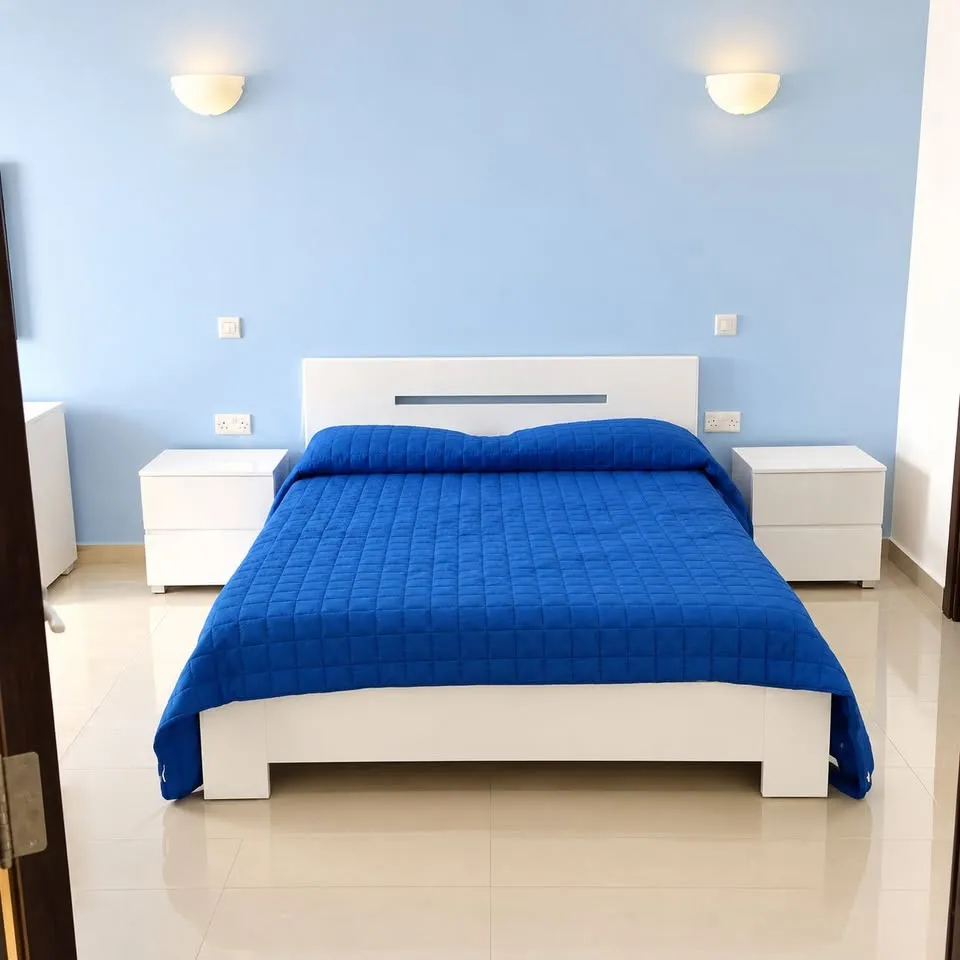
2 bedrooms 2 bathrooms Maisonette in Luqa
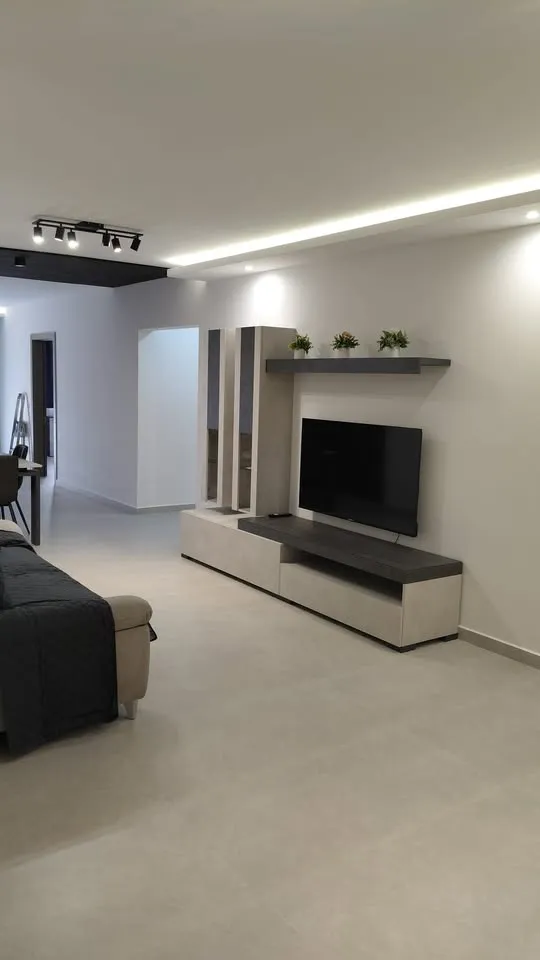
APARTMENT 3 BEDROOM 2 BATHROOM NEAR AIRPORT
Sliema (87 listings)
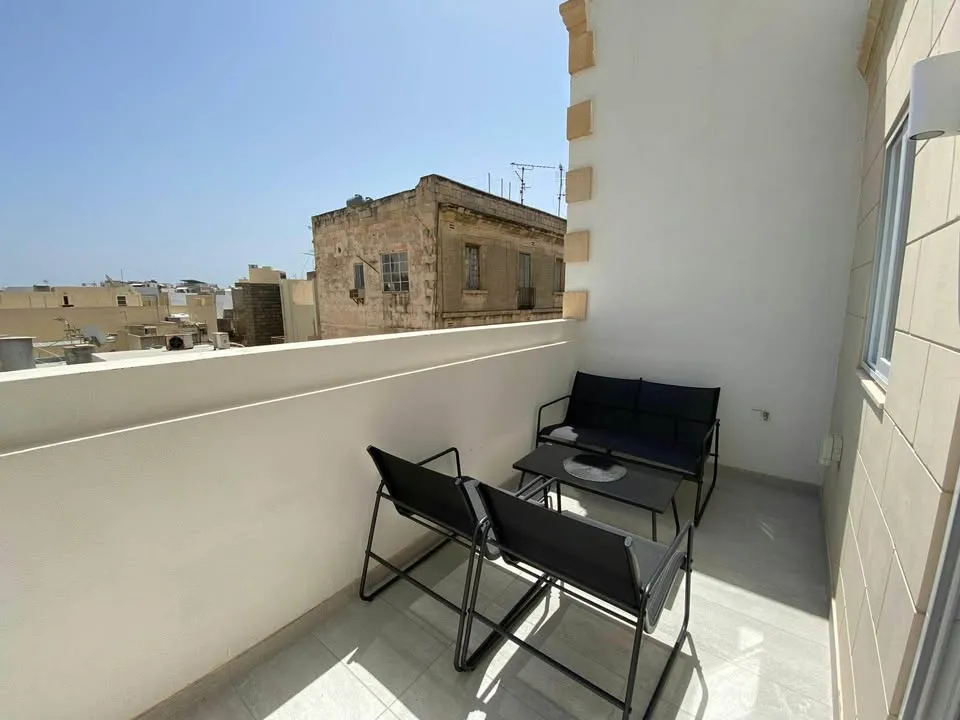
Duplex Apartment in Heart of Sliema
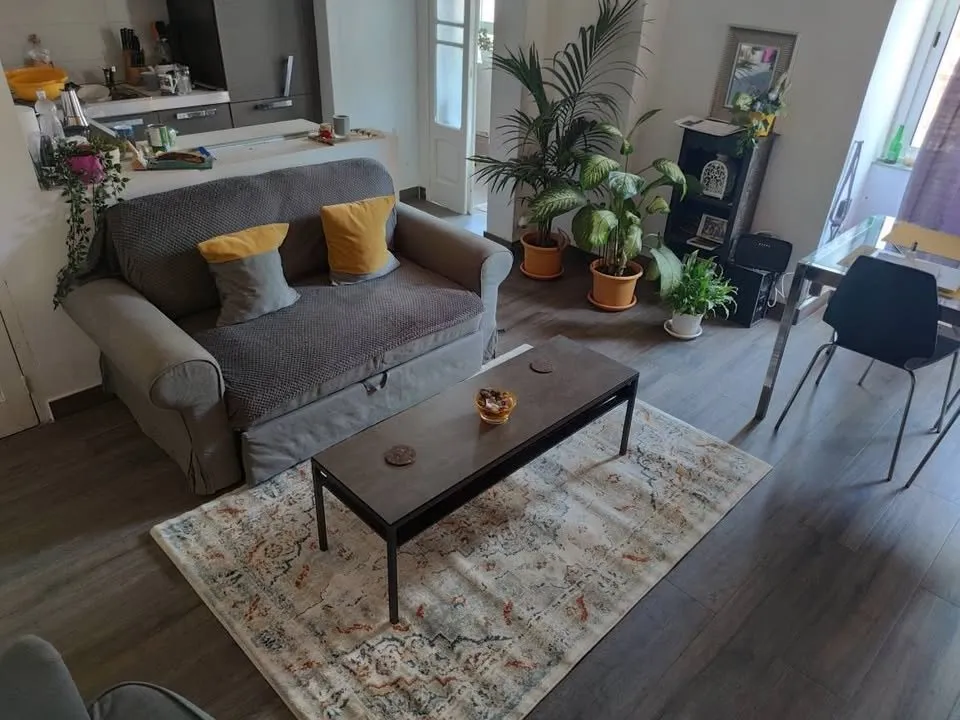
Cosy traditional Maltese apartment in Sliema
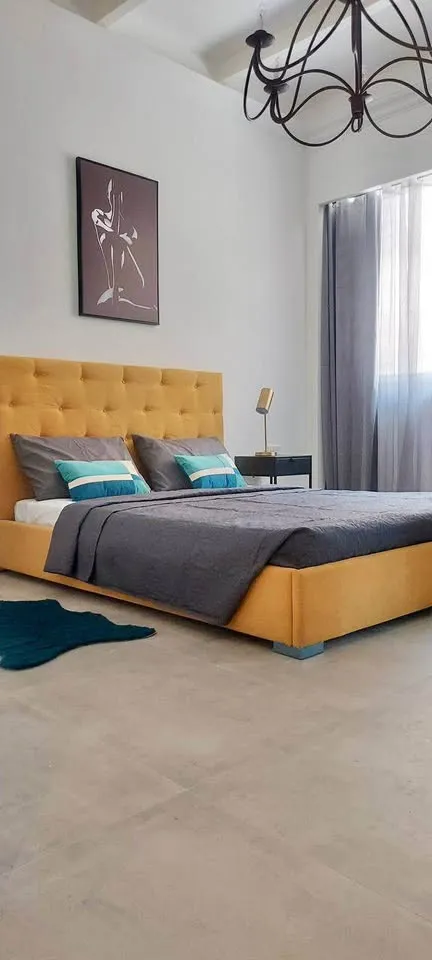
Sliema Ultra Modern & Large Apartment close to the Sea & Tigne Point