Marsa vs Mellieha
Side-by-side comparison of property prices, lifestyle, and practical info to help you choose the right area.
Summary
Living in Marsa
Marsa sits at the inner end of the Grand Harbour — a flat, industrial zone where Malta's main port facilities, power station, and horse-racing track cluster around a creek that once served as a Roman harbour. The name means 'harbour' in Arabic, and the area has served as a port facility for over 2,000 years. Marsa is not a residential destination — it's a working zone. The container terminal, ship repair yards, and industrial estates dominate the landscape. A small residential community lives in the older streets near the parish church, but most of Marsa's daily population consists of workers, truck drivers, and port employees. Property in Marsa exists but is limited. The few residential properties available are very affordable, though the industrial surroundings make this a niche choice. Malta's only horse-racing track, the Marsa Sports Club, is a major draw — racing days bring thousands of visitors to an otherwise industrial area.
Highlights
- Malta's main container port
- Marsa horse-racing track — Malta's only racecourse
- Roman harbour site with 2,000 years of maritime history
- Very affordable residential property
- Malta's power station location
Living in Mellieha
Mellieha is where Malta goes to the beach. Perched on a hilltop in the far north of the island, the town overlooks Mellieha Bay — the largest sandy beach in Malta and the reason this area became a tourism hotspot. The bay stretches for nearly a kilometre of golden sand with shallow, warm water that makes it the top choice for families with children. The town itself has a slower, more rural character than the congested central coast. Mellieha's old core is a network of steep streets anchored by the Sanctuary of Our Lady of Mellieha, a pilgrimage site said to contain a fresco painted by St. Luke. The newer developments spread down the hillside toward the beach, a mix of apartment blocks, holiday lets, and villa communities — particularly the Santa Maria Estate, one of Malta's most sought-after residential addresses. Life in Mellieha revolves around the seasons. Summers bring an influx of tourists and a vibrant beach-town atmosphere. Winters are quiet — almost too quiet for some, with many businesses closing and the population settling back to its resident core. The trade-off is space: Mellieha offers larger properties, gardens, and sea views that would cost multiples more in Sliema or St. Julian's.
Highlights
- Mellieha Bay — Malta's longest sandy beach
- Santa Maria Estate — exclusive villa community
- Cirkewwa ferry terminal for Gozo trips
- Diving and water sports hub
- More space and larger properties than central Malta
Lifestyle Comparison
Which Area Is Right For You?
Choose Marsa
Marsa comes out ahead in transport .
Choose Mellieha
Mellieha comes out ahead in dining, family, safety, beaches, nightlife .
Frequently Asked Questions
Available Properties
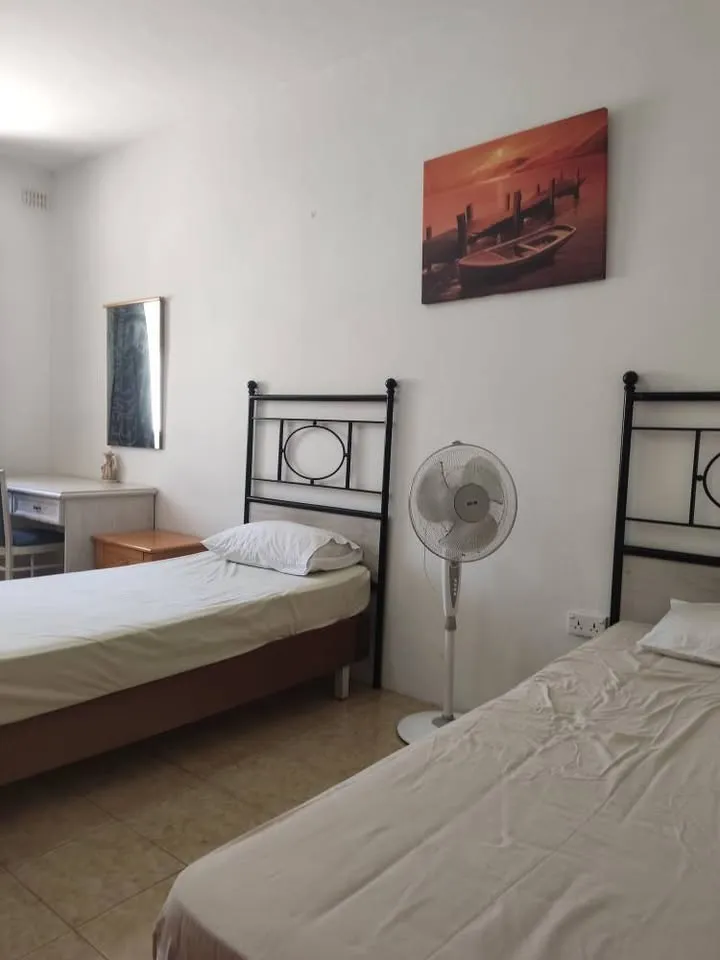
Mellieha (28 listings)
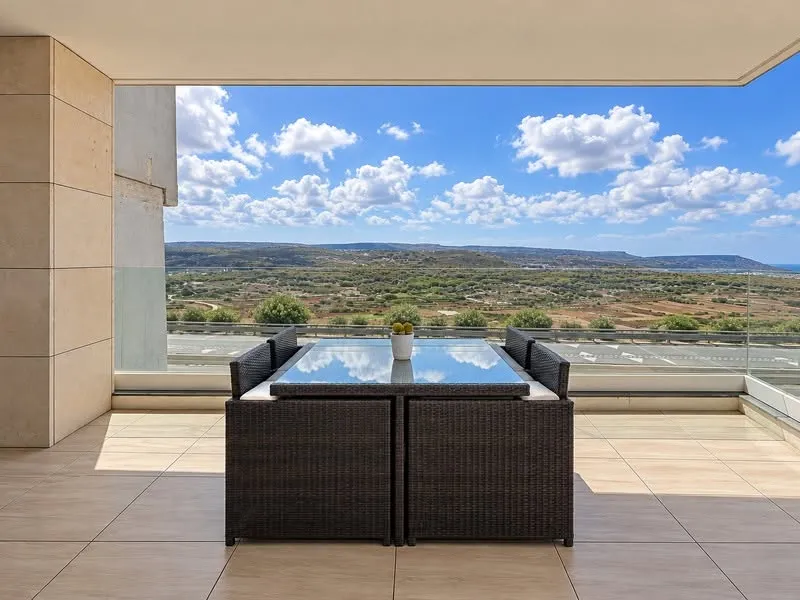
Bright two bedroom apartment in Mellieħa
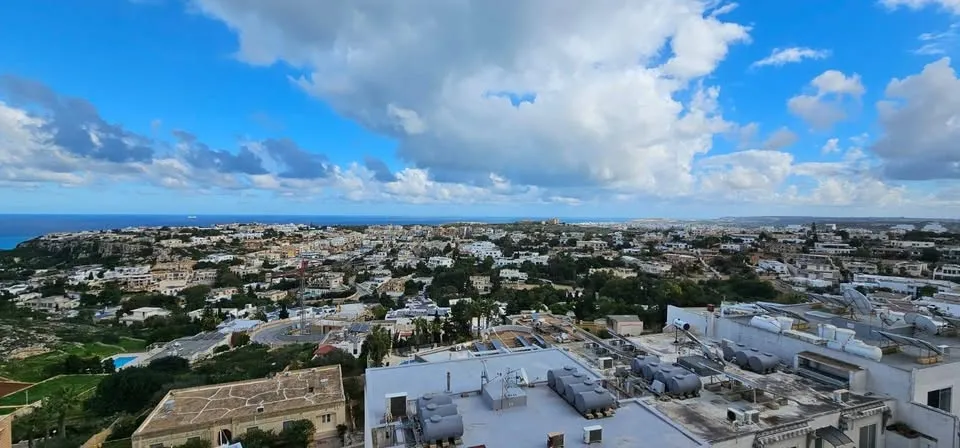
Recently renovated 3 bedroom apartment in Mellieħa Heights
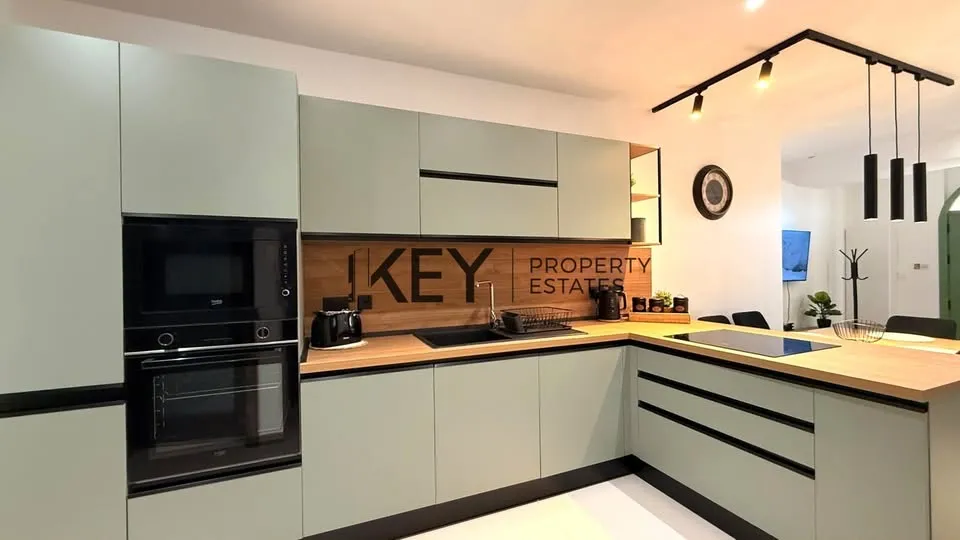
Mellieha - Beautiful 2 Bedroom Ground Floor Maisonette, Centrally Located