Marsa vs Qawra
Side-by-side comparison of property prices, lifestyle, and practical info to help you choose the right area.
Summary
Marsa is better for budget buyers who prioritise transport links and proximity to central Malta, while Qawra suits tourists, retirees, and buyers seeking coastal living with steady rental yields. Marsa, a working port and industrial zone, scores 9/10 for transport as a major bus corridor just 10 minutes from the airport. Property here ranks among Malta's most affordable, though the industrial surroundings limit dining (3/10) and nightlife (1/10). In contrast, Qawra is a relaxed resort with a long seafront promenade, scoring 7/10 for dining and nightlife, and 4/10 for beach access despite its rocky shoreline.
Marsa suits budget buyers needing easy access to Mater Dei hospital, the university, and Valletta via a 10-minute bus ride. Parking is ample—a rarity in central Malta. Qawra appeals to retirees and tourists with essential amenities, the Malta National Aquarium, and proximity to the Cirkewwa Gozo ferry terminal. A bus ride to Valletta takes 50-60 minutes. Qawra delivers higher lifestyle ratings across dining, family-friendliness, and beaches, while Marsa offers superior convenience at lower purchase prices despite industrial noise and poor air quality.
Living in Marsa
Marsa sits at the inner end of the Grand Harbour — a flat, industrial zone where Malta's main port facilities, power station, and horse-racing track cluster around a creek that once served as a Roman harbour. The name means 'harbour' in Arabic, and the area has served as a port facility for over 2,000 years. Marsa is not a residential destination — it's a working zone. The container terminal, ship repair yards, and industrial estates dominate the landscape. A small residential community lives in the older streets near the parish church, but most of Marsa's daily population consists of workers, truck drivers, and port employees. Property in Marsa exists but is limited. The few residential properties available are very affordable, though the industrial surroundings make this a niche choice. Malta's only horse-racing track, the Marsa Sports Club, is a major draw — racing days bring thousands of visitors to an otherwise industrial area.
Highlights
- Malta's main container port
- Marsa horse-racing track — Malta's only racecourse
- Roman harbour site with 2,000 years of maritime history
- Very affordable residential property
- Malta's power station location
Living in Qawra
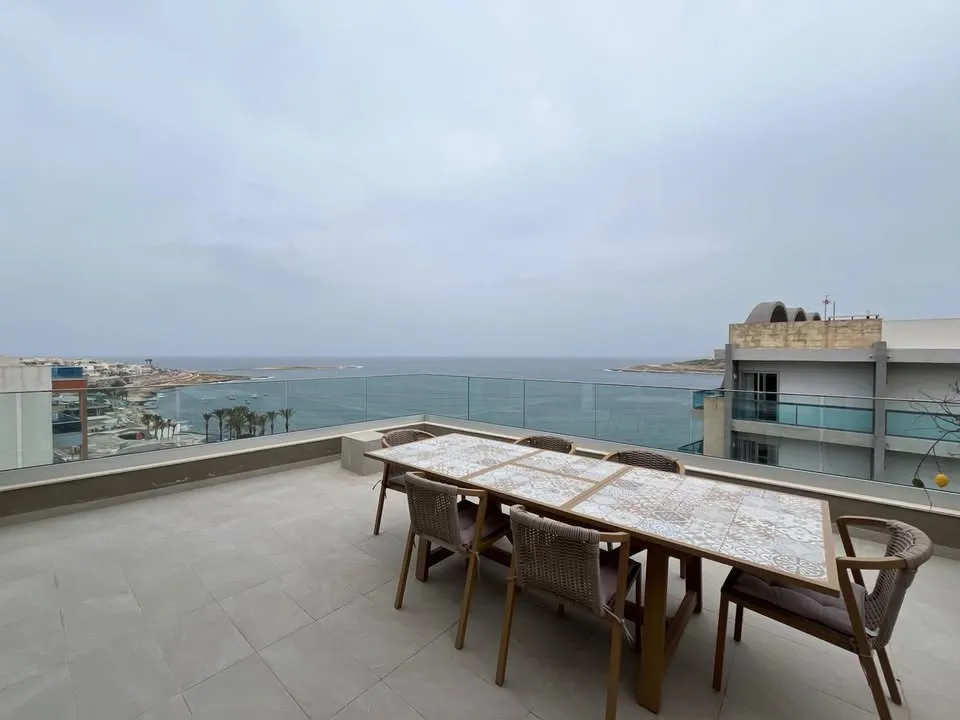
Qawra is the quieter neighbour of Bugibba — a coastal resort area on St. Paul's Bay that shares the same tourist infrastructure but with a more relaxed pace. The name means 'rounded' in Maltese, referring to the shape of the rocky peninsula that juts into the sea. Where Bugibba is loud and commercial, Qawra is slightly more subdued, with a long coastal promenade, rocky swimming platforms, and a cluster of hotels and apartment blocks. The Qawra promenade is one of the longest continuous seafront walks in Malta, stretching from Bugibba's aquarium all the way to Salina Bay. The salt pans at Salina are one of the oldest in Malta, still producing sea salt using traditional methods. The Qawra Point tower, a Knights-era watchtower, sits at the tip of the peninsula. Property in Qawra mirrors Bugibba's market — affordable purchase prices and solid rental yields from tourist demand. The area is popular with British retirees and long-stay visitors who prefer Qawra's slightly calmer atmosphere over Bugibba's bustle. Winter occupancy is better than most Maltese resorts thanks to the retiree community.
Highlights
- Longest seafront promenade in northern Malta
- Salina salt pans — traditional sea salt production
- Knights-era watchtower at Qawra Point
- Steady rental yields from retiree community
- Slightly quieter alternative to neighbouring Bugibba
Lifestyle Comparison
Which Area Is Right For You?
Choose Marsa
Marsa comes out ahead in transport .
Choose Qawra
Qawra comes out ahead in dining, family, beaches, nightlife .
Frequently Asked Questions
Available Properties
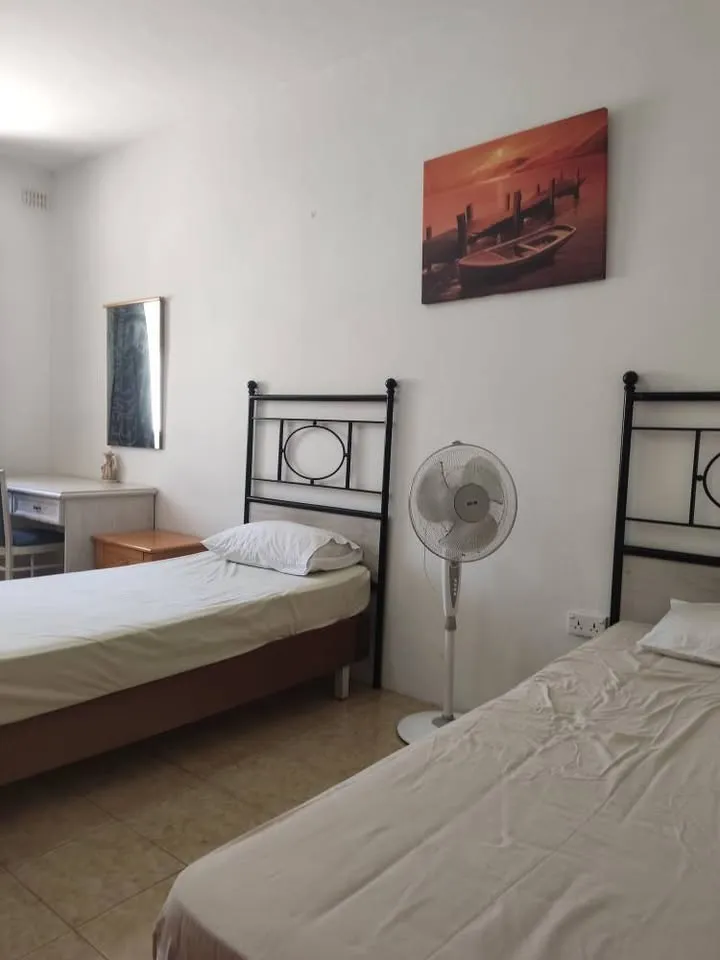
Qawra (26 listings)
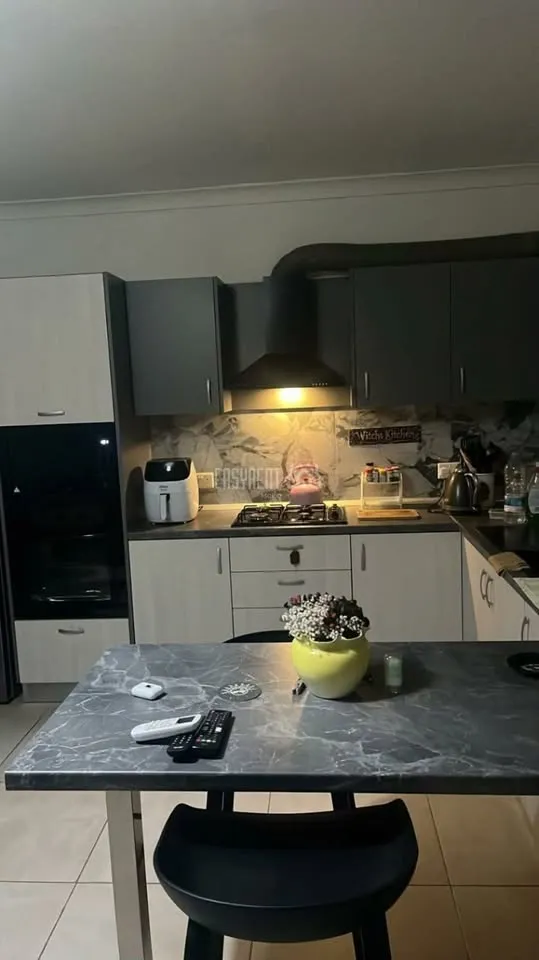
QAWRA | 2 BEDROOM APARTMENT | €1,600 MONTHLY
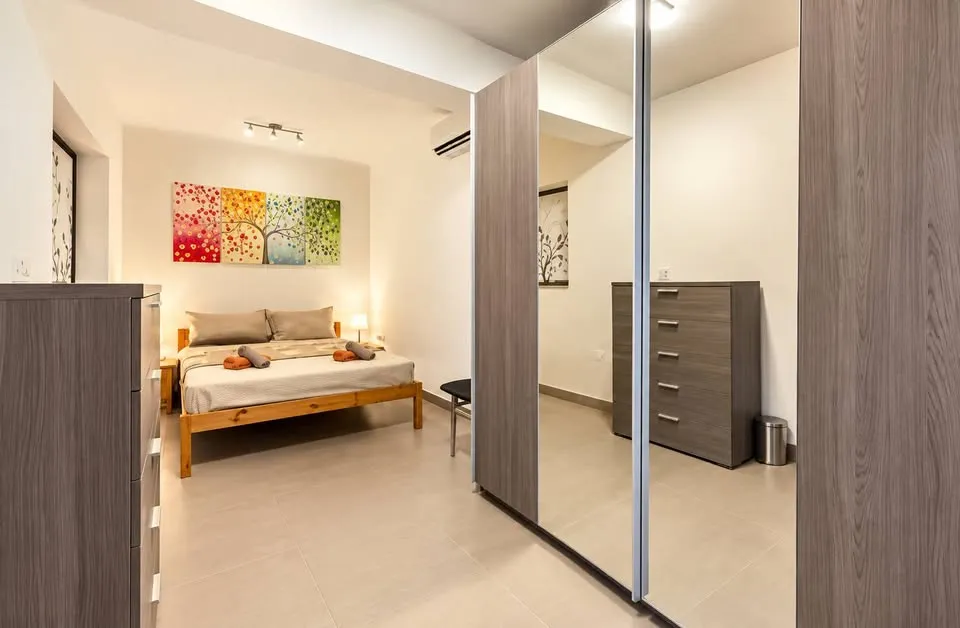
1-Bedroom Apartment with Balcony in Qawra
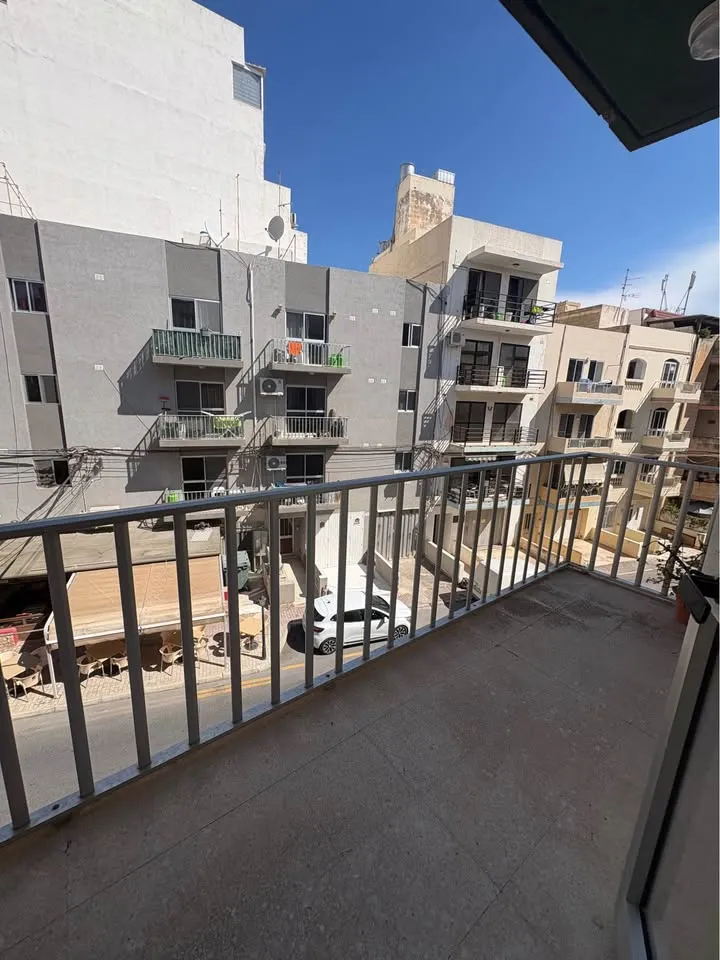
Qawra - two bedroom and one bathroom