Marsa vs Sliema
Side-by-side comparison of property prices, lifestyle, and practical info to help you choose the right area.
Summary
Living in Marsa
Marsa sits at the inner end of the Grand Harbour — a flat, industrial zone where Malta's main port facilities, power station, and horse-racing track cluster around a creek that once served as a Roman harbour. The name means 'harbour' in Arabic, and the area has served as a port facility for over 2,000 years. Marsa is not a residential destination — it's a working zone. The container terminal, ship repair yards, and industrial estates dominate the landscape. A small residential community lives in the older streets near the parish church, but most of Marsa's daily population consists of workers, truck drivers, and port employees. Property in Marsa exists but is limited. The few residential properties available are very affordable, though the industrial surroundings make this a niche choice. Malta's only horse-racing track, the Marsa Sports Club, is a major draw — racing days bring thousands of visitors to an otherwise industrial area.
Highlights
- Malta's main container port
- Marsa horse-racing track — Malta's only racecourse
- Roman harbour site with 2,000 years of maritime history
- Very affordable residential property
- Malta's power station location
Living in Sliema
Sliema is Malta's premier waterfront district, a vibrant stretch of coastline where modern apartment towers meet historic townhouses along a sweeping seafront promenade. Once a quiet fishing village favoured by Valletta's upper class as a summer retreat, Sliema transformed in the 20th century into the island's commercial and residential hub. The Strand and Tower Road form the backbone of daily life here, lined with cafes, restaurants, and retail chains that draw both locals and tourists year-round. The area is defined by its rocky beaches and swimming spots — no sand, but plenty of lidos and concrete platforms where residents take their morning dip with views across to Valletta's Grand Harbour. The Ferries terminal connects Sliema to the capital in under ten minutes by boat, making it one of the best-connected spots on the island. Tigne Point and The Point Shopping Mall anchor the northern end, while the quieter Exiles and Qui-Si-Sana areas offer respite from the commercial buzz. Sliema is the default choice for expats relocating to Malta, particularly those working in the gaming, finance, and tech sectors. The property market here is the most active on the island, with a high turnover of rental apartments and a steady pipeline of new developments. Parking is notoriously difficult and traffic congestion is a daily reality, but most residents find that walkability and proximity to everything compensate.
Highlights
- Seafront promenade stretching 3km along the coast
- 10-minute ferry to Valletta
- The Point — Malta's largest shopping mall
- Rocky beaches and swimming lidos
- Highest concentration of modern apartments on the island
Lifestyle Comparison
Frequently Asked Questions
Available Properties
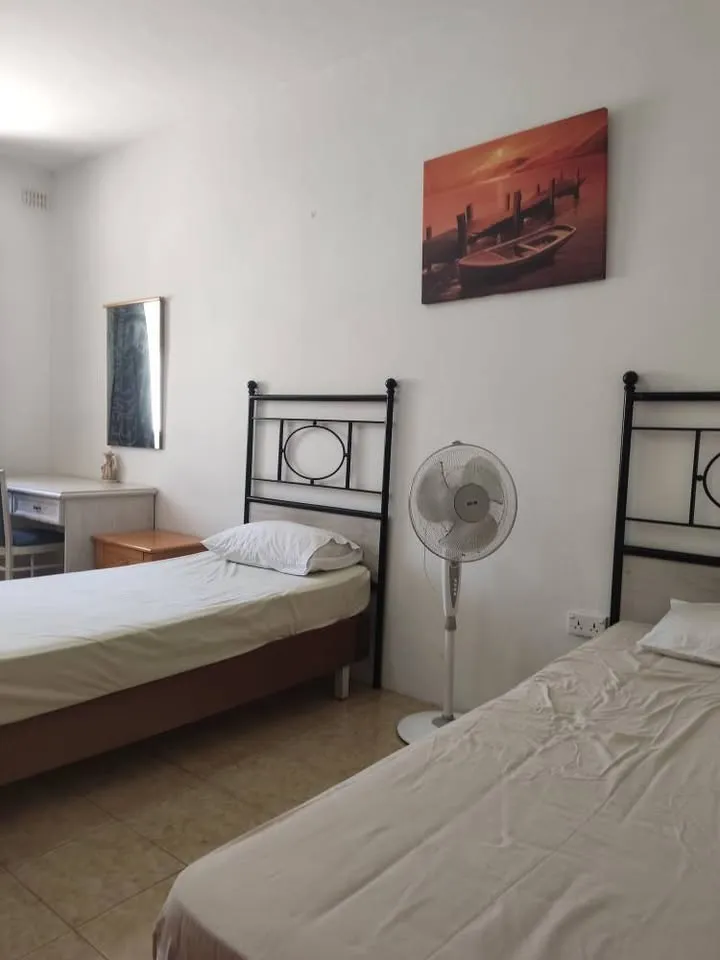
Sliema (107 listings)
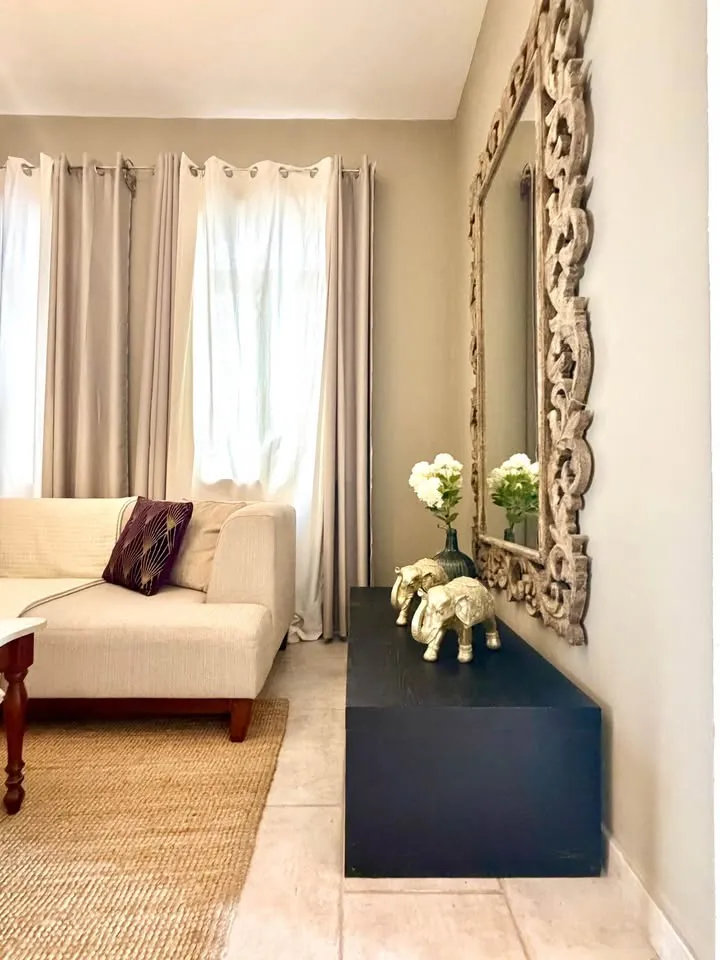
Beautiful penthouse in Sliema
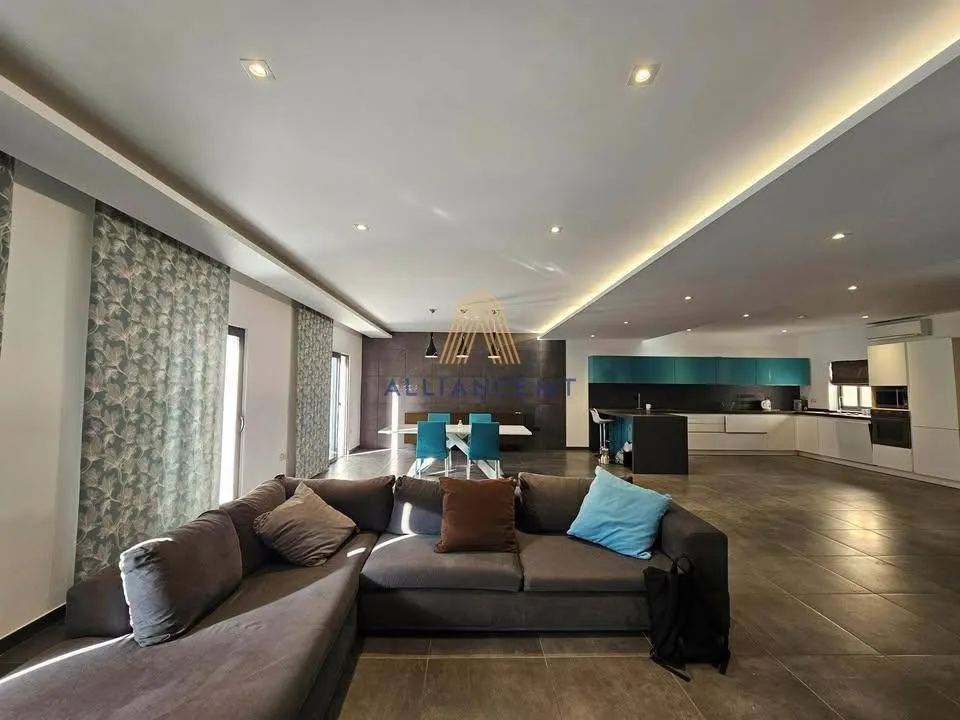
Prime location modern apartment in Sliema
3 Bedroom Apartment in Sliema