Marsa vs St. Julian's
Side-by-side comparison of property prices, lifestyle, and practical info to help you choose the right area.
Summary
Living in Marsa
Marsa sits at the inner end of the Grand Harbour — a flat, industrial zone where Malta's main port facilities, power station, and horse-racing track cluster around a creek that once served as a Roman harbour. The name means 'harbour' in Arabic, and the area has served as a port facility for over 2,000 years. Marsa is not a residential destination — it's a working zone. The container terminal, ship repair yards, and industrial estates dominate the landscape. A small residential community lives in the older streets near the parish church, but most of Marsa's daily population consists of workers, truck drivers, and port employees. Property in Marsa exists but is limited. The few residential properties available are very affordable, though the industrial surroundings make this a niche choice. Malta's only horse-racing track, the Marsa Sports Club, is a major draw — racing days bring thousands of visitors to an otherwise industrial area.
Highlights
- Malta's main container port
- Marsa horse-racing track — Malta's only racecourse
- Roman harbour site with 2,000 years of maritime history
- Very affordable residential property
- Malta's power station location
Living in St. Julian's
St. Julian's is where Malta goes to play. By day it's a pleasant coastal town spread around Spinola Bay — one of the most photographed fishing boat harbours on the island — and Balluta Bay with its grand art nouveau houses. By night it becomes Paceville, the island's densest concentration of bars, clubs, casinos, and restaurants, drawing revellers from across Malta until the early hours. The town has a split personality that works in its favour. The Paceville side is loud, youthful, and commercial, home to international hotel chains and the Dragonara Casino. The Spinola and Balluta side is refined, with upscale restaurants housed in converted townhouses and a promenade that connects westward to Sliema. Portomaso, with its signature tower and marina, sits between the two — a luxury residential and commercial complex that symbolises the area's premium positioning. St. Julian's is the heart of Malta's iGaming and tech industries. Office buildings cluster around the Mriehel area and along the coast, making it the most convenient base for professionals working in these sectors. Property here commands some of the highest rents on the island, particularly in developments with sea views.
Highlights
- Spinola Bay — iconic fishing boat harbour lined with restaurants
- Paceville — Malta's nightlife district with dozens of bars and clubs
- Portomaso Marina and luxury tower
- Heart of Malta's iGaming industry
- Balluta Bay with its art nouveau buildings
Lifestyle Comparison
Which Area Is Right For You?
Choose Marsa
Marsa comes out ahead in family, transport .
Choose St. Julian's
St. Julian's comes out ahead in dining, beaches, nightlife .
Frequently Asked Questions
Available Properties
St. Julian's (73 listings)
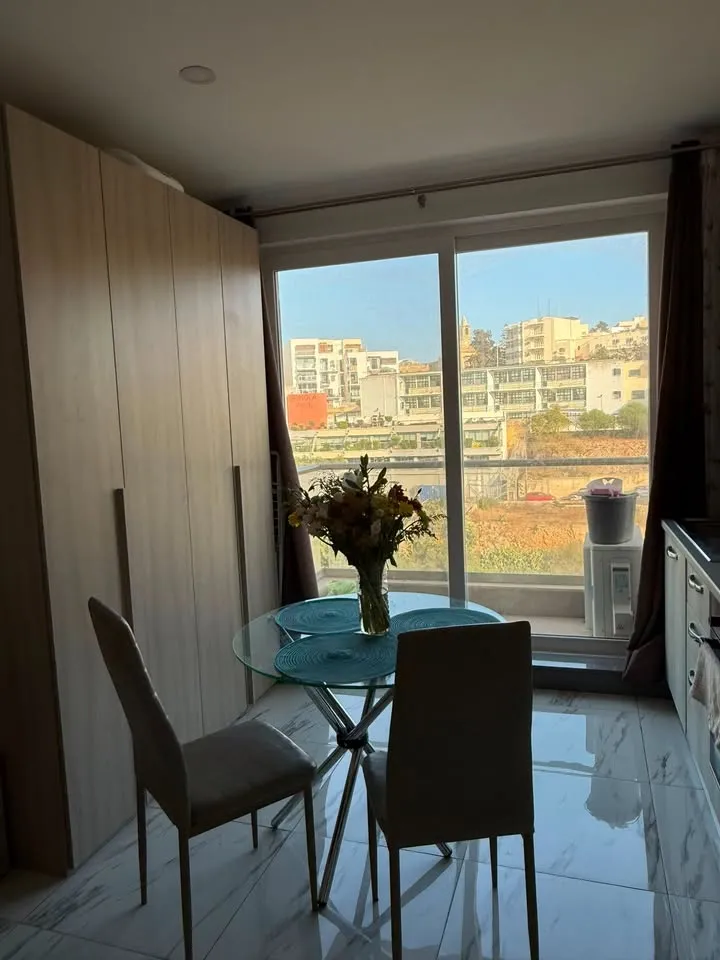
ST JULIAN'S SPINOLA STUDIO APARTMENT
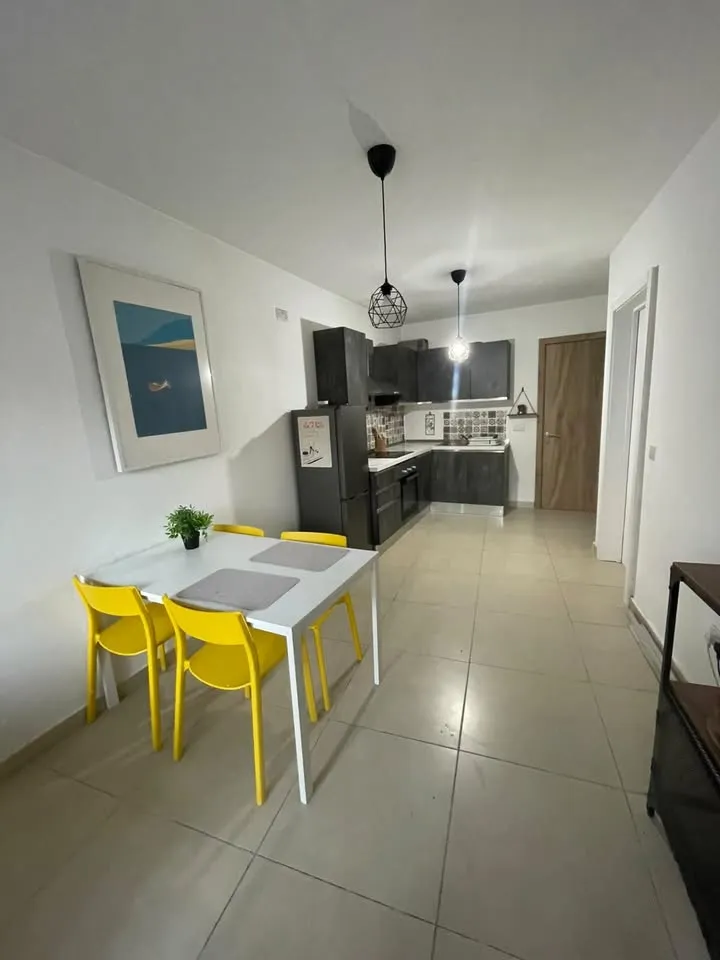
Modern apartment in San Ġiljan
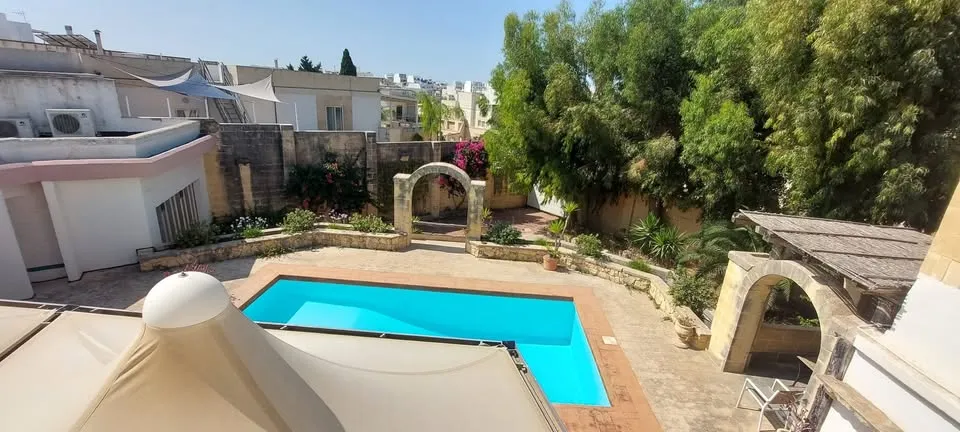
MODERN VILLA SAN GWAN , ST JULIANS BORDER